Desert National Wildlife Refuge Hunting Rules
Hunting in Nevada can be complex enough with its vast public lands and diverse species, but when you throw a National Wildlife Refuge into the mix, it can feel like trying to solve a puzzle with half the pieces missing. Many hunters get frustrated trying to decipher which general state regulations apply and where the special refuge-specific rules kick in, leading to confusion and the fear of an unintentional violation. This comprehensive guide aims to untangle those complexities, specifically focusing on the Desert National Wildlife Refuge, to help you understand the unique hunting rules and ensure a lawful, enjoyable experience.
Understanding the Unique Nature of National Wildlife Refuges for Hunting
National Wildlife Refuges are a truly special category of public land, different from BLM ground or National Forests, and understanding their foundational purpose is key to grasping their unique hunting regulations. While they are indeed public lands open to hunting in many cases, their primary mission is wildlife conservation and habitat protection. This core objective often dictates a stricter, more tailored set of rules than what you might find on other federal lands, leading to a dual layer of regulations that hunters must navigate.
Federal vs. State Regulations: A Dual Layer of Rules
When you step foot onto the Desert National Wildlife Refuge, you're entering an area managed by the U.S. Fish and Wildlife Service (USFWS), a federal agency. This means that, in addition to following all of Nevada's hunting regulations—the ones set by the Nevada Department of Wildlife (NDOW)—you also have to abide by a distinct set of federal regulations specific to that refuge. It's not one or the other; it's both. This often catches hunters off guard, especially those accustomed to simply following state rules on, say, Bureau of Land Management (BLM) property. Think of it like a nesting doll of rules: the state regulations are the larger doll, and inside is a smaller, more detailed doll representing the refuge's specific dictates.
This dual layer means that while Nevada might have a general archery deer season running from August into September, the refuge itself might only open certain areas for a limited portion of that season, or it might restrict weapon types, or even require a special refuge permit on top of your state hunting tag. You might also find different rules for Blaze Orange Requirements Through the Season or even Nevada Legal Shooting Hours for Big Game within the refuge boundaries compared to adjacent state or BLM lands. It's crucial to consult both the current Nevada hunting regulations and the specific hunting brochure or website for the Desert National Wildlife Refuge before you even consider applying or planning a hunt.
The challenge here is that these federal regulations are often designed to protect specific species, sensitive habitats, or even to manage visitor use within the refuge more strictly. They can change annually, so relying on what you knew last year might lead to an unpleasant surprise. It's not enough to simply know what the state says; you absolutely must know what the refuge says, too. This due diligence is paramount to avoiding citations and, more importantly, to ensuring your hunt aligns with the conservation goals of the refuge itself.
Why Refuges Have Different Rules: Conservation First
At its heart, the National Wildlife Refuge System prioritizes wildlife conservation. While hunting is recognized as a legitimate and often beneficial wildlife management tool, it is always secondary to the refuge's overarching mission to protect and restore habitat, as well as to conserve particular species. This is why you'll frequently encounter rules that seem more restrictive than elsewhere. For example, some refuges might restrict vehicle access to protect critical wintering grounds, or they might limit hunting to specific areas to safeguard nesting birds or sensitive plant communities.
The Desert National Wildlife Refuge, in particular, is a vast and ecologically critical area, designed to protect desert bighorn sheep and their habitat. Its existence and management are centered around the health and viability of these iconic animals, along with myriad other desert flora and fauna. Therefore, any hunting regulations within its boundaries will inevitably reflect this primary focus. This might translate into specific zones where hunting is prohibited entirely, limitations on the number of hunters allowed at any given time, or requirements for non-toxic ammunition in certain areas to prevent lead contamination.
Understanding this "conservation first" mentality helps to contextualize the rules you encounter. It's not about making hunting harder; it's about integrating hunting into a broader ecosystem management strategy. When you see a rule about where you can camp or where you can drive, it's typically tied to a specific ecological need, such as preventing disturbance to wildlife, protecting fragile desert soils, or preserving pristine wilderness values. Approaching your hunt with this understanding not only helps you comply but also fosters a deeper appreciation for the refuge's mission.
Specific Hunting Regulations for Desert National Wildlife Refuge
The Desert National Wildlife Refuge is arguably one of the most significant hunting areas in Nevada, particularly for iconic species like desert bighorn sheep. However, its immense size and ecological importance mean that hunters need to be exceptionally diligent in understanding its specific operational regulations. Unlike a typical swath of BLM Ground Is Where Most Nevada Hunting Happens, the refuge has its own set of rules overlaid on top of the state's.
Permitted Species and Hunt Areas Within the Refuge
The Desert National Wildlife Refuge is famously home to a robust population of desert bighorn sheep, and it's a coveted draw for hunters seeking this magnificent animal. Beyond bighorns, other species like mule deer and sometimes even game birds can be hunted, but only in designated areas and only during specific seasons approved by the refuge. It's critical to realize that just because a species is huntable in Nevada doesn't automatically mean it's huntable throughout the entire refuge, or even at all. For instance, the refuge often has specific subunits or zones where hunting is allowed, and others where it's entirely prohibited to protect bighorn sheep or other sensitive resources. These zones are usually clearly delineated on refuge maps and described in the refuge's hunting brochure.
For example, a section of the refuge might be open to limited mule deer hunting, while another, more sensitive area might be completely closed to all hunting. These closures are not arbitrary; they are usually in place to provide critical undisturbed habitat for breeding, lambing, or wintering bighorn sheep, or to protect unique botanical features. Before applying for any tag or planning any hunt within the refuge, you absolutely must consult the current Desert National Wildlife Refuge hunting regulations and maps. Websites like GoHunt or mapping applications like onX Hunt can often provide general public land boundary information, but for specific refuge hunting zones, always cross-reference with the official refuge documents. This prevents accidental trespass into closed areas and ensures you're pursuing the correct species in the correct location.
Season Dates, Tag Requirements, and Special Permits
This is where the dual layer of regulations really comes into play. While the state of Nevada sets the overall framework for hunting seasons, the Desert National Wildlife Refuge often imposes its own, sometimes more restrictive, season dates within its boundaries. For example, a statewide deer season might run for several weeks, but the refuge might only open for a specific 7-10 day window, or only during certain days of the week, to minimize disturbance to other wildlife or limit hunter density. This can be especially true for bighorn sheep hunts, which are highly controlled and often have very short, specific seasons to ensure sustainable harvest.
Beyond state hunting tags, which are always required, the Desert National Wildlife Refuge may also require its own special refuge permit. This could be a free permit you pick up at the visitor center or print online, or it might be a drawn permit that involves an additional application process or fee. These permits allow the refuge to closely monitor hunter numbers, collect harvest data specific to the refuge, and communicate important rules and updates directly to hunters. It's paramount to check if such a permit is needed before your hunt, as failing to possess one, even with a valid state tag, could lead to a citation. Pay close attention to any check-in/check-out requirements, mandatory reporting, or specific instructions for evidence of sex or trophy handling that the refuge might have. This is all part of their conservation strategy.
Vehicle Access, Camping, and Other Operational Limitations
The vastness of the Desert National Wildlife Refuge, combined with its rugged terrain and ecological sensitivity, means that vehicle access is often highly restricted. Unlike many open hunting areas where you might have extensive two-track roads, within the refuge, designated roads for motorized vehicles are typically few and far between, and driving off-road is almost universally prohibited. These restrictions are crucial for preventing habitat degradation, protecting fragile desert soils, and ensuring undisturbed wildlife corridors. Expect to see signs, closed gates, or physical barriers marking where vehicle access ends. Always assume motorized travel is restricted to established, publicly accessible roads and never venture off them.
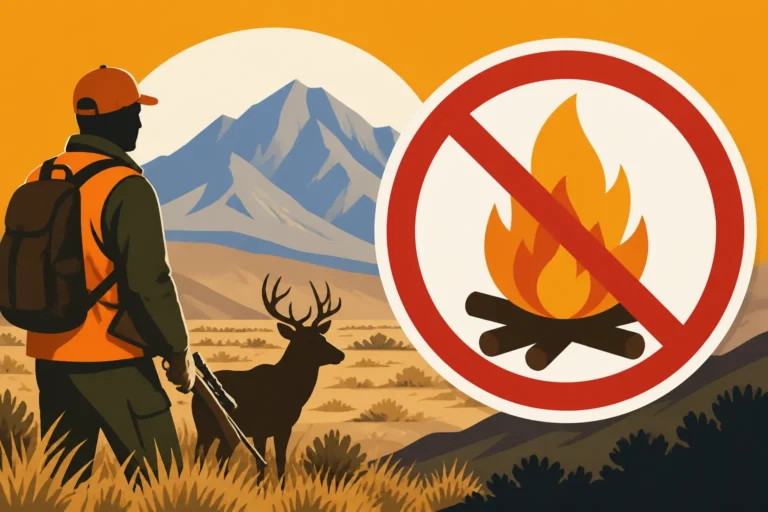
Camping is another area where refuge rules often differ significantly from general public land regulations. While dispersed camping might be allowed on adjacent BLM lands, the refuge might have designated camping areas, or it might prohibit camping entirely in certain zones. The duration of stay could be limited, and specific rules regarding campfires, food storage, and waste disposal are common to minimize human impact on the fragile desert environment. Make sure to check the refuge's current regulations for exact camping policies, including any restrictions on overnight stays or specific rules like "pack it in, pack it out" that go beyond general etiquette.
| Activity/Rule | General Nevada Public Land (e.g., BLM) | Desert National Wildlife Refuge (DNWR) |
|---|---|---|
| Hunting Regulations | Governed by NDOW statewide rules. | Governed by NDOW + specific DNWR rules. |
| Permits | State hunting license and tag required. | State license/tag + potential DNWR specific permit. |
| Season Dates | Statewide dates apply. | Statewide dates apply, but DNWR may have more restrictive open dates/windows. |
| Hunt Zones | Open unless specifically closed. | Only open in designated areas; others are closed. |
| Vehicle Access | Generally open on existing roads/trails; some off-roading allowed in specific areas. | Restricted to designated, established roads only; off-road travel almost universally prohibited. |
| Camping | Dispersed camping widely allowed (with some limits). | May be restricted to designated sites, have length-of-stay limits, or be prohibited in certain areas. |
| Ammunition | Lead ammunition generally allowed. | Non-toxic ammunition may be required in some or all areas. |
| Reporting | State harvest reporting required. | State reporting + potential DNWR specific check-out/reporting. |
| Baiting | Baiting Rules That Apply in Nevada generally apply. | Often prohibited or highly restricted beyond state rules. |
This table highlights the crucial need for hunters to delve into the refuge's specific hunting brochure, not just rely on their state regulation handbook.
Essential Tools and Resources for Planning Your Hunt
Successfully hunting in a special management area like the Desert National Wildlife Refuge requires meticulous planning and leveraging the right resources. It's not a place for winging it or relying on outdated information. The dynamic nature of refuge regulations and the vast, often remote terrain demand thorough preparation.
Navigating Boundaries and Public Land Layers
One of the biggest challenges when hunting any public land, especially a refuge, is knowing exactly where you are and what rules apply. Boundaries can be invisible on the ground, but they are very real on a map. This is where modern mapping applications become indispensable. Tools like onX Hunt provide detailed land ownership maps right on your phone or GPS device, clearly showing the lines between private, BLM, National Forest, and crucially, National Wildlife Refuge lands. This allows you to visually confirm you're within a permitted hunting zone and not accidentally straying into a closed area or private property. Understanding Reading a Nevada Unit Boundary Before You Apply is important, but a refuge boundary adds another layer of specificity.
Beyond simply showing boundaries, these apps often include layers for wilderness areas, roads, trails, and sometimes even water sources, which are vital in a desert environment. Knowing Water Sources That Concentrate Desert Game can be a game-changer, and being able to find them on your map helps immensely. However, it's vital to remember that while these apps are powerful, they are not official regulatory documents. Always cross-reference the digital maps with the official Desert National Wildlife Refuge hunting brochure and maps to ensure the information, especially regarding specific hunt unit sub-zones or temporary closures, is current and accurate. A paper map and compass are also excellent backups, particularly in areas with no cell service, which is common in the vastness of the refuge. It also helps to pay attention to details like Reading a Land Ownership Layer Correctly.
Staying Informed About Regulation Changes
Refuge-specific regulations are not static; they can and do change from year to year. Wildlife populations fluctuate, habitat conditions evolve, and management priorities can be adjusted based on new data or environmental factors. This means that simply consulting last year's regulations or relying on information from a hunting forum from several seasons ago is a recipe for trouble. The most reliable sources of information are always the official ones.
Your first stop should be the official website for the Desert National Wildlife Refuge, typically found through the U.S. Fish and Wildlife Service. Here, you'll usually find the current year's hunting regulations, specific hunting maps, and any required refuge permits or reporting forms. Look for specific hunting brochures that often consolidate all the relevant information for the current season. You can also contact the refuge headquarters directly. They often have visitor centers where staff can answer specific questions or provide printed materials. Additionally, it's prudent to keep an eye on the Nevada Department of Wildlife (NDOW) website for any statewide changes that might impact your hunt, as the refuge rules work in conjunction with state regulations. Services like GoHunt often track regulation changes and provide summaries, which can be a good starting point, but always verify with the official refuge documentation. This diligent approach ensures you're always operating with the most current and accurate information, maximizing your chances for a successful and legal hunt.
Disclaimer
This article is for general informational purposes only and does not constitute professional advice. Laws, prices and regulations vary by location and change over time. Consult a qualified professional for guidance on your specific situation.