Baiting Rules That Apply in Nevada
It can be incredibly frustrating to try and understand all the nuanced hunting regulations, especially when it comes to something as seemingly straightforward as baiting. You see ads for attractants, hear stories from other states, and then wonder how it all applies to hunting here in Nevada. The last thing any ethical hunter wants is to accidentally break a rule and face serious consequences. This guide is here to untangle the complexities of Nevada's baiting rules, helping you understand precisely what's allowed, what's strictly forbidden, and how to stay on the right side of the law while pursuing your passion.
The General Rule: No Baiting for Big Game
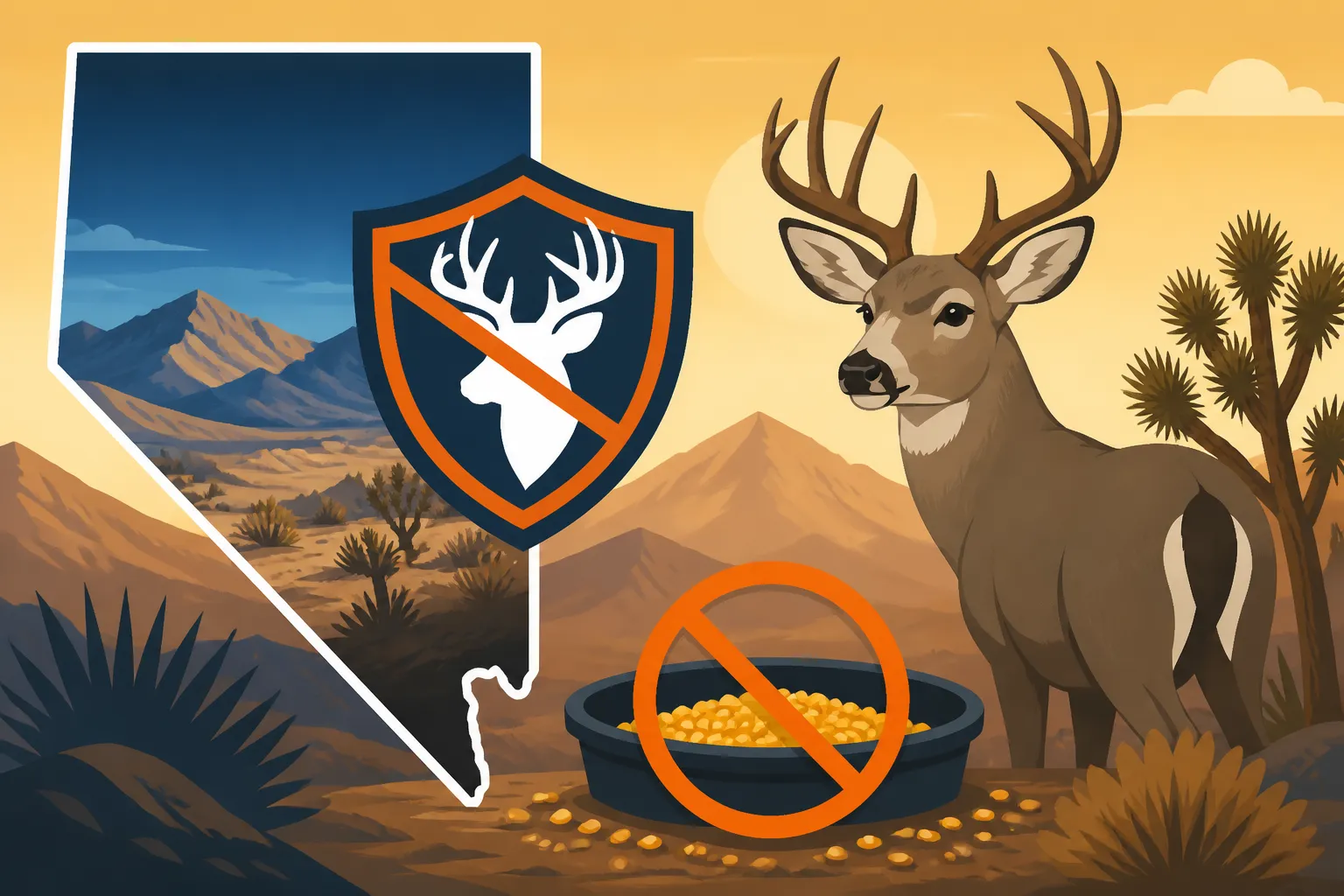
Let's cut right to the chase: in Nevada, it is generally illegal to bait big game animals. This isn't just a suggestion; it's a fundamental principle rooted in fair chase ethics and wildlife management. The Nevada Department of Wildlife (NDOW) takes these regulations very seriously, and for good reason. Baiting can concentrate animals, making them easier targets, increasing the risk of disease transmission, and potentially leading to localized overharvest.
The definition of "baiting" might seem obvious, but it's important to grasp the specifics. It's not just about dumping a pile of corn in the woods. NDOW regulations define baiting as placing, exposing, distributing, or scattering any salt, mineral, grain, feed, fruit, vegetable, or other edible attractant with the intent of luring or attracting big game animals for the purpose of hunting. This means if you put out anything edible with the express intent of drawing in deer, elk, or other big game, you are in violation. This also includes attractants that are primarily scent-based but are designed to be consumed or ingested. It's about creating an artificial food source or draw that alters an animal's natural movement patterns and behavior.
Think about the spirit of fair chase. Hunting in Nevada, especially for species like mule deer and elk, is often a game of skill, patience, and understanding the animal's natural habits across vast, rugged landscapes. Using a tool like Why Nevada Deer Hunting Is a Glassing Game highlights the challenge and reward of finding game on their terms. Baiting circumvents much of that challenge, changing the dynamics of the hunt from a pursuit of wild animals in their natural state to ambushing animals drawn to a food source. It's a significant ethical boundary for many, and it's backed up by state law.
Specific Exceptions and Nuances
While the general rule against baiting big game is firm, like many regulations, there are nuances and specific situations that can cause confusion. It's crucial to understand these distinctions so you don't inadvertently run afoul of the law or, conversely, worry about completely legal activities.
Water Sources and Natural Attractants
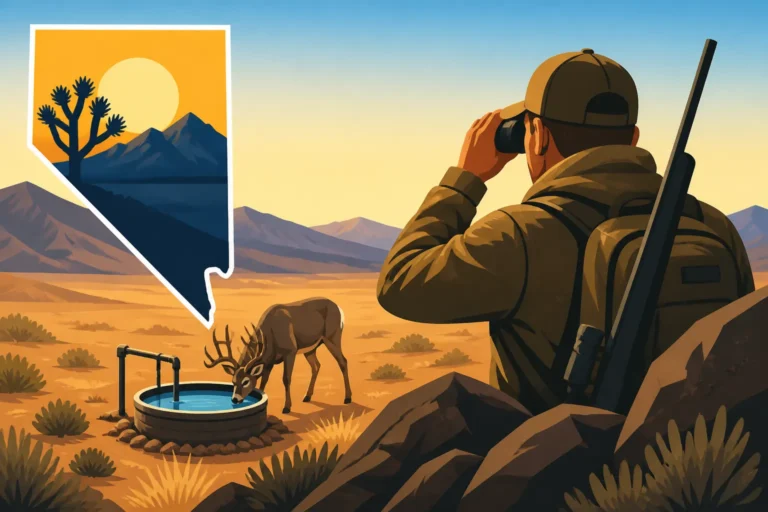
One of the most common questions in arid states like Nevada revolves around water. In a landscape where water is often the limiting factor for wildlife, it's natural for animals to congregate around springs, guzzlers, and riparian areas. Let's be absolutely clear: water is not considered bait. Hunting near a natural spring, a developed guzzler, or a riparian corridor is perfectly legal and often a very effective strategy, especially during early seasons. Articles like Hunting Water in Nevada's Driest Country delve into this crucial aspect of hunting in the Silver State. These are natural congregation points, not artificial attractants placed by hunters for the purpose of luring game.
Similarly, natural mineral licks, which are essentially soil or rock formations rich in essential minerals, are not considered bait. Animals seek these out naturally to supplement their diet. The key distinction is "natural." If a hunter were to create an artificial mineral lick by placing blocks or granular supplements, that would likely fall under the baiting prohibition. The intent behind the placement is what truly matters.
Agricultural Practices and Incidental Feeding
Another area of confusion can arise around agricultural lands. Nevada has plenty of ranching and farming operations. If a rancher is feeding livestock, and deer or elk happen to feed alongside them, that's generally not considered illegal baiting for a hunter, provided the feed was placed for legitimate agricultural purposes and not for hunting. The distinction is critical: the feed must not be placed by or for a hunter to attract game for harvest. This is a complex area, and if you are hunting near agricultural operations, it's always best to be absolutely certain of the circumstances. Ignorance of the law is not a valid defense.
Rules for Other Species
It's also worth noting that baiting rules can vary drastically for different species. While strict for big game, some states, and sometimes Nevada itself, have different regulations for small game, furbearers, or predators. For instance, hunting coyotes over a carcass (which could be considered bait in other contexts) is a common and legal practice in many areas. Similarly, setting traps for furbearers often involves baiting specific to those animals. However, this guide is focused specifically on big game, where the rules are much more restrictive. Always consult the official NDOW regulations for the specific species you intend to hunt. Resources like Where the Current Nevada Regulations Are Posted are invaluable for this.
Understanding the Practical Implications for Hunters
Navigating baiting regulations isn't just about knowing what's illegal; it's about incorporating that knowledge into your overall hunting strategy and ethics. For most self-reliant hunters, the prohibition on baiting for big game aligns perfectly with their desire for a challenging and fair experience.
Avoiding Accidental Violations
The biggest concern for many hunters is avoiding an accidental violation. Here are a few practical tips:
- Leave No Trace: When you pack out your trash, make sure you don't accidentally drop food scraps that could attract animals. While likely not considered "baiting with intent," it's good practice.
- No Food for Wildlife: Resist the urge to "feed" wildlife, even if you think you're helping. This can condition animals to human presence and human food sources, which can lead to negative interactions and could be construed as baiting if done in a hunting context.
- Be Mindful of Your Camp: If you're camping in a hunting unit, ensure your food is secured and that no edible items are left exposed where animals could find them. Again, this is primarily about preventing issues with wildlife, but it also avoids any ambiguity.
- E-Scouting and Unit Knowledge: Before you even set foot in the field, use tools like GoHunt to thoroughly E-Scout a Nevada unit. Understand its geography, potential water sources, and common game trails. This helps you develop a hunting plan based on natural animal behavior, not artificial attractants. Knowing your unit inside and out, perhaps through understanding how to read a Reading a Nevada Hunt Unit Before You Apply, will prevent you from accidentally hunting near a known, questionable feeding area.
Scouting Considerations and Ethical Hunting
Instead of focusing on how to attract animals, successful Nevada hunters focus on understanding where animals naturally live, feed, and travel. This often involves extensive E-Scouting a Nevada Unit Before the Season, followed by rigorous in-field scouting. Learning to interpret fresh sign, understand thermal patterns, and effectively glass vast landscapes are far more valuable skills.
For example, instead of baiting, a hunter might spend hours observing a basin to understand mule deer movement patterns between bedding areas and feeding grounds. They might focus on sitting near natural water sources, as described in Sitting Water in Nevada's Dry Units, during hot weather, knowing that deer and elk will eventually need a drink. This approach honors the challenge of the hunt and respects the wild nature of the animals.
Reporting Suspected Violations
If you encounter what you believe to be illegal baiting activity, it's important to report it to NDOW. Do not confront individuals directly, as this can be dangerous. Instead, gather as much information as possible—location, date, time, descriptions of individuals or vehicles, and evidence of bait—and contact NDOW's law enforcement division or use their Operation Game Thief hotline. Responsible hunting involves ensuring all participants adhere to the rules that protect our wildlife resources.
Consequences of Violating Baiting Rules
The penalties for violating baiting rules in Nevada can be severe, far more impactful than just a slap on the wrist. NDOW and the state courts take these violations seriously because they undermine fair chase, can impact wildlife populations, and contribute to the spread of diseases like Chronic Wasting Disease (CWD) if not managed properly.
Fines and Court Action
A baiting violation is typically a misdemeanor offense in Nevada. This means you could face substantial fines, potentially ranging from hundreds to thousands of dollars, depending on the specifics of the offense and the discretion of the court. Beyond the initial fine, you'll also likely incur court costs and other associated fees. These charges can add up quickly, turning a perceived "shortcut" into a very expensive lesson.
Loss of Hunting Privileges
Perhaps even more devastating to a passionate hunter than the financial cost is the loss of hunting privileges. A conviction for baiting can result in the suspension or revocation of your hunting license, often for multiple years. This isn't just for Nevada; many states are part of an interstate compact where license suspensions in one state are recognized by others. So, if you lose your hunting privileges in Nevada, you might find yourself unable to hunt anywhere in the country for a significant period. For someone who lives for hunting season, this can be an incredibly painful consequence.
Bonus Point and Tag Application Impact
Nevada utilizes a bonus point system for its big game draw, which can take years to build up. A baiting conviction can lead to the forfeiture of any accumulated bonus points for the species involved, or even across all species. This effectively sets you back years, perhaps even decades, in your pursuit of a coveted Nevada tag. Future applications might also be scrutinized or denied. Understanding systems like Why Four Nevada Bonus Points Buy Seventeen Chances highlights just how valuable those points are, and how much is lost with a violation.
Public Perception and Ethical Standing
Beyond the legal ramifications, there's the damage to your reputation and the perception of hunters as a whole. Ethical hunters are stewards of wildlife and advocates for responsible hunting practices. Violations like baiting cast a negative shadow on the entire hunting community, fueling anti-hunting sentiment and making it harder for wildlife agencies to manage resources effectively. Maintaining the integrity of hunting is everyone's responsibility.
To help clarify some common activities, here's a quick reference table:
| Activity | Status for Big Game Hunting in Nevada | Notes |
|---|---|---|
| Placing corn, minerals, or feed | ILLEGAL | Any edible attractant placed with intent to lure big game for hunting. |
| Hunting near a natural spring or guzzler | LEGAL | Water sources are natural attractants, not bait. Check How Guzzlers Concentrate Desert Game for more info. |
| Hunting near livestock feed on private land | DEPENDS | Legal if feed is for agricultural purposes and not placed by/for a hunter. Very careful judgment required. |
| Using a purely scent-based attractant | ILLEGAL | If designed to be ingested or consumed by big game, it falls under baiting. Check current NDOW regs for specific product interpretations. |
| Using trail cameras without attractants | LEGAL | Trail cameras are generally legal for scouting in Nevada, as long as no bait is associated. Refer to Trail Camera Rules on Nevada Public Land. |
| Hunting over natural forage fields | LEGAL | Hunting where animals naturally feed on plants like alfalfa or sagebrush is part of fair chase. |
Final Thoughts on Ethical Hunting in Nevada
Ultimately, Nevada's baiting rules for big game are designed to preserve the integrity of the hunt, promote fair chase, and protect the health of its wildlife populations. It's a system built on respect for the animals and the challenge of hunting them in their natural environment. Relying on your scouting skills, understanding animal behavior, and utilizing resources like GoHunt to analyze units and plan your approach, rather than artificial attractants, will not only keep you legal but also lead to a more rewarding and ethical hunting experience.
Always remember that the onus is on you, the hunter, to know and abide by the regulations. Don't rely on hearsay or what might be legal in another state. Always refer to the most current NDOW regulations document, which updates annually. Hunting in Nevada is a privilege, and by upholding these rules, we ensure that privilege remains for generations to come.
Disclaimer
The information provided in this article is for general informational purposes only and does not constitute legal advice. Hunting regulations are complex and subject to change. Always consult the most current Nevada Department of Wildlife (NDOW) regulations and contact NDOW directly for clarification on any specific rules or situations before engaging in hunting activities. The author and publisher are not responsible for any actions taken based on the information presented herein.