Getting Into the Monitor Range
The Monitor Range in central Nevada calls to a lot of hunters, promising vast, untamed public land and the chance at a truly wild animal. But let's be honest, just looking at a map of those endless sagebrush basins and jagged peaks can feel overwhelming. It’s not like hunting a small woodlot in the Midwest; getting into and effectively hunting a range like the Monitors requires a whole different level of planning and self-reliance. This guide is here to demystify the process, helping you understand the unique challenges and incredible opportunities this iconic Nevada hunting area presents, so you can transform that map into a successful hunt plan.
Understanding the Monitor Range's Unique Hunting Character
The Monitor Range isn't just a mountain chain; it's an entire ecosystem that demands respect and understanding from hunters. Spanning north to south through central Nevada, it's characterized by its classic Basin and Range topography: long, linear mountain ranges separated by expansive, arid valleys. This isn't lush timber country, and it’s not flat, easy-to-navigate prairie either. It’s a rugged, beautiful, and often unforgiving landscape that shapes every aspect of a hunt.
From the valley floors, dominated by sagebrush and grasses, the terrain rises steadily into pinyon-juniper woodlands on the lower slopes. As you climb higher, you'll eventually find pockets of aspen, mountain mahogany, and even some hardy pines near the peaks. These different elevation bands are crucial because they dictate where game animals will be throughout the year, especially as seasons change and snow pushes them around. The sheer scale means you'll spend a lot of time glassing, trying to pick out the subtle movements of deer or elk against a backdrop of endless brush and rock. It's a game of patience and knowing what you're looking for, often across immense distances.
Key Game Species and Their Haunts
While Nevada is known for its diverse big game, the Monitor Range is primarily a destination for mule deer and elk hunters. The quality of these animals can be exceptional, but they are hard-earned trophies. Understanding their habits within this specific ecosystem is paramount.
Mule Deer in the Monitor Range
Mule deer are the bread and butter for many hunters drawing a tag in the Monitor Range. They thrive in this pinyon-juniper and sagebrush country, using the varied terrain for cover and forage. During the early archery and muzzleloader seasons, you might find bucks higher up in the aspen pockets or tucked into north-facing slopes, seeking shade and cooler temperatures. As rifle seasons progress into fall, especially late seasons, deer will start to move to lower elevations, following food sources and eventually congregating on winter ranges. This migration can offer fantastic opportunities for hunters willing to put in the time.
Remember, finding a big mule deer here isn't about still-hunting thick woods; it's about covering vast amounts of country with your optics. You'll need to master Glassing Nevada's Basin and Range for Mule Deer techniques, scanning ridges, draws, and dense patches of pinyon with your binoculars and spotting scope. Once spotted, the real work of planning a stalk begins, often across open ground or through sparse cover, always mindful of the wind and topography.
Elk Herds and Opportunities
While not as widespread as mule deer, elk numbers have been on the rise in various parts of Nevada, including sections of the Monitor Range. These herds offer a truly unique and challenging hunting experience. Elk tend to favor the higher, more timbered areas, often utilizing the aspen and mountain mahogany stands for cover and feed. Locating them can be tough, as they can cover immense distances and melt into surprisingly sparse cover.
Early season elk hunts, like those during the September Nevada Elk Muzzleloader Timing by Unit or archery seasons, often revolve around locating bugling bulls or glassing for feeding animals at dawn and dusk. Later rifle seasons can find elk pushed down by snow or concentrated in specific drainages. The physical demands of elk hunting in the Monitors are significant; be prepared for steep climbs, long hauls, and the potential need to Packing an Animal Out of Roadless Country if you're successful deep in a canyon.
Other Game Species
Beyond the big two, the Monitor Range also offers opportunities for various small game and predators. You might encounter coyotes, bobcats, or even mountain lions. Cottontail rabbits and jackrabbits are abundant in the lower country, providing a fun and accessible hunting option, often year-round. These can be great for filling time, sharpening your skills, or scouting for big game when the main quarry isn't cooperating.
Unlocking Access: Navigating the Monitor Range's Roads and Wilderness
The Monitor Range is crisscrossed with a maze of dirt roads, but not all are created equal. Understanding the difference between a main county road, a well-used two-track, and a barely discernible jeep trail is critical for both access and safety. Much of this vast area falls under Bureau of Land Management (BLM) jurisdiction, meaning public access is generally excellent, but responsible travel is key.
Main Access Routes and Dirt Roads
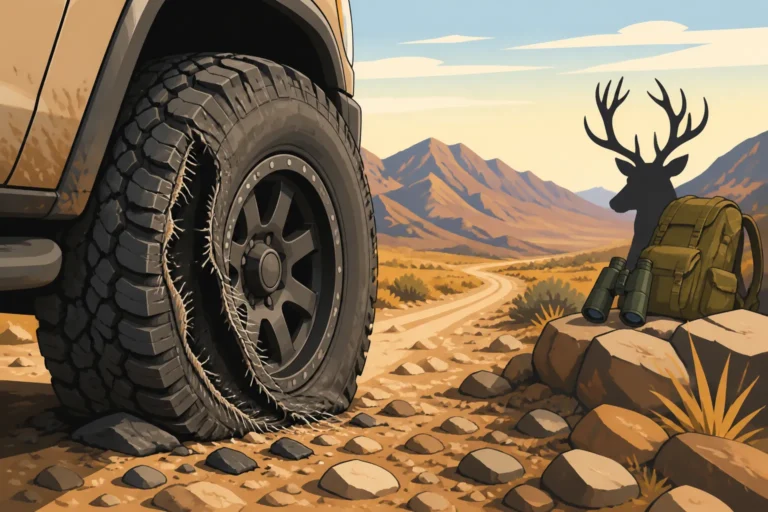
The Monitor Range is generally accessed from Nevada Highway 82, which runs up Monitor Valley on the east side, or from various state routes like Highway 376 on the west. These paved roads will get you to the base of the range, but the real hunting begins once you turn off onto the dirt. A high-clearance 4×4 vehicle is absolutely non-negotiable for navigating these backroads. Many of them are not regularly maintained and can be rocky, rutted, or washed out, especially after heavy rains or snowmelt. Don't push your luck; if a road looks questionable, it probably is.
Always carry extra fuel, multiple spare tires, and recovery gear. You'll be a long way from help if you get stuck or break down. I can't tell you how many stories I've heard (and lived a few myself!) of hunters underestimating Nevada's backroads. What looks like a short cut on a map can quickly become a multi-hour ordeal. Before you head out, make sure your vehicle is in top shape, and you have a solid understanding of its four-wheel-drive capabilities.
Wilderness and Wilderness Study Areas
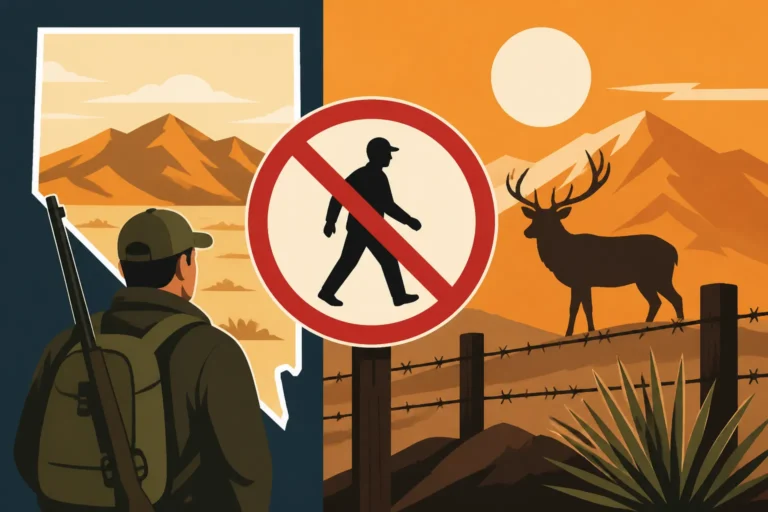
A significant portion of the Monitor Range is either designated Wilderness or Wilderness Study Areas (WSAs). This is crucial for hunters to understand, as it severely restricts motorized travel. In designated Wilderness, no motorized vehicles are allowed. This means if you want to hunt these areas, you'll be doing it on foot or with pack stock. WSAs typically have similar restrictions, although exact rules can vary. Always verify the specific regulations for the area you plan to hunt.
Mapping tools like onX Hunt are absolutely indispensable for identifying these boundaries. They clearly delineate public and private land, as well as wilderness areas, allowing you to plan your routes and access points effectively. You can mark potential trailheads and understand exactly where Motorized Travel Rules on Nevada Public Land come into play. There's nothing worse than driving miles down a rough road only to discover it leads into a wilderness area where you can't proceed with your vehicle. Use these tools to your advantage and avoid wasted time or, worse, a citation.
Topographic Maps and Satellite Imagery
Even with modern GPS and digital mapping, having a good old-fashioned paper map, and knowing how to read it, is a smart backup. Combine this with satellite imagery from tools like Google Earth or the aerial views on onX Hunt, and you can scout terrain, identify potential water sources, and plan approaches long before you ever set foot on the ground. Look for game trails, bedding areas on north-facing slopes, and natural funnels that animals might use. A thorough E-scouting session can save you days of unproductive walking once you're on site. You can also use Downloading Nevada Unit Boundary Layers to ensure you're always within your permitted hunting area.
| Access Type | Description | Vehicle Needed | Key Considerations |
|---|---|---|---|
| Paved Highways | Routes like NV-82 or NV-376 that border the range. | Any vehicle | Main entry points, but you'll quickly transition to dirt. Limited direct hunting access from here. |
| Main Dirt Roads | Well-established dirt roads, often maintained by the county or BLM, leading deeper into the range. | High-clearance 4×4 | Can be rough, rocky, and dusty. Critical for deeper penetration. Often have spurs leading to more remote areas. Carry spares and recovery gear. |
| Two-Track/Jeep Trails | Less maintained, often overgrown tracks used by hunters, ranchers, or prospectors. | High-clearance 4×4 | Require more caution. Can dead-end or become impassable. Great for getting away from crowds, but increase risk of getting stuck. Check onX Hunt for "roads" that might actually be ATV trails or closed. |
| Wilderness/WSA Trails | Foot-only trails leading into designated Wilderness Areas or Wilderness Study Areas. | Foot, horse, or pack animal | No motorized vehicles allowed. Deep backcountry hunting. Requires excellent physical conditioning and self-sufficiency. Plan for multi-day trips and consider Preparing Physically for Long Glassing Days and packing animals out on foot. |
Essential Planning for a Monitor Range Hunt
The sheer remoteness of the Monitor Range means that proper planning isn't just a good idea, it's a necessity for a safe and successful hunt. Forget about running to the convenience store for something you forgot; services are few and far between. This is self-sufficient country.
Water: The Ultimate Resource
Water is arguably the most critical factor when hunting anywhere in Nevada, and the Monitor Range is no exception. Natural springs, seeps, and even man-made guzzlers are few and far between, but they are absolutely vital for both wildlife and hunters. Planning your hunt around known water sources can significantly increase your chances of success, especially during warmer early seasons. Hunting Water in Nevada's Driest Country is not just a tactic, it's often the only tactic.
Always carry far more water than you think you'll need, both for yourself and for emergency vehicle use. Plan for at least a gallon per person per day, plus extra. Know how to purify water from natural sources, but never rely solely on them. Before your hunt, spend time with a good mapping system like onX Hunt or even topographical maps from Reading a Nevada Hunt Unit Before You Apply to identify and mark every potential water source. Tools like GoHunt can also provide insights into guzzler locations and historical game patterns around them, which is invaluable.
Supplies and Emergency Preparedness
Beyond water, your packing list for a Monitor Range hunt needs to be extensive. Think about:
- Fuel: Extra gas cans for your vehicle are non-negotiable. Distances between towns with fuel can be hundreds of miles.
- Food: Shelf-stable, high-energy food for multiple days, even if you plan a day hunt. Delays happen.
- Shelter: Whether it's a tent for camping or emergency bivvy sacks for unexpected overnights. Camping Rules on Nevada BLM Ground generally allow dispersed camping, but know the fire restrictions.
- First Aid: A comprehensive kit, and the knowledge to use it. Consider taking a wilderness first aid course.
- Navigation: GPS device with downloaded maps, paper maps, compass, and satellite messenger (e.g., Garmin inReach or Zoleo). Cell service is virtually non-existent in much of this range, so don't count on your phone.
- Vehicle Repair: Tools, tire repair kits, air compressor, jump starter, and basic spare parts. What Nevada Backroads Do to a Tire is a brutal lesson learned by many.
Being prepared for the unexpected is simply part of hunting in the Monitors. You're your own first responder, and sometimes, your only resource for miles around.
Physical Conditioning
Nevada hunting is a physical endeavor. The Monitor Range, with its steep climbs, rocky terrain, and high elevations, will test your stamina. Long days of glassing, followed by even longer stalks, require good cardiovascular fitness and strong legs. Don't underestimate the impact of elevation, especially if you're coming from sea level. Start a fitness routine well before your hunt, focusing on hiking with a loaded pack. This physical preparation is just as important as sighting in your rifle or practicing with your bow. Preparing for Long Days in Open Terrain isn't just about mental fortitude; it's about making sure your body is ready.
Developing Hunting Strategies Specific to the Monitor Range
With your gear squared away and your body ready, it's time to refine your hunting strategy for this unique environment. It’s a place where patience, persistence, and keen observation skills pay off.
Glassing is King
I’ve said it before, and I’ll say it again: in the Monitor Range, glassing is king. You simply cannot walk enough ground to effectively scout or hunt this vastness. You need to get to a high vantage point, settle in, and meticulously pick apart the landscape with quality optics. This means a good pair of 10x binoculars, a powerful spotting scope (20-60x or higher), and a sturdy tripod. Don't skimp on quality here; your eyes are your most important tool.
Spend hours behind your glass, focusing on areas with good feed, dense cover, and proximity to water. Look for movement, yes, but also for slight color changes, horizontal lines in vertical terrain, or the flick of an ear. Mornings and evenings are prime, but animals can be out at any time. When you spot an animal, don't immediately rush in. Observe its behavior, watch for other animals, and plan your approach carefully.
Stalking in Open Country
Once you've spotted your quarry, the stalk can be incredibly challenging in the Monitor Range's open, often sparse terrain. Using natural topography—rises, draws, rock outcrops, and even dense patches of sagebrush—to break up your silhouette is crucial. Wind direction is paramount; always stay downwind of the animal, even if it means taking a longer, more circuitous route.
Move slowly, deliberately, and be prepared to stop and observe frequently. Mule deer, especially, have an uncanny ability to disappear in seemingly minimal cover. If you lose sight of the animal during your stalk, freeze and reassess. Patience is your best friend. A good mapping tool can help you plan your stalk route by identifying natural cover and terrain features.
Timing Your Hunt with Animal Behavior
Understanding the seasonal movements and behaviors of the animals you're pursuing is a huge advantage. Early season archery and muzzleloader hunts during the Nevada's August Archery Deer Window can be hot, and animals will often be concentrated around water sources or higher in the cooler aspens. Later rifle seasons, particularly around the rut, offer different opportunities, as bucks and bulls become more active and less cautious in their search for mates.
Pay attention to weather patterns leading up to your hunt. Early snows can push animals down from higher elevations, concentrating them in specific wintering grounds. Conversely, a mild fall might mean animals stay higher longer. Flexibility in your strategy, based on current conditions, will serve you well in the Monitors.
Disclaimer
This article is for general informational purposes only and does not constitute professional advice. Laws, prices and regulations vary by location and change over time. Consult a qualified professional for guidance on your specific situation.