Pyramid Lake Paiute Hunting Permits
It's incredibly frustrating when you're trying to plan a hunt in Nevada, pouring over maps and regulations, only to hit a wall of confusion when it comes to tribal lands. Many hunters assume that if it's not private, it must be public, but that's simply not the case with Native American reservations. This guide will help clarify the specific requirements and considerations for hunting on Pyramid Lake Paiute lands, ensuring you understand the necessary permits and rules before you ever set foot on their territory.
Understanding Tribal Land Jurisdiction in Nevada
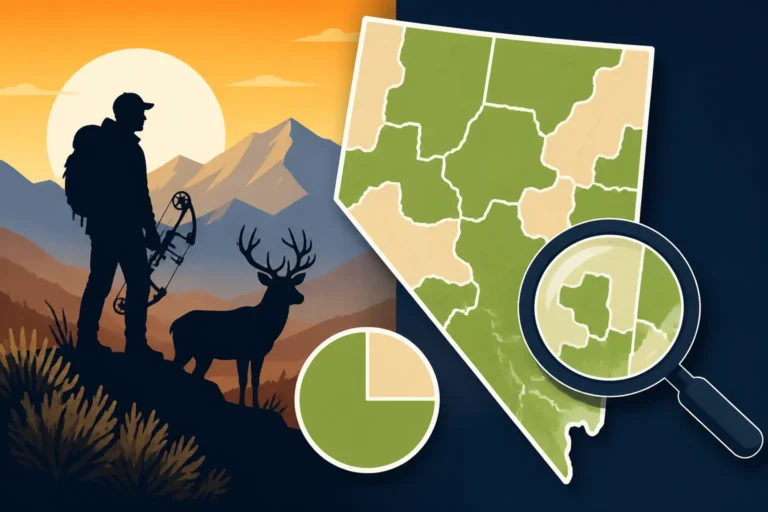
One of the biggest misconceptions for hunters heading out into the vast open spaces of Nevada is that "public land" is a monolithic entity. It's easy to look at a map and assume that everything not marked as private is fair game under state regulations. However, tribal lands, like those of the Pyramid Lake Paiute, operate under their own distinct jurisdiction, which can be a real curveball if you're not prepared.
The Sovereign Status of Tribal Nations
Imagine trying to hunt in a different state, or even a different country, without understanding their local laws. That's essentially what you're doing when you approach tribal lands without acknowledging their sovereign status. Native American tribes are recognized as distinct political entities, meaning they have the inherent authority to govern themselves and their lands. This includes managing natural resources, wildlife, and establishing their own hunting and fishing regulations, separate from the State of Nevada. It's a fundamental aspect of tribal sovereignty that hunters absolutely must respect. This means that your Nevada state hunting license, while crucial for state and federal lands, does not grant you access or hunting privileges on tribal reservations.
When you're looking at a map, especially with tools like onX Hunt, you'll see these areas clearly delineated. They're not just another type of public land; they are sovereign nations within the state's boundaries. This distinction is vital, as ignoring it can lead to serious legal consequences, not just with the tribe but potentially with federal authorities too, as trespassing on tribal lands can be a federal offense. It’s not just about rules and regulations, it's about acknowledging and respecting a distinct cultural and governmental authority.
Differences Between State and Tribal Regulations
The differences between state and tribal regulations can be extensive, covering everything from season dates and species allowed to weapon restrictions and permit costs. It's not uncommon for tribal seasons to open earlier or close later than state seasons, or to have different bag limits or antler restrictions. For instance, while Nevada might have specific dates for archery deer season, the Pyramid Lake Paiute Tribe might set their own, perhaps allowing a longer period or focusing on different units of their land.
Consider how complex it can be to navigate the general Nevada Legal Shooting Hours for Big Game or Baiting and Trail Camera Rules in Nevada on state and federal lands. Now, layer on another set of rules entirely. It’s not just an "extra step"; it’s often an entirely different framework. You might find that species requiring a draw permit in Nevada are available over-the-counter with a tribal permit, or vice versa. Some tribes might have stricter rules on vehicle access, camping, or even specific ethical guidelines that differ from broader state norms. It's why doing your homework beforehand is non-negotiable.
The Specifics of Pyramid Lake Paiute Hunting Permits
If you're eyeing the diverse landscapes around Pyramid Lake for a hunting adventure, you're looking at an area managed by the Pyramid Lake Paiute Tribe. Their lands offer unique opportunities, but they come with their own set of rules and, most importantly, their own permitting system. Getting a permit for these lands isn't just a suggestion; it's a legal requirement.
How Pyramid Lake Paiute Permits Work
To hunt on Pyramid Lake Paiute tribal lands, you absolutely need a tribal hunting permit issued directly by the Pyramid Lake Paiute Tribe. This is separate from and in addition to your standard Nevada state hunting license. Think of it like needing a special pass to enter a unique wildlife area that happens to be surrounded by general public land. The tribe manages its own wildlife populations, sets its own seasons, and dictates the terms under which non-tribal members can hunt.
Typically, you'll need to contact the Pyramid Lake Paiute Tribe's Fish & Wildlife Department directly to inquire about permits. They are the sole authority for issuing these permits, and you won't find them on the Nevada Department of Wildlife (NDOW) website or through the state's licensing system. Their website or direct contact is where you'll get the most accurate and up-to-date information on availability, application process, and costs. Be prepared for potentially different season structures and species availability than you might see for surrounding state lands. For instance, if you're interested in Chukar Is Nevada's Signature Upland Bird, the tribe might have specific areas or dates for chukar hunting that differ from the state.
Application Process and Requirements
The application process for a Pyramid Lake Paiute hunting permit is generally straightforward, but it does require proactive outreach from the hunter. You'll typically need to:
- Contact the Tribal Wildlife Department: This is your first and most crucial step. Seek out the Pyramid Lake Paiute Tribe's Fish & Wildlife Department's contact information. A phone call or email is often the best way to get started and request current permit information.
- Understand Available Hunts: Inquire about which species are open for hunting, during what seasons, and in which designated areas. They might have specific hunts for deer, waterfowl, or other game, each with its own permit structure.
- Review Regulations: Once you know what you want to hunt, ask for a copy of their current hunting regulations. This document is your bible for understanding legal shooting hours, weapon restrictions, bag limits, tagging requirements, and any specific ethical guidelines unique to the tribe. Do not assume state regulations apply.
- Complete the Application: Fill out any required application forms accurately. This will likely include your personal information, state hunting license number, and details about the hunt you're applying for.
- Pay Fees: There will be fees associated with tribal permits. These fees directly support the tribe's wildlife management and conservation efforts on their lands. While I can't give you exact numbers, expect them to be comparable to or sometimes higher than state license and tag fees, reflecting the unique access and management they provide. Always confirm the current fee structure directly with the tribe.
- Receive Your Permit: Once approved and paid for, your permit will be issued. Carry this permit with you at all times while hunting on tribal lands, alongside your state hunting license and any other required documentation.
It's a good idea to start this process well in advance of your desired hunt date, as there might be processing times, and permits for popular hunts could be limited. Using resources like GoHunt for general planning might give you a broader sense of Nevada's hunting calendar, but always cross-reference directly with the tribe for their specific opportunities.
Here's a quick comparison of general hunting requirements:
| Aspect | General Nevada Public Land Hunting | Pyramid Lake Paiute Tribal Land Hunting |
|---|---|---|
| Primary Authority | Nevada Department of Wildlife (NDOW) | Pyramid Lake Paiute Tribe Fish & Wildlife Department |
| Required License | Valid Nevada hunting license | Valid Nevada hunting license + Tribal hunting permit |
| Regulations Source | NDOW regulations, state laws | Pyramid Lake Paiute Tribe specific regulations |
| Season Dates | Set by NDOW | Set by Pyramid Lake Paiute Tribe, may differ from state |
| Bag Limits | Set by NDOW | Set by Pyramid Lake Paiute Tribe, may differ from state |
| Access Control | Generally open, follow public land rules | Restricted to permit holders, may have specific access points |
| Conservation Funds | State license/tag fees | Tribal permit fees directly support tribal wildlife management |
Planning Your Hunt on Pyramid Lake Paiute Lands
Once you've secured your Pyramid Lake Paiute hunting permit, the next step is planning your actual hunt. This involves careful consideration of the unique landscape, respectful interaction with the tribal community, and ensuring you adhere to all regulations, both tribal and state, that might apply.
Respecting Boundaries and Access Points
This is where your mapping tools become absolutely indispensable. While onX Hunt or similar applications are fantastic for showing Reading a Land Ownership Layer Correctly across all of Nevada, it is particularly crucial to accurately identify tribal land boundaries. These boundaries are not merely lines on a map; they represent the sovereign territory of the Pyramid Lake Paiute Tribe. Straying onto private land is always a no-go, but inadvertently crossing onto tribal land without the proper permit is an even more serious matter due to the distinct jurisdictional authority.
Before you go, precisely mark the tribal land boundaries on your maps. Identify designated access points, if any, that the tribe requires hunters to use. Some tribal lands might have gates or specific roads for access, and going off-road or entering from an undesignated point could be considered trespassing. Remember, these lands are often also home to tribal members, their homes, and their livelihoods. Treat every boundary with the utmost respect. This also means being acutely aware of where tribal lands might meet federal lands like BLM or Forest Service ground, where state regulations apply. You could be hunting state land one moment and cross into tribal land the next, requiring different permits and rules. Be mindful of areas that might be culturally sensitive or sacred to the tribe, even if not explicitly marked as off-limits.
Understanding Local Conditions and Terrain
Pyramid Lake and its surrounding Paiute lands offer a diverse range of habitats, from the desert lake itself to vast stretches of sagebrush flats and rugged hills. Just like any other hunt in Nevada, understanding the local conditions and terrain is paramount for safety and success. The area can be incredibly dry and hot, especially during early seasons. Knowing Hunting Water in Nevada's Driest Country is critical, not just for game, but for your own hydration and safety.
Consider the time of year you'll be hunting. Early season hunts, especially for archery, mean Heat Management on an August Archery Hunt is a primary concern. The terrain can be challenging, with sharp volcanic rock and deep washes. Research the specific unit or area you'll be permitted to hunt. Is it open basin and range, or more mountainous? This will inform your gear choices, from footwear to optics. For instance, Spotting Scope Power for Open Country will be far more useful in vast, open areas than in dense cover. Wildlife patterns will also be influenced by these conditions; understanding where animals seek shade, water, or feed can be key to locating them. Be prepared for remote conditions, as services and cell signal can be sparse.
Respecting Boundaries and Regulations on Tribal Lands
Hunting on tribal lands is a privilege, not a right, for non-tribal members. This privilege comes with a significant responsibility to not only follow the letter of the law but also to act with respect and understanding towards the Pyramid Lake Paiute Tribe and their cultural heritage.
Adhering to Tribal-Specific Rules
The regulations issued by the Pyramid Lake Paiute Tribe's Fish & Wildlife Department are the ultimate authority for hunting on their lands. These rules can differ from NDOW's statewide regulations, so it's critical to study them thoroughly before your hunt. For example, Youth Hunting Requirements in Nevada or Legal Shooting Hours and Blaze Orange in Nevada might have specific nuances on tribal land that differ from general state rules. Never assume state rules automatically apply.
Pay close attention to details like:
- Season Dates and Times: Are they different from state seasons for the same species?
- Bag Limits and Sex Restrictions: Does the tribe have different limits or specific requirements for antlered vs. antlerless animals?
- Weapon Restrictions: Are there any unique rules regarding firearm calibers, archery equipment, or muzzleloaders?
- Motorized Vehicle Use: Are there restrictions on where you can drive, similar to Wilderness Study Area Vehicle Limits on federal lands?
- Camping Rules: Does the tribe have specific designated camping areas or rules for dispersed camping?
- Harvest Reporting: Beyond state requirements, does the tribe have its own mandatory reporting system for harvested animals? This is often the case, and it helps them manage their local wildlife populations.
When in doubt, always err on the side of caution and consult directly with the tribal wildlife department. Their guidance is definitive.
Cultural Sensitivity and Environmental Stewardship
Beyond the written rules, a key part of hunting on tribal lands is demonstrating cultural sensitivity and acting as a good steward of the environment. These lands hold deep cultural and historical significance for the Pyramid Lake Paiute Tribe. Treat the land, its resources, and any cultural sites you might encounter with the utmost respect. This includes:
- Leaving No Trace: Pack out everything you pack in, and perhaps even a little more. Keep campsites clean and pristine.
- Respecting Sacred Sites: If you encounter any historical markers, rock art, or other signs of cultural significance, observe them from a distance and do not disturb them in any way. If a specific area is identified as culturally sensitive or off-limits, respect that designation without question.
- Interacting with Tribal Members: If you encounter tribal members, be polite, respectful, and friendly. Remember that you are a guest on their land.
- Ethical Hunting Practices: Uphold the highest standards of fair chase and ethical hunting. This is always important, but particularly so when representing the broader hunting community on another sovereign nation's land.
Hunting on Pyramid Lake Paiute lands is an incredible opportunity to experience Nevada's wildlife in a unique setting and to learn about a different approach to wildlife management. By diligently obtaining the correct permits, understanding and adhering to tribal regulations, and demonstrating profound respect for the land and its people, you ensure that these opportunities remain available for future generations and foster a positive relationship between hunters and the tribal community. It's a chance to truly immerse yourself in a rich natural and cultural landscape, and a responsible hunter will cherish that experience above all else.
Disclaimer
This article is for general informational purposes only and does not constitute professional advice. Laws, prices and regulations vary by location and change over time. Consult a qualified professional for guidance on your specific situation.