How Wild Horse Herds Affect Access Roads
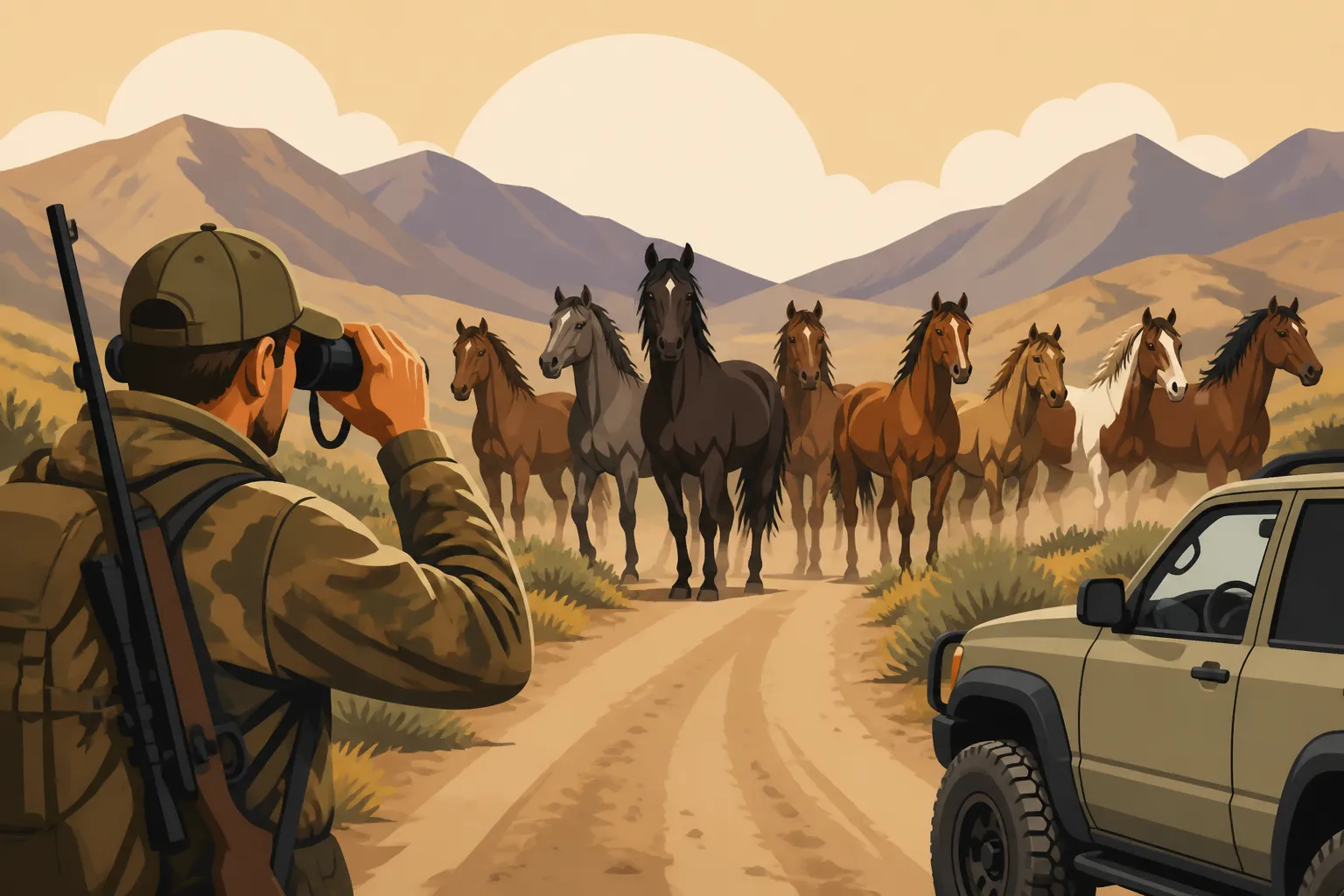
One of the most frustrating things about hunting Nevada's vast public lands is thinking you've got a solid route to your glassing spot or trailhead, only to find the "road" has become a pulverized mess or a deeply rutted obstacle course. Often, this isn't due to heavy equipment or seasonal flooding alone, but the relentless, cumulative impact of wild horse herds using those same access roads as their daily pathways, watering routes, or even just their personal thoroughfares across the landscape. This guide will walk you through understanding how these magnificent, yet impactful, animals can transform your planned access and how you can prepare for and mitigate those challenges to keep your Nevada hunting adventure on track.
The Undeniable Impact of Wild Horses on Nevada's Backroads
It's a romantic thought, seeing wild horses roaming free across the Nevada sagebrush, and indeed, they are a powerful symbol of the West. But for those of us trying to access remote hunting units, their presence, especially in concentrated numbers, can mean the difference between an easy drive to your intended spot and a vehicle-shaking, tire-shredding crawl that eats up precious hunting time. Their impact on the fragile desert ecosystem extends well beyond vegetation, directly affecting the very roads we rely on.
Erosion and Rutting from Constant Movement
Think about hundreds, or even thousands, of hooves traveling the same paths day in and day out, year after year. These aren't lightweight deer; these are heavy, powerful animals. Their constant pounding on unpaved roads, especially those built on silty or sandy soils, creates a unique kind of wear and tear.
When the ground is dry, the constant friction and weight pulverize the surface into fine dust. This might not sound like a problem until you try to drive through a foot or more of what feels like talcum powder. Your vehicle sinks, traction is compromised, and the dust chokes air filters and coats every surface. Then, when a precious desert rain finally falls, that fine dust instantly turns into a slick, bottomless mud. The horses continue to travel, their hooves churning the mud into deep, often offset ruts that are incredibly difficult to navigate. You find yourself trying to straddle huge ruts that are just a little too wide for your rig, or you're forced to drop a tire into one, risking damage to your undercarriage. I've personally seen areas where what was once a two-track became a veritable trench system from horse traffic, making even a high-clearance 4×4 feel like a lowrider. These conditions can chew up tires quickly, and a flat tire in a remote area is the last thing you want. Vehicle Prep for Remote Nevada Roads is crucial here.
Damage to Water Crossings and Drainage
Nevada's backroads often cross washes, small creeks, or areas where seasonal water flows. These crossings are almost always low-water fords or simple culverts, designed for occasional vehicle traffic and natural water movement. Wild horse herds, however, treat these areas as regular crossing points and vital water sources.
Their congregating near water means the banks and approaches to these crossings get heavily trampled and eroded. This weakens the structural integrity of the crossing itself. When horses repeatedly churn up a muddy ford, they deepen the ruts and expand the soft areas, making it wider and more challenging to cross. In extreme cases, they can expose culvert pipes, dislodge rip-rap, or simply deepen the ford so much that it becomes impassable for standard hunting vehicles, especially if you're pulling a trailer. I've encountered small culverts completely plugged with mud and debris from horse activity, causing water to back up and flood sections of the road or create new, unexpected channels. What might look like a simple, dry wash crossing on your map could be a major bog created by a herd watering there every day.
Scouting and Preparation for Horse-Affected Areas
You can't control where the wild horses roam, but you can control your preparation. Understanding the potential for horse impacts on your chosen unit's access roads starts long before you ever turn the key in your truck.
E-Scouting for Horse Sign and Potential Damage
Modern e-scouting tools are invaluable for anticipating road conditions. While you won't see individual horse droppings from satellite imagery, you can look for patterns that indicate heavy horse use. Start by identifying potential horse habitat: areas with perennial water sources, open plains for grazing, and broken terrain for shelter. Then, trace the roads that lead through or near these areas.
Look for wide, braided trails leading to water sources. Zoom in on areas where roads cross washes or pass through low, marshy ground – these are prime spots for horse damage. If you see roads that appear wider than normal, or with indistinct edges that blur into the landscape, it could be an indicator of widespread trampling. Pay attention to fence lines; horses often travel parallel to them, creating worn paths that widen into the roadbed. Tools like onX Hunt allow you to layer satellite imagery with public land boundaries and roads, giving you a comprehensive view of the terrain. Comparing current satellite images with older ones can sometimes reveal developing erosion patterns. E-Scouting a Nevada Unit Before the Season is critical for this.
Researching Unit Conditions and Local Reports
Beyond satellite imagery, active research can provide clues. Check hunting forums, local social media groups, and even contact the local Bureau of Land Management (BLM) office or Nevada Department of Wildlife (NDOW) for current road conditions. Sometimes, road closures or extreme conditions are posted, but often, the more subtle degradation caused by horses isn't officially noted unless it completely closes a road.
Talk to hunters who have recently been in the unit you're targeting. They might have first-hand accounts of deep ruts, impassable mud holes, or particularly dusty stretches. When you're talking about Remote Road Conditions Across Nevada, it's often the anecdotal evidence from fellow hunters that truly paints the picture. Consider the timing of your hunt: an early archery hunt in August means roads are likely bone-dry and dusty, while a late-season rifle hunt might coincide with snowmelt or winter rains, turning horse-impacted roads into muddy nightmares. Checking specific unit information on platforms like GoHunt can sometimes offer insights into general accessibility, though specific horse impacts might require deeper digging.
Navigating and Mitigating Road Damage
Even with the best scouting, you might encounter unexpected road conditions. Knowing how to safely navigate these situations and having the right gear can save your hunt.
Essential Gear for Rough Roads
Before you even leave the pavement, ensure your vehicle is equipped for rough conditions. Heavy-duty tires with good sidewall protection are a must; standard highway tires won't stand up to the sharp rocks and deep ruts. A full-size spare tire, a capable jack, and a tire repair kit are non-negotiable.
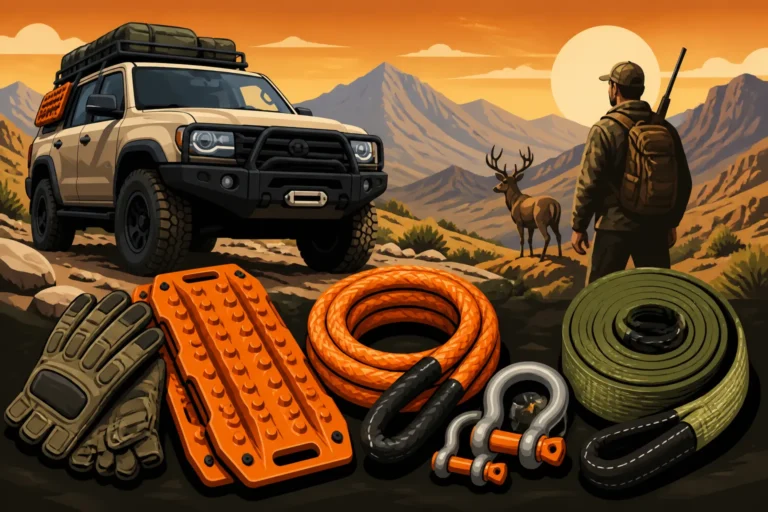
Beyond tires, consider recovery gear. A shovel is essential for digging out of ruts or mud. Traction boards can provide purchase when tires spin. A winch, if you have one, can be a lifesaver, but at minimum, a heavy-duty tow strap and shackles are crucial for self-recovery or getting a pull from another vehicle. Carrying extra fuel and water is always wise in Nevada's remote units, regardless of road conditions, but especially when you anticipate slow, challenging travel. Carrying Extra Fuel on a Nevada Hunt could be the difference between making it to camp or getting stranded. Also, make sure you understand Motorized Travel Rules on Public Land to avoid accidental violations while trying to navigate around bad spots.
| Road Condition | Wild Horse Contribution | Hunter's Challenge | Mitigation Strategy |
|---|---|---|---|
| Deep Dust Ruts | Constant hoof traffic pulverizes dry soil into fine dust. | Vehicle sinks, poor traction, dust clouds impair vision. | Slow speed, maintain momentum, consider airing down tires slightly (re-inflate later). |
| Slick Mud Ruts | Dry dust turns to deep mud after rain; hooves churn it into deep, uneven ruts. | Loss of traction, vehicle gets stuck, risk of undercarriage damage. | High clearance, 4WD/AWD engaged, follow existing tracks if safe, use traction boards. |
| Eroded Crossings | Trampling at water sources weakens banks, deepens fords, exposes culverts. | Increased water depth, unstable banks, risk of getting high-centered. | Scout crossing on foot, assess water depth, choose best line, maintain steady speed. |
| Braided Trails | Herds create multiple faint tracks instead of a single road. | Confusion about main road, increased chance of driving off-route, wider damage. | Use GPS with detailed maps (e.g., onX Hunt), stick to the most defined track, be alert. |
| Exposed Rocks/Debris | Erosion washes away fine soil, leaving larger, sharper rocks exposed. | Puncture risk to tires, damage to suspension. | Drive slowly, pick lines carefully, avoid sharp objects, high clearance helps. |
Driving Strategies for Horse-Damaged Roads
When you inevitably encounter roads impacted by wild horses, adaptability is key. First and foremost, slow down. Speed is the enemy of rough roads. Drive deliberately, picking your lines carefully to avoid the deepest ruts and largest obstacles.
In dusty conditions, maintain a safe following distance from other vehicles (or even just the dust you're kicking up) to preserve visibility. When it's muddy, engage four-wheel drive early, before you get stuck. Use lower gears to maintain control and momentum. If you encounter deep ruts, try to keep your tires on the "high ground" between them if possible. If you must drop into a rut, commit to it and keep a steady pace; sudden braking or acceleration can cause you to lose control or dig in deeper. If a section looks too difficult, don't be afraid to stop and scout it on foot. Sometimes, a quick walk can reveal a safer line or confirm that it's simply impassable, saving you a much more difficult recovery. Always remember to respect private property boundaries; even if a wild horse herd has made a mess of things, Reading a Nevada Unit Boundary is crucial to stay legal.
Ultimately, hunting Nevada's wild country is about embracing the challenges it presents. Wild horses are a part of that landscape, and understanding their impact on access roads is just another layer of preparation that separates the successful, prepared hunter from the one stuck calling for a tow in the middle of nowhere.
Disclaimer
This article is for general informational purposes only and does not constitute professional advice. Laws, prices and regulations vary by location and change over time. Consult a qualified professional for guidance on your specific situation.