Finding Low Pressure Ground on Opening Weekend
Opening weekend in Nevada can often feel less like a peaceful hunting excursion and more like a crowded carnival, especially when everyone has their sights set on the same, easily accessible spots. That initial rush to the mountains or the desert can quickly turn frustrating when you find trucks already parked where you intended to glass, or other hunters appearing over the ridge just as you start your stalk. But fear not, my fellow hunter; this guide is all about giving you the strategies and insights to escape that initial pressure and find those quieter, more productive pieces of ground that most folks overlook.
Understanding the Pressure Points
Before we can effectively avoid the crowds, we first need to understand where and why they congregate. Hunters, by and large, are creatures of habit and convenience. This isn't a judgment, just an observation born from many years in the field, watching how patterns emerge on opening day. If you know these common pressure points, you can consciously choose to go the other way, often leading to a much more rewarding experience.
Road Access and Proximity to Pavement
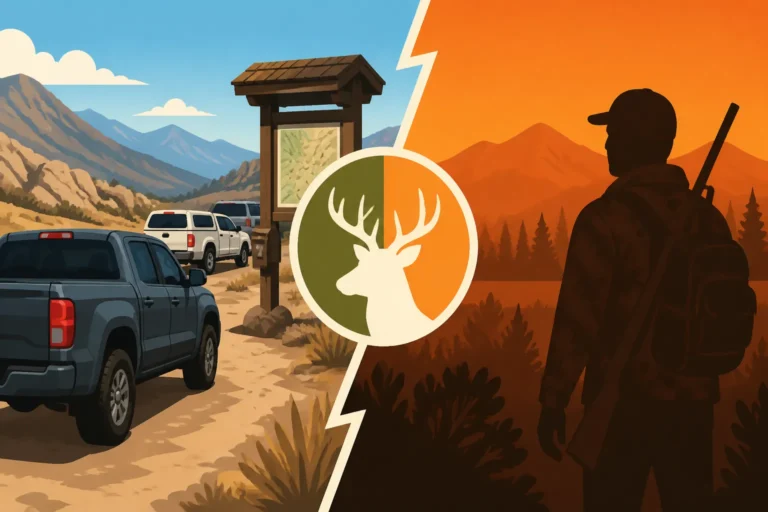
It's a simple truth: the vast majority of hunters aren't going to venture far from their vehicles. If a road, whether paved or a reasonably maintained dirt track, leads into good-looking country, you can bet there will be boots on the ground nearby. These easily accessible areas, especially those visible from main arteries, are often the first to be hunted out or simply filled with other groups. Think about those units with a dense network of two-track roads or those main canyon bottoms that are easily driven. They offer convenience, yes, but they also bring company, and that company often spooks game or puts deer and elk on edge almost immediately. The further you are willing to walk from the nearest vehicle access, the less competition you will generally encounter. This doesn't mean you need to backpack in five miles for every hunt, but even going a mile or two deeper than the average hunter can make a world of difference. It's about finding that sweet spot where the effort deters most, but not you. Understanding Motorized Travel Rules on Nevada Public Land is key here, so you know where you can drive and where you must walk.
Water Sources
Nevada is a dry state, there's no two ways about it. In many units, especially during early seasons like archery or early muzzleloader, water is a critical resource for all wildlife. This makes natural springs, man-made guzzlers, and even ephemeral seeps absolute magnets for deer, elk, and antelope. And where the game gathers, so do the hunters. On opening weekend, these crucial water sources can become prime ambush points, often attracting multiple groups trying to capitalize on the animals' predictable need to drink. While hunting near water can be incredibly effective, if you choose a known water source on opening day, you must expect company. It’s important to research and understand Hunting Water in Nevada's Driest Country to anticipate where game will be concentrated. The trick to finding low pressure near water often involves looking for less obvious, smaller seeps, or simply hunting a bit further from the main water sources, intercepting animals as they travel to and from.
Popular Trailheads and Known Hotspots
Every unit has its "spot" – that canyon, that ridge, that basin that has produced a big buck or bull in the past, or simply gets talked about a lot online. These areas often correspond with established trailheads or popular points of entry into more remote country. When the season opens, these spots become literal funnel points for hunters eager to test their luck in proven territory. The problem is, animals aren't stupid. They learn quickly where the pressure is coming from. The initial flurry of activity can push game out of these well-known zones and into quieter, overlooked pockets of habitat. Relying solely on past reputation or general knowledge without doing your own deep dive can lead you straight into a crowd. This is where advanced scouting and digital tools become invaluable, helping you identify these popular zones and, more importantly, finding the less-trafficked alternatives.
Strategies for Escaping the Crowds
Now that we understand where the crowds go, let's talk about how to avoid them. Finding low-pressure ground isn't just about luck; it's a deliberate strategy that combines physical effort, careful planning, and a willingness to think differently.
Going Deeper and Harder
This is perhaps the most fundamental and effective strategy for finding low-pressure ground. The further you are willing to walk, and the more elevation you're willing to gain, the fewer other hunters you will encounter. Most people are limited by time, physical conditioning, or simply a lack of desire to push beyond a certain comfort zone. Your advantage lies in pushing past that. Consider glassing into basins that require a significant hike to access, or targeting ridges that demand a steep climb. These areas, while physically demanding, often hold undisturbed animals that have been pushed out of more accessible country.
This doesn't always mean a multi-day backpacking trip, though that's certainly an option for some units. Even a two or three-mile hike beyond the end of the dirt road, combined with some serious vertical gain, can put you into pockets of wilderness that see minimal human traffic on opening weekend. Remember, Packing an Animal Out of Roadless Country is a significant consideration, but the reward of finding unpressured game often outweighs the challenge. Your boots are your best tool for reducing pressure.
Targeting Lesser-Known Habitat
Sometimes, the animals aren't just deeper, they're in places that don't look "sexy" on a map or to the casual observer. This could mean hunting smaller, fragmented patches of cover instead of vast timber stands. It might mean focusing on areas with thicker, nastier sagebrush that's difficult to navigate, rather than the picturesque open hillsides. Or perhaps it's an isolated pocket of aspens in a remote canyon. While everyone else is focused on the classic textbook habitat, savvy hunters will look for those overlooked or difficult-to-access areas that still provide essential food, cover, and water for game.
These "ugly" spots can be sanctuaries for animals seeking refuge from the initial hunting pressure. Think about north-facing slopes with dense cover, steep drainages with broken terrain, or small, hidden draws that don't connect to larger systems. These are the kinds of places where a mature animal might hunker down and ride out the storm of opening weekend. Still Hunting Aspen Pockets for Deer or navigating dense juniper stands might not be as glamorous as glassing a wide-open basin, but it can be incredibly effective when seeking solitude.
Timing Your Approach
While opening weekend is often a mad dash, how you time your approach within that weekend can also make a difference. Many hunters hit the ground running at first light on Saturday, and often by Sunday afternoon, the initial enthusiasm wanes, and many begin to head home. If you have the flexibility, consider starting your hunt mid-day Saturday after the initial rush has settled, or even plan to hunt Monday and Tuesday if the season extends. The middle of the week, even just a few days after opening, can often see a significant drop in hunter numbers, as many folks have used their weekend time and returned to work.
Also, consider your daily timing. While first light is undeniably productive, don't overlook the middle of the day. Many hunters retreat to camp during the harsh Nevada midday sun, leaving quiet windows of opportunity, especially in areas where animals might be moving to water or transitioning between bedding and feeding areas. This requires patience and often a good glassing setup to pick apart the terrain from a vantage point. Learning the Best Time of Day to Glass a Basin can help you capitalize on these quieter periods.
| Feature | High-Pressure Areas (Opening Weekend) | Low-Pressure Areas (Opening Weekend) |
|---|---|---|
| Access | Close to paved roads, well-maintained dirt roads, popular trailheads. | Remote dirt roads, roads requiring 4×4, significant walk-in, difficult terrain. |
| Water Sources | Major springs, known guzzlers, large stock tanks. | Small seeps, ephemeral puddles, obscure water developments. |
| Terrain | Open, accessible ridges and valleys, gentle slopes. | Steep, broken country, dense thickets, deep canyons, high elevation. |
| Game Behavior | Skittish, nocturnal, quickly pushed to remote cover. | More natural movement, less wary, may hold longer in open. |
| Hunter Density | High, frequent encounters with other groups and vehicles. | Low, solitude is common, infrequent encounters. |
| Effort Required | Moderate to low. | High physical exertion, advanced navigation skills. |
Tools and Techniques for Reconnaissance
In the modern age of hunting, "reconnaissance" doesn't just mean driving around. It involves a sophisticated blend of digital tools and historical data that can provide an incredible advantage in identifying those low-pressure gems before you even set foot in the field.
Digital Mapping Applications
This is where applications like onX Hunt truly shine. Gone are the days of relying solely on paper maps, though they still have their place as a backup. With an app like onX Hunt, you can spend hours e-scouting from your couch, pinpointing potential low-pressure areas. Look for public land parcels that are landlocked or have limited road access. Identify drainages that are particularly steep and difficult to navigate, or areas with dense, dark timber where animals might seek refuge. You can use satellite imagery to spot subtle terrain features like benches, saddles, and hidden pockets that might not be obvious on a topographic map alone. This deep dive into E-Scouting a Nevada Unit Before the Season is critical.
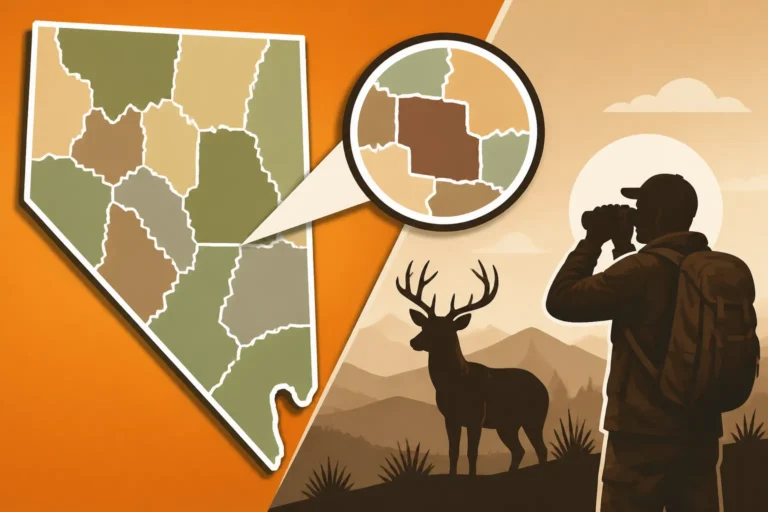
Layer functions allow you to see land ownership, roads, trails, wilderness boundaries, and even historical fire data, all of which are invaluable. You can mark potential water sources, create custom waypoints for glassing knobs or potential bedding areas, and plan out your hiking routes to avoid well-trafficked trails. By understanding Reading a Nevada Unit Boundary Map and downloading boundary layers, you can ensure you're always on public land and away from others.
Utilizing Draw Statistics and Harvest Reports
Data, my friends, is power. Websites like GoHunt provide incredibly detailed draw statistics and harvest reports that can offer a window into hunter behavior and success rates within specific units. While this data won't tell you exactly where to hunt, it can tell you which units tend to have lower hunter densities, or perhaps which units show consistent success for those willing to work harder.
When you're looking at draw odds and harvest success, pay attention to the number of tags issued and the total number of hunters in a unit. A unit with a lower number of tags and lower hunter density might naturally experience less pressure overall. Conversely, a unit with a reputation for big animals that issues many tags is likely to be swamped on opening weekend. This data can help you make informed decisions about which units to even apply for, pushing you towards those that offer a better chance at solitude from the start. Taking the time for Checking Nevada Draw Odds Before You Apply can save you a lot of frustration later.
Satellite Imagery and Topographic Maps
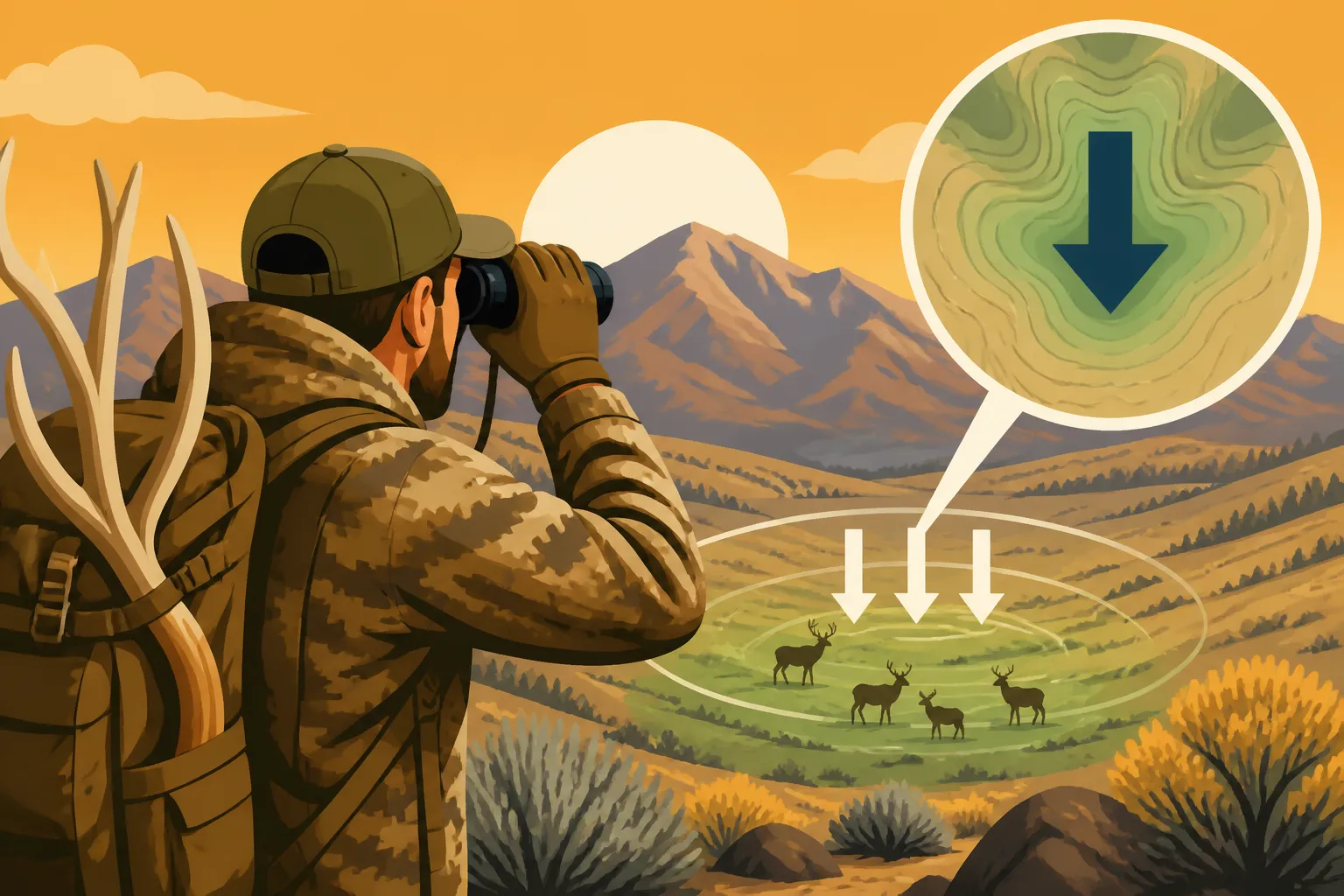
While integrated into digital apps, it's worth highlighting the pure power of satellite imagery and detailed topographic maps (both digital and paper). These tools allow you to "see" the landscape from above, identifying key features that indicate potential low-pressure areas. Look for areas where the contour lines are tightly packed, indicating steep terrain. These are natural barriers to many hunters. Search for variations in vegetation: thicker, darker green areas often indicate denser cover or north-facing slopes that hold moisture and offer cool bedding.
Pay close attention to how draws and ridges connect. Can you spot a series of small, broken ridges that are difficult to traverse, but might offer a circuitous route to a hidden basin? Can you find a small, isolated bench high up a mountain that's difficult to reach but might offer a secluded feeding spot? Use the grid method of glassing, but apply it to your maps first to mentally break down a unit into manageable sections, identifying escape routes and overlooked corners. This systematic approach, similar to The Grid Glassing Method, Step by Step, can reveal spots that are truly off the beaten path.
The Low-Pressure Hunter's Mindset
Finding low-pressure ground isn't just about where you go or what tools you use; it's fundamentally about the mindset you adopt. It requires a certain mental toughness, a willingness to be uncomfortable, and a deep appreciation for the unique rewards that come from earning your hunt away from the crowds.
Embrace the Grind
Let's be honest: finding low-pressure ground often means putting in more effort than the average hunter. It means longer walks, steeper climbs, and carrying heavier packs. It means being prepared for unexpected challenges, whether that's a flat tire on a remote dirt road or a sudden shift in weather. This isn't a leisure activity; it's a physical and mental endeavor. But embracing this "grind" is precisely what separates the successful low-pressure hunter from the frustrated weekend warrior.
You'll need to be physically prepared for those long days of hiking and glassing. Don't underestimate the physical demands of Preparing Physically for Long Glassing Days in Nevada's rugged terrain. It also means packing the right gear, from sturdy boots capable of handling Choosing Boots for Sharp Volcanic Rock to enough water to sustain you through a long day in the desert heat. Water You Must Carry on a Desert Day Hunt cannot be overstated. When you accept that the challenge is part of the reward, the effort becomes less of a chore and more of a pilgrimage to solitude.
Adaptability and Persistence
Nevada's landscape is vast and can be unpredictable. What looks good on a map might turn out to be impenetrable brush or unexpectedly steep once you're on the ground. You might encounter other hunters despite your best efforts, or find that the game simply isn't where you expected them to be. The low-pressure hunter doesn't get discouraged by these setbacks; they adapt.
This might mean changing your planned route on the fly, moving your camp to a different drainage, or simply trying a new strategy. It requires a deep well of persistence – the willingness to keep going, to put one foot in front of the other, to glass one more ridge, even when success seems elusive. The animals that live in low-pressure areas are often mature and wise, making them a challenge to find and stalk. Your persistence is often the key that unlocks these opportunities.
The Reward of Solitude and Success
Ultimately, the goal of finding low-pressure ground is twofold: to enjoy the unique solitude that comes from truly being alone in the wilderness, and to increase your chances of finding unpressured, sometimes larger, game. There's a profound satisfaction in spotting a buck or bull in a remote basin, knowing that you're likely the first hunter to lay eyes on him that season. The stalk is cleaner, the animals are less wary, and the entire experience feels more authentic and earned.
The quiet, the vastness of the Nevada landscape, the feeling of self-reliance – these are the intangible rewards that come with seeking out those less-traveled paths. While a filled tag is always a great outcome, the true prize of hunting low-pressure ground is often the journey itself, the deep connection to nature, and the knowledge that you carved out a unique experience far from the clamor of the crowds.
Disclaimer
This article is for general informational purposes only and does not constitute professional advice. Laws, prices and regulations vary by location and change over time. Consult a qualified professional for guidance on your specific situation.