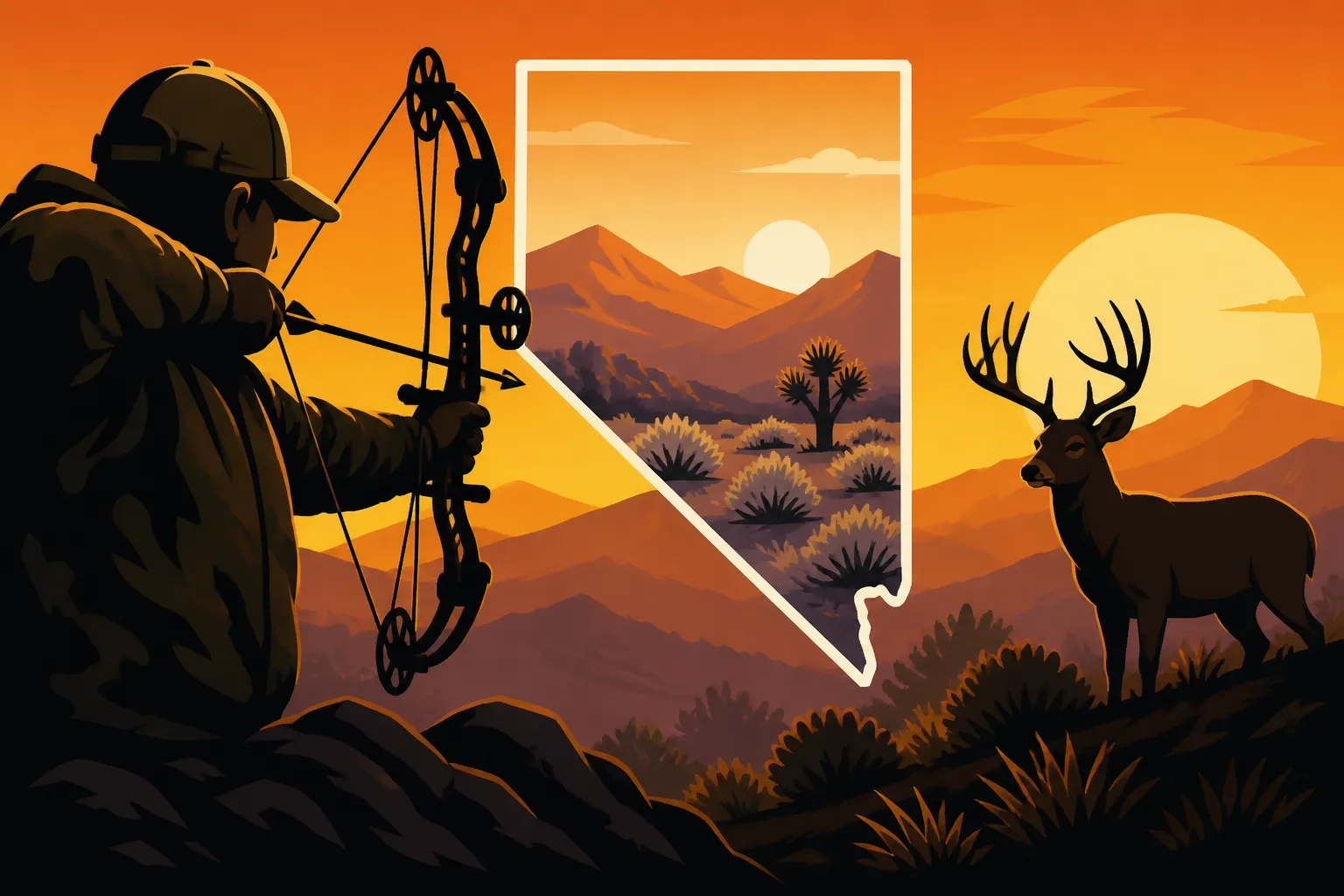
Nevada’s August Archery Deer Window
The Nevada summer can feel like a furnace, especially when you're dreaming of chasing mule deer with a bow. The thought of an August archery hunt often conjures images of shimmering heatwaves and bone-dry landscapes, making many hunters wonder if it's even feasible. This comprehensive guide will walk you through everything you need to know to not just survive, but potentially thrive, during Nevada's challenging yet rewarding August archery deer window.
Embracing Nevada's August Archery Deer Window
Nevada's August archery deer season is a unique beast, offering a distinct challenge and opportunity compared to later hunts. While many dream of crisp fall mornings and rutting bucks, the early season demands a different kind of preparation and mindset. It's a time when the desert shows its true colors, and only the most dedicated and adaptable hunters find success. Understanding the specific regulations and the reasoning behind them is your first step.
The Specific Dates and Why They Matter
Generally, Nevada's archery deer season in August kicks off around the second week of the month and typically runs for a couple of weeks. For specific dates, you'll always want to check the current year's Nevada Department of Wildlife (NDOW) regulations. These dates are carved out to provide bowhunters an exclusive opportunity before the muzzleloader and rifle seasons begin. This earlier window often coincides with relatively predictable deer patterns, largely dictated by heat and water, which can be a huge advantage for an observant hunter. However, it also means you're dealing with the peak of summer temperatures.
Many hunters are curious about when Nevada Archery Deer Season Opens and when Nevada Archery Deer Season Closes. The exact dates can shift slightly from year to year, so always confirm with NDOW. This early season timing is critical because it avoids the hunting pressure of later seasons, allowing deer to behave more naturally, albeit under the intense conditions. It's a short, sweet window that demands your full attention and strategic planning to maximize your chances.
The "Archery Only" Rule Explained
The designation of "archery only" for this August window isn't just a suggestion; it's a strict regulation. During this period, only traditional archery equipment – bows and arrows – are permitted for hunting big game, specifically deer. This means no crossbows (unless you have a documented disability permit), no firearms, and no muzzleloaders. The intent is to provide a truly primitive weapon hunt, emphasizing stalking skills, close-range shooting, and a deep understanding of deer behavior.
It's crucial to adhere to the Minimum Bow Draw Weight for Big Game and Broadhead Requirements for Bowhunting set by NDOW. These regulations ensure humane kills and maintain the integrity of the hunt. Many archers also ask, Are Expandable Broadheads Legal? The answer in Nevada is yes, as long as they meet the minimum cutting diameter and other specifications. This "archery only" rule funnels hunters into a specific skill set and often pushes them into more remote, less accessible areas where deer might feel less pressure. It creates a unique challenge that many bowhunters relish, providing an experience that's distinct from the general rifle seasons.
Overcoming the Harsh Realities of Early Season
Let's be real: hunting in August in Nevada is not for the faint of heart. The conditions are brutal, and they demand respect. The biggest hurdles are undoubtedly the scorching temperatures and the scarcity of water, which not only affect you but also dictate every move the deer make. Acknowledging and preparing for these realities is paramount to your success and safety.
The Relentless August Heat
The Nevada desert in August is an oven. Daytime temperatures routinely soar into the high 90s and often well into the triple digits, especially in the lower elevations where many units hold deer. This extreme heat doesn't just make you uncomfortable; it's a genuine threat. Heat exhaustion and dehydration are serious concerns that can quickly turn a dream hunt into a nightmare. You'll sweat more than you ever thought possible, and every physical exertion will be amplified. This means your movements need to be precise, your stalks efficient, and your breaks strategic.
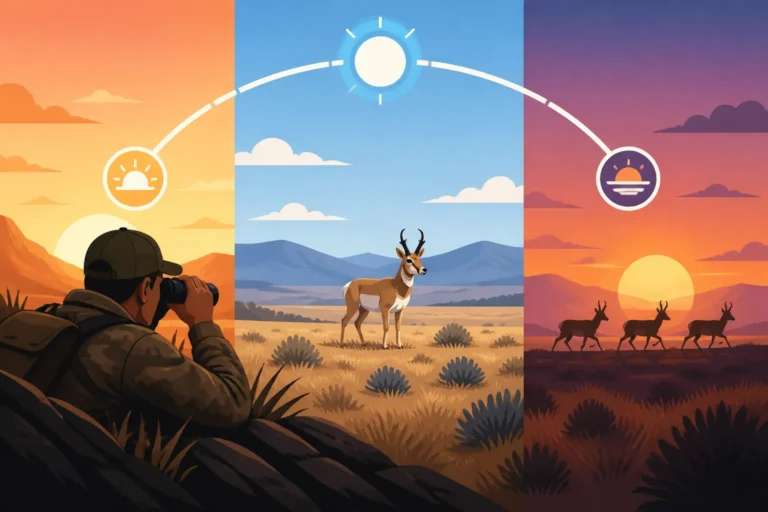
For practical advice on managing the heat, you'll want to dive into specifics about Heat Management on an August Archery Hunt. The early mornings and late evenings offer brief respites, but even then, the ground can radiate heat, and the air remains heavy. This is why many successful August bowhunters adapt their schedule, often starting well before dawn and hunting only the first few hours, then retreating to shade or camp during the mid-day inferno, only to return for the last couple of hours before dusk. This relentless heat profoundly influences deer behavior, pushing them into thick cover and making them almost entirely nocturnal or crepuscular, restricting their movement to the coolest parts of the day.
Unlocking the Mystery of Water Sources
In an arid environment like Nevada, water is life, and during the dry August, it becomes the single most critical factor influencing deer distribution and movement. Natural springs, seeps, and man-made guzzlers become magnets for all wildlife, including the mule deer you're after. These water sources are often few and far between, concentrating animals in predictable patterns. Finding and understanding these vital locations is like discovering a secret map to success.
Many experienced hunters rely on mapping tools like onX Hunt or even resources from GoHunt to identify potential water sources. This pre-hunt scouting is invaluable. You need to know how to effectively find Sitting Water in Nevada's Dry Units. It's not just about finding a water source; it's about understanding its reliability, how often deer visit it, and how to approach it without being detected. Reading Water Sources Before an August Hunt can save you countless hours of unproductive glassing and stalking. Deer will hit water at predictable times, usually early in the morning or late in the evening when temperatures are cooler. Knowing this gives you a huge advantage, allowing you to set up for an ambush or plan your stalk around their hydration needs. Remember, these water sources can be heavily pressured by other animals, including livestock, so fresh sign is key.
Essential Preparations for August Archery Success
Success in Nevada's August archery window isn't just about showing up with a bow. It's about meticulous planning, physical readiness, and having the right tools for the job. The preparation you put in before you ever leave home will directly correlate to your experience in the field. Don't underestimate the unique demands of this season.
Your Scouting Advantage with Modern Tools
In the vast expanses of Nevada's public lands, trying to find deer without a solid scouting plan is like looking for a needle in a haystack. This is where modern E-scouting techniques become absolutely indispensable. Before you even set foot in your chosen unit, spend hours pouring over satellite imagery, topographical maps, and public land ownership layers. Platforms like Google Earth, onX Hunt, and resources found on GoHunt allow you to identify potential water sources, bedding areas, travel corridors, and even subtle terrain features that might concentrate deer or provide cover for a stalk.
Learning how to perform E-Scouting a Nevada Unit Before the Season is a game-changer. Look for north-facing slopes with pockets of thicker cover, which often hold cooler temperatures and provide shade during the hottest parts of the day. Identify draws and saddles that deer might use to travel between feeding and bedding areas. Mark every potential water source, from known springs to man-made guzzlers. Use historical weather data to understand prevailing wind patterns for your hunt dates. This digital reconnaissance allows you to narrow down your focus dramatically, saving precious time and energy when you're physically in the field, especially when you consider the sheer scale of the units described in Reading a Nevada Hunt Unit Before You Apply.
Physical Demands and Hydration Strategies
Hunting in Nevada's August heat is a grueling physical challenge. You're not just walking; you're often ascending steep, rocky terrain, frequently under a relentless sun, all while carrying a pack. This demands a high level of physical conditioning. Forget your typical gym routine; focus on hiking with a loaded pack, incorporating elevation changes, and spending time on your feet for extended periods. The better shape you're in, the more effectively you can hunt, push through discomfort, and stay sharp when that shot opportunity finally arises.
Equally important is a robust hydration strategy. You'll be sweating constantly, losing vital electrolytes. Carry more water than you think you'll need. For a full day of hunting, a minimum of 1 gallon per person, per day, is a starting point, and often more is required depending on your activity level and the specific temperatures. Electrolyte supplements, hydration packs, and even portable water filters if you've identified reliable natural sources, are crucial. Understanding Preparing Physically for Long Glassing Days is key, as the sedentary nature of glassing can still lead to dehydration if you're not constantly sipping water. Plan your routes to incorporate shade and rest, allowing your body to cool down and recover.
Choosing the Right Archery Gear
Your equipment choices for an August archery hunt are critical and can significantly impact your comfort, safety, and success. Starting with your bow, ensure it's meticulously tuned and you're consistently shooting tight groups out to your ethical maximum range. Broadhead selection is also important; ensure they are sharp, legal, and match your bow's performance.
Beyond your weapon, consider lightweight, breathable clothing that offers good sun protection. UPF-rated long-sleeved shirts and pants are a must, along with a wide-brimmed hat and quality sunglasses. Footwear needs to be comfortable and durable, capable of handling sharp volcanic rock and loose scree. Given the heat, good ventilation is paramount. A quality backpack, capable of carrying ample water, snacks, first-aid, and even a quartered animal, is essential. Optics are also non-negotiable, and we'll delve deeper into those next. Your gear needs to be reliable, minimalistic, and perfectly suited to the desert's harsh environment.
| Essential August Archery Gear | Why It Matters | Considerations for Nevada |
|---|---|---|
| High-Quality Backpack | Carries water, food, gear, and meat. | 30-50L capacity, comfortable, hydration bladder compatible. |
| Hydration System | Prevents dehydration in extreme heat. | Large capacity water bladder (3L+), extra water bottles, electrolyte mixes. |
| Lightweight, Breathable Clothing | Manages heat, protects from sun. | UPF 50+, synthetic fabrics, light colors, long sleeves/pants. |
| Sturdy Hiking Boots | Navigates rough, rocky terrain safely. | Good ankle support, aggressive tread, breathable. |
| Binoculars/Spotting Scope | Essential for glassing vast open country. | 10×42 binoculars, 15-45x spotting scope (if long-range glassing). |
| Rangefinder | Accurate shot placement for archery distances. | Reliable, easy to use with one hand. |
| First-Aid Kit | Addresses minor injuries and emergencies. | Blister care, snake bite kit, pain relievers, emergency blanket. |
| Navigation Tools | Stay oriented in remote areas. | GPS device/smartphone with offline maps (onX Hunt), compass, paper map. |
| Sun Protection | Prevents sunburn and heatstroke. | Wide-brimmed hat, sunglasses, sunscreen, neck gaiter. |
| Cooling Towel/Bandana | Provides instant relief from heat. | Can be soaked in water and worn around neck. |
Locating and Approaching Desert Mule Deer
Finding a mule deer buck in the vastness of Nevada's high desert, especially in August, requires keen eyes, endless patience, and an understanding of where these animals seek refuge from the sun and heat. Once located, closing the distance for an ethical archery shot demands a calculated, stealthy approach that plays into the terrain and the elements.
Glassing for Deer in Vast Landscapes
Nevada deer hunting is often synonymous with glassing, and in August, this skill becomes your primary weapon. The open, broken terrain of the Great Basin lends itself perfectly to spending long hours behind good optics. Forget walking aimlessly; your best bet is to find a vantage point with a wide view, set up your tripod, and systematically pick apart the landscape with your binoculars and spotting scope. Mule Deer Are the Reason Most Hunters Apply in Nevada, and finding them in this terrain requires this method.
Focus your efforts on north-facing slopes where thicker vegetation provides shade, or areas near water sources. Deer will often bed down in these cooler, shadier spots during the day, becoming active only in the cooler morning and evening hours. Learning Glassing Nevada's Basin and Range for Mule Deer effectively is critical. Don't just scan; grid the area slowly, looking for horizontal lines, patches of contrasting color, or flickers of movement that might indicate a deer. Even a small piece of antler or an ear flick can give them away. This methodical approach is precisely Why Nevada Deer Hunting Is a Glassing Game. Patience is key; a buck can lie still for hours, only revealing himself with a slight shift in position.
Mastering the Spot and Stalk
Once you've spotted a buck, the real challenge for the archer begins: the spot and stalk. This is where your ability to read terrain, manage wind, and move silently comes into play. The first step is to carefully assess the deer's location, its behavior (feeding, bedding, moving), and the surrounding landscape. Identify potential cover—creases, rocks, junipers, or sagebrush—that can conceal your approach.
Your biggest enemy will be the wind. Always approach from downwind, or quartering into the wind, to ensure your scent doesn't carry to the deer. Even a slight shift can ruin a well-planned stalk in the open country. The terrain might be your friend or foe; use every available dip, rise, and brush patch to your advantage, keeping your silhouette low. Speed is not your friend; move slowly, deliberately, and quietly. Avoid making eye contact if the deer is looking your way; freeze until it looks away. Understanding How Close a Bowhunter Needs to Get on Mule Deer and practicing those distances beforehand will build confidence. The goal is to get within your effective archery range, typically 30-60 yards for most bowhunters, without alerting the animal. This is an art form, perfected through practice and failed attempts.
Understanding Early Season Deer Patterns
Deer behavior in August is heavily influenced by the conditions: heat, water, and available forage. Unlike the rut, where hormones dictate movement, early season deer are primarily concerned with survival and comfort. They will gravitate towards areas with reliable water and ample shade. This often means higher elevations with more timber, or deep, brushy canyons and drainages in the lower country that offer respite from the sun.
Their activity windows are short. Expect to see the most movement during the first hour or two after dawn and the last hour or two before dusk. During midday, they will typically be bedded down in dense cover, making them extremely difficult to spot and even harder to approach. They might move between a water source, a feeding area, and a bedding area, creating predictable patterns if you can decipher them. Look for fresh tracks, droppings, and browsed vegetation to confirm their presence and recent activity. These patterns are generally less predictable than during the rut, but their reliance on water and shade provides a consistent clue.
Strategies for a Successful August Bowhunt
With the unique challenges of Nevada's August archery season, specific strategies are often required to fill your tag. It's about playing the conditions, being patient, and capitalizing on the deer's primal needs during this hot, dry period.
The Patience of Waterhole Hunting
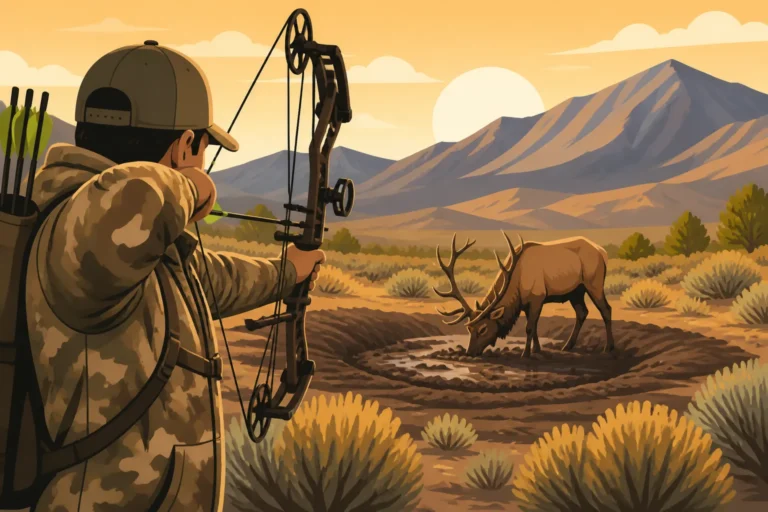
Given the critical role of water, setting up near a known, reliable water source is a classic and highly effective August archery strategy. This isn't about sitting in a tree stand; it's about finding natural ground blinds or constructing simple, low-impact hides near a spring, guzzler, or even a stock tank. The key is to be absolutely silent, still, and concealed, waiting patiently for deer to come to you. This method can feel slow, but in the oppressive heat, it conserves energy and can be incredibly rewarding.
Before you commit to a waterhole, however, do your homework. Ensure the water source is active and seeing regular deer use. Look for fresh tracks and droppings. Position yourself downwind, even if it means a longer walk to your hide, and ensure your setup offers a clear shot while remaining hidden. Be prepared to sit for extended periods, often during those prime low-light hours. Remember to check local regulations concerning hunting over developed water sources or guzzlers. While generally legal for big game in Nevada, some specific areas or types of water infrastructure might have restrictions. It's a strategy that tests your patience but often pays off when deer are concentrating around limited water.
Leveraging Thermals and Wind for Close Encounters
In the vast, open country of Nevada, understanding and utilizing thermals and wind patterns are critical for any successful stalk, especially for a bowhunter needing to get incredibly close. Thermals are air currents that rise as the sun heats the ground and fall as it cools. In the morning, air warms and rises up canyons and slopes. In the evening, as the air cools, it falls down into the valleys.
You must constantly monitor the wind direction, using a wind checker to confirm even subtle shifts. On your stalk, plan your route to ensure the wind or thermal is always carrying your scent away from the deer. A shift in the middle of a stalk can instantly blow your chances. This means often waiting for the right conditions, or taking a much longer, circuitous route to get into position. The open nature of the terrain means that deer often have multiple escape routes and can detect you from a surprising distance if your scent or movement is carried on the wind. Mastering how to read wind on a long sage stalk is an invaluable skill that will benefit you on any Nevada hunt. It’s an ongoing battle against invisible forces, but one you absolutely must win to get within bow range.
Ethical Shot Placement and Recovery
When that moment finally arrives, and a buck steps into your shooting lane, calm execution is paramount. The extreme heat of August adds another layer of urgency to ethical shot placement and quick recovery. A poorly placed shot means a longer, more difficult tracking job in brutal conditions, potentially leading to spoiled meat and an unrecovered animal. Your practice and preparation should focus on making clean, lethal shots within your effective range.
After the shot, watch and listen carefully to ascertain the hit. If possible, mark the last spot you saw the deer. In August, it's often advisable to give the animal a moment, but not an excessive amount of time, especially if it's a good hit. The heat can quickly spoil meat, so a swift recovery and immediate field dressing are crucial. Learn the essentials of Field Dressing in August Heat and focus on getting the hide off and the body cavity open as quickly as possible to allow the carcass to cool. Having a plan for Packing an Animal Out of Roadless Country and getting the meat into coolers with ice is not just about logistics; it's about respecting the animal and ensuring the meat is fit for consumption. Every step of the process, from shot to table, is magnified by the demanding August environment.
Disclaimer
Please be aware that hunting regulations, season dates, and unit boundaries can change annually. It is your sole responsibility to consult the most current Nevada Department of Wildlife (NDOW) regulations and official proclamations before planning or engaging in any hunting activity. This guide provides general information and should not be used as a substitute for official sources. Always prioritize safety, ethical hunting practices, and compliance with all local, state, and federal laws.