Are Expandable Broadheads Legal?
It’s a question that keeps a lot of bowhunters up at night, especially when you’re gearing up for a Nevada big game draw: "Are those shiny new expandable broadheads actually legal to use here?" The last thing any of us wants is to be out in the field, miles from anywhere, only to realize our equipment isn’t compliant, potentially jeopardizing our tag and an ethical harvest. This guide is going to walk you through exactly what Nevada's regulations say about broadheads, helping you make an informed choice and hunt with confidence.
Understanding Nevada's Broadhead Regulations
Nevada is a state that takes its hunting regulations seriously, and rightly so. The goal is always to promote ethical hunting practices, which includes ensuring that our equipment allows for the quickest, most humane harvest possible. Broadheads are a critical part of that equation, and the Nevada Department of Wildlife (NDOW) has specific rules you need to know before you ever nock an arrow.
The Basics of Nevada's Legal Requirements
When it comes to bowhunting for big game in Nevada, there are fundamental rules that apply to all broadheads, regardless of whether they’re fixed-blade or expandable. The most important overarching principle is adequate cutting diameter and a certain number of cutting edges to ensure proper wound channels. These regulations are designed to minimize suffering and ensure that animals are taken cleanly.
According to the latest Nevada hunting regulations, a broadhead must have at least two sharp cutting edges. This immediately rules out certain arrow tips that might be used for small game or practice, but aren't designed for the terminal performance needed on an elk or mule deer. Furthermore, these broadheads must have a minimum cutting diameter of 7/8 inch. This isn't just an arbitrary number; it's a size that biologists and game managers have determined is necessary to create a sufficient wound channel for a quick, ethical kill. A good rule of thumb is to always measure your broadheads to ensure they meet this minimum. It's not enough to assume; a quick check with a caliper can save you a lot of headache.
It’s also crucial to understand that these requirements apply to all legal big game species. Whether you’re chasing mule deer in the high country or hopeful for a coveted elk tag, the broadhead rules remain consistent. You can find more detailed information on general archery equipment, including Broadhead Requirements for Bowhunting, in the NDOW rulebook, which is always your go-to source.
Specifics on Expandable Broadheads
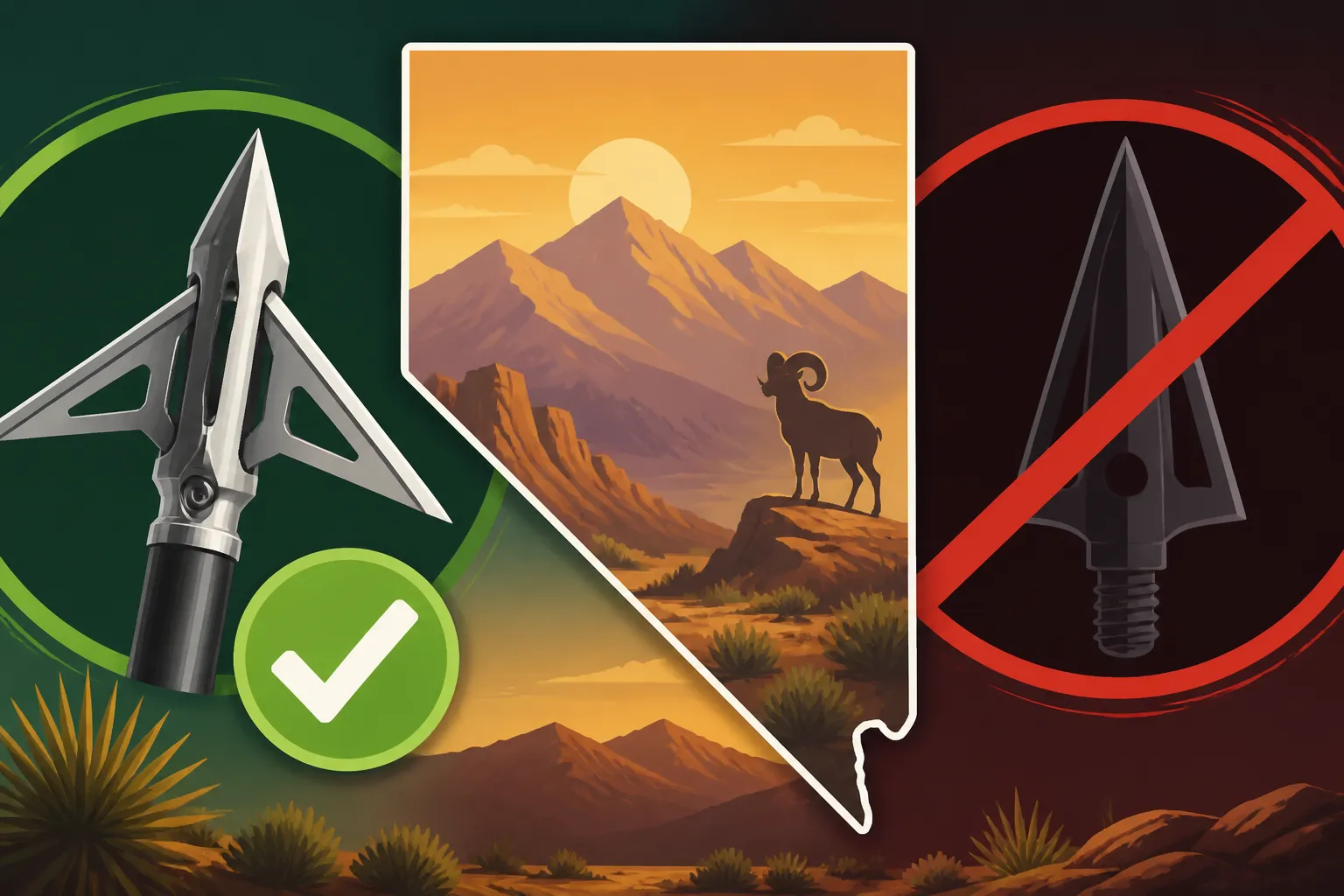
Now, for the big question: are expandable broadheads legal in Nevada? The short answer is yes, with some very important caveats that align with the basic requirements we just discussed. Expandable, or mechanical, broadheads are indeed permitted for big game hunting in Nevada, provided they meet the same minimum standards as fixed-blade broadheads.
This means that when fully deployed, your expandable broadhead must still:
- Have at least two sharp cutting edges. Many modern expandable broadheads feature two, three, or even four blades, so this is usually not an issue. The key is that they must be sharp and capable of cutting effectively.
- Achieve a minimum cutting diameter of 7/8 inch. This is where some expandable broadheads might fall short if you're not careful with your selection. When you look at the packaging or specifications for an expandable broadhead, it will usually list its "cutting diameter" or "cutting width." You need to ensure this measurement is at least 7/8 inch. Be aware that some older models or niche designs might not meet this threshold, so always double-check.
The appeal of expandable broadheads often lies in their flight characteristics; they tend to fly more like field points, which can be a real confidence booster for hunters, especially when faced with longer shots across Nevada's open basins. However, this advantage should never overshadow the need for proper penetration and cutting performance once it reaches the animal. Brands like Rage, NAP (New Archery Products), and G5 frequently offer models that meet these legal requirements, but it's always on the individual hunter to verify their specific model. Don't just trust the brand name; verify the specifications against the current regulations.
Mechanical Broadheads and Ethical Considerations
While legally permissible, the choice to use mechanical broadheads often sparks a spirited debate among bowhunters regarding ethical considerations and terminal performance. It’s worth exploring these points, as they weigh heavily on a hunter's decision.
One of the primary arguments in favor of mechanical broadheads is their superior accuracy, particularly at longer distances or with bows that aren't perfectly tuned for fixed-blade broadheads. Because their blades are tucked away during flight, they present less surface area for wind to catch and generally have less impact on arrow flight than fixed blades, which can act like tiny wings. For someone hunting in Nevada's vast, windy landscapes, where shots can sometimes stretch, this accuracy can be a significant advantage. Tools like those offered by GoHunt, which help you map out terrain and understand shot distances, emphasize why consistent arrow flight is so crucial. If your arrow hits precisely where you aimed, even a smaller cutting diameter can be effective.
However, the concerns often revolve around reliability and penetration. An expandable broadhead relies on a deployment mechanism – usually a spring, o-ring, or collar – to open its blades upon impact. While modern designs are incredibly robust, there’s always a tiny chance of mechanical failure. Blades might not fully deploy, or they might deploy prematurely if bumped. More critically, the act of deploying the blades requires kinetic energy. If your bow's draw weight is on the lower end (though you still need to meet the Minimum Bow Draw Weight for Big Game for Nevada), or if the arrow encounters a bone on impact, that energy might be expended on opening the blades rather than driving them deeply into the animal. Fixed-blade broadheads, on the other hand, begin cutting immediately upon impact, dedicating all their energy to penetration.
Here's a quick comparison of common broadhead types:
| Broadhead Type | Key Characteristics | Nevada Legal Status | Common Pros | Common Cons |
|---|---|---|---|---|
| Fixed-Blade | Blades are rigid and exposed, non-moving parts. | Legal (7/8" min) | Max penetration, high reliability, no moving parts | Can be harder to tune for accurate flight, wind drift |
| Mechanical/Expandable | Blades deploy on impact to increase cutting diameter. | Legal (7/8" min) | Field point accuracy, larger wound channels | Potential for mechanical failure, energy loss on deployment |
| Cut-on-Contact | Fixed-blade with a sharp tip designed to cut immediately. | Legal (7/8" min) | Excellent penetration, strong bone-breaking | Can be challenging to tune, small cutting diameter |
Ultimately, the ethical hunter's responsibility is to choose equipment that maximizes the chance of a clean, swift kill. For many, this means practicing extensively with their chosen broadhead, understanding its limitations, and being honest about their effective range.
Why Broadhead Choice Matters for Nevada Game
Nevada's diverse and often rugged landscapes mean hunting opportunities for a variety of big game species, from mule deer to elk, and even bighorn sheep. Each of these animals presents unique challenges, and your broadhead choice plays a significant role in your success and ethical execution.
Terminal Performance and Ethical Harvest
Terminal performance, simply put, is how well your arrow and broadhead perform once they hit the target. For ethical hunting, we're looking for maximum damage to vital organs and sufficient blood loss to lead to a quick, humane death. This is where the 7/8-inch minimum cutting diameter comes into play. A broadhead that meets this standard creates a wound channel large enough to effectively sever arteries, veins, and damage lungs or the heart.
Consider a mature Nevada mule deer, known for their toughness. An expandable broadhead that opens wide and creates a substantial entry and exit wound is highly effective. However, if that same broadhead fails to penetrate deeply enough because it hit a shoulder bone and spent too much energy deploying, the outcome can be a wounded animal and a difficult, potentially unsuccessful, recovery. This is why many experienced hunters emphasize practice, ensuring their bow is properly tuned and they can consistently place shots into the vital triangle. When you're Hunting Water in Nevada's Driest Country, you know how precious every opportunity is, and you want your equipment to perform flawlessly.
The "cut-on-contact" feature, often found in fixed-blade broadheads, is lauded for its ability to start cutting immediately upon impact, which can be advantageous when penetrating bone or thick hide. Some mechanical broadheads also incorporate a cut-on-contact tip, merging the accuracy benefits with enhanced penetration. It's a balance, and understanding the anatomy of the animal you're pursuing is key. For example, the robust rib cage of a large elk demands superior penetration, which some hunters feel is best achieved with a sturdy fixed-blade broadhead, while others confidently use modern expandables designed for heavy bone.
Matching Broadheads to Species and Conditions
The kind of broadhead you choose can also be influenced by the specific species you're pursuing and the conditions you expect to encounter.
-
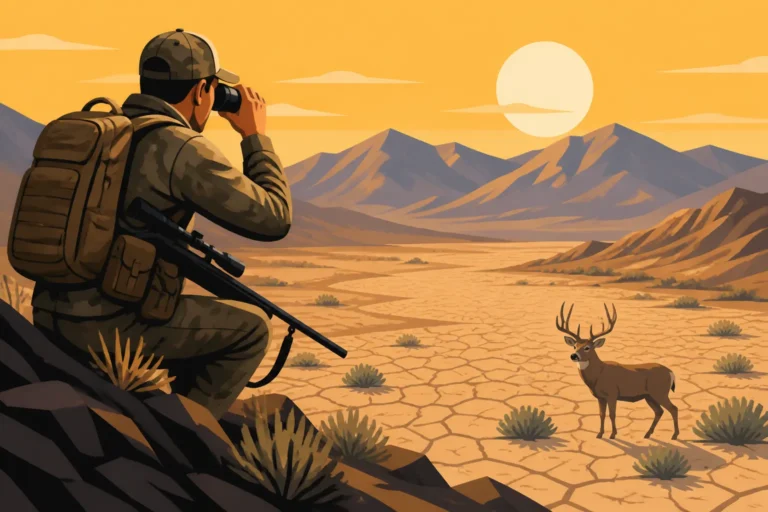
Mule Deer: For mule deer, often found in open country where longer shots might present themselves, the accuracy benefit of a mechanical broadhead can be tempting. Their vitals are relatively large, and a well-placed mechanical with a good cutting diameter will do the job. However, if you're hunting in thick brush where a deflection risk is higher, or if you prefer maximum penetration, a stout fixed-blade might offer more peace of mind. Remember, scouting your unit is essential, and with tools for E-Scouting a Nevada Unit Before the Season, you can anticipate terrain and potential shot opportunities.
-
Elk: Elk are considerably larger and tougher than deer, with thicker hides and denser bones. Many veteran elk hunters gravitate towards robust fixed-blade broadheads for their reliability and deep penetration, especially for marginal shots or when hitting a shoulder blade is a concern. While some modern mechanicals are designed for elk, hunters must ensure their bow delivers enough kinetic energy to confidently drive the broadhead through the animal. The margin for error is smaller on an elk, and penetration is paramount.
-
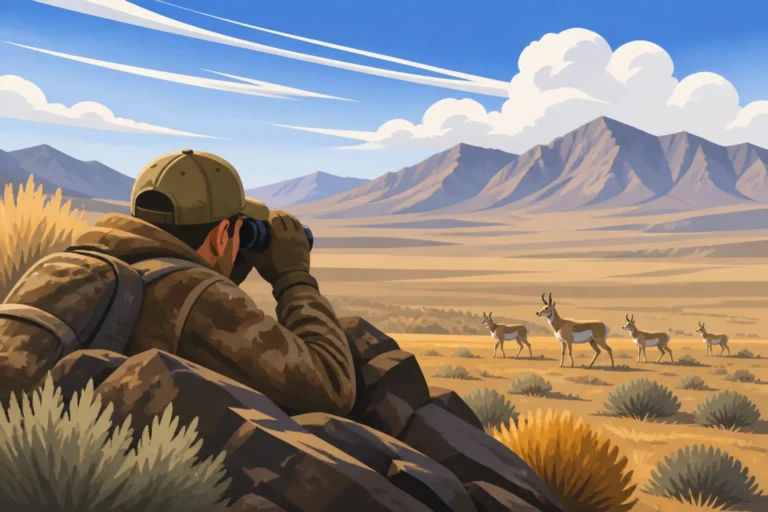
Antelope: Nevada is home to abundant pronghorn, and their speed and keen eyesight mean closing the distance can be a real challenge. For Closing the Last Hundred Yards on a Pronghorn, accurate shot placement is crucial. Many hunters favor mechanical broadheads for antelope due to their flat flight path, which minimizes trajectory errors at longer distances common on the open plains. Antelope have relatively thin hides and light bones, so penetration is less of a concern than with elk, but the 7/8-inch cutting diameter is still mandatory to ensure rapid blood loss.
-
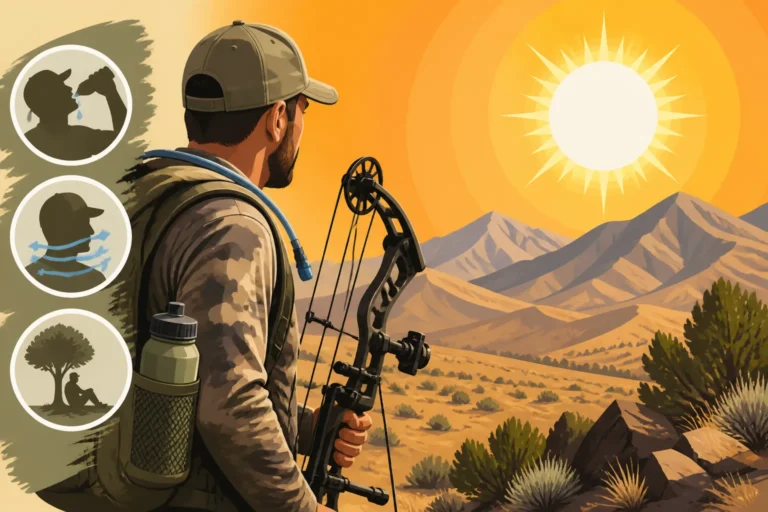
Hot Weather Hunting: If you're drawn for an early season hunt, like When Nevada Archery Deer Season Opens in August, you know that managing the heat is a major factor. This extends to your broadhead choice too. You want a rapid, ethical kill to ensure the animal doesn't travel far and its meat can be cooled quickly. A broadhead that provides a large wound channel and good blood trails can significantly aid in recovery, which is critical when Field Dressing in August Heat is on your mind.
The key is to select a broadhead that inspires confidence, meets all legal requirements, and matches your bow setup, hunting style, and the species you're after. Never compromise on sharpness; a dull broadhead is an unethical broadhead, regardless of its type.
Navigating Regulation Changes and Staying Compliant
Nevada's hunting regulations, while generally stable, can sometimes see minor adjustments year-to-year. Staying informed is a hunter's responsibility to ensure compliance and avoid any unintended legal issues.
Where to Find the Most Current Information
The single most reliable source for current Nevada hunting regulations is the Nevada Department of Wildlife (NDOW) website or their official printed regulations booklet. These are updated annually and clearly outline all requirements for hunting big game, including archery equipment. Trying to rely on old printouts, forums, or word-of-mouth can lead you astray, as interpretations or specific rules might change.
When a new regulation cycle begins, typically in the spring, make it a habit to download and thoroughly read the latest Big Game Seasons and Application Guide. Pay close attention to the "General Hunting Regulations" and "Archery Hunting Regulations" sections. NDOW often provides digital copies that are easily searchable, which can be a huge help when you're trying to confirm a specific detail like broadhead requirements. Don't forget that if you use an app like GoHunt for your research, they often link directly to the official state regulations, providing another convenient way to access reliable information.
It’s also wise to check for any emergency orders or in-season changes, which NDOW would post on their website. While rare for equipment specifics, they can affect things like season closures or access, so a quick check before heading into the field is a smart move. When you're Reading a Nevada Hunt Unit Before You Apply, you should also be checking the overall regulations document.
Best Practices for Broadhead Selection
Beyond legality, making an informed broadhead choice involves a few best practices:
- Read the Regulations Annually: As mentioned, always consult the latest NDOW regulations. Confirm the minimum cutting diameter and blade count. Don't assume anything.
- Test Your Broadheads: Never go hunting with a broadhead you haven't shot extensively. Shoot your hunting broadheads (or identical practice versions) with your hunting arrows to ensure they fly true with your setup. This includes testing at various distances you expect to shoot in the field. An arrow that flies like a dart with a field point might not with a fixed blade, and even mechanicals can sometimes require a slight bow tune.
- Inspect for Sharpness and Integrity: Before every hunt, and ideally before every shot, inspect your broadheads. Are the blades razor sharp? Are there any nicks or bends? For mechanicals, do the blades deploy smoothly and lock into place? Is the deployment mechanism (o-ring, spring) in good working order? A dull or damaged broadhead is unethical and ineffective. Consider investing in a broadhead sharpener if you use fixed blades.
- Match to Your Setup and Skill: Be realistic about your bow's kinetic energy and your personal shooting ability. If you shoot a lighter draw weight bow, you might prioritize a super-efficient fixed-blade broadhead for maximum penetration. If you're confident in your accuracy and your bow delivers plenty of power, a wide-cutting mechanical can be a great option.
- Seek Reputable Advice: Talk to experienced bowhunters, reputable archery pro shop staff, or even reach out to NDOW directly if you have specific questions. Just be sure to always verify information against the official rulebook.
Choosing the right broadhead is a personal decision, but it's one that carries significant responsibility. By understanding Nevada's regulations and adhering to ethical best practices, you ensure you're prepared for a responsible and successful hunt.
Conclusion
So, to definitively answer the burning question, yes, expandable broadheads are legal for big game hunting in Nevada, provided they strictly adhere to the state's minimum requirements of at least two sharp cutting edges and a deployed cutting diameter of no less than 7/8 inch. This isn't a suggestion; it's a hard and fast rule designed to ensure humane and ethical harvests. Always make the effort to check your specific broadhead model against these regulations and, more importantly, practice diligently with your chosen equipment. Your commitment to understanding and following these rules contributes to the integrity of bowhunting and respects the incredible wildlife resources Nevada offers.
Disclaimer
Please note: Hunting regulations can change. While this article provides information based on current knowledge, it is the individual hunter's responsibility to verify all regulations with the Nevada Department of Wildlife (NDOW) directly before participating in any hunting activity. This content is for informational purposes only and not legal advice.