What a Fully Guided Nevada Elk Hunt Includes
Embarking on a fully guided elk hunt in Nevada is a dream for many, often representing a significant investment of both time and money. It’s natural to feel a mix of excitement and apprehension, wondering exactly what you’re signing up for and how to ensure you get the most out of the experience. Many hunters envision an all-inclusive adventure where every detail is magically handled, but the reality can vary, leading to frustration if expectations aren't aligned. This comprehensive guide aims to peel back the layers of a fully guided Nevada elk hunt, detailing what you can realistically expect to be included, what often isn't, and how to prepare for an unforgettable and successful expedition in the high desert.
Decoding the "Fully Guided" Promise for Nevada Elk
The term "fully guided" can conjure up different images for different people. For some, it means a five-star resort experience in the backcountry; for others, it's merely having someone point you in the right direction. In Nevada, where the terrain is vast and the elk can be elusive, a truly "fully guided" experience provides a critical bridge between your hunting aspirations and the formidable challenges of the landscape. It's about leveraging professional expertise and logistical support to maximize your chances of success and ensure a safe, enjoyable hunt.
The Core Value: Expertise and Logistics Handled
At its heart, a fully guided elk hunt in Nevada means that the outfitter is responsible for a significant portion of the logistics and in-field strategy. This isn't just about finding animals; it's about navigating the rugged terrain, setting up camp, cooking meals, and handling the myriad details that can chew up valuable hunting time. You're paying for their intimate knowledge of the unit, their equipment, and their ability to react to changing conditions, whether that's a sudden snowstorm or a herd of elk that just vanished over a ridge. This comprehensive support allows you to focus almost entirely on the hunt itself—glassing, stalking, and being ready when the opportunity arises. It takes the enormous pressure of managing every single detail off your shoulders, allowing you to immerse yourself in the experience.
Local Knowledge vs. DIY Scouting
One of the most invaluable aspects of a guided hunt is access to local knowledge. While e-scouting with tools like GoHunt can give you an incredible head start in understanding a unit's topography, water sources, and potential bedding areas, it can never replace boots-on-the-ground experience. Nevada's elk herds, which have seen remarkable growth from modest beginnings, are often found in specific drainages and mountain ranges, making local insights crucial. A guide will have spent countless hours in the unit, often over many years, observing migration patterns, understanding how elk react to pressure, and knowing where they seek refuge in different weather conditions. They understand the nuances of the thermals and winds that whip through the canyons and across the sage flats, critical information for a successful stalk. This is especially true for species like elk, where understanding specific habits and seasonal movements is paramount. Your guide isn't just interpreting a map; they're interpreting the living, breathing landscape and the animals within it.
What to Expect from Your Guided Elk Camp Experience
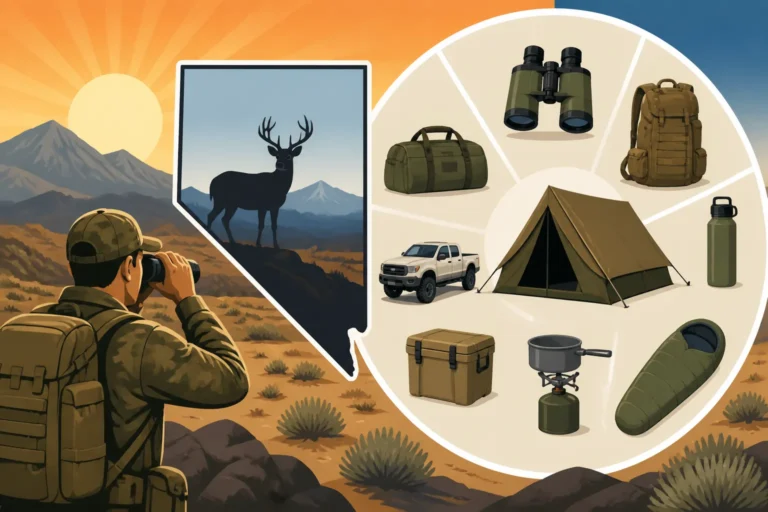
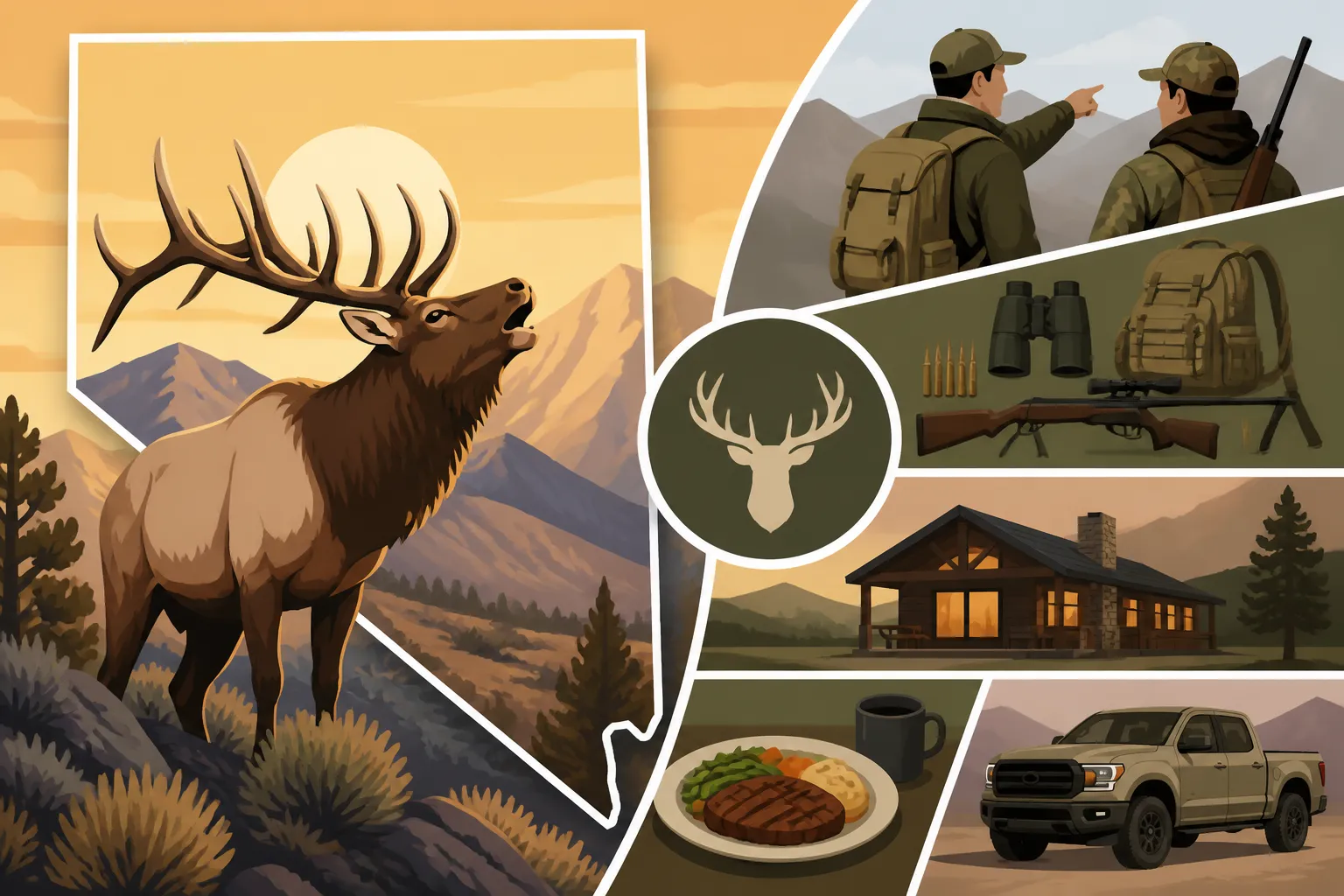
The "camp" aspect of a guided hunt is as varied as the Nevada landscape itself. From comfortable wall tents to remote spike camps, your lodging and provisions are typically a major part of the "fully guided" package, designed to keep you fed, rested, and ready for the day's challenges.
Diverse Lodging Arrangements
Depending on the outfitter and the specific hunt unit, your lodging can range from fairly comfortable to ruggedly minimalist. Many guided elk hunts operate out of established base camps, which might include large canvas wall tents with wood stoves, cots, and even a dedicated cook tent. These camps often have generators for light and charging electronics, and sometimes even a hot shower facility. The aim is to provide a comfortable retreat after long days in the field. For more remote or aggressive hunts, especially those targeting specific areas far from established roads, outfitters might utilize spike camps. These are typically smaller, lighter tents packed in by horseback or backpacked in, offering less in the way of amenities but putting you directly in prime elk country. While not common for elk in Nevada, in some areas, a lodge-based hunt might mean staying in a rustic cabin or even a motel if the unit allows for daily returns. The key is that the outfitter provides the shelter, sleeping arrangements (usually cots with pads), and basic comforts. Always clarify the exact nature of the accommodations before booking your trip to ensure it aligns with your preferences and physical capabilities.
Fueling Your Hunt: Meals and Provisions
You won't be roughing it when it comes to food on most fully guided hunts. Outfitters typically provide all meals and snacks, designed to be hearty and energy-rich to sustain you through demanding days. Expect generous breakfasts to get you going before dawn, packed lunches to eat in the field, and warm, satisfying dinners back at camp. This often includes hot drinks like coffee and tea, and plenty of water. The specific menu will vary by outfitter, but the goal is always to keep you well-fueled. Some outfits pride themselves on gourmet camp cooking, while others focus on simple, nutritious fare. Dietary restrictions can usually be accommodated, but it's crucial to communicate these well in advance. Having your meals prepared and camp chores handled means you can focus on strategizing with your guide, maintaining your gear, and getting a good night's sleep.
Getting Around: Transportation in the Field
Nevada's vast public lands mean covering significant distances, often over incredibly rugged terrain. A fully guided hunt almost always includes transportation within the hunting area. This typically involves 4×4 vehicles (trucks, Jeeps, UTVs) for accessing trailheads and remote roads. In some units, especially those with wilderness designations, horseback or pack string support might be used to get deep into roadless country. The guide will handle all vehicle operation, navigation, and maintenance, ensuring you get to and from your hunting spots safely. It’s important to understand the limitations, however; Motorized Travel Rules on Nevada Public Land are strict, and most serious hunting will involve a good deal of walking once you leave the vehicle or horse. Outfitters usually arrange for pick-up and drop-off at a designated meeting point, often a nearby airport or town, removing the headache of renting vehicles or navigating unfamiliar roads. Just remember that while they handle the driving, you're expected to be ready for the hiking that follows.
The Professional Guiding Aspect of Your Elk Hunt
Beyond the logistics of camp and travel, the core of a fully guided hunt is the professional guiding service itself. This is where the guide's expertise truly shines, transforming a challenging quest into a strategic endeavor.
Pre-Season Scouting and Real-Time Intel
One of the biggest advantages you gain with a guided hunt is the outfitter's commitment to pre-season scouting. Long before you arrive, your guide will have been in the field, tracking animal movements, assessing habitat conditions, and pinpointing key areas where elk are concentrating. This often involves scouting year-round, using game cameras, glassing, and looking for fresh sign. When you arrive for your hunt, you're not starting from scratch; you're stepping into a situation where a professional has already gathered intelligence and formulated a plan. As conditions change during the season—new weather patterns, increased hunting pressure, or shifts in food sources—your guide will have real-time intel and adjust tactics accordingly. This dynamic adaptation is something a solo or DIY hunter might struggle to achieve, particularly in unfamiliar territory. Many successful outfitters leverage platforms like BookYourHunt to showcase their scouting dedication, building client trust long before the hunt.
In-Field Strategy and Decision Making
Once in the field, your guide becomes your strategist, navigator, and coach. They'll make decisions about where to start each day, which ridges to glass, and which draws to check. When elk are spotted, they'll formulate the stalk plan, accounting for wind, terrain, and the animals' behavior. This often involves careful consideration of factors like Reading Wind on a Long Sage Stalk or Playing Thermals on a Rimrock Stalk in mountainous terrain. The guide will advise on shot placement, ethical considerations, and safety. They'll also manage your expectations, helping you understand the realities of elk hunting in Nevada – it's often tough, and success is never guaranteed. Their experience allows them to make quick, informed decisions in high-pressure situations, often the difference between a successful harvest and going home empty-handed. Remember, their goal is to get you an opportunity, and their guidance in the moment can be critical.
Field Care and Animal Recovery
Harvesting an elk is only half the battle; getting the animal out of the backcountry and properly cared for is another massive undertaking. A fully guided hunt includes the guide's assistance with field dressing, quartering, and packing out your animal. Elk are large animals, and this can be incredibly strenuous work, often requiring multiple trips or specialized equipment like pack frames or even horses. The guide will ensure the meat is properly cooled as quickly as possible, which is critical in warmer early seasons like those for Nevada Elk Muzzleloader Timing by Unit or early archery hunts. They will also assist with caping and preparing the cape and antlers for transport to a taxidermist. This support is invaluable, especially if you're not accustomed to handling such large game in remote, challenging environments. Without this assistance, many hunters would face significant logistical nightmares, especially when considering Getting Meat Cooled on an Early Season Hunt.
Essential Costs and Items Not Typically Covered
While "fully guided" implies comprehensive coverage, there are always some critical exclusions that hunters need to budget for. Understanding these upfront prevents unpleasant surprises and ensures a smooth experience.
| Item Category | Typically Included? | Details / Why it's Separate |
|---|---|---|
| Hunting License & Tag | No | These are personal legal documents. You must apply and purchase them yourself. |
| Application Fees | No | Fees to enter the draw for tags are separate and non-refundable. |
| Travel to/from Meet Point | No | Your airfare or personal vehicle travel to the outfitter's designated meeting location. |
| Personal Hunting Gear | No | Rifle, ammunition, archery equipment, specialized clothing, boots, backpack, optics. |
| Sleeping Bag | No (sometimes yes) | Often required for hygiene reasons, or provided by request. Always confirm. |
| Alcoholic Beverages | No | Most outfitters don't provide alcohol; bring your own if permitted by them. |
| Meat Processing | No | Butcher shop fees for cutting, wrapping, and freezing are your responsibility. |
| Taxidermy | No | Mounts and trophy preparations by a professional taxidermist are separate. |
| Shipping of Meat/Trophy | No | Costs to ship your harvest or trophy home are extra. |
| Gratuities/Tips | No | Customary for guides and camp staff; a significant part of their income. |
| Lodging Before/After Hunt | No | Any hotel stays before or after the contracted hunt dates are your expense. |
Licenses, Tags, and Application Realities
This is probably the most common point of confusion. A guided hunt does not include your hunting license or big game tag. These are personal legal documents that you, as the hunter, are responsible for obtaining. For Nevada elk, this means applying through the state's draw system, often months in advance. You'll need to secure a valid Nevada hunting license first, and then apply for specific elk tags, which can be highly competitive. The Nevada Applications Run March 23 to May 13 for most big game. The cost of a What a Nonresident Nevada Elk Tag Costs alone can be substantial, not to mention the non-refundable application fees. It's crucial to understand the draw odds and application process well before you book an outfitter. While an outfitter can advise you on strategy (like which units to apply for or applying for Nevada Antlerless Elk Tag Availability), they cannot guarantee you a tag, nor do they cover the costs associated with it. You'll also need to ensure you meet requirements like Anyone Born After 1959 Needs Nevada Hunter Education or if Nevada Accepts Hunter Education From Any State.
Personal Gear and Optics Contribution
While the outfitter provides the camp infrastructure, food, and in-field transportation, your personal hunting gear is entirely your responsibility. This includes your rifle or archery equipment, ammunition, hunting clothing appropriate for Nevada's weather swings, sturdy hunting boots (essential for Choosing Boots for Sharp Volcanic Rock), a quality backpack, and most importantly, your optics. Good binoculars and a spotting scope are critical for Glassing Nevada's Basin and Range for Mule Deer and elk alike. Some outfitters might have loaner gear in an emergency, but you should arrive fully equipped and familiar with your own equipment. This also extends to personal items like a sleeping bag (though some outfitters may provide them, always verify), toiletries, and any personal medications. Consider the physical demands: Physical Conditioning for a Chukar Hunt, for example, can be brutal, and elk hunting often requires similar levels of fitness. Your gear should be chosen to support these demands.
Post-Harvest Processing and Shipping
After a successful hunt, there are still costs to consider. The outfitter will assist with field dressing and packing out your animal, as mentioned, but the expenses beyond that are typically yours. This includes the cost of a professional butcher to process, cut, wrap, and freeze your meat. If you're traveling a long distance, you'll also be responsible for the cost of shipping the meat and/or trophy (antlers and cape) back home. These costs can add up quickly, especially for a large animal like an elk. Many outfitters have preferred local processors and taxidermists they can recommend, and they'll help coordinate the drop-off, but the bills will be sent to you. Make sure you budget for these expenses so you're not caught off guard by the final logistics of getting your hard-earned harvest home.
How to Choose and Vet Your Nevada Elk Outfitter
Selecting the right outfitter is paramount to a successful and enjoyable guided hunt. This isn't just about finding someone with an open calendar; it's about finding a reputable professional who aligns with your hunting style and expectations.
Researching Reputable Outfitters
Start your research early. Platforms like BookYourHunt can be excellent resources for finding licensed outfitters and reading client reviews. However, don't stop there. Good references are gold. Ask potential outfitters for a list of past clients, and make sure to contact them. Ask specific questions about their experience: was the guide knowledgeable? Were the accommodations as described? Was the food good? How did the outfitter handle unexpected challenges? Also, verify their licensing. In Nevada, guides and outfitters must be licensed by the state, and if they operate on public lands (which most elk hunts do), they also need federal land permits. Nevada Guides Need Federal Permits on Top of a State License because much of the state is federally managed. Make sure the outfitter is licensed for the specific unit and species you'll be hunting. You can often check their credentials through the Nevada Department of Wildlife (NDOW) website or the relevant federal land management agency (e.g., BLM or National Forest Service). Don't hesitate to ask detailed questions about their success rates, particularly for the specific type of elk hunt you're interested in. For deeper insights into this process, read Vetting a Nevada Outfitter Before You Send a Deposit.
Understanding Your Contract and Asking Key Questions
Once you've narrowed down your choices, get everything in writing. A detailed contract should clearly outline what is included (days of hunting, lodging, meals, guide services, etc.) and what is not. Pay close attention to cancellation policies, especially regarding what happens if you fail to draw a tag. Some outfitters offer refunds or deferrals, others might retain a deposit. It's also crucial to understand the payment schedule and any potential additional fees, such as trophy fees (though rare for elk, it's worth asking). Don't be shy about asking questions that might seem trivial. For instance, "What is your emergency evacuation plan?" or "How do you handle a wounded animal that can't be immediately recovered?" are vital queries. What Outfitters Plan Emergency Evacuations is a serious topic, especially in remote Nevada. Clarify the guide-to-hunter ratio (1:1 or 2:1 is common) and who your specific guide will be. The more questions you ask upfront, the fewer surprises you'll encounter down the line.
Maximizing Your Investment: Preparation Beyond the Checkbook
A fully guided hunt is an investment, and like any investment, you want to maximize your returns. Your preparation, both physical and mental, plays a huge role in the overall success and enjoyment of the experience.
The Importance of Physical and Shooting Preparedness
Nevada elk hunting is physically demanding. You'll be hiking at elevation, often over steep, rocky, or brushy terrain, carrying your rifle and daypack. Even if your guide handles most of the heavy lifting, you need to be in good physical condition to keep up, stalk effectively, and endure long days. Don't underestimate the physical toll; start a rigorous exercise regimen well in advance. Incorporate cardio, strength training, and especially hiking with your hunting boots and a weighted pack. Similarly, practice your shooting extensively. You owe it to the animal and your guide to be proficient with your weapon. Practice from various positions (standing, kneeling, prone), at different distances, and under simulated hunting pressure. This includes knowing your rifle's capabilities for longer shots, as Rifle Zero Distance for Long Sage Shots can be important in open Nevada country. Your guide might locate a trophy bull at 400 yards, but it's up to you to make the shot. Don't let your physical or shooting abilities be the weakest link in your guided hunt.
Building a Productive Client-Guide Relationship
Your guide is your partner in this endeavor, and a positive relationship can significantly enhance your hunt. Be honest about your physical limitations, your experience level, and your expectations. Listen to their advice, as their experience in the unit, perhaps even in areas like Hunting the Ruby Mountains or other specific ranges, is invaluable. They're making decisions based on years of observing elk behavior and knowing the terrain. Be open to learning and adapting. Show respect for the land, the animals, and your guide's efforts. A good relationship fosters trust and communication, which are critical when decisions need to be made quickly in the field. Remember, they want you to succeed just as much as you do. Conversely, a demanding or uncommunicative client can make the guide's job exponentially harder, potentially impacting the overall experience. Be a team player, and you'll find the experience far more rewarding.
Disclaimer
This article is for general informational purposes only and does not constitute professional advice. Laws, prices and regulations vary by location and change over time. Consult a qualified professional for guidance on your specific situation.