Planning a DIY Public Land Hunt in Nevada
Nevada is a land of vast, open spaces, and for many hunters, the dream of a successful do-it-yourself public land hunt here is strong. But let's be realistic: chasing game across these incredible, often brutal landscapes isn't a walk in the park. This comprehensive guide will arm you with the knowledge and practical strategies you need to plan and execute your own rewarding public land hunt in the Silver State, navigating its unique challenges with confidence.
Understanding Nevada's Unique Public Land Landscape
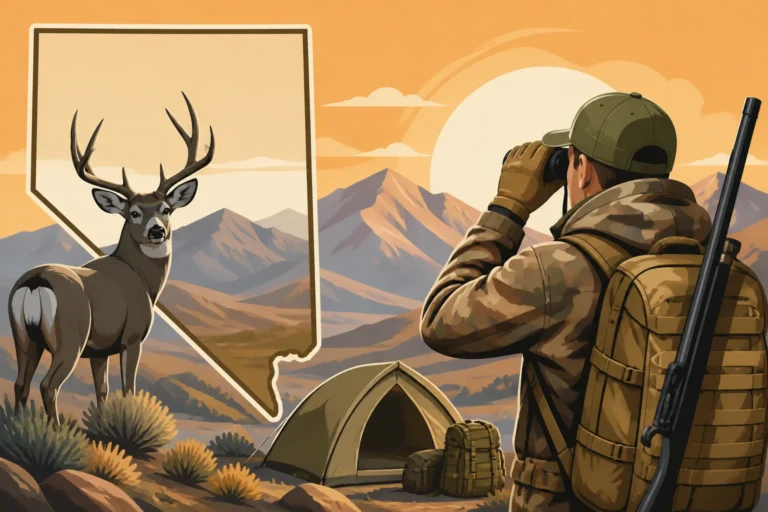
When you decide to tackle a DIY hunt in Nevada, you're signing up for an adventure across some of the most expansive and wild public lands in the Lower 48. This isn't your grandfather's deer camp in a small woodlot; this is a place where you can drive for hours and still be days from a paved road. It's exhilarating, but it demands respect and thorough preparation.
The Sheer Scale of Opportunity
Nevada truly offers an incredible amount of hunting ground. Much of the state is federally owned, meaning vast stretches are open to the public. You'll primarily be hunting on Bureau of Land Management (BLM) acreage and National Forests. The BLM land, in particular, dominates the landscape, offering millions upon millions of acres for you to explore. Imagine glassing across an entire basin, knowing every square mile of it is accessible. It's a feeling you don't get in many other places. This abundance means that while tags can be tough to draw for the premier units, once you have one, you have an immense amount of country to roam. But with that vastness comes the challenge of finding the animals and, more importantly, finding them consistently. It means your scouting and on-the-ground navigation skills need to be sharp. You can dive deeper into the sheer scale of opportunity by looking at How Much of Nevada Is Public Land and BLM Acreage Across Nevada.
Deciphering Unit Boundaries and Access Points
Before you even think about putting boots on the ground, you need to understand the unit system. Nevada divides its hunting areas into distinct units, often identified by numbers. These units can be massive, sometimes covering thousands of square miles. It's critical to know exactly where your unit boundaries lie, especially when you're dealing with areas that might border private ranchland or even other units. A solid understanding of Reading a Nevada Unit Boundary Before You Apply is paramount. Digital mapping tools become your best friend here, allowing you to overlay unit boundaries onto topographical maps, making it clear where you can and cannot legally hunt. Knowing the general access points for your unit – where roads enter and exit, and what kind of roads they are – will save you untold hours of frustration once you're in the field. Remember, just because it's a "road" on a map doesn't mean it's passable by a standard truck, especially after a storm or a long period of disuse.
The Reality of Remote Services and Infrastructure
One of the biggest eye-openers for hunters new to Nevada is the sheer distance between services. You might find yourself 50 or even 100 miles from the nearest gas station, grocery store, or even reliable cell service. This isn't an exaggeration; it's just the reality of hunting in the Great Basin. This means you need to be entirely self-sufficient. Every item you think you might need, you probably will need. Nevada's Roads Are Long and Its Services Are Far Apart isn't just a catchy phrase; it's a survival guide. You won't be running back to town for a forgotten can of propane or an extra fuel jug. Planning your fuel stops, water caches, and emergency communication methods well in advance is non-negotiable. It's a testament to the wildness of the state, but it also elevates the importance of detailed planning.
Mastering Research and E-Scouting for Nevada Success
The days of just showing up and driving around are long gone, especially for big game in Nevada. Success in a DIY hunt here is largely won or lost long before you ever set foot in the unit. E-scouting and meticulous research are your most powerful tools, transforming overwhelming vastness into manageable, targetable areas.
Leveraging Digital Tools and Resources
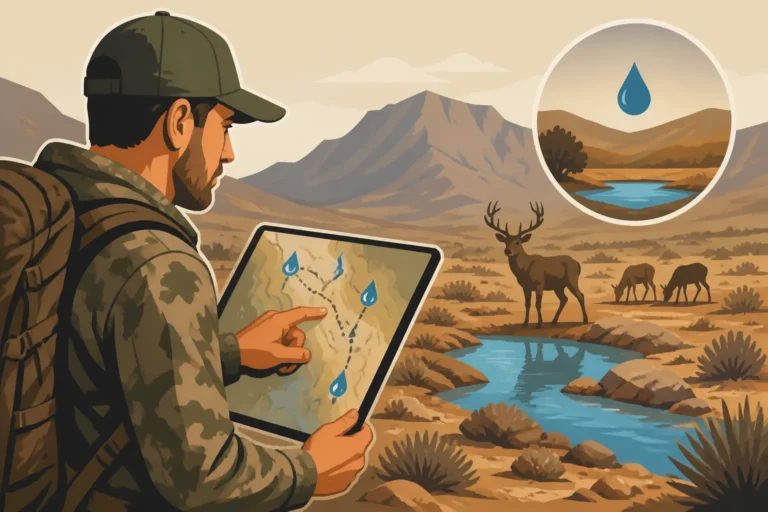
In today's hunting world, digital maps and satellite imagery are absolutely essential. Services like GoHunt provide invaluable data, allowing you to pour over draw odds, harvest statistics, and unit-specific details from the comfort of your home. You can spend hours identifying key features: water sources, north-facing slopes where deer might bed, potential migratory routes, and areas with good thermal cover. Look for transitions in vegetation, access points, and potential glassing knobs. You can literally drop pins on areas that look promising for glassing, bedding, or even just setting up a spike camp. This pre-hunt scouting process, often called E-Scouting a Nevada Unit Before the Season, allows you to hit the ground running, rather than spending precious hunting days just trying to figure out the lay of the land. Don't forget to download offline maps to your phone or GPS device, because reliable cell service is a luxury you won't often have in remote Nevada.
Deciphering Draw Odds and Harvest Data
It's tempting to only look at trophy photos from certain units, but a realistic DIY plan requires a deep dive into the numbers. Pay close attention to the draw odds for your chosen species and weapon type, especially for non-residents, as these can be incredibly steep. Sites like GoHunt are excellent for this. But beyond just drawing a tag, you need to understand harvest data. What are the success rates for archers versus rifle hunters? What's the average age class of animals harvested? High success rates for cows or spike bulls might indicate a healthy herd, but if you're chasing a mature mule deer, you'll want to see evidence of older bucks being taken. Don't be afraid to consider units with slightly lower "trophy potential" but higher draw odds and solid harvest rates if your primary goal is to simply get out and hunt. Analyzing Where Nevada Posts Its Draw Odds Tables and truly understanding Reading Nevada Hunt Draw Statistics can help you set realistic expectations and make smarter application choices.
The Unrivaled Importance of Water
In Nevada, water isn't just important; it's often the single most critical factor in finding game, especially during early season hunts. The state's arid environment means that reliable water sources—springs, guzzlers, seeps, and even temporary puddles after a rain—act as magnets for deer, elk, and especially antelope. When you're e-scouting, meticulously identifying and marking every potential water source on your map should be a top priority. Animals will often bed within a reasonable distance of water, especially in hotter months, and they will almost certainly visit it to drink. Focusing your efforts around these precious resources, particularly in the afternoons or early mornings, can dramatically increase your chances of an encounter. Learn about Hunting Water in Nevada's Driest Country to understand how game utilizes these vital spots. It's not just about knowing where the water is, but understanding how game will approach and leave it, and how you can position yourself for an ambush or a glassing session.
Essential Gear and Physical Preparation for the DIY Hunter
Nevada will test you, physically and mentally. The vast distances, rugged terrain, and extreme weather swings demand top-tier gear and a body and mind ready for the challenge. Skimping on either can turn an incredible adventure into a miserable ordeal, or worse.
Optics Are Not Optional, They Are Mission-Critical
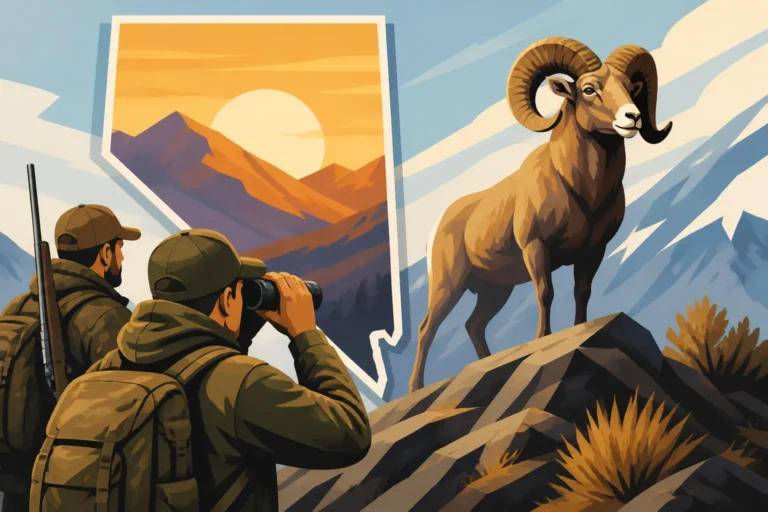
If there's one area where a DIY Nevada hunter absolutely cannot afford to cut corners, it's optics. You will spend countless hours behind your binoculars and spotting scope. The terrain here is so open that the most effective way to hunt is by covering vast amounts of ground with your eyes, not your feet. A good pair of 10x or 12x binoculars with a comfortable harness is a baseline. For serious hunting in the Great Basin, a high-quality spotting scope (20-60x or even 27-80x) paired with a sturdy tripod is indispensable for picking apart distant hillsides and judging animals. This is Why Nevada Deer Hunting Is a Glassing Game is such a fundamental truth. You're looking for subtle movements, a flick of an ear, a patch of antler against the sage. Don't underestimate the strain this puts on your eyes and neck; investing in quality glass and learning proper glassing techniques will dramatically increase your success. Understanding Optics Power for Nevada's Long Sightlines can help you choose the right tools.
Vehicle Preparedness and Recovery Gear
Your truck or SUV isn't just transportation; it's often your base camp, your lifeline, and your escape route in Nevada. You'll be driving on deeply rutted, rocky, and often lonely roads that can be miles from any human contact. A reliable 4×4 with good tires (and a full-size spare, or two!) is essential. Beyond that, a robust recovery kit is non-negotiable. This means a shovel, tow strap, kinetic rope, a high-lift jack, and ideally a winch. Even if you're not planning on driving "off-road" in the traditional sense, Nevada's backroads often feel like it. Planning for Vehicle Prep for Remote Nevada Roads is crucial. Furthermore, think about fuel. Those long distances mean you need to be constantly aware of your fuel gauge and carry extra fuel in proper containers. Running out of gas 50 miles from the nearest town is not a fun experience, especially if you also discover you have no cell service. Always plan for Carrying Extra Fuel on a Nevada Hunt.
Personal Fitness and Mental Fortitude
Nevada hunting is physically demanding. You'll be climbing steep, rocky hillsides, often at elevation, packing heavy gear, and potentially packing out an animal for miles. This is not the place to get in shape; you need to arrive in prime physical condition. Focus on cardiovascular endurance, leg strength, and carrying a weighted pack. Preparing Physically for Long Glassing Days means more than just being able to hike; it means being able to sit still for hours, then quickly move to cut off an animal, then repeat the process over several days. Just as important as physical fitness is mental fortitude. There will be long days with no sightings, frustrating stalks, and unexpected challenges. The ability to stay positive, persist, and adapt is just as crucial as strong legs. Always remember to carry plenty of water, perhaps even more than you think you need, especially during early season hunts. Water You Must Carry on a Desert Day Hunt is not a suggestion; it's a rule for survival.
On-the-Ground Tactics for Your DIY Nevada Hunt
Once you've done your homework, packed your gear, and arrived at your chosen unit, it's time to put your plan into action. Nevada demands a specific set of tactics that leverage its unique terrain and the behavior of its big game.
The Art and Science of Glassing
In Nevada, your eyes are your most powerful hunting tool. "Glassing" is the act of systematically scanning vast landscapes with binoculars and a spotting scope, searching for game. This isn't just casually looking around; it's a methodical process. Find a high vantage point that offers a panoramic view of potential game habitat – ridges, draws, and basins. Set up your spotting scope on a sturdy tripod and start at the closest terrain, working your way outward. Break the landscape into grids and meticulously scan each section, moving slowly and deliberately. After completing a grid, shift your scope slightly and repeat. This is the essence of The Grid Glassing Method, Step by Step. Take breaks, let your eyes rest, and then return to the glass. You're not just looking for an entire animal; you're looking for a flicker of movement, a horizontal line in a vertical world, a patch of hide that looks out of place. This patient, persistent approach will turn up more game than aimlessly walking miles of country.
Mastering the Open-Country Stalk
Once you spot an animal, the real challenge begins: closing the distance in often wide-open country. Unlike dense forests, you rarely have continuous cover. You'll need to use every wrinkle in the terrain – shallow draws, washes, rimrock, and even scattered sagebrush – to break up your silhouette and stay out of sight. Terrain That Hides an Approach in Open Country becomes your mantra. Wind is another critical factor in open country. It swirls, changes direction with thermals, and can instantly give away your position. Always be aware of the wind direction and use it to your advantage, often having to make wide detours to stay downwind of your quarry. Reading Wind on a Long Sage Stalk is a skill developed through experience, but always err on the side of caution. Slow, deliberate movements are key. If the animal looks up, freeze. Be prepared to wait them out if they bed down, sometimes for hours, until the conditions for a stalk improve.
Critical Considerations for Field Dressing and Meat Care
Nevada's hunting seasons often overlap with hot weather, especially early archery and muzzleloader hunts. This makes proper field dressing and rapid meat cooling absolutely critical to prevent spoilage. Once an animal is down, get to it quickly. Field dress it immediately to start the cooling process. Get the hide off the side facing up to allow for air circulation, and if possible, quarter the animal and get the meat into game bags. If you're miles from your vehicle or camp, having a plan for Packing an Animal Out of Roadless Country is vital. For warmer hunts, bringing a sufficient amount of ice, or even dry ice, in high-quality coolers is non-negotiable. Don't wait until you're back at camp; start the cooling process as soon as possible. Getting Meat Cooled on an Early Season Hunt can be the difference between delicious table fare and a heartbreaking loss. Never underestimate the heat and its effect on meat. Even if you're not planning a guided hunt through services like BookYourHunt, learning how guides handle game care in remote, hot conditions can be a valuable lesson for your own DIY efforts.
| E-Scouting Checklist Item | Importance | Notes for Nevada |
|---|---|---|
| Unit Boundary Map | Essential | Download layers from NDOW; use specialized hunting apps like GoHunt. |
| Land Ownership Map | Critical | Identify public vs. private, tribal lands, and wilderness areas. |
| Topographic Map | Essential | Identify ridges, draws, basins, saddles, and elevation changes. |
| Water Sources | Critical | Pinpoint springs, guzzlers, seeps; game congregates here, especially in dry units. |
| Road Networks | Essential | Plan access, retrieval routes; check for seasonal closures. |
| Historical Harvest Data | Useful | Understand success rates, age class of animals, and potential pressure. |
| Weather Patterns | Useful | Research typical temperatures, precipitation, and wind for your season. |
| Satellite Imagery | Essential | Identify potential bedding areas, glassing points, and cover. |
Disclaimer
This article is for general informational purposes only and does not constitute professional advice. Laws, prices and regulations vary by location and change over time. Consult a qualified professional for guidance on your specific situation.