What Outfitter Prices Almost Never Include
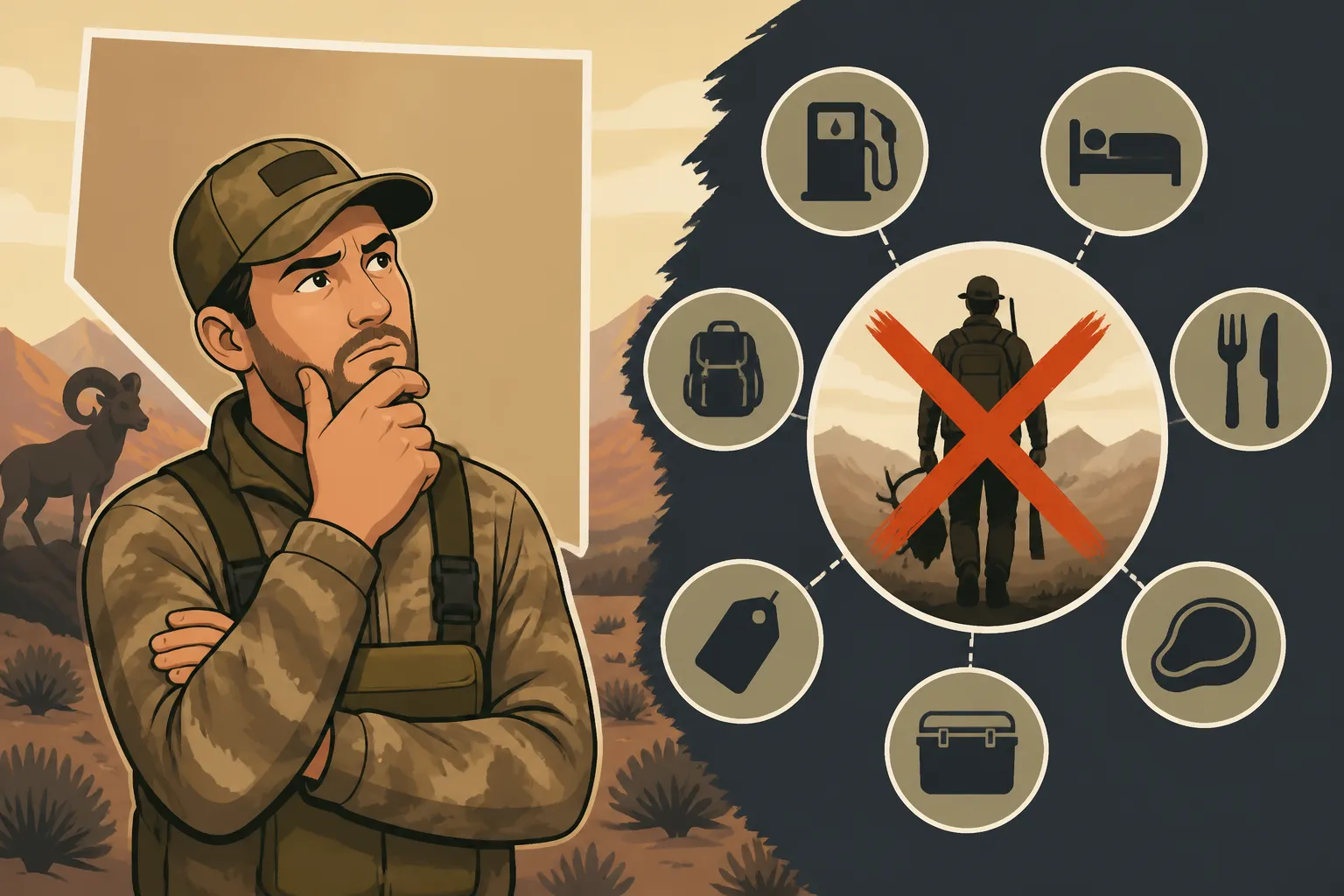
It’s a tale as old as time for many hunters dreaming of a big game hunt out West: you finally get a draw tag, or you decide to pay for a guaranteed opportunity, and you start looking at outfitters. You find what looks like a great price, only to discover later that the "all-inclusive" hunt you envisioned comes with a laundry list of additional costs. This guide is here to pull back the curtain on what outfitter prices almost never include, helping you budget accurately and avoid that frustrating sticker shock when it's too late.
The Foundation: Licenses, Tags, and Application Fees
Let's start with the absolute basics, because this is where the first layer of confusion often sets in. Many hunters, especially those new to guided experiences or state-specific draws, mistakenly assume that the outfitter's quoted price covers everything needed to legally hunt. That's almost never the case.
Why Your Tag Isn't Part of the Deal
When an outfitter quotes you a price for a Nevada mule deer or elk hunt, they are selling their services: their knowledge, their equipment, their time, and their access. They are not selling the hunting license or the actual game tag itself. These are government-issued permits that you, as the hunter, are responsible for obtaining. Think of it like booking a fishing charter; the captain provides the boat and the know-how, but you still need your own fishing license.
Nevada, like most Western states, operates on a draw system for its premier big game species. This means you have to apply for a tag, often months in advance, and hope you're successful. The outfitter can certainly guide you through the application process, advise you on which units to apply for, and even help you navigate the nuances of bonus points, but the application fee and the eventual tag fee (if you draw) will be your responsibility. A nonresident Nevada elk tag, for example, can be a significant investment on its own, completely separate from the outfitter's fee. Even if you secure a landowner tag or an auction tag, the cost of that permit is typically additional to what you pay the guide.
Combination Licenses and State Fees
Before you can even apply for a big game tag in Nevada, you need a valid hunting license, often referred to as a "combination license" because it covers both hunting and fishing privileges. This is another fundamental cost that will not be bundled into your outfitter's fee. It's a personal permit, required by the state of Nevada for anyone participating in hunting activities within its borders.
The price of this combination license, especially for nonresidents, needs to be factored into your total hunt budget right from the start. You'll also encounter application fees for each species you apply for in the draw. While these fees are usually smaller than the tag itself, they add up, particularly if you apply for multiple species or units. Outfitters often provide a lot of valuable insight here, advising clients on how to approach the draw, but the financial transaction for these licenses and applications rests squarely with the hunter. It’s crucial to understand Nevada's Combination License Comes Before Any Tag and that these are non-negotiable state requirements.
Understanding Draw Fees and Point Purchases
For those playing the long game in Nevada to build points for species like trophy mule deer or elk, there are also costs associated with simply purchasing "point-only" applications. This strategy allows you to accrue bonus points without actually applying for a tag, thereby increasing your odds in future draws. Many hunters use services like GoHunt to track their points and analyze draw odds. While this is a smart long-term strategy, each point purchase still incurs a small fee.
If you’re applying for a tag, there will be an application fee for that specific species, and if you're successful, a much larger fee for the actual tag will be charged. Outfitters are incredibly helpful in deciphering the complex regulations and unit choices, but they don't cover these costs. It's always best practice to check the current Nevada Department of Wildlife (NDOW) regulations for exact amounts, as these figures can shift periodically.
Beyond the Field: Processing, Preservation, and Praise
Once you’ve successfully harvested an animal, the work isn’t over. In fact, some of the most substantial hidden costs emerge in the aftermath of a successful hunt. These are services that, while integral to getting your trophy home, are almost universally handled by third parties and paid for by the hunter.
Meat Processing and Shipping
Picture this: you've just taken down a beautiful Nevada mule deer in some remote basin. Your guide and you have worked hard to field dress it and get it packed out of roadless country. What happens next to that meat? Unless your outfitter explicitly states otherwise (which is incredibly rare), you're on the hook for the cost of having that animal professionally processed.
This means paying a butcher to cut, wrap, and freeze your venison. Depending on the size of the animal and your preferences (sausage, jerky, specific cuts), this can be a significant expense. If you're traveling from out of state, there's also the formidable challenge and cost of getting that meat home. This might involve purchasing specialty coolers, dry ice, or paying for expedited shipping through a dedicated wild game shipper. Nobody wants to leave prime wild game meat behind, so always factor in these Meat Processing and Shipping Costs from the outset. Many outfitters have preferred local processors they recommend, but the bill will still be yours.
Taxidermy, Capes, and Horns
For many, a big game hunt isn't complete without a lasting memory in the form of a shoulder mount or European skull mount. The outfitter's role typically ends when the animal is field dressed and possibly caped in the field to the appropriate specifications for taxidermy. From that point on, securing a taxidermist, preparing the cape and horns for shipment, and covering the actual taxidermy work and shipping fees are all additional costs for the hunter.
It's common for hunters to arrange for a local taxidermist near the hunting area to pick up the cape and horns directly from the outfitter's camp or a local drop-off point. This saves you the hassle and cost of transporting raw materials. However, you'll still pay the taxidermist directly for their artistry and any subsequent shipping charges to get the finished mount to your home. These costs can easily run into the thousands, making it one of the most substantial "hidden" expenses if you haven't budgeted for it. Discussing your taxidermy plans with your outfitter beforehand can help ensure the cape is handled correctly in the field.
Gratuities for Your Hard-Working Guide and Staff
This is perhaps the most common and often underestimated additional cost, yet it's an absolutely essential part of the outfitting experience. Guides, cooks, wranglers, and camp staff work incredibly hard to make your hunt successful, comfortable, and memorable. Tips, or gratuities, are a customary and expected part of their compensation, often making up a significant portion of their income.
Many hunters fail to budget for this, leading to awkward situations or short-changing deserving staff. A good rule of thumb is to budget 10-20% of the total hunt cost for gratuities, distributed among the crew. This isn't a hard and fast rule, and excellent service might warrant more, while poor service might warrant less. However, going into a hunt without any budget for tipping is a serious oversight. It's highly recommended to understand How Much to Tip a Hunting Guide before you even book your trip. These folks are passionate about what they do, and a generous tip shows your appreciation for their long hours, expertise, and dedication.
Logistics and Comfort: Travel, Accommodation, and Incidentals
The outfitter's price usually covers your stay and meals during the active hunt days, typically from the time you meet them at a designated rendezvous point until the hunt concludes. What happens before and after those specific hunt dates, and how you get there, is usually on you.
Travel to and From the Hunting Area
How are you getting to Nevada? Are you flying into Reno or Las Vegas and renting a vehicle? Or are you driving your own rig across state lines? These transportation costs are almost never included in an outfitter's price. This covers everything from airline tickets and baggage fees (especially for firearms or bows), to rental car fees, fuel costs for your personal vehicle, and even potential wear and tear on your truck if you're driving hundreds of miles on rough Nevada backroads.
Some outfitters might offer airport transfers from a regional airport if it's close to their base camp, but this is usually a specific service that needs to be arranged and sometimes paid for separately. Never assume. Always ask about the closest meeting point and how you're expected to get there. Planning your travel well in advance and understanding potential Airport Transfers From Reno for a Hunt can help you save money and stress.
Pre and Post-Hunt Accommodation
Your outfitter's price covers your lodging during the hunt itself—whether that's a tent camp, a wall tent, or a more established lodge. However, if your flight arrives the day before the hunt starts, or if you need to stay an extra night after the hunt ends to allow for meat processing or flight schedules, those hotel stays are on your dime.
Similarly, meals outside of the active hunting dates are your responsibility. It's a good idea to factor in a night or two of hotel stays and a few restaurant meals on either end of your trip, especially if you're traveling a significant distance. Many outfitters operate in remote areas, meaning you might have to stay in a town some distance away, adding to both your travel time and costs.
Essential Gear and Personal Items
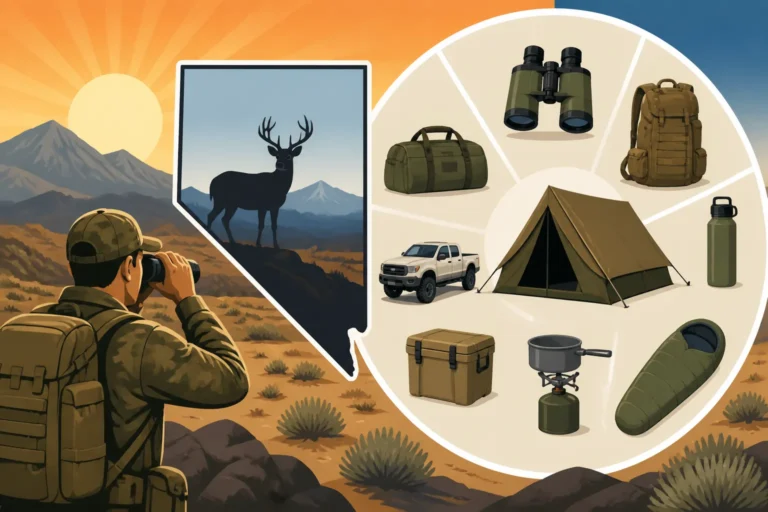
While a reputable outfitter will provide communal camping gear (like tents, cooking equipment, etc.) and specialized hunting gear (like horses or pack frames for meat), your personal hunting gear is entirely your responsibility. This includes your rifle or bow, ammunition or arrows, optics (binoculars, spotting scope), hunting clothing, boots, and personal hygiene items. This also means essential safety gear like a satellite messenger or GPS unit, especially if you plan any personal excursions outside of guided activities.
A good outfitter will provide you with a detailed The Gear List Your Outfitter Will Send, outlining everything you need to bring. Don't skimp here; quality gear can make or break a hunt in Nevada's harsh, high-desert environment. If you don't own specific items, you'll need to purchase or rent them, adding to your overall expense. Remember, your guide isn't packing extra rifles or boots for you!
The Fine Print and Unexpected Curveballs
Understanding the explicit exclusions is one thing, but there are also less obvious costs that can arise, often found buried in the contract's fine print or stemming from unforeseen circumstances. This is why thorough communication with your outfitter before committing is paramount. You can even utilize platforms like BookYourHunt to find and vet outfitters and compare what's included in their packages.
Trophy Fees and Additional Game
While less common for standard deer and elk hunts, some outfitters, particularly those offering unique or high-demand species, might include "trophy fees" in their pricing structure. This isn't typical for standard Nevada hunts, but it's crucial to be aware of. A trophy fee is an additional charge levied if you harvest an animal of a certain size or if you take a second animal. Always clarify if there are any conditions or additional costs for specific sizes of game (e.g., a bonus for a record-book animal) or if you want to pursue a second species on the same trip.
For instance, if you're on a deer hunt and decide, mid-trip, that you'd also like to try for a coyote or bobcat (if legal and in season), the outfitter might charge an additional daily rate or trophy fee for that secondary pursuit. These conversations should happen well before the hunt begins, so there are no surprises in the field.
Cancellation Policies and Refunds
Life happens. Unexpected emergencies, changes in work, or a failed draw can force you to cancel a hunt. Most outfitters require a significant deposit, often non-refundable, to secure your booking. Their cancellation policies can vary widely, from losing your entire deposit to offering a partial refund or the chance to rebook at a later date.
It's critical to read and understand Reading the Cancellation and Refund Terms carefully before you put down a deposit. Some outfitters might offer a refund if you fail to draw a tag, but many will not, especially if their services are primarily about guiding you through the application process and guaranteeing a spot if you draw. This is particularly relevant if you're Booking Before Nevada Draw Results Post. Consider travel insurance that specifically covers hunting trips and draw failures to protect your investment.
Emergency Evacuation and Insurance
While rare, accidents and medical emergencies can occur in the remote Nevada backcountry. While your outfitter will be prepared for basic first aid, serious injuries often require professional medical evacuation, which can be incredibly expensive.
Most outfitters do not cover the cost of medical evacuation or emergency services. It's highly recommended to have your own personal medical insurance and, ideally, a separate medical evacuation insurance policy (like those offered by Global Rescue or Ripcord). These policies provide peace of mind that if you get seriously injured deep in the wilderness, you won't be saddled with exorbitant helicopter rescue bills. Always discuss emergency protocols with your guide before heading into the field. If you're carrying a satellite messenger for Satellite Communication From a Hunting Camp, ensure it has an SOS function linked to emergency services.
The Bottom Line: Communicate and Budget
To avoid any nasty surprises, the single most important thing you can do is have a thorough, frank conversation with your prospective outfitter before you commit. Ask detailed questions about every aspect of the hunt and what is explicitly included versus what is not. Don't be shy; a reputable outfitter will appreciate your diligence and be transparent about their pricing structure.
Here's a quick checklist of things to specifically ask about that are often not included in the base price:
| Item Type | Typically Included in Outfitter Price? | Hunter is Responsible For: |
|---|---|---|
| Licenses & Tags | No | State hunting license, draw application fees, actual hunt tags |
| Gratuities | No | Tips for guides, cooks, wranglers, camp staff |
| Meat Processing | No | Butchering, packaging, freezing |
| Meat Shipping | No | Coolers, dry ice, specialized shipping services |
| Taxidermy | No | Mounting, shipping of cape/horns |
| Personal Gear | No | Rifle/bow, ammo, optics, clothing, boots, personal effects |
| Travel (to/from hunt) | No | Flights, fuel, rental car, vehicle wear & tear |
| Pre/Post-Hunt Lodging | No | Hotels, meals outside of hunt dates |
| Emergency Evacuation | No | Medical insurance, emergency evacuation policy |
| Additional Species/Fees | Rarely | Trophy fees, charges for secondary animals, extra hunting days |
Do your homework. Read reviews. Talk to past clients. Check resources like BookYourHunt for transparency in their listings. Don't let a seemingly great deal turn into a nightmare of unexpected costs. A well-planned and thoroughly budgeted hunt allows you to focus on the experience itself—the challenge, the camaraderie, and the incredible beauty of Nevada's wild landscapes. Armed with this knowledge, you can approach your next guided hunting adventure with confidence and a truly accurate financial picture.
Disclaimer
This article is for general informational purposes only and does not constitute professional advice. Laws, prices and regulations vary by location and change over time. Consult a qualified professional for guidance on your specific situation.