Guide to Hunter Ratio Limits on a Trip
It's easy to get caught up in the excitement of drawing a coveted Nevada big game tag. You've dreamed of chasing mule deer across the vast sagebrush basins or bugling an elk in the high country. When you decide to hire a guide to maximize your chances, a big question often pops up: how many other hunters will be sharing that guide's expertise, time, and attention? This ratio—hunters to guides—is a critical, yet often overlooked, factor that can profoundly impact your entire hunting experience. Understanding what these ratios mean, why they matter, and how to choose the right one for your adventure is key to avoiding disappointment and ensuring your trip lives up to expectations.
Understanding Hunter-to-Guide Ratios and Why They Matter
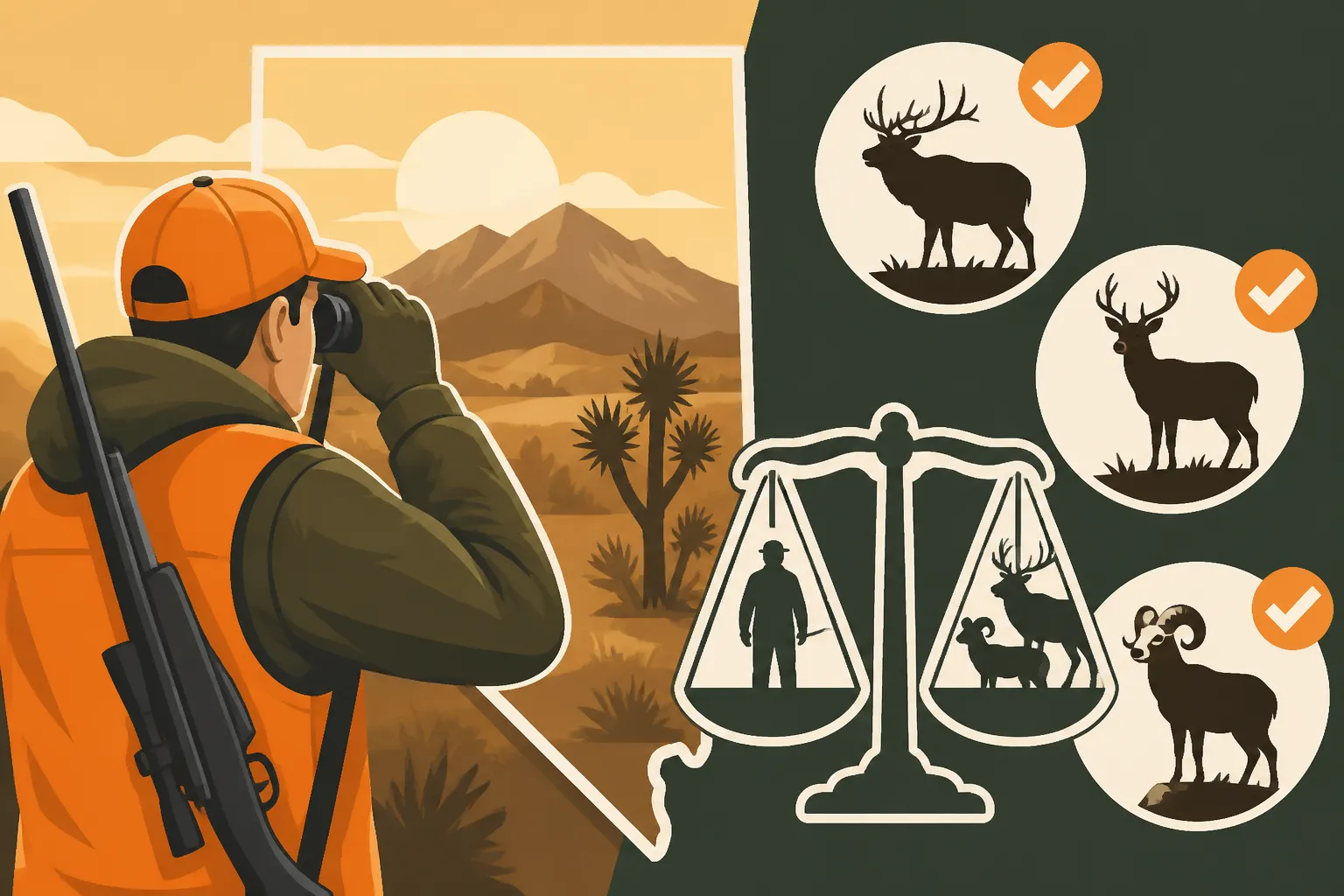
When you're shelling out good money and investing precious time and effort into a guided hunt, you're buying more than just access or expertise; you're buying attention. The ratio of hunters to guides dictates just how much personalized attention you'll receive, and in Nevada's vast, often challenging terrain, that can make all the difference. This isn't just about fairness; it's about safety, strategy, and the quality of your hunt.
Legal Requirements and Practical Considerations in Nevada
Unlike some other states or countries that might have strict legal mandates on hunter-to-guide ratios for specific species or situations, Nevada primarily operates on a framework of ethical guiding practices and what makes practical sense in the field. There aren't usually hard and fast laws dictating, for example, that an elk hunt must be 1:1. Instead, it's largely driven by the outfitter's business model, the type of hunt, and the terrain itself.
Think about it this way: chasing a bighorn sheep in remote, rugged mountains is a vastly different endeavor than sitting a waterhole for antelope. In many cases, outfitters will self-regulate these ratios based on what they know works best for safety and success. A good outfitter, especially one with a Nevada Master Guide License, understands that putting too many hunters with one guide can compromise safety, reduce success rates, and ultimately lead to unhappy clients. They want repeat business and good word-of-mouth, so they strive for effective ratios. However, it's always up to you to clarify this before booking. Never assume.
Impact on Hunt Quality and Overall Experience
The hunter-to-guide ratio directly affects almost every aspect of your hunt. Consider the following:
- Dedicated Attention: With a 1:1 ratio, your guide is entirely focused on you. Your physical capabilities, your shooting ability, your preferences, and your pace dictate the day. Every glassing session, every stalk, every decision is made with only one hunter in mind. This is invaluable when conditions are tough or a trophy animal is spotted.
- Flexibility and Responsiveness: In a 2:1 or higher ratio, compromises often have to be made. If one hunter is struggling physically, the group might have to slow down. If two hunters spot different animals, the guide has to make a tough call, or perhaps split the group, which can reduce the effectiveness of both sub-groups. The ability to pivot quickly, change plans, or pursue a specific opportunity is diminished with more people.
- Learning and Mentorship: For newer hunters, or those looking to expand their skills, a 1:1 or 2:1 ratio offers far more opportunity for personalized instruction. Your guide can teach you how to read sign, judge an animal, use optics effectively, or Playing Thermals on a Rimrock Stalk. In a larger group, the guide's attention is spread thin, and these teaching moments can be lost.
- Safety: While Nevada guides are professionals, more hunters mean more variables. More guns, more movement, more potential for miscommunication. A lower ratio inherently offers a higher degree of control and direct oversight from your guide, especially in challenging terrain or with inexperienced hunters.
Common Hunter-to-Guide Ratios Explained
When you look at guided hunt offerings, you'll typically see ratios like 1:1 (one hunter, one guide), 2:1 (two hunters, one guide), or sometimes 3:1 or even higher for certain types of hunts. Each has its own distinct characteristics, benefits, and drawbacks that are worth weighing before you commit your hard-earned money and precious draw tag.
The Intimacy of a 1:1 Hunt
A 1:1 hunter-to-guide ratio is often considered the gold standard for many big game hunts, especially for elusive or high-value species like elk or bighorn sheep. This is where you get the most personalized, dedicated experience possible.
- Pros:
- Unrivaled Attention: Your guide's sole focus is on your success and your experience. They cater to your pace, your fitness level, and your specific goals. If you want to spend extra time glassing a particular basin, or if you need a slower pace up a steep ridge, that's what happens.
- Tailored Strategy: Every decision, from where to start the day to which animal to stalk, is made with your abilities and preferences in mind. There's no need to compromise with another hunter.
- Enhanced Safety: With only one hunter to monitor, a guide can maintain tighter control over safety protocols, especially when navigating difficult terrain or making a final approach on an animal.
- Maximized Opportunity: When that trophy animal steps out, there's no confusion about whose shot it is, and the guide can focus all their energy on getting you into the best possible position.
- Ideal for Specific Hunts: For a truly demanding hunt, like a Nevada Bighorn Sheep Guided Hunts or a specialized guided Nevada elk hunt, a 1:1 ratio is often preferred, if not essential.
- Cons:
- Higher Cost: This individualized attention comes at a premium. A 1:1 hunt will almost always be significantly more expensive than a 2:1 or 3:1 option because you're covering the guide's wages, logistics, and overhead entirely by yourself.
- Solitary Experience: While some hunters prefer the solitude, others might miss the camaraderie of sharing the experience with a hunting partner or friend.
The Dynamics of a 2:1 Hunt
The 2:1 hunter-to-guide ratio is a very popular choice, striking a balance between cost and personalized service. It's particularly common for hunts where hunters are often friends or family.
- Pros:
- Cost Sharing: This is the primary advantage. By splitting the guide's fee with another hunter, you significantly reduce your individual cost compared to a 1:1 hunt. This makes guided hunts more accessible for many.
- Companionship: Sharing the experience with a friend or family member can greatly enhance the memories and enjoyment of the trip. You have someone to debrief with at the end of the day, share the highs and lows, and even help glass.
- Still Good Attention: While not as personalized as 1:1, a 2:1 ratio still allows for a good deal of individual attention from the guide. Most professional guides can effectively manage two hunters, especially if both are reasonably capable.
- Effective for Many Species: For many species, like Guided Mule Deer Hunts in Nevada in open country, a 2:1 ratio can be very effective, allowing the guide to scout and direct two hunters.
- Cons:
- Potential for Compromise: Decisions like where to hunt, how long to stay, or which animal to pursue might involve compromises between the two hunters. This means you might not always get your exact preference.
- Pace Dictated by Two: If one hunter is less fit or less experienced, the pace of the hunt might be slower than you'd prefer. Conversely, if you're the slower one, you might feel pressured.
- Divided Attention: The guide's attention is, by necessity, split between two individuals. This can be critical during a fast-paced stalk or when multiple animals are spotted simultaneously.
- Group Dynamics: If you're paired with a stranger, there's always a chance of personality clashes or differing expectations, which can detract from the experience.
Group Hunts and Larger Ratios (3:1 or more)
While less common for trophy big game, larger ratios of 3:1 or more can sometimes be found, especially in situations where logistics are less complex, or the hunt is more about participation than individual trophy pursuit.
- Pros:
- Lowest Cost: The biggest draw for a larger group hunt is the significantly lower per-person cost. This can make a guided trip much more affordable.
- Social Aspect: For groups of friends or family, a larger ratio can be a fantastic social experience, creating shared memories.
- Cons:
- Minimal Individual Attention: The guide's attention will be spread very thin. Personalized instruction or tailored strategies are almost impossible.
- Significant Compromises: Almost every decision will be a group decision, often leading to compromises that might not suit individual preferences. The hunt's pace will be dictated by the slowest or least experienced member.
- Reduced Opportunities: With more hunters, getting everyone into a shooting position on a wary animal becomes much harder. Opportunities might be missed or rushed.
- Increased Safety Concerns: More people mean more potential for accidents, especially with firearms. The guide's ability to maintain direct oversight of everyone is severely limited.
- Not Ideal for Stalking: For Spot and Stalk Antelope on Nevada's Open Flats or similar hunts requiring stealth and precise movement, a larger group is generally counterproductive.
Here's a quick comparison of these ratios:
| Feature | 1:1 Hunter-to-Guide Ratio | 2:1 Hunter-to-Guide Ratio | 3:1+ Hunter-to-Guide Ratio |
|---|---|---|---|
| Cost (Relative) | Highest | Moderate (shared) | Lowest (shared by many) |
| Guide Attention | Fully dedicated, highly personalized | Divided between two, still good | Very limited, general direction |
| Flexibility | Very high, dictates pace and strategy | Moderate, requires compromise between hunters | Low, group dictates pace and strategy |
| Suitable for | High-value tags, challenging terrain, specific goals, learning, Nevada Elk Rifle Hunts Stretch From October Into December, Nevada Bighorn Sheep Guided Hunts | Friends/family, cost-sharing, good for many species like Guided Mule Deer Hunts in Nevada | Social trips, less emphasis on individual success, certain bird hunts |
| Safety Oversight | Maximum | Good | Reduced |
| Learning Opportunity | Excellent, direct mentorship | Good | Minimal |
| Companionship | Solitary, unless with non-hunting partner | Excellent for friends/family | High, social atmosphere |
Choosing the Right Ratio for Your Nevada Hunt
Deciding on the right hunter-to-guide ratio is a personal decision, but it's one you should make thoughtfully, considering your budget, your hunting goals, the species you're pursuing, and your personal preferences. Don't just pick the cheapest option; think about the experience you truly want.
Budget vs. Experience: Finding Your Sweet Spot
Let's be realistic: a guided hunt is an investment. The price difference between a 1:1 and a 2:1 hunt can be substantial, and for many hunters, budget is a primary concern. However, remember that "value" isn't just about the lowest price.
- If budget is paramount: A 2:1 hunt, especially with a trusted friend, often provides the best balance. You get professional guidance and companionship without the top-tier cost of a 1:1. Be sure to discuss your expectations with your hunting partner beforehand.
- If the experience and success are paramount: If you've drawn a once-in-a-lifetime tag, like for a trophy elk or bighorn, and your budget allows, a 1:1 hunt dramatically increases your chances of success and personal satisfaction. The dedicated attention can make all the difference in a high-pressure situation. Why a Nevada Nonresident Elk Tag Costs So Much illustrates the investment you're making, and a 1:1 guide can help protect that investment.
- Consider a 'Hybrid' Approach: Some outfitters might offer semi-guided hunts or drop camps where you might have less direct, constant guiding but still have support. This could be a way to manage costs. Understanding Drop Camp Against Fully Guided options is key here.
Species, Terrain, and Physicality
The type of animal you're hunting and the terrain you'll be covering in Nevada also play a huge role in determining the ideal ratio.
- Mountain Hunts (Elk, Sheep, Goats): For species in rugged, high-elevation terrain like Nevada's Ruby Mountains or Schell Creek Range, a 1:1 ratio is often highly recommended. The physical demands are intense, the animals can be incredibly wary, and safety in remote country is paramount. Your guide needs to be able to focus entirely on your safety and getting you into position.
- Open Country Hunts (Mule Deer, Antelope): For more expansive, open-country hunts, such as chasing Mule Deer Are the Reason Most Hunters Apply in Nevada in the basin and range, a 2:1 can work very well. Guides often use optics extensively (see Glassing Nevada's Basin and Range for Mule Deer) and can effectively direct two hunters simultaneously, especially when stalking from a distance. However, for a truly exceptional buck, you still might prefer the undivided attention of a 1:1 guide for the final approach.
- Upland Birds (Chukar): While less common for big game, a larger group could be acceptable for some bird hunts, where the focus is more on covering ground with dogs and flushing birds. However, even for Chukar Is Nevada's Signature Upland Bird, many prefer a 2:1 or even 1:1 if they want dedicated dog work and attention. Remember that Physical Conditioning for a Chukar Hunt is critical, regardless of the ratio.
Asking the Right Questions When Booking
Before you put down a deposit, open a dialogue with the outfitter. This is crucial for setting expectations and ensuring you get the hunt you envision. Websites like BookYourHunt or GoHunt can be great resources for finding outfitters and researching general hunt details, but direct communication is essential for these specifics.
- "What is your typical hunter-to-guide ratio for this specific hunt and species?" Don't just ask about the hunt; ask about your hunt.
- "Will I be hunting with a partner, and if so, can I choose who I'm paired with (e.g., a friend)?" If you're a single hunter booking a 2:1, clarify if you'll be paired with another solo hunter or if the outfitter has other arrangements.
- "How does the ratio impact the daily schedule and pace of the hunt?" Get a sense of what a typical day looks like.
- "What happens if one hunter in a 2:1 group needs to slow down or has a different goal?" Understand the outfitter's policy on managing differing needs within a group.
- "Are there options for changing the ratio if I decide I want more dedicated attention?" Sometimes, for an additional fee, an outfitter might be able to accommodate a change.
Remember to Vetting a Nevada Outfitter Before You Send a Deposit thoroughly and read their Deposits and Cancellation Terms in Nevada carefully, especially regarding ratios and group arrangements. The clearer you are upfront, the happier you'll be in the field. Ultimately, the best hunter-to-guide ratio is the one that aligns with your personal hunting style, budget, and the specific challenges of your Nevada adventure.
Disclaimer
This article is for general informational purposes only and does not constitute professional advice. Laws, prices and regulations vary by location and change over time. Consult a qualified professional for guidance on your specific situation.