Payment Plans Some Outfitters Offer
For many hunters, the dream of chasing big game across Nevada's vast and rugged landscapes is tempered by a very real concern: the financial investment. Guided hunts, especially for trophy animals like elk or bighorn sheep, can represent a significant cost, making it feel like an unattainable experience. This guide will explore how many reputable outfitters are recognizing this challenge and offering various payment plans to help make that once-in-a-lifetime Nevada hunting adventure a tangible reality, rather than just a distant aspiration.
The Reality of Nevada Guided Hunt Costs
Let's be honest, hunting in Nevada, particularly with a guide, isn't always a budget vacation. The sheer scale of the landscape, the specialized equipment, the knowledge of the animals, and the time commitment from professional outfitters all contribute to the price tag. When you're dreaming of bugling bulls in the high country or spotting a trophy mule deer across a wide-open basin, the sticker shock can sometimes pull you right back to reality. It's a completely valid frustration that many of us face, trying to balance our passion for hunting with the practicalities of our personal finances.
A guided hunt often encompasses much more than just the guide's time. It can include lodging, meals, transportation in the field, specialized equipment like spotting scopes and off-road vehicles, and the invaluable expertise gained over years of experience in specific hunt units. When you factor in the cost of a nonresident tag, which for something like an elk can be substantial, it's easy to see how the total sum quickly adds up. This isn't to discourage anyone, but rather to set a realistic expectation and understand why exploring flexible payment options is so crucial for many hunters. You might find resources like Nevada Nonresident Tag Pricing by Species or What a Guided Nevada Elk Hunt Costs helpful in understanding the baseline expenses.
Breaking Down the Major Expenses
When you start looking at a guided hunt, you're not just paying for a guide. You're investing in an entire logistical operation. Think about it: the guide has spent countless hours scouting, driving miles of dusty roads, and glassing distant hillsides to find those animals. They've maintained their vehicles, gear, and horses, and secured the necessary permits to operate on public lands, like those vast stretches of BLM acreage that define so much of Nevada hunting. All of this overhead, plus their expertise and time during your hunt, contributes to the overall fee.
Beyond the outfitter's fee, remember the tags and licenses. Nevada's draw system means you apply months in advance, and if successful, you'll need to pay for your tag. This isn't usually covered by the outfitter's price, and it's a separate, significant cost you'll need to plan for. Don't forget other incidentals like travel to and from Nevada, tips for your guide, meat processing, and shipping your trophy home. What Outfitter Prices Almost Never Include gives a good rundown of these often-overlooked costs. Budgeting is key, and understanding these components helps you see why a payment plan can be a lifesaver.
Common Outfitter Payment Plan Structures
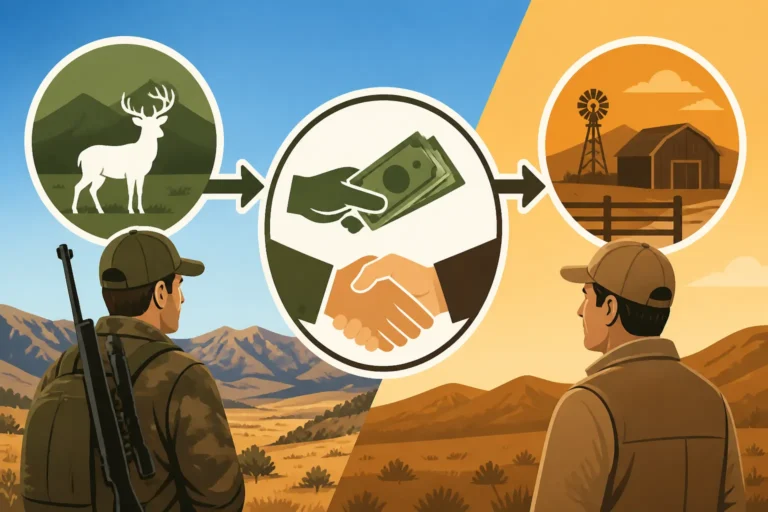
Recognizing that hunters often need to spread out the cost of a big game adventure, many Nevada outfitters have become increasingly flexible with their payment structures. It's not always a one-size-fits-all model, and the type of plan often depends on the outfitter's business practices, the total cost of the hunt, and how far in advance you book. The key is to communicate openly with potential outfitters about your financial needs early in the process.
Most outfitters operate on a system that involves an initial deposit, followed by one or more subsequent payments. This allows them to cover their initial booking and scouting expenses, while giving you time to save for the remainder. Websites like BookYourHunt often allow you to filter or inquire about outfitters who offer various payment terms, making it a good starting point for your research.
Standard Deposit and Balance Due Arrangements
The most common setup you'll encounter is a non-refundable deposit to secure your hunt dates and an outfitter's services. This deposit is usually a percentage of the total hunt cost, often ranging from 25% to 50%. This upfront payment tells the outfitter you're serious and allows them to allocate resources. The remaining balance is then due at a specified time before the hunt.
For instance, an outfitter might require a 50% deposit when you book, with the remaining 50% due 60 or 90 days before your hunt starts. This is a pretty standard model that most hunters are familiar with. It means you need to have a significant chunk of change available relatively early in the process, but then have a few months to save up for the final payment. This works well for hunts booked within the same calendar year, or for those who have a solid savings plan in place. For more detail on initial payments, see Typical Deposit Amounts Nevada Outfitters Ask.
Multi-Installment Payment Schedules
For higher-priced hunts, or those booked well in advance (sometimes a year or more out), outfitters might offer a more structured multi-installment plan. This breaks the total cost into three or more payments over time, making each individual payment smaller and more manageable. This can be a huge relief for hunters who might not have a large sum immediately available but can consistently put money aside over an extended period.
Imagine booking a highly sought-after elk hunt a year and a half out. An outfitter might ask for a deposit, then quarterly payments, with the final payment due a month or two before the hunt. This spreads the financial burden significantly. It's important to remember that these plans are usually a courtesy, and missing payments can lead to cancellation of your hunt and loss of previous payments, so clear communication and adherence to the schedule are paramount.
Customized Payment Agreements
While less common, some outfitters, especially smaller, family-run operations, might be open to customizing a payment schedule to fit your specific needs. This often happens after you've built a rapport and they understand your situation. It might involve weekly or monthly payments, or adjusting due dates slightly. Don't assume this is an option, but it never hurts to politely inquire if their standard plans truly don't work for you. Be prepared to offer a clear, written proposal for your requested payment schedule. This shows you're serious and have thought it through.
Remember, outfitters are running a business, and cash flow is important to them. Any customized plan still needs to ensure they receive their funds in a timely manner to cover their operational costs. Platforms like GoHunt, while primarily focused on draw odds and unit info, often have forums or resources where hunters discuss outfitter experiences, which might shed light on who offers more flexible terms.
Here’s a look at some common payment plan structures:
| Payment Plan Type | Initial Deposit | Subsequent Payments | Final Payment Due | Ideal For |
|---|---|---|---|---|
| Standard Two-Part | 25-50% | None | 60-90 days before hunt | Shorter lead times, larger lump sums |
| Three-Part Installment | 25-33% | 1-2 intermediate payments | 30-60 days before hunt | Mid-range lead times, spreading cost |
| Extended Installment | 10-25% | Multiple (monthly/quarterly) | 30 days before hunt | Long booking windows, smaller regular payments |
| Custom Arrangement | Variable | Flexible based on agreement | Negotiated with outfitter | Unique financial situations (by request) |
Navigating the Terms and Conditions of Outfitter Payment Plans
So, you've found an outfitter in Nevada that seems like a great fit, and they offer a payment plan that works for you. Fantastic! But before you sign on the dotted line, it's absolutely critical to delve into the fine print. This isn't just about protecting your investment; it's about understanding what happens in various scenarios that are often out of your control, like failing to draw a tag or unexpected life events. This can be one of the most frustrating parts of booking a big hunt – the anxiety of commitment versus the uncertainty of the future.
Every outfitter's booking policy will have specific terms regarding deposits, payment due dates, and what happens if plans change. Do not just skim over this section. Ask questions, get clarification, and make sure you understand every single point. A reputable outfitter will be transparent and willing to walk you through their terms. This due diligence is just as important as Vetting a Nevada Outfitter Before You Send a Deposit.
Cancellation Policies and Refunds
This is probably the most critical section of any outfitter agreement when it comes to payment plans. What happens if you need to cancel your hunt? Is your deposit refundable? What about subsequent payments? Often, deposits are non-refundable, as they secure your spot and compensate the outfitter for lost opportunities if you back out. However, some outfitters might offer partial refunds or credits towards a future hunt, especially if they can fill your spot.
The further out you cancel, the better your chances might be for some form of reimbursement, though it's never guaranteed. Always look for language about cancellation deadlines and whether different payment stages have different refund policies. For example, an outfitter might offer a 50% refund if you cancel 180 days out, but zero if you cancel within 60 days. This is a common practice to protect their business and ensure they can maintain their operations. Refunds When You Fail to Draw is another area where policies can vary wildly, so be sure to clarify that specifically.
What Happens If You Don't Draw a Tag?
This is a huge concern for anyone applying for a limited-entry tag in Nevada, where drawing can be a long shot, especially for nonresidents. Many outfitters understand this reality and have specific policies in place for clients who fail to draw the necessary tag. Some will offer to roll your deposit over to the next year's application cycle, allowing you to reapply and re-book with them. Others might offer a full or partial refund of your deposit, while some may retain a small administrative fee.
It's absolutely essential to get this policy in writing before you pay any money. Don't rely on a verbal agreement. Given the competitive nature of the Nevada draw, this clause can be a make-or-break factor in choosing an outfitter. Discussing this upfront can alleviate a lot of stress associated with Booking Before Nevada Draw Results Land. You might even ask if they have a "guaranteed draw" option where they hold a conservation tag, though these are rare and significantly more expensive.
Importance of a Written Contract
I cannot stress this enough: always, always, always get every detail of your hunt booking and payment plan in a written contract. This contract should clearly state the total cost, the payment schedule, the amount of each payment, due dates, and all policies regarding cancellations, refunds, and what happens if you don't draw your tag. It should also outline what is included and excluded from the hunt price.
A clear, unambiguous contract protects both you and the outfitter. It prevents misunderstandings and provides a legal framework if any disputes arise. Don't be shy about asking for clarification on any section you don't fully comprehend. If an outfitter is hesitant to provide a written agreement or is vague about their terms, that's a significant red flag you should heed.
Budgeting and Planning Your Nevada Guided Hunt
Even with flexible payment plans, a guided hunt in Nevada requires careful financial planning. It's not just about covering the outfitter's fee; it's about seeing the entire picture, from start to finish. Taking the time to map out all potential costs will prevent unwelcome surprises down the road and ensure your dream hunt doesn't turn into a financial headache.
Think of it like building a house – you need to account for every nail, every board, and every hour of labor. The hunt is no different. You're building an experience, and that experience comes with many layers of cost. Understanding this holistic view will help you maximize the value of any payment plan an outfitter offers.
Creating a Comprehensive Hunt Budget
Start by listing every possible expense associated with your hunt. This goes beyond the outfitter's fee and your tag. Consider transportation to Nevada (flights, fuel if driving), accommodations before and after the hunt (if not included by the outfitter), food and drinks, gear upgrades, and shipping costs for your trophy or meat. Don't forget the gratuity for your guide, which is a customary and expected part of a guided hunt experience. How Much to Tip a Hunting Guide can help you estimate this important expense.
It’s often helpful to add a contingency fund, say 10-15% of the total estimated cost, for unexpected expenses. Vehicle breakdowns, lost gear, or even an extra night in a hotel due to weather can all add up. A thorough budget gives you peace of mind and allows you to enjoy the hunt without constant financial worry.
Timing Your Payments with the Draw and Season
Nevada's draw system adds another layer of complexity to financial planning. Applications typically open in March and close in May, with results usually out by late May or early June. Your outfitter might require a deposit to book before the draw, with the understanding that the remaining balance is contingent on you drawing a tag. When Nevada Applications Open in March and When Nevada Draw Results Are Released are critical dates to keep in mind.
If you are successful in the draw, you'll need funds available to pay for your tag promptly. Then, you'll work with your outfitter's payment plan for their services, ensuring all payments are made before the final due date, which usually precedes the actual hunting season (e.g., Nevada's August Archery Deer Season Opens the Year or Nevada Elk Rifle Hunts Stretch From October Into December). Coordinating these dates is crucial to avoid any last-minute scramble or, worse, losing your hunt spot.
Alternatives for More Budget-Conscious Hunts
If, after all the budgeting and exploring payment plans, a fully guided hunt still feels out of reach, don't despair! Nevada offers incredible opportunities for DIY public land hunting. While it requires more personal effort in scouting, planning, and logistics, it significantly cuts down on the costs. Instead of an outfitter's fee, you're primarily covering your tag, license, transportation, and gear.
Consider a multi-year strategy where you apply for bonus points to increase your draw odds for certain species, saving up for a guided hunt over several years. Or, start with a species that might have lower tag fees or easier draw odds, even if it's a DIY trip, to gain experience in Nevada's unique terrain. Planning a DIY Public Land Hunt in Nevada offers a great starting point for those considering this route. No matter your budget, the vastness of Nevada offers a hunting adventure for every dedicated sportsman.
Disclaimer
This article is for general informational purposes only and does not constitute professional advice. Laws, prices and regulations vary by location and change over time. Consult a qualified professional for guidance on your specific situation.