How Trespass Fee Arrangements Work
It can be incredibly frustrating to scout a promising Nevada hunt unit, only to discover that the prime winter range or the most reliable water source is locked up behind a fence, sitting on private ground. These situations often leave hunters feeling blocked, but there’s a solution that many experienced folks turn to: the trespass fee arrangement. This guide will walk you through exactly how these agreements work, why they're so common in our state, and how you can navigate them to unlock more hunting opportunities.
What Exactly Are Trespass Fee Arrangements in Nevada Hunting?
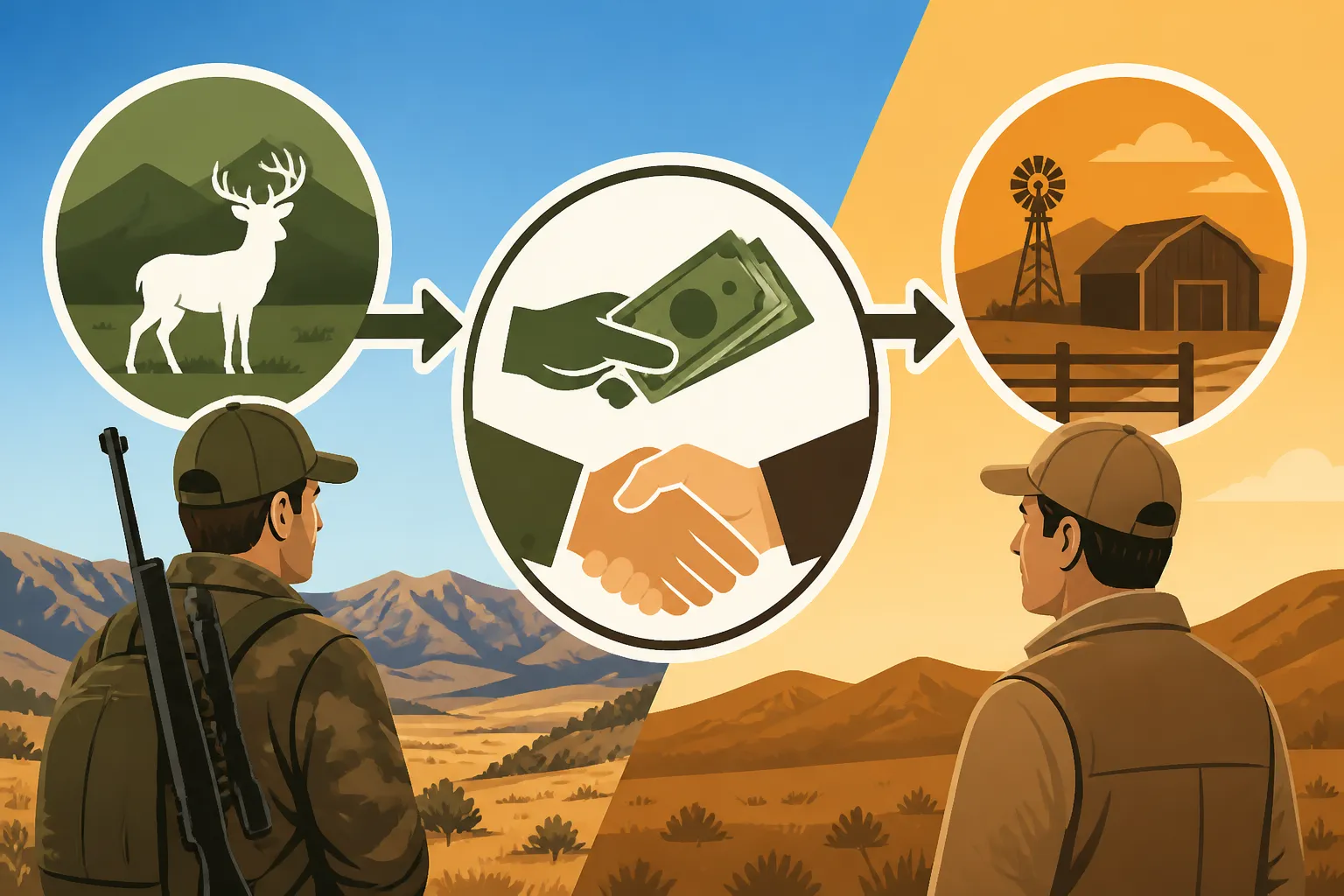
At its core, a trespass fee arrangement is a formal agreement where a landowner grants a hunter permission to cross or hunt on their private property in exchange for a fee. It's not about leasing the land for an entire season, nor is it about hiring a full-service guide. Instead, it's a specific, often short-term, permission to access a piece of private land that might otherwise be completely off-limits. Think of it as a key to a gate that unlocks access, not a full-blown hunting package.
These arrangements can vary wildly in scope. Some might be as simple as paying a rancher a few hundred dollars to cross a corner of their property to reach landlocked public ground. Others could involve paying a substantial sum for exclusive access to a specific canyon or portion of their ranch for a few days during a key hunting season. The landowner isn't typically providing guiding services, meals, or lodging, although sometimes a basic dry camp spot might be part of the deal. The hunter is still responsible for all the actual hunting—scouting, tracking, packing out game—but they gain the invaluable right to be on that specific piece of private property.
It’s a transaction built on mutual benefit: the landowner earns revenue from their property, which can help offset taxes or improve their operation, and the hunter gains access to potential prime hunting territory that might otherwise be inaccessible. Because so much of Nevada is made up of checkerboard land ownership, where private and public lands are intermingled, these agreements are a vital tool for maximizing hunting success and opening up areas that would otherwise remain untouched. Without them, many public land parcels would be effectively unhuntable due to lack of legal access.
Why Hunters Turn to Trespass Fees in Nevada's Landscape
Nevada’s vast, open landscape is deceiving. While it boasts an incredible amount of public land – How Much of Nevada Is Public Land is a great article to delve into that – a significant portion of that public ground can be landlocked by private holdings. This is where trespass fee arrangements become not just an option, but often a necessity for serious hunters. Imagine spending countless hours e-scouting, only to realize your dream hunting spot is surrounded by "No Trespassing" signs. This frustration is real, and it drives many hunters to seek out these agreements.
One of the primary reasons is access to quality habitat. Private ranches often encompass vital resources like year-round water sources, irrigated agricultural fields, or critical winter ranges that hold large numbers of game animals. These private parcels act as magnets, drawing deer, elk, and antelope from surrounding public lands. By securing a trespass fee, a hunter can gain access to these crucial areas, significantly increasing their chances of success. It’s not just about getting onto the private land; it’s about accessing the game animals that are utilizing it.
Another huge factor is pressure. Public lands, especially those with easy access, can see a lot of hunting pressure. By gaining access to private land, even if it's just a sliver to cross to public land, you can often escape the crowds. This can lead to a more peaceful hunt and encounters with less wary animals. For those who prioritize a quality hunting experience over just punching a tag, the opportunity to hunt undisturbed ground is a major draw. Many private lands receive very little hunting pressure, allowing mature animals to thrive.
Finally, some hunters use trespass fees as a strategic tool to access specific units or species. For example, if you've drawn a coveted tag in a unit known for large mule deer, but the best areas are partially controlled by private landowners, a trespass fee might be the only way to capitalize on that tag. The investment in a trespass fee can be a small price to pay when compared to the years of effort it took to draw a premier tag like that. The All-In Cost of a Nevada Mule Deer Hunt might give you perspective on the total investment involved.
Finding and Negotiating a Trespass Fee Agreement
So, you’ve decided a trespass fee might be the key to your next Nevada hunt. Great! But how do you actually go about finding and securing one? It’s less complicated than you might think, but it definitely requires some legwork and good old-fashioned communication.
Researching Land Ownership and Contact Information
Your first step is identifying the private land you're interested in and, crucially, who owns it. This is where modern technology really shines. Tools like mapping apps such as onX Hunt are invaluable for overlaying private and public land boundaries. You can see parcel lines, identify landowners, and sometimes even get contact information directly from the app. I often spend hours on these apps, identifying potential access points and noting owner names. Using onX Layers for Nevada Public Land explains this process in more detail.
Once you have a landowner's name, a simple online search can often yield phone numbers or mailing addresses. Local county assessor's offices are also public record and can provide this information if you're willing to make a call or visit. Don’t be afraid to utilize these resources. The more information you have, the better prepared you'll be.
Making the Initial Contact
This is arguably the most critical step. Remember, you're asking for a favor, even if you're paying for it. Be polite, professional, and respectful of the landowner's time. A phone call is generally better than an email, as it allows for a more personal connection. When you call, clearly introduce yourself, explain that you're a hunter interested in their property (specify which parcel if you can), and state your intentions. Are you looking to cross their property to access public land, or are you hoping to hunt a specific area of their private ground? Be upfront.
Key things to communicate during initial contact:
- Your Name and Origin: Be clear about who you are.
- Your Purpose: "I'm looking for permission to hunt deer on your property, or to cross your land to access public ground."
- Your Respect for Their Property: Emphasize that you will be careful, respect fences, gates, and livestock, and leave no trace.
- Your Flexibility: Be open to their terms and conditions.
Don't expect an immediate "yes." Many landowners are wary of granting access, especially to strangers. They might want to meet you in person, or they might already have existing agreements. Be prepared for a "no," but also be persistent (politely, of course). Sometimes it takes a few attempts or reaching out to several different landowners before you find a receptive one.
Negotiating the Terms of the Agreement
Once a landowner expresses interest, it's time to discuss the specifics. This is where the "fee" part of "trespass fee" comes in, but it's not just about the money. Here's a table outlining common discussion points:
| Aspect | Hunter's Consideration | Landowner's Consideration |
|---|---|---|
| Fee Amount | What's a fair price for the access? What's your budget? | What's the value of the access? What costs will it cover? |
| Duration of Access | How many days/weeks do you need? Specific dates? | How long can the property be tied up? Does it conflict? |
| Area of Access | Which specific fields, canyons, or paths do you need? | Are there sensitive areas (e.g., pastures, homesteads) off-limits? |
| Permitted Species | Are you hunting deer, elk, antelope, etc.? | Does granting access for one species impact another? |
| Vehicle Use | Can you drive on roads? Off-road for retrieval? | Are there sensitive roads? Will mud season be an issue? |
| Guest Policy | Can you bring a hunting partner or family member? | How many people are allowed? What are their rules? |
| Liabilities | Who is responsible in case of accident? | What are the risks of having hunters on the property? |
| Written Agreement | Request clear, written terms to avoid misunderstandings. | A written agreement protects both parties legally. |
When discussing the fee, be realistic. While a few hundred dollars might get you permission to cross a corner for a couple of days, gaining exclusive hunting rights to a prime 500-acre parcel for a week during the rut will command a much higher price, potentially several thousand dollars. Researching what similar access costs in other parts of Nevada can give you a baseline. Websites like BookYourHunt or GoHunt might list guided hunts or landowner tags that can give you a sense of value, even if they aren't directly comparable to a simple trespass fee. Sometimes, a landowner might work with an outfitter who has already secured exclusive rights, so you might need to go through them. Landowner Access Through a Nevada Outfitter discusses this dynamic.
Always, always, always try to get the terms in writing. Even a simple, signed document outlining the agreed-upon dates, areas, fee, and any specific rules (e.g., gate closures, no fires, retrieve game responsibly) can prevent misunderstandings down the road. This also protects both you and the landowner.
Setting Expectations: What to Know Before You Pay a Trespass Fee
Securing a trespass fee arrangement can feel like a huge win, but it’s crucial to go into it with clear, realistic expectations. This isn't a magic bullet, and it comes with its own set of responsibilities and potential challenges.
It's Not a Guided Hunt
The most important thing to remember is that you are buying access, not a guided service. The landowner is not your guide. They are not obligated to scout for you, help you track an animal, or assist with packing out your game. You are still entirely on your own for the actual hunting effort and logistics. This means you need to be just as prepared for a trespass fee hunt as you would for a DIY public land hunt. Think about your gear, physical conditioning, emergency plans, and everything else that goes into a self-sufficient outing. Preparing Physically for Long Glassing Days is a great resource for getting ready.
Respecting the Landowner's Rules and Property
Once you have access, your behavior is paramount. The landowner has placed trust in you, and upholding that trust is essential for future opportunities for both yourself and other hunters. This means:
- Follow all rules: If they say no driving off roads, stick to roads. If they specify certain gates must be closed and locked, do it.
- Leave no trace: Pack out all your trash, including spent shell casings.
- Respect livestock and fences: Drive slowly around animals, don't damage fences, and close all gates you open.
- Communicate: If something unexpected happens (a broken fence, an injured animal, or you just want to update them on your success), let the landowner know.
Burning bridges by disrespecting their property can not only cost you future access but can also sour the landowner on granting permission to any hunters, impacting the entire hunting community.
Understanding the Financial Commitment
Trespass fees can range significantly, from a couple of hundred dollars for basic access to several thousand for exclusive rights to prime acreage for a limited season. It's an investment, and like any investment, there's no guaranteed return in terms of a harvested animal. You're paying for the opportunity, not the animal itself. Factor this cost into your overall hunting budget. It's often an additional expense on top of your tag, license, travel, and gear. Consider checking resources from publications like GoHunt for articles on budgeting for western hunts, which often cover these types of access fees.
Potential Benefits and Drawbacks
Benefits:
- Exclusive Access: Often less crowded than public land, leading to higher quality experiences.
- Prime Habitat: Access to water, feed, and bedding areas that hold game.
- Strategic Advantage: Can unlock otherwise inaccessible public land or vital corridors.
- Direct Impact: Your fee directly supports the landowner, fostering goodwill.
Drawbacks:
- No Guarantee: You might still not harvest an animal.
- Additional Cost: Adds to the overall expense of the hunt.
- Limited Scope: It's usually just for access, not guiding or services.
- Strict Rules: Landowners may have specific rules that limit your hunting style or movements.
Ultimately, a trespass fee arrangement in Nevada can be an incredibly rewarding way to expand your hunting horizons, gain access to quality ground, and enjoy a more secluded experience. It demands respect, clear communication, and a willingness to be self-sufficient, but for many, the trade-off is well worth the effort.
Disclaimer
This article is for general informational purposes only and does not constitute professional advice. Laws, prices and regulations vary by location and change over time. Consult a qualified professional for guidance on your specific situation.