How an Outfitter Opens Private Nevada Ground
For many of us who dream of chasing big game across Nevada's stunning, rugged landscapes, the public land draws can be a real heartache. Year after year, you put in for those coveted tags, watch your bonus points accumulate, and then… nothing. It's enough to make you wonder if you'll ever get to experience that truly special hunt. This guide is all about one powerful alternative: understanding how hunting outfitters can unlock private land opportunities, offering a different pathway to your Nevada big game adventure when public draws feel impossible.
Understanding Nevada's Unique Land Ownership Puzzle
Nevada is famously a state dominated by public land, with vast swaths managed by the Bureau of Land Management (BLM) and the Forest Service. We're talking about huge, open country that draws hunters from all over. But what often gets overlooked in the narrative of "public land heaven" is the significant amount of private ground interspersed throughout, particularly in the lower valleys and around historical ranching operations. These private parcels, often checkerboarded with public land, create a unique challenge and opportunity for hunters.
The Mix of Public and Private Parcels
Imagine looking at a map of a promising Nevada hunt unit. You'll see huge blocks of public land, but then, snaking through them, especially along rivers, creeks, or fertile valley floors, are these smaller, often irregular-shaped patches of private property. These are typically ranch lands, agricultural holdings, or mining claims that were established long ago. While it might look like a mosaic on a map, on the ground, these private sections can be crucial wildlife corridors, feeding grounds, or water sources, concentrating game animals that move between public and private acreage. This complex mix means that even on a seemingly "public" hunt, understanding boundaries is paramount, as accidentally crossing onto private property without permission can quickly turn a great day into a legal headache. This is where tools like Using onX Layers for Nevada Public Land can become indispensable.
Why Private Land Matters for Hunting
Private land in Nevada often offers what public land can't: control, reduced pressure, and frequently, prime habitat. Ranchers often manage their lands in ways that benefit wildlife, whether through water development, specific grazing practices, or simply leaving areas undisturbed. This can lead to robust animal populations, and in many cases, larger, more mature animals simply because they face less hunting pressure compared to accessible public areas. For hunters who are tired of competing with crowds or just want a more exclusive experience, these private parcels are incredibly appealing. They can also provide access to areas that are otherwise difficult to reach due to landlocked public sections.
How Outfitters Secure Private Ground for Hunting
So, how do outfitters gain access to these private havens? It's not magic, but a combination of long-term relationships, formal agreements, and often, significant financial investment. Outfitters act as intermediaries, bridging the gap between landowners looking to monetize their property and hunters seeking exclusive access.
Leasing Hunting Rights
One of the most common methods for outfitters to gain private land access is through long-term leases. Think of it like renting a piece of property for a specific period, but instead of living there, you're buying the exclusive right to hunt on it. These leases can range from a few select parcels to thousands of acres.
- The Agreement: An outfitter enters into a formal contract with a private landowner, outlining the terms. This includes the duration of the lease (often multiple years), the species that can be hunted, the number of hunters allowed, and of course, the financial compensation to the landowner.
- Benefits for the Outfitter: A lease provides the outfitter with guaranteed access and exclusivity. This means they can manage the hunting pressure, implement their own scouting and game management strategies, and offer their clients a truly private experience without worrying about other hunters. It's a stable foundation for their business.
- Benefits for the Landowner: For ranchers and other landowners, leasing hunting rights is a valuable source of income that complements their primary operations. It allows them to derive revenue from their land while often maintaining control over how it's used, ensuring it aligns with their agricultural or conservation goals. It's also a way to mitigate potential trespass issues by having a formal arrangement.
Trespass Fee Arrangements
Less formal, but still very common, are trespass fee arrangements. This is often a one-off or season-by-season agreement where a landowner grants permission for a specific hunter or group of hunters to access their land for a fee. The outfitter facilitates this.
- The Transaction: The outfitter might approach a landowner with a client already in mind, or they might have standing relationships that allow them to arrange access as needed. The fee is paid directly to the landowner for the privilege of "trespassing" (in the legal sense of entering someone's property, but with permission) to hunt.
- Flexibility: Trespass fee hunts offer more flexibility than long-term leases. They can be arranged quickly for specific hunts or unique opportunities, and they don't tie the landowner or outfitter into multi-year commitments. For some landowners, this might be preferable as it allows them to decide year-by-year if they want to offer hunting access.
- Common Use: You'll often see trespass fee arrangements for species where tags are harder to come by, or for high-value trophy hunts. This can be a great way for outfitters to expand their offerings without the overhead of a full lease, especially if they have strong relationships with multiple landowners across different units. For more on the costs involved, check out What Ranch Access Typically Costs.
Developing Landowner Relationships
Beyond legal agreements, the backbone of an outfitter's private land access is their relationship with landowners. In rural Nevada, trust and reputation are everything.
- Building Trust: Outfitters spend years, sometimes decades, cultivating relationships with ranchers. This involves demonstrating respect for the land, the livestock, and the landowner's operations. It means following rules, communicating clearly, and often going above and beyond to ensure a positive experience for everyone involved. A good outfitter understands that they are a guest on the land.
- Mutual Benefit: These relationships are often mutually beneficial. The landowner gets reliable income and peace of mind knowing who is on their property, while the outfitter gains consistent access to prime hunting ground. Sometimes, outfitters even help landowners with wildlife management or property improvements, further solidifying the bond. This is crucial when considering How to Ask a Nevada Rancher for Access.
The Benefits and Considerations of Private Land Hunts
Deciding whether a private land hunt through an outfitter is right for you involves weighing several factors. It's a different experience than a public land hunt, with its own set of pros and cons.
Advantages for Hunters
Private land hunts offer some compelling benefits, especially for those who've faced frustration with public draw odds or crowded hunting areas.
- Higher Success Rates: Generally, private lands experience less hunting pressure, and often have managed populations. This can translate directly into higher success rates for hunters, particularly for trophy animals. Game isn't constantly being pushed around, allowing for more natural patterns.
- Reduced Pressure and Exclusivity: Imagine hunting an area where you're the only hunter, or one of a very select few. That's the luxury private land provides. You don't have to worry about other hunters cutting you off, spooking your game, or setting up camp too close. This can make for a much more relaxed and enjoyable experience.
- Quality Game Opportunities: Because of reduced pressure and sometimes active habitat management, private lands often hold older, more mature animals. For hunters specifically targeting a trophy buck or bull, this can be a significant advantage.
- Logistical Convenience: Many private land hunts come with amenities like comfortable lodging, home-cooked meals, and easier access to hunting areas via ranch roads. This can significantly reduce the physical demands and logistical headaches compared to a DIY public land hunt deep in the backcountry. Think about how much simpler it is than Packing an Animal Out of Roadless Country.
Important Considerations
While appealing, private land hunts also come with their own set of considerations, primarily financial and philosophical.
- Cost: Let's be realistic – private land hunting is almost always more expensive than a public land draw hunt. The fees for access, combined with the outfitter's services, can add up. You're paying for the exclusivity, the convenience, and the higher probability of success. It's an investment, and it's essential to understand What a Guided Nevada Mule Deer Hunt Costs or The Average Cost of a Guided Nevada Elk Hunt before committing.
- Less "Wild" Feel: For some hunters, part of the appeal of hunting is the challenge of navigating vast public lands, earning your animal, and truly being self-reliant. Private land hunts, while offering incredible opportunities, can sometimes feel less like a wilderness adventure and more like a structured experience. This isn't a bad thing, just different, and it's a personal preference.
- Limited Unit Selection: Outfitters often operate in specific units where they have established private land access. This means your choice of hunt units might be narrower than if you were applying for public land tags across the entire state. However, a good outfitter often has access in units known for quality animals. You'll want to investigate Nevada Unit Groups and How They Work to see where these opportunities align.
- Vetting Your Outfitter: Just like any major purchase, you need to do your homework. Not all outfitters are created equal. You'll want to look into their reputation, ask for references, and thoroughly understand what's included in the hunt package. Websites like BookYourHunt can be a good starting point for exploring options and reading reviews, as can GoHunt's resources for researching outfitters. Be sure to ask Questions Worth Asking Before You Book to ensure a good fit.
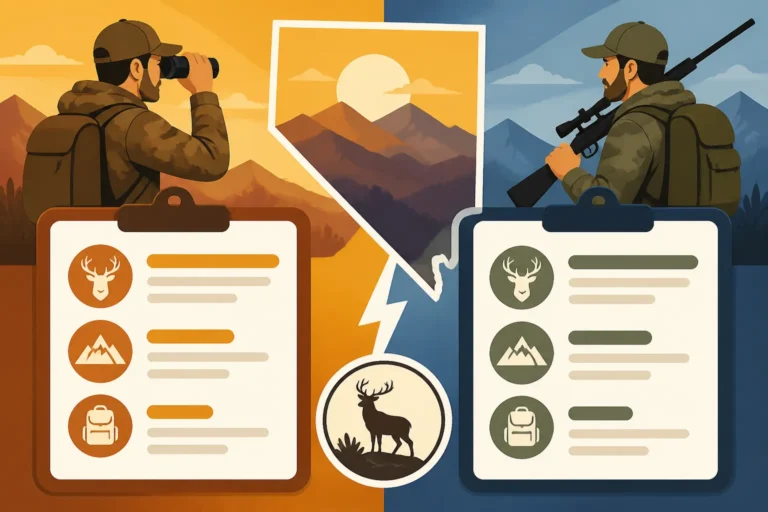
| Feature | Public Land Hunt (DIY) | Private Land Hunt (Outfitted) |
|---|---|---|
| Access | Open to all with proper tag/license | Exclusive, controlled by landowner/outfitter |
| Pressure | Often high, especially accessible areas | Low, managed by outfitter |
| Cost | License/tag fees, personal gear, travel | Significantly higher (access fees, guide services) |
| Success Rates | Variable, often lower due to pressure | Generally higher due to managed access |
| Experience | Rugged, self-reliant, wilderness adventure | Structured, convenient, focus on harvest |
| Flexibility | High (can choose own path, camp, etc.) | Lower (tied to outfitter's plan/property) |
| Game Quality | Hit or miss, often requires deep scouting | Often higher due to less pressure and prime habitat |
Choosing an Outfitter for Private Land Access
If a private land hunt sounds like the right move for your next Nevada adventure, the next step is finding the right outfitter. This isn't a decision to rush.
Research and Due Diligence
Start your research early, ideally long before the application deadlines. Many outfitters book up well in advance, especially for popular seasons or trophy animals.
- Online Resources: Use online platforms like BookYourHunt and GoHunt to discover outfitters operating in Nevada. These sites often provide detailed profiles, photos, and reviews from past clients. Look for outfitters specifically advertising private land access.
- Ask for References: Any reputable outfitter will be happy to provide a list of recent clients you can contact. Don't just call one; try to speak with several to get a balanced perspective on their operation, guide quality, and hunt success.
- Check Credentials: Verify that the outfitter and their guides are properly licensed in Nevada. The Nevada Department of Wildlife (NDOW) licenses guides, and you can usually find information on their official website. Knowing How NDOW Licenses Hunting Guides is a good step. Also, remember that guides working on federal lands (even if accessing private parcels) might need additional permits, so ask about Why Nevada Guides Need Federal Land Permits.
- Understand the Contract: Before you sign anything or send a deposit, read the contract thoroughly. Pay close attention to the payment schedule, cancellation policy, and what is explicitly included (and excluded) from the hunt price. What happens if you fail to draw a specific tag that the hunt depends on? Understanding Refunds When You Fail to Draw is crucial.
Key Questions to Ask About Private Land Hunts
When you're talking to an outfitter, don't be shy about asking specific questions related to their private land access.
- Location of the Private Ground: Where exactly is the private land located? Is it contiguous, or are there separate parcels? How does it connect with public land, if at all? Understanding the lay of the land, as well as the unit it's in, can help manage expectations. You should have a general idea of Reading a Nevada Hunt Unit Before You Apply yourself.
- Exclusive Access: Will you be the only hunting party on the private land during your hunt dates, or will there be other clients? While private land offers reduced pressure, knowing if you're truly exclusive can impact your experience.
- Game Management: How does the landowner or outfitter manage the game on the property? Do they implement specific harvest quotas or age restrictions? This can give you insight into the quality of animals you can expect.
- Hunting Methods: What hunting methods are primarily used on the private land? Is it stand hunting, spot-and-stalk, or something else? Ensure the methods align with your personal hunting style and expectations.
- Success Rates and Trophy Quality: Ask about their historical success rates on the private ground for the species you're targeting. While no hunt is guaranteed, an outfitter should be transparent about their track record and realistic about trophy expectations. This is where researching Outfitter Success Rates on Mule Deer or Outfitter Success Rates in Nevada can be helpful.
By carefully researching and asking the right questions, you can leverage an outfitter's private land access to open up some truly incredible Nevada hunting experiences that might otherwise remain out of reach. It's a significant investment, but for many, the quality of the hunt and the memories made are well worth it.
Disclaimer
This article is for general informational purposes only and does not constitute professional advice. Laws, prices and regulations vary by location and change over time. Consult a qualified professional for guidance on your specific situation.