What a Nevada Guide Carries in the Truck
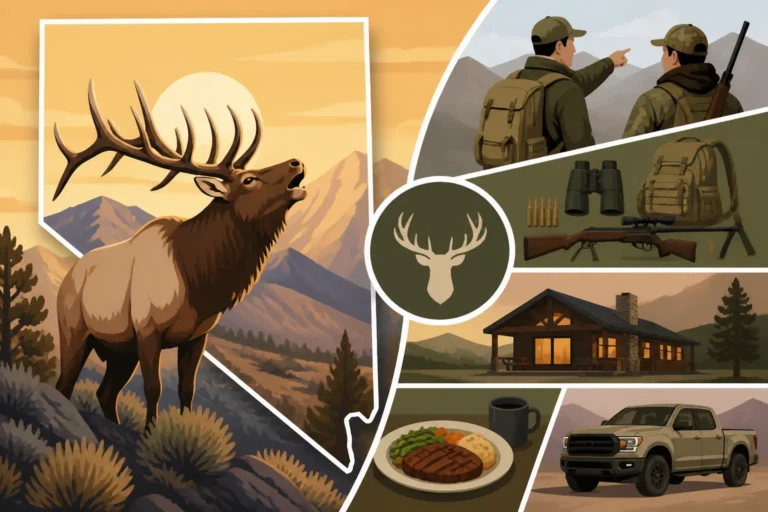
Hunting in Nevada can feel like stepping onto another planet. The vast, remote landscapes, the extreme weather swings, and the sheer scale of the country can leave you feeling incredibly vulnerable if you're not prepared. That's precisely why a good Nevada hunting guide is worth their weight in gold – they come equipped for almost anything, and their truck often acts as a mobile command center, supply depot, and emergency service all rolled into one. This guide will walk you through the essential gear and supplies a seasoned Nevada guide always has on hand, giving you a peek into the level of preparedness that ensures a successful and safe hunt.
The Essential Gear for Nevada's Rugged Terrain
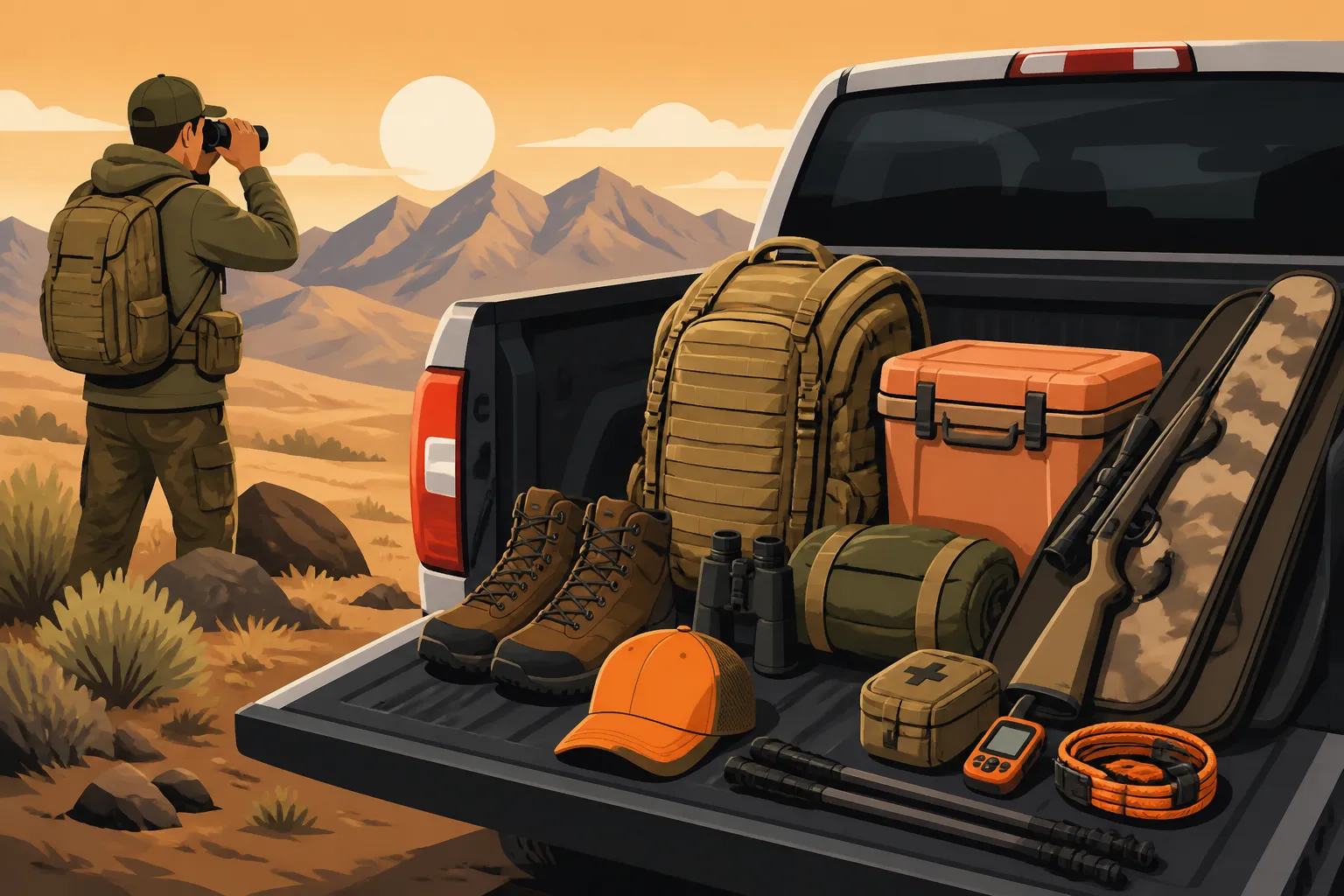
When you're miles from the nearest paved road, sometimes hundreds of miles from the closest town with services, your vehicle and its contents become your lifeline. A Nevada guide’s truck isn't just transportation; it's a critical piece of hunting equipment itself, packed with items to conquer the challenging landscape and unexpected breakdowns.
Vehicle Preparedness and Recovery
Imagine breaking down in the middle of a vast sagebrush flat, twenty miles down a barely-two-track road, with no cell service and a dropping thermometer. This isn't a hypothetical for a Nevada guide; it's a Tuesday. Their trucks are usually heavily modified and meticulously maintained, but even the best rigs can run into trouble. That’s why recovery gear is paramount. You'll often see heavy-duty winches mounted to custom bumpers, ready to pull a bogged-down rig out of a sand wash or off a high-centered rock. Traction boards, like those from Maxtrax or similar brands, are invaluable for getting unstuck in mud or deep sand, providing a ramp for tires to grip.
Tire issues are another constant threat. The volcanic rock and sharp shale found in many Nevada mountain ranges are brutal on sidewalls. A guide’s truck will carry at least one, often two, full-size spares, along with a high-quality jack, tire repair kits, and an air compressor. These aren't just small plug kits; we're talking about heavy-duty patches, tire irons, and sometimes even bead breakers. They know that a simple flat can turn into a multi-hour ordeal, and being able to fix it on the spot is crucial. Proper preparation for Vehicle Prep for Remote Nevada Roads is not just a suggestion; it's mandatory. Don't forget the importance of carrying extra fluids like oil, coolant, and brake fluid, especially when covering immense distances. A spare serpentine belt and basic tools for roadside repairs are also standard kit. A guide understands that every minute spent fixing a truck is a minute not spent hunting.
Navigation and Communication Essentials
In a state where cell service is a luxury, especially away from major highways, navigation and communication become highly specialized. While many hunters rely on mapping apps like onX or Gaia GPS on their phones, a guide takes it a step further. They'll have dedicated handheld GPS units, often ruggedized and powered by replaceable batteries, as a primary or backup system. These units are pre-loaded with detailed topographic maps and unit boundaries. Beyond that, paper maps are still king. They don't run out of battery, and a guide will usually have an atlas of Nevada or detailed BLM land management maps with their specific unit highlighted. Knowing Reading a Nevada Unit Boundary Before You Apply is essential for them, and they'll likely have these boundaries marked clearly.
For communication, two-way radios are non-negotiable for staying in touch with clients or other guides in the party, particularly when spread out glassing. These aren't just FRS radios from a big box store; they're often more powerful GMRS or even amateur radio units with external antennas for extended range in mountainous terrain. Even more critical for remote areas without any radio repeater access is a satellite messenger or a satellite phone. Devices like a Garmin inReach or a Zoleo allow for text messaging and, most importantly, an SOS function in true emergencies. This ensures that help can be summoned even when you're completely out of traditional communication range. If you're planning a DIY hunt, seriously consider Satellite Messenger Use in Remote Country for your own safety. A guide doesn't leave home without it.
Shelter and Overnight Contingencies
While many guided hunts involve established camps or even lodges, unexpected situations can arise that require an unplanned overnight stay in the field. A guide's truck will often carry emergency bivvy sacks or even a small tent, just in case. These aren't for comfort but for survival, providing crucial protection from the elements if a hunt goes long or a vehicle breaks down after dark. Sleeping bags or warm blankets are also common, especially when hunting in shoulder seasons where temperatures can plummet rapidly once the sun sets.
Beyond personal shelter, a guide will often have a supply of extra clothing layers, remembering that Nevada weather can be incredibly unpredictable. A warm morning can turn into a windy, snowy afternoon in a matter of hours, especially in the higher elevations. Layering for Basin and Range Temperature Swings is a survival skill, and a guide ensures their clients have access to extra warm gear if needed. This foresight can prevent hypothermia or just make an uncomfortable situation much more bearable.
Provisions and Comforts for Long Days in the Field
Hunting in Nevada is physically demanding. Long days are the norm, often starting well before dawn and ending long after dark. Your guide knows that a well-fed, well-hydrated, and comfortable hunter is a more effective and safer hunter. Their truck isn't just for gear; it’s a mobile kitchen and first-aid station too.
Water, Food, and Hydration
This is arguably one of the most critical aspects of preparedness in the Nevada desert. A guide's truck will have a substantial water supply, often several large jugs or a dedicated water dispenser, far beyond what might be needed for a single day. This is for drinking, cooking, cleaning, and emergency use. They understand that Water You Must Carry on a Desert Day Hunt is paramount, and they always carry more than enough. Dehydration is a serious concern in the arid environment, and a guide makes hydration a constant priority. Electrolyte mixes are often on hand to replenish salts lost during strenuous activity.
For food, guides often bring a mix of hearty, easy-to-prepare meals for camp, alongside high-energy snacks for the field. Think insulated coolers packed with sandwiches, wraps, fruit, and protein bars. A portable stove and cooking utensils are common for hot drinks or simple meals on colder days. They consider the caloric needs for Preparing Physically for Long Glassing Days and ensure there's enough fuel to keep everyone going. It's not gourmet dining, but it's nourishing, and having hot coffee or soup on a chilly morning can make all the difference to morale.
First Aid and Emergency Medical Supplies
Accidents happen, especially in rugged terrain far from medical help. A guide’s first aid kit is not your average band-aid box. These are comprehensive trauma kits, often resembling what a wilderness EMT might carry. Expect a full range of bandages, antiseptic wipes, pain relievers, blister treatment, and allergy medication. Beyond the basics, they'll often carry splints, wound closure strips, and even tourniquets for severe injuries. Many guides are certified in wilderness first aid, or at least have extensive experience dealing with common hunting injuries like sprains, cuts, and dehydration.
This preparedness isn't just for the hunters; it's for the guide too. They're often the first responders in an emergency, and having the right tools and training is crucial. Always ask your guide about their medical certifications and what kind of Wilderness First Aid on a Guided Hunt they have. They should be able to confidently explain their emergency protocols and the contents of their kit. This isn't just about patching up a boo-boo; it's about stabilizing a serious injury until professional help can arrive, which, in remote Nevada, could take many hours.
Personal Comfort Items for Extreme Weather
Nevada's high desert environment means extreme temperature swings can occur within a single day. A guide's truck will typically have extra jackets, hats, and gloves for clients who might not have layered appropriately or who underestimated the morning chill or evening drop. Sunscreen and lip balm are vital for protection against the intense high-altitude sun, even on cold days. Insect repellent can be a godsend during certain times of the year, particularly near water sources.
Having a comfortable place to sit and recover is also important. Folding chairs, a table, and perhaps even a pop-up canopy to provide shade or shelter from wind can often be found. These small touches contribute significantly to hunter comfort and morale, especially during those long mid-day glassing sessions or while waiting for an evening hunt. It’s all part of making the arduous endeavor of hunting these challenging units as enjoyable and effective as possible.
Hunting-Specific Equipment and Contingencies
Beyond the general survival and comfort items, a guide’s truck is meticulously organized with tools and gear specifically for the hunt itself. This is where their expertise really shines, ensuring they have everything needed from spotting game to getting it packed out.
Optics and Scouting Tools
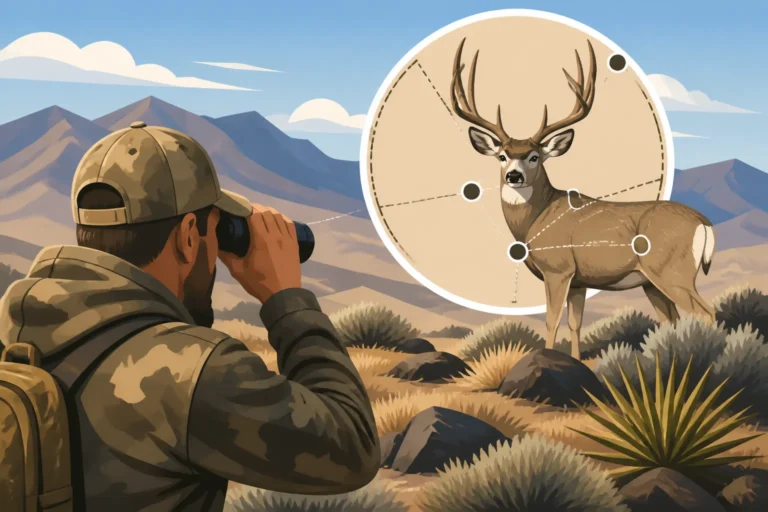
Nevada is a glassing state. Period. You spend more time behind optics than you do walking or shooting. A guide's truck will be loaded with high-quality optics, often more than one set. Expect powerful binoculars (10x to 15x are common), often paired with a sturdy tripod. Crucially, they’ll have a high-magnification spotting scope, usually 60x or even 80x, often with an angled eyepiece for comfort during long sessions. These are critical for Glassing Grids Across a Nevada Basin and for Judging a Mule Deer Buck at Distance. A guide knows that investing in top-tier glass is non-negotiable for finding and evaluating game in this expansive country.
Beyond just the optics themselves, guides will have cleaning kits to keep lenses pristine in dusty conditions, and sometimes even spare eyepieces or other small parts. They might also carry rangefinders with ballistic capabilities to aid in precise shot placement over the long distances common in Nevada. Additionally, some guides use tools like the GoHunt Insider platform for e-scouting before the season, using digital maps and historical data to identify potential areas, and their trucks might contain printouts or detailed notes from this pre-hunt planning. This deep dive into a unit's potential is a key part of their value.
Game Processing and Preservation
When a big game animal is on the ground, the work truly begins, and a Nevada guide is equipped for efficient and ethical processing. Their truck will contain a dedicated game processing kit, including sharp knives, a sharpening steel or ceramic sticks, a bone saw, and plenty of game bags. These aren't just grocery store bags; they are breathable, durable cloth bags designed to protect meat from dirt, flies, and allow it to cool properly. This is absolutely critical for Field Dressing in August Heat or really any time of year when meat spoilage is a risk.
Cooling the meat quickly is paramount, especially during early season hunts. Guides will often have large coolers, sometimes dedicated meat coolers, packed with ice or even dry ice. Some even carry portable meat hanging racks or gambrels to get the carcass off the ground and allow for better airflow. The sheer effort of Packing an Animal Out of Roadless Country underscores the need for efficiency in the field. They'll also have heavy-duty gloves for hygiene and protection, and plenty of cleaning supplies for both the meat and their tools. Understanding The Meat Salvage Requirements for Big Game is a legal and ethical responsibility they take seriously.
Repair Kits and Miscellaneous "Just in Case" Items
A guide's truck is a rolling toolbox. Beyond vehicle repair, they'll have small kits for firearm maintenance, including cleaning rods, brushes, and gun oil. Flashlights and headlamps with spare batteries are everywhere. Zip ties, duct tape, baling wire – the "fix-all" items that can temporarily mend anything from a broken rifle sling to a ripped pack. These little things can prevent a minor inconvenience from becoming a major problem.
They also often carry items that speak to their experience and foresight: an extra rope for tying down gear or helping with game recovery, small shovels or picks for digging out, and even a small library of local plant and animal identification guides. These aren't just for curiosity; they sometimes aid in identifying animal sign or understanding habitat. Everything is organized, often in bins and dedicated compartments, so they can quickly access what they need. If you're looking to book a guided hunt, platforms like BookYourHunt can connect you with guides who exemplify this level of preparedness, ensuring you have a partner who is truly ready for the challenges and rewards of Nevada hunting.
Table: A Guide's Truck Essentials Checklist
Here's a quick overview of the categories of gear you'd typically find in a well-equipped Nevada hunting guide's truck, highlighting their critical importance.
| Category | Essential Items | Purpose |
|---|---|---|
| Vehicle Recovery | Winch, traction boards, tow strap, high-lift jack | Getting unstuck, self-rescue in remote areas |
| Tire Repair | Multiple full-size spares, tire repair kit, air compressor, lug wrench | Addressing frequent tire damage on rough roads |
| Navigation | Handheld GPS, paper maps, compass, map case | Staying oriented off-grid, backup in case of electronic failure |
| Communication | Two-way radios, satellite messenger/phone | Field communication, emergency SOS, staying connected outside cell range |
| Water & Hydration | Large water jugs, electrolyte packets, water filter | Preventing dehydration, cooking, cleaning in arid environment |
| First Aid | Comprehensive trauma kit, personal medications | Treating injuries, stabilizing emergencies until help arrives |
| Game Processing | Sharp knives, bone saw, game bags, coolers, ice | Ethical and hygienic breakdown of game, meat preservation |
| Optics | Binoculars, spotting scope, tripod, rangefinder | Locating and evaluating game at long distances |
| Emergency Shelter | Bivvy bags, emergency blankets, small tent | Unplanned overnight stays, protection from elements |
| Basic Tools | Multi-tool, headlamps, flashlight, duct tape, zip ties | Field repairs, illumination, general utility |
This comprehensive list illustrates that a Nevada guide isn't just a person with local knowledge; they are an entire support system on wheels, ready to tackle the vast and often unforgiving wilderness. Their truck is a testament to preparedness, ensuring that your hunting adventure is as safe and successful as possible.
Disclaimer
This article is for general informational purposes only and does not constitute professional advice. Laws, prices and regulations vary by location and change over time. Consult a qualified professional for guidance on your specific situation.