How a Nevada Outfitter Plans a Sheep Hunt
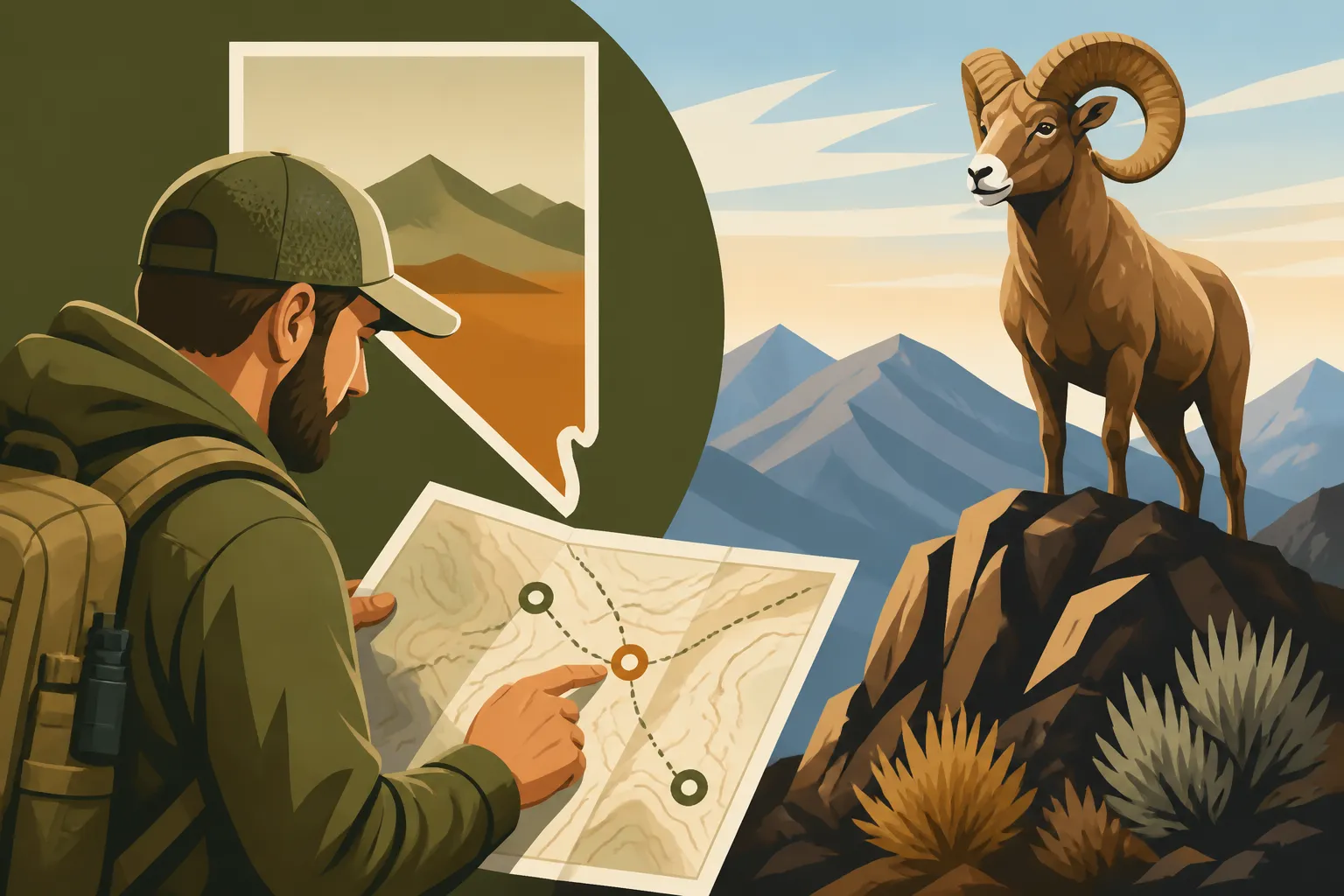
Drawing a Nevada bighorn sheep tag is often considered the pinnacle of western big game hunting, a true once-in-a-lifetime opportunity for most. But getting the tag is only the first step; the sheer vastness and ruggedness of Nevada's sheep country, combined with the elusive nature of these incredible animals, demand meticulous planning and execution. This guide will walk you through exactly how a seasoned Nevada outfitter approaches the complex task of planning a successful sheep hunt, from the initial scouting to the final pack-out.
The Unique Challenge of Nevada Sheep Hunting
Sheep hunting in Nevada isn't just another big game hunt; it's an expedition into some of the most unforgiving terrain in North America. Unlike deer or even elk that can be found in more varied habitats, bighorns demand specific, remote, and often brutal environments. Outfitters know this intimately and build their entire strategy around these unique conditions.
Understanding the Desert Environment
Nevada's bighorn sheep inhabit a world defined by stark contrasts: towering, jagged peaks rising abruptly from arid valleys, scorching summer days, and frigid nights. Water sources are scarce, and vegetation is sparse. This isn't lush mountain timber; it's a land of rock, sage, and volcanic rubble. For an outfitter, understanding these microclimates and the limitations they impose is paramount. They’re constantly analyzing maps for potential escape routes for the sheep, shaded bedding areas, and, most critically, water. In many units, the availability of water dictates sheep movement more than anything else, especially during earlier season hunts. Without a deep understanding of the desert ecosystem, an outfitter can't even begin to effectively scout or hunt these animals. They'll also consider how Drought Affects Great Basin Deer and other animals, extrapolating that impact to sheep.
Species-Specific Strategies and Units
Nevada is unique in that it offers opportunities for all three bighorn subspecies: Desert Bighorn, California Bighorn, and Rocky Mountain Bighorn. Each subspecies tends to occupy different geographic regions and sometimes slightly different types of terrain, though there's overlap. A good outfitter doesn't just know where to find sheep; they know which sheep. Desert Bighorn, often found in the hotter, lower elevation ranges of southern Nevada, might require strategies focused heavily on water sources and glassing vast, open hillsides. California Bighorn in the northwest might be in steeper, more broken country, while the Rocky Mountain Bighorn in the higher, more alpine eastern ranges could involve more vertical climbing and potentially thicker timber pockets. The outfitter's initial planning involves a deep dive into the specific unit the tag holder drew, examining herd data, past harvest success, and historical weather patterns to tailor their approach. They'll know Where Desert Bighorn Live in Nevada or Where Rocky Mountain Bighorn Live in Nevada and plan accordingly.
Pre-Season Scouting: The Outfitter's Critical Homework
Long before the client even arrives, a substantial amount of an outfitter's work for a sheep hunt is already complete, hidden in the countless hours of pre-season scouting. This isn't just a casual drive-by; it's an intensive, often grueling, commitment to understanding every rock and ravine.
Extensive Glassing and Patterning
The cornerstone of any successful Nevada sheep hunt, guided or DIY, is glassing. Outfitters spend an enormous amount of time, sometimes weeks on end, with high-quality optics, systematically sweeping vast expanses of sheep habitat. This isn't just about finding a ram; it's about finding the ram that matches the client's expectations (trophy quality, age, etc.) and then patterning him. They'll observe feeding routes, bedding areas, water access points, and escape routes. They're looking for predictable behaviors that can be exploited during the actual hunt. This often means repeated visits to the same areas, noting changes in movement due to weather, other animals, or even human presence. Understanding How Biologists Count a Desert Big Game Herd can help an outfitter interpret official data, but nothing beats personal observation.
| Scouting Focus | Desert Bighorn (South) | California Bighorn (NW) | Rocky Mountain Bighorn (East) |
|---|---|---|---|
| Primary Terrain | Arid, rocky desert mountains; lower elevation | Steep, broken volcanic country; mid-elevation | Higher elevation, rugged alpine peaks; potential timber |
| Water Importance | Extremely High; key to patterning | High; can influence daily movements | Moderate; more scattered sources |
| Glassing Range | Very long distances; vast open slopes | Mid-to-long distances; broken terrain requires careful grid patterns | Mid distances; can be limited by timber/deep canyons |
| Key Behavioral Indicators | Early morning/late evening feeding, consistent water visits | Movement between steep cliffs and feeding benches | Seasonal migrations, use of higher elevation basins |
| Access Considerations | Rough 4×4 roads, foot access, limited cover | Challenging 4×4, significant foot travel, horse potential | High clearance 4×4, extensive foot travel, pack animals |
Leveraging Technology and Local Knowledge
Modern sheep hunting combines old-school grit with cutting-edge technology. Outfitters use advanced mapping software to overlay property boundaries, terrain features, historical fire data, and known water sources. Services like GoHunt can provide valuable insights into draw odds, unit data, and harvest statistics, helping outfitters understand the potential of a unit even before putting boots on the ground. However, technology is only part of the equation. Local knowledge—from long-time residents, other guides, or even past clients—offers invaluable insights into historical animal movements, often-overlooked water holes, or subtle terrain features not easily discernible from a map. A good outfitter synthesizes all this information, using the tech to refine the ground-level intel gathered through strenuous physical scouting. They know Reading a Nevada Hunt Unit Before You Apply extends to understanding the granular details of the landscape.
Logistics and Support: Beyond the Stalk
A sheep hunt is as much about logistical superiority as it is about hunting prowess. The remote nature of Nevada's sheep habitat means that every piece of gear, every person, and every potential problem must be accounted for long before the hunt begins.
Gear, Personnel, and Contingency Planning
Packing for a sheep hunt is an art form. Outfitters bring specialized, high-quality gear designed for extreme conditions: lightweight yet durable backpacks, advanced optics (spotting scopes, rangefinders, binoculars), communication devices like satellite phones or messengers (because cell service is non-existent in much of sheep country), and medical kits ready for remote emergencies. The team typically includes the lead outfitter, perhaps a seasoned guide or two, and often a camp helper or spotter. Each person has a role, and physical fitness is non-negotiable for everyone involved. Crucially, outfitters develop comprehensive contingency plans. What happens if a vehicle breaks down 50 miles from the nearest paved road? What if someone gets injured? What if extreme weather rolls in? These are not "if" scenarios but "when" scenarios in Nevada's backcountry. The goal is to anticipate as many problems as possible and have solutions ready, emphasizing safety above all else. Water You Must Carry on a Desert Day Hunt is a crucial consideration, and the outfitter will always plan for more than enough.
Managing the Hunt in Remote Territory
Operating in Nevada's remote sheep ranges means being self-sufficient. Camps, whether spike camps on a mountain or a base camp at the trailhead, are strategically located for access to sheep habitat while minimizing impact. This often means significant distances from paved roads, requiring robust 4×4 vehicles, spare tires, extra fuel, and recovery gear. The outfitter is responsible for not just hunting, but for navigation, vehicle maintenance, camp setup, cooking, and ensuring the health and morale of the entire team. They'll have a deep understanding of Motorized Travel Rules on Nevada Public Land and respect all regulations. They will also manage food and water supplies for the duration of the hunt, often caching supplies beforehand. Given the remoteness, communication with the outside world is limited, requiring a self-reliant approach and the ability to adapt to changing conditions without external help.
The Hunt Itself: Executing the Plan
All the planning, scouting, and logistical preparation culminate in the actual hunt. This is where the outfitter's experience truly shines, guiding the client through a physically and mentally demanding pursuit.
Spotting, Stalking, and Ethical Harvest
Once in the field, the daily routine typically starts before dawn with intense glassing from vantage points. Identifying a ram, especially a mature, legal ram (often judged by horn curl, which an experienced outfitter knows intimately), can take hours or even days. Once a target ram is located, the real work begins: the stalk. This is an intricate dance of terrain reading, wind management, and patience. The outfitter leads the way, using every fold in the landscape, every rock, and every shadow for cover. Sheep have incredible eyesight and are masters of their rocky domain. A successful stalk might involve miles of hiking, traversing steep and unstable slopes, and often requires closing to within a few hundred yards or less for a high-percentage shot. The outfitter will guide the client in choosing the right shot opportunity and ensuring an ethical, clean harvest. They also need to know Deciding on a Buck Before He Moves and apply that same principle to sheep, as a ram might disappear quickly.
Post-Harvest Care and Extraction
Downing a bighorn ram is an immense achievement, but the work is far from over. The outfitter immediately initiates the process of field dressing and caping the animal to protect the meat and the trophy. Given the often-warm temperatures and remote locations, cooling the meat as quickly as possible is critical. This might involve quartering the animal and placing it in game bags in shaded, airy spots. Then comes the arduous task of extraction. This is typically done on foot, with each member of the hunting party carrying a portion of the meat, cape, and horns. This can mean multiple trips over extremely rugged terrain, sometimes miles back to a waiting vehicle or pack animal. Outfitters specialize in making this process as efficient and safe as possible, often relying on their physical conditioning and specialized packs to endure the heavy loads. They understand the crucial nature of Getting Meat Cooled on an Early Season Hunt and will have strategies in place. If you're looking to book such a monumental trip, reputable booking platforms like BookYourHunt can help connect you with experienced Nevada sheep outfitters. The planning for a sheep hunt doesn't just stop at the shot; it extends until every piece of that hard-earned trophy is safely back at the truck.
Disclaimer
This article is for general informational purposes only and does not constitute professional advice. Laws, prices and regulations vary by location and change over time. Consult a qualified professional for guidance on your specific situation.