Heat Management on an August Archery Hunt
There's nothing quite like the allure of an August archery hunt in Nevada. The tags are hard-earned, the mountains are vast, and the anticipation is thick in the air. But let's be real, stepping out into the Nevada desert in August means facing some truly brutal heat, and failing to manage it can turn a dream hunt into a dangerous ordeal. This guide is all about equipping you with the knowledge and strategies to not just survive, but thrive, during those scorching early season archery hunts.
Understanding the August Heat in Nevada
Nevada's August climate is no joke, especially when you're exerting yourself in pursuit of big game. It's a unique beast that demands respect and meticulous preparation. Ignoring the environmental factors is a rookie mistake that can have serious consequences, from ruined hunts to medical emergencies.
The Desert's Unique Challenges
When we talk about August in Nevada, we're talking about extreme temperatures that can easily soar into the triple digits by midday, even in the higher elevations. The air is often bone dry, with humidity levels so low that you barely even notice how much you're sweating until you're already deeply dehydrated. This dry heat is deceptive because it evaporates sweat so quickly, giving a false sense of coolness, making it easy to underestimate your body's water loss. The sun exposure is relentless, beating down from wide-open skies with very little natural cover in many units.
This combination of high temperatures, low humidity, and intense solar radiation rapidly increases your core body temperature and your body's demand for water. You're not just fighting the physical exertion of hiking and stalking; you're also fighting your body's natural cooling mechanisms trying to keep up. When you fail to replace the fluids and electrolytes lost through sweating, you quickly slide into dehydration, which severely impacts physical performance, cognitive function, and overall safety. It's a battle against the elements that you absolutely must prepare for before you even leave home.
Predicting Daily Temperature Swings
One of the critical aspects of heat management is understanding that Nevada's desert climate isn't static throughout the day. While midday will be the hottest, mornings can actually be quite cool, even chilly at times, especially if you're up in the mountains. The diurnal temperature range—the difference between the daily high and low—can be dramatic. You might start your hike in the pre-dawn darkness with temperatures in the 50s, only to find yourself sweating profusely in 90-degree heat just a few hours later.
To plan effectively, you need to be glued to reliable weather forecasts. Don't just check the general forecast for the nearest town; use services like the National Weather Service or specialized hunting weather apps that can give you localized data for specific elevations and areas within your hunt unit. Tools like GoHunt's mapping platform often integrate weather forecasts, allowing you to see projected temperatures and conditions for your exact hunting area. Pay close attention to the hourly breakdown: when does the temperature really start to climb? When does it peak? And when does it start to drop off in the late afternoon or evening? This information dictates your hunting schedule, how much water you carry, and what layers you need. Understanding these swings is crucial for optimizing your hunting times and ensuring you're dressed appropriately for the changing conditions.
Specific Regional Variations
Nevada is a vast state, and while August heat is a universal concern, its intensity and manifestation can vary significantly depending on where you're hunting. Someone pursuing mule deer in the high-elevation Ruby Mountains in northeastern Nevada might face slightly less extreme daytime temperatures compared to an archery hunter glassing pronghorn on the lower, expansive valley floors in the central or southern parts of the state.
Generally, higher elevations tend to offer some reprieve, with cooler overnight lows and slightly less oppressive midday highs. However, even at 8,000 or 9,000 feet, the sun's intensity is still formidable, and the lack of shade can make it feel hotter than the thermometer suggests. Conversely, hunting the lower sagebrush basins or the southern desert units, like those near Las Vegas, will expose you to the most severe heat conditions. Here, temperatures can consistently hit 100°F or more, and the air feels like an oven. Always check the specific elevation profile and topography of your Reading a Nevada Hunt Unit Before You Apply to anticipate the conditions you'll face. Knowledge of these regional differences allows you to tailor your gear, hydration plan, and hunting tactics to the specific environment, ensuring you're not caught off guard by the desert's varying moods.
Essential Hydration Strategies
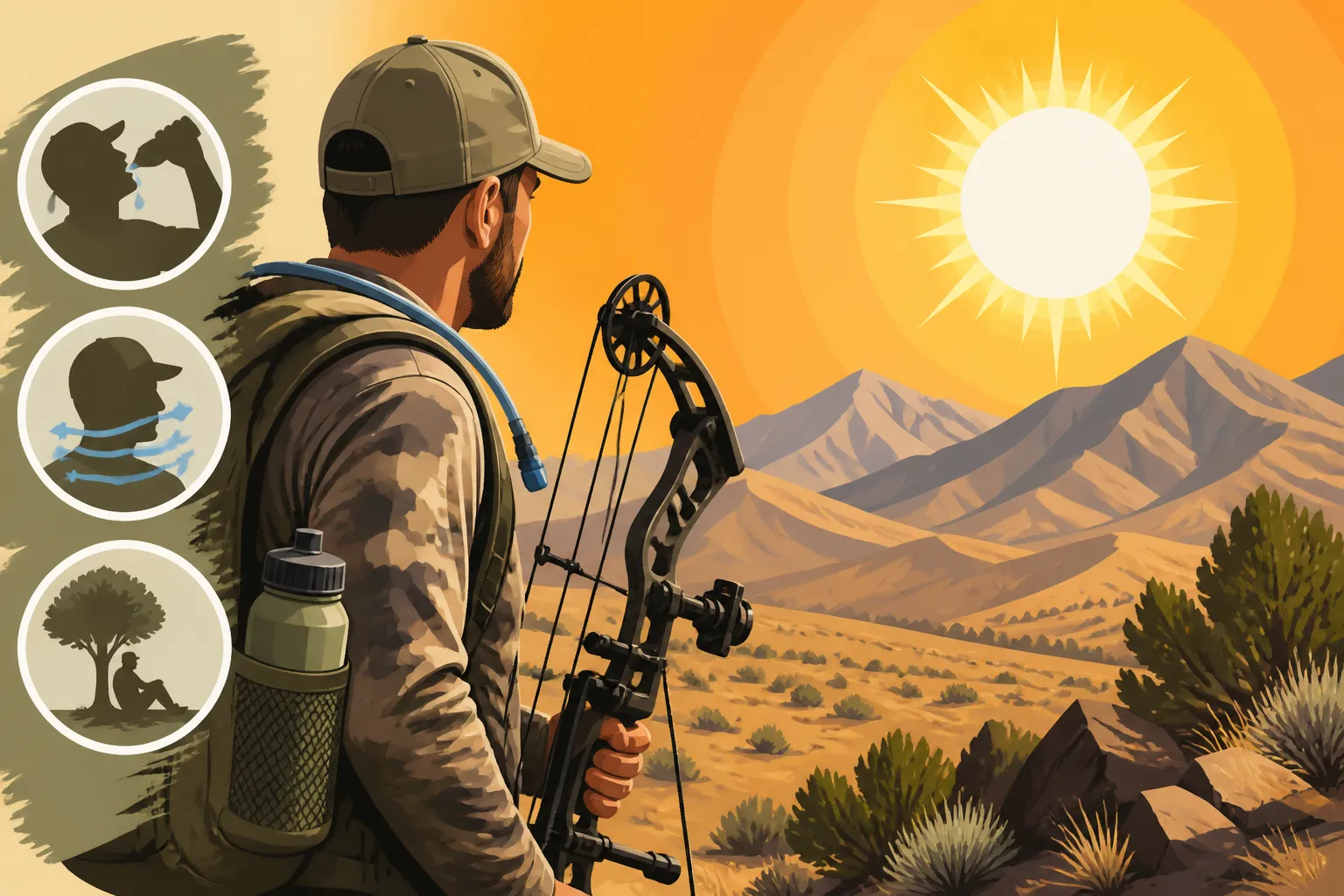
Hydration isn't just about drinking water; it's a comprehensive strategy that starts days before your hunt and continues relentlessly throughout every moment you're in the field. In August in Nevada, inadequate hydration is your biggest enemy.
Pre-Hydration and Electrolyte Balance
The secret to staying hydrated in the desert begins long before you hit the trailhead. Start "pre-hydrating" at least 2-3 days before your hunt, consciously increasing your fluid intake. This means consistently drinking water throughout the day, not just when you feel thirsty. Think of it as topping off a tank; you want to start with a full reservoir. Along with water, pay close attention to your electrolyte balance. When you sweat, you don't just lose water; you lose critical minerals like sodium, potassium, and magnesium, which are vital for nerve function, muscle contraction, and maintaining fluid balance in your cells.
Simply drinking plain water in large quantities can actually dilute your existing electrolytes, potentially leading to hyponatremia (low sodium levels), which can be just as dangerous as dehydration. Incorporate electrolyte-rich drinks or supplements into your pre-hunt routine. Brands like Liquid IV, LMNT, or even simple electrolyte tablets dissolved in water can make a huge difference. Avoid sugary sports drinks that are often high in artificial ingredients and low in actual electrolytes. Focus on a balanced intake that prepares your body for the intense demands of sustained physical activity in extreme heat. Remember, a well-hydrated body is a more efficient and resilient body, better equipped to handle the rigors of a Nevada August archery hunt.
Carrying Enough Water on the Hunt
This is where the rubber meets the road. Estimating your water needs on an August archery hunt in Nevada is critical and often underestimated. A good rule of thumb for active individuals in these conditions is to plan for at least 1-2 gallons (approximately 4-8 liters) of water per person per day. This might sound like a lot, and it is heavy, but running out of water in the desert is not an option. Your specific needs will depend on your exertion level, body size, and the actual temperatures you encounter.
There are several methods for carrying water, and often, a combination works best. Hydration bladders, typically 2-3 liters, are excellent for carrying water in your pack, allowing for easy sipping on the move. Supplement these with durable water bottles, such as Nalgene or insulated Hydro Flasks, clipped to your pack or in external pockets for quick access. For longer days or multi-day excursions away from a vehicle, consider establishing water caches along your planned route or at camp. Burying opaque water jugs in the shade, marked with GPS coordinates, can be a lifesaver. Ensure these caches are well-hidden from animals and other people, and always double-check your coordinates. This strategy significantly reduces the weight you need to carry daily and allows you to cover more ground. Neglecting to carry enough water is perhaps the most dangerous mistake a desert hunter can make, so plan meticulously. Water You Must Carry on a Desert Day Hunt cannot be overstated.
Locating and Utilizing Water Sources
While carrying sufficient water is paramount, being able to locate and safely utilize natural or developed water sources in the field can be a game-changer for extending your range and reducing pack weight. Nevada's landscape, despite its aridity, does have various water sources if you know where to look. Springs, seeps, and even man-made guzzlers are critical features that concentrate wildlife and can provide opportunities for refilling your supply.
Before your hunt, spend significant time e-scouting your unit using satellite imagery and topographical maps, like those available through GoHunt. Look for green patches, contour lines that indicate draws or canyons where water might accumulate, and the tell-tale signs of guzzlers. The Nevada Department of Wildlife (NDOW) often provides maps of water developments, and these are goldmines of information. Pay close attention to Reading Water Sources Before an August Hunt. Once you've identified potential water sources, understand that not all water in the desert is safe to drink directly. Always carry a reliable water filter or purification tablets. Giardia, cryptosporidium, and other pathogens are common even in seemingly pristine springs. Filtering water ensures you stay healthy and can continue your hunt without gastrointestinal issues. Knowing how to efficiently and safely access Hunting Water in Nevada's Driest Country is a skill that separates seasoned desert hunters from novices.
Clothing and Gear for Desert Archery
Your choice of clothing and gear isn't just about comfort; it's a critical component of your heat management strategy, working in conjunction with hydration to keep your body functioning optimally.
The Right Fabric and Layering
When it comes to clothing for an August archery hunt in Nevada, "less is more" in terms of weight, but "more is more" in terms of coverage and strategic layering. Forget about heavy cotton; it absorbs sweat and holds it against your skin, making you feel clammy and eventually chilling you when temperatures drop in the evening. Instead, focus on lightweight, breathable, and moisture-wicking synthetic fabrics like polyester or natural fibers like merino wool. Merino wool, in particular, excels at managing moisture and odor, making it ideal for multi-day hunts where laundry isn't an option.
Your base layer should be a long-sleeve sun shirt – yes, long sleeves even in August. This provides crucial UV protection, preventing sunburn which can accelerate dehydration and exhaustion. Choose light colors like tan, grey, or light green that reflect sunlight rather than absorbing it. A loose fit allows for better air circulation, which helps with evaporative cooling. For those dramatic temperature swings between pre-dawn and midday, pack a very lightweight fleece or puffy vest as an outer layer. You'll likely shed it within an hour or two of sunrise, but it's invaluable for those chilly starts. Think of it as a chameleon; your clothing needs to adapt as quickly as the desert sun climbs the sky.
Sun Protection and Cooling Accessories
Direct sun exposure is a relentless energy drain and a primary cause of heat stress. Maximizing your personal sun protection is non-negotiable. A wide-brimmed hat is your first line of defense, shading your face, ears, and neck from direct UV rays. Pair this with a high-quality neck gaiter, also made from a lightweight, breathable, moisture-wicking fabric. This protects your neck and can be pulled up over your face for additional sun protection or wetted down to provide evaporative cooling around your carotid arteries, effectively helping to cool your blood.
Don't forget your hands; lightweight sun gloves can prevent painful sunburns and improve grip. For even more aggressive cooling, consider specialized cooling towels that you can wet and drape around your neck or head; they stay cool through evaporation. Some hunters even utilize personal misters or hydration packs with misting nozzles to spray themselves, offering immediate evaporative relief. While perhaps less common for archery, evaporative cooling vests are also an option for extreme heat, though they add bulk. Every piece of gear should serve a dual purpose: protection from the elements and aid in temperature regulation.
Footwear and Blister Prevention
Your feet take a beating on a Nevada archery hunt, traversing countless miles of rocky, often uneven terrain. Proper footwear is paramount for both comfort and preventing debilitating foot issues that can prematurely end your hunt. For August, look for lightweight, breathable hiking boots with excellent ankle support. While waterproof membranes might seem appealing, they often compromise breathability, trapping heat and moisture inside your boots, leading to hot spots and blisters. Unless you anticipate significant water crossings, prioritize ventilation over waterproofing. Pay attention to Choosing Boots for Sharp Volcanic Rock that is common in much of Nevada.
Pair your boots with high-quality merino wool socks. Merino wool is exceptional at wicking moisture away from your skin, regulating temperature, and resisting odor. Carry multiple pairs and change them frequently, especially if your feet feel damp. A fresh pair of socks can feel like a miracle on a long, hot day. Beyond the gear, proactive foot care is essential. Trim your toenails, apply foot powder or anti-chafing balm to susceptible areas, and address any hot spots immediately with moleskin or athletic tape. A blister in the desert can quickly become a serious problem, making every step excruciating and impacting your ability to cover ground or maintain a silent approach.
Tactical Approaches to Hunting in the Heat
Hunting in extreme heat isn't just about managing your body; it's about adjusting your entire approach to the hunt itself. The animals are also battling the heat, and understanding their patterns can give you a significant advantage.
Early Mornings and Late Evenings
Just like you, the deer and elk in Nevada's August heat are seeking refuge from the midday sun. Their activity patterns shift dramatically to align with the cooler parts of the day. This means your primary hunting windows are going to be those precious hours around dawn and dusk. Get to your glassing point or ambush location well before first light, often when temperatures are still quite pleasant. This allows you to observe game moving from their shaded bedding areas to feed or water during the cool morning hours.
As the sun climbs and temperatures soar, expect game to move into dense shade—north-facing slopes, thick juniper pockets, or deep canyon bottoms. This is when you should be doing the same: taking a long break, rehydrating, and saving your energy. Resume your hunt in the late afternoon, focusing on glassing areas where animals will emerge from their beds to feed again as the day cools. This strategic approach minimizes your exposure to the harshest heat and maximizes your chances of encountering active game. Remember, When Nevada Archery Deer Season Opens in August, the early bird truly gets the worm, and the late hunter catches the last light.
Utilizing Shade and Topography
In the vast, open landscapes of Nevada, shade becomes your best friend and a critical element in your hunting strategy. Learning to "hunt the shade" is an invaluable skill. When scouting, identify prominent north-facing slopes, the dense canopy of a juniper patch, or the deep shadows cast by rimrock and canyon walls. These are the places animals will seek refuge during the midday heat, and they're also the places you should be targeting for your glassing or stalking efforts.
Topography also plays a massive role in creating microclimates. Deep draws and canyons can trap cooler air, providing thermal relief. Learning to read these topographical features on your map (and on the ground) allows you to plan your movements to stay out of direct sun as much as possible. When stalking, always try to use terrain features—like ridges, draws, and rock formations—to break up your silhouette and provide temporary shade. This is where mastering concepts like Playing Thermals on a Rimrock Stalk becomes incredibly useful, not just for concealment but for staying cool. Every bit of shade you can find, whether for a quick break or a sustained glassing session, helps conserve energy and manage your core temperature.
Managing Your Physical Exertion
It's easy to get caught up in the excitement of the hunt and push yourself too hard, especially when you know time is limited. However, in August heat, overexertion can quickly lead to dangerous levels of heat stress. You need to pace yourself deliberately. Avoid busting through thick sagebrush or scrambling up steep slopes during the hottest parts of the day. Instead, choose your routes carefully, aiming for the path of least resistance and maximum shade.
Take frequent, short breaks to drink water and cool down. Even just five minutes in the shade with a wet neck gaiter can make a significant difference in your recovery. Listen to your body: if you're feeling lightheaded, nauseous, or experiencing muscle cramps, these are all warning signs of heat exhaustion. Don't push through them. Seek shade, hydrate immediately, and rest. Knowing your physical limits and Preparing Physically for Long Glassing Days beforehand will go a long way in ensuring your safety and effectiveness. A successful hunt isn't about pushing yourself to the brink; it's about smart, sustainable effort that keeps you in the game.
Post-Harvest Care in High Temperatures
The moment you arrow an animal in August, the clock starts ticking furiously. The high ambient temperatures mean meat can spoil rapidly, and mishandling can lead to wasted effort and a ruined harvest. Proper field care is not just ethical; it's a race against the clock.
Rapid Field Dressing and Cooling
The absolute first step after your animal is down is to get it field dressed immediately. This means removing all internal organs to allow the carcass to begin cooling from the inside out. The gut pile contains significant body heat, and removing it promptly is crucial. Position the animal on a slight slope if possible, allowing any fluids to drain. In August, it's often wise to go a step further and consider quartering and skinning the animal in the field. Removing the hide exposes the muscle tissue directly to the air, facilitating much faster cooling.
If you can't skin immediately, at least prop the body cavity open with sticks or logs to maximize airflow. Don't lay the animal directly on the hot ground; elevate it slightly to allow air to circulate underneath. Creating shade over the carcass, whether with a tarp, branches, or even your hunting pack, is also essential to protect it from direct sunlight. The goal is to dissipate that internal body heat as quickly as possible. Every minute counts when the mercury is climbing. This immediate action is the foundation for successfully preserving your meat.
Protecting Meat from Spoilage
Once field dressed and potentially quartered, your next priority is to protect the meat from contamination and further heating. Invest in quality game bags. These are not trash bags; they are breathable, synthetic bags designed to keep flies and dirt off the meat while allowing air to circulate and promote a protective "crust" on the outside of the meat. Hang the quarters in the coolest, shadiest spot you can find, off the ground, where any available breeze can aid cooling.
If you're hunting in a remote area, you might need to leave quarters overnight. In such cases, ensure they are well-bagged, hung high to deter scavengers, and clearly marked if you are leaving them any distance from your camp. The goal is to get the internal temperature of the meat down as close to ambient temperature as possible, and ideally much lower, as quickly as you can. This is often the most challenging aspect of Field Dressing in August Heat and Getting Meat Cooled on an Early Season Hunt. Some hunters carry a meat thermometer to monitor internal temperatures, aiming for below 40°F (4°C) for safe storage.
Strategies for Packing Out
Packing an animal out of roadless country is a monumental task under any circumstances, but it becomes exponentially more challenging with the added pressure of August heat. The goal is to get the meat into a controlled, chilled environment as quickly as possible. If you're fortunate enough to have vehicle access close by, have high-quality coolers pre-cooled with ice at your truck. Dry ice can be even more effective for initial rapid cooling, though it requires careful handling.
For those situations requiring Packing an Animal Out of Roadless Country, whether by backpack or pack animal, you need a solid plan. Consider splitting up the meat among hunting partners to reduce individual loads and expedite trips. Time your packing efforts for the coolest parts of the day—early morning or after dark if you have proper lighting and navigation tools. This might mean making multiple trips over several hours, or even into the next day. Once meat is in coolers, ensure there's enough ice to keep it completely surrounded and chilled. Drain any water from melted ice regularly, as standing water will warm up and cause spoilage. The logistical challenge of meat retrieval in August is often as demanding as the hunt itself, requiring forethought and teamwork.
Comparison of Hydration Methods
Choosing the right hydration method for your August Nevada archery hunt is crucial. Each option comes with its own set of pros and cons, impacting convenience, weight, and effectiveness. Here's a quick comparison to help you decide what works best for your specific hunt.
| Hydration Method | Pros | Cons | Best Use Case |
|---|---|---|---|
| Hydration Bladder | Easy sipping on the go, hands-free | Hard to clean, difficult to see water level, can burst | Primary hydration source for active hunting |
| Hard-Sided Water Bottles | Durable, easy to clean, visible water level | Less convenient to drink while moving, bulkier | Supplemental water, electrolyte mixes, camp water |
| Soft Flasks/Collapsible Bottles | Lightweight, compact when empty, easy to refill | Less durable than hard bottles, can be unstable | Supplemental hydration, quick access, water caches |
| Electrolyte Mixes/Tablets | Replenish essential minerals, aid absorption | Can have strong taste, adds cost, require water | Daily use to prevent electrolyte imbalance |
| Water Filter/Purifier | Access to natural sources, reduces carried weight | Requires natural source, maintenance, can fail | Backpacking, multi-day hunts, emergency backup |
Final Thoughts and Disclaimer
Hunting Nevada in August is an incredible experience, but it demands respect for the extreme conditions. By prioritizing hydration, wearing appropriate gear, adopting smart hunting tactics, and planning for quick, efficient meat care, you can significantly increase your chances of a safe and successful hunt. The desert is a harsh mistress, but with diligent preparation and a realistic mindset, you can enjoy all the opportunities it has to offer. Remember, staying safe and healthy is always the ultimate trophy.
Disclaimer: The information provided in this article is for general guidance and informational purposes only. Hunting regulations, safety protocols, and environmental conditions can change. Always consult the most current Nevada Department of Wildlife (NDOW) regulations and local weather forecasts before embarking on any hunting trip. Personal safety and preparedness are the responsibility of each individual hunter.