When the Rest of the Elk Muzzleloader Hunts Start
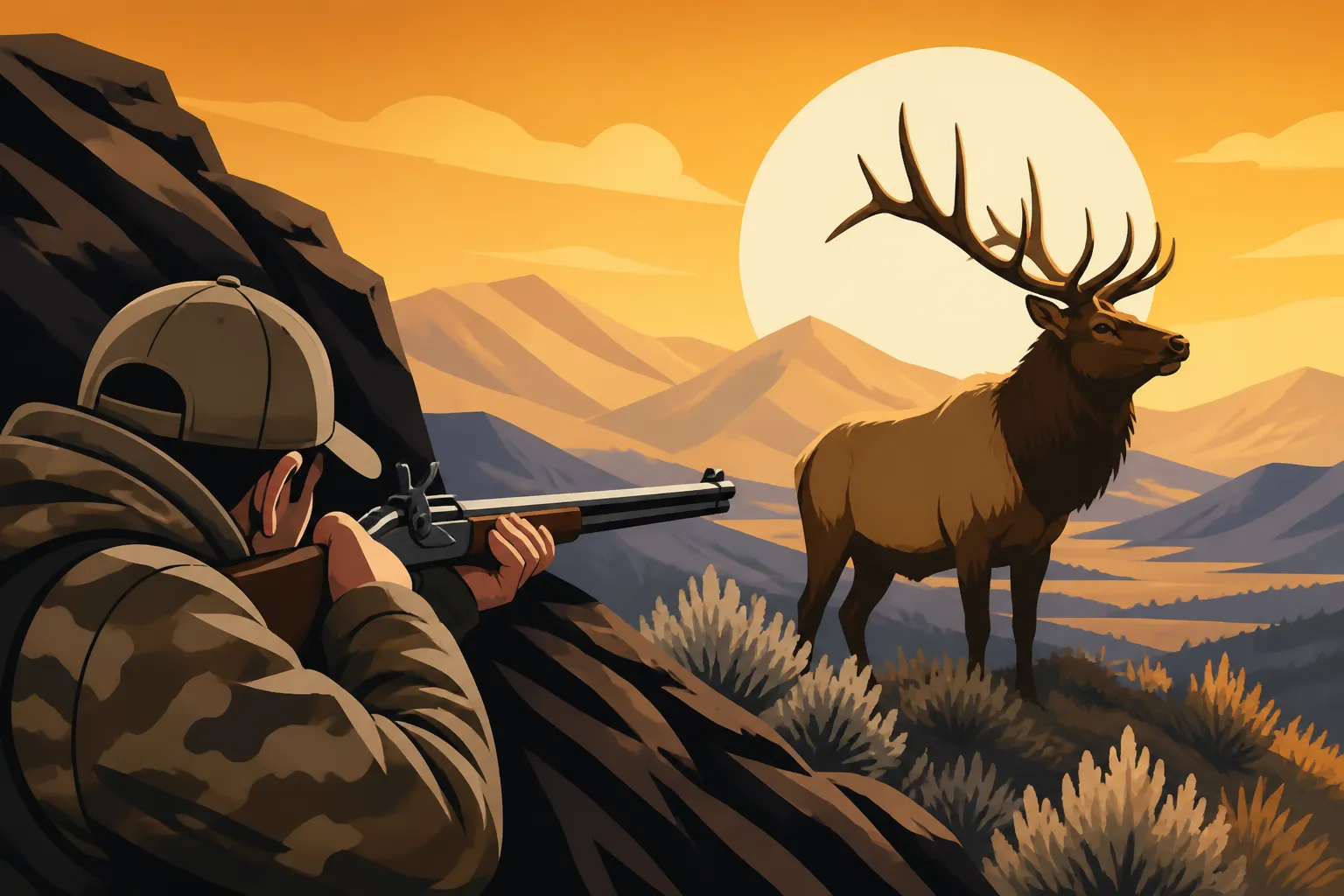
It's incredibly frustrating when you're dreaming of a Nevada elk hunt, maybe you've got your heart set on muzzleloader, but all the buzz seems to be about those fleeting early September dates. If you've missed out on the premier bugle-season hunts, or if your preferred unit simply doesn't offer them, it can feel like your chances are gone. But don't despair! There are indeed later muzzleloader opportunities for elk in Nevada, and this guide is here to unravel the mystery of when those "rest of the hunts" actually start, giving you a comprehensive look at what to expect.
Understanding Nevada's Muzzleloader Elk Season Structure
Nevada's elk seasons are a complex tapestry, and the muzzleloader hunts are no exception. While the early September windows get a lot of attention for their potential to catch bugling bulls, they're far from the only game in town. The state strategically segments these hunts to manage herd populations, provide diverse opportunities, and spread hunter pressure. This means that if you're diligently looking for a muzzleloader elk tag, you'll discover options that extend well beyond the early fall. It's easy to feel left out if you only hear about the September hunts, but understanding the full calendar is key to a successful application strategy.
Early September Hunts: The Limited Window
For many hunters, the thought of a Nevada muzzleloader elk hunt immediately brings to mind those highly coveted early September dates. These hunts often coincide with the peak of the elk rut, offering the thrilling chance to hear bulls bugle and potentially call one into close range. Units that hold these early seasons are typically in prime elk habitat, often higher elevations, and are incredibly popular in the draw. They offer a unique experience, a blend of archery-like intimacy with the added punch of a muzzleloader, but they are also exceptionally difficult to draw. Many hunters apply for these year after year, building points, and often feeling the sting of rejection. It's a common frustration to see these tags go, knowing the incredible experience they offer. You can delve deeper into these specific hunts by exploring Which Units Open Elk Muzzleloader in September.
The Later Openers: A Shift in Strategy
What many don't realize, or perhaps overlook in their pursuit of the early rut, is that Nevada offers later muzzleloader elk hunts that can be just as rewarding, albeit with a different set of challenges and opportunities. These "rest of the hunts" typically kick off in late September, extending into October, and sometimes even into early November, depending on the unit. This shift in timing means you're no longer chasing bugles but transitioning into post-rut and early winter patterns. The elk's behavior changes, the landscape looks different, and your tactics need to adapt accordingly. This isn't a lesser hunt; it's just different, requiring a different kind of preparation and mindset. The advantage here is that these later hunts might see slightly better draw odds in some units, simply because they don't carry the same "rut hunt" allure.
Key Units Offering Mid-to-Late Season Muzzleloader
Identifying the specific units that offer these later muzzleloader elk hunts is crucial for anyone building their application strategy. These aren't just random dates; they're carefully managed seasons in specific areas. Often, these units are designed to target specific segments of the elk population, or to manage herds in areas where early season pressure might not be ideal. To truly understand the full scope of opportunities, you'll need to meticulously go through the Nevada Department of Wildlife (NDOW) regulations. For a comprehensive list, you'll want to review Nevada Elk Muzzleloader Timing by Unit. These units might include a mix of the state's prime elk areas, but also some less talked-about zones that still hold great potential for a dedicated hunter.
Navigating the Later Muzzleloader Dates and Units
Once you realize that the muzzleloader elk opportunities aren't confined to early September, the next step is to drill down into the specifics. This means understanding the actual dates, the units, and how to effectively use tools to plan your application. It can feel like deciphering a secret code when you first look at the regulations, but with a bit of guidance, you can make sense of it all and identify your best chances.
Specific Unit Openers and Durations
The later muzzleloader elk hunts in Nevada are far from a one-size-fits-all scenario. Each unit, and sometimes even specific hunt codes within a unit, will have its own unique opening and closing dates. For example, while some units might offer a September 20-30 muzzleloader hunt, others might be an October 1-15 window, or even a late October to early November hunt. The duration also varies; some are short, intense week-long hunts, while others might stretch for two weeks or more. This variability is why it's so important to review the regulations carefully for each year's specific season structure.
Let's look at a hypothetical example of how these might break down, based on typical Nevada season structures:
| Unit Group | Weapon | Season Start Date (Hypothetical) | Season End Date (Hypothetical) | Notes |
|---|---|---|---|---|
| 061-067 | Muzzle | October 1 | October 15 | Mid-season opportunity, post-rut |
| 071-075 | Muzzle | September 20 | September 30 | Bridge between early rut and late season |
| 111 | Muzzle | October 20 | November 4 | Later season, focusing on migration/wintering areas |
| 161-163 | Muzzle | September 25 | October 10 | Offers overlap with some late bugling, but primarily post-peak |
This table is illustrative, but it highlights the kind of variations you'll encounter. Each unit group is a distinct puzzle piece in the larger Nevada hunting picture. Remember, these dates change annually, so always consult the most current NDOW regulations.
Reading the Nevada Big Game Regulations
The Nevada Big Game Seasons and Application Guide is your bible when it comes to understanding these hunt dates. It's where all the official information lives, from application periods to weapon restrictions and season dates by unit. Don't just skim it; read it. Every year, hunters make mistakes on their applications because they assumed something or didn't check the current year's rules. This document will list all available hunts, broken down by species, weapon type, and unit group. You'll find the hunt codes, the units they cover, and the exact start and end dates. It's a lot of information, but taking the time to understand it completely is paramount to not only drawing a tag but also hunting legally and effectively. Before you even get to hunting, you need to know how to apply, and Reading a Nevada Hunt Unit Before You Apply will be an invaluable resource in this process. Plus, if you're new to the state or need a refresher, remember that Nevada Accepts Hunter Education From Any State.
Planning Your Application with GoHunt Data
This is where modern tools can really make a difference. Websites like GoHunt have become indispensable for serious western big game hunters. They consolidate all the complex draw odds, unit statistics, and application strategies into user-friendly platforms. When you're trying to figure out which units offer later muzzleloader elk hunts and what your chances of drawing are, GoHunt can cut through hours of spreadsheet analysis. Their "Insider" membership, for example, allows you to filter units by weapon, season dates, and even success rates. You can see historical draw odds for specific muzzleloader hunts, analyze harvest data, and compare the number of available tags versus applicants.
Using GoHunt is a fantastic way to not only identify promising later muzzleloader units but also to understand how much competition you're up against. They often break down "point creep" and offer scenarios for applying with your current bonus points. This kind of detailed information helps you make an informed decision, moving beyond just guessing or going by anecdotal advice. It's part of E-Scouting a Nevada Unit Before the Season, helping you refine your choices before When Nevada Applications Open in March and The Nevada Application Deadline in May.
Tactics and Considerations for Late Muzzleloader Elk Hunts
Hunting elk with a muzzleloader in the later season is a very different beast than the early September rut. The weather has changed, the elk have changed, and your entire approach needs to shift gears. This isn't necessarily harder, just different, and understanding these differences will significantly increase your odds of success.
Hunting Post-Rut and Wintering Elk Patterns
By late September and into October and November, the elk rut is winding down or completely finished in most areas of Nevada. This means bugling is minimal to non-existent, and calling strategies that work so well in early September become far less effective. Instead, your focus needs to shift to locating post-rut bulls recovering from their exertions, or finding elk transitioning to their wintering grounds.
Post-rut bulls are often solitary or in small bachelor groups, seeking out security cover and good forage to regain weight. They're typically less vocal and more wary. Look for areas with dense timber, north-facing slopes with good feed, or deep draws where they can find sanctuary. This is where your glassing skills become paramount. You'll be spending long hours behind your binoculars and spotting scope, meticulously picking apart distant hillsides and timber lines. Think about where the snow lines might be starting and how that pushes elk to lower elevations or different aspects of the mountains.
As you move into late October and November, if your unit holds a season this late, you'll be dealing with colder temperatures and potentially significant snow. Elk will be actively migrating to traditional winter ranges, which can often be lower elevations or south-facing slopes that get more sun exposure and melt snow quicker, revealing forage. These movements can concentrate elk, but also make them more predictable if you can identify their travel corridors. Learning How Many Elk Nevada Holds and where they typically winter can give you a significant advantage. This period also often coincides with the general rifle seasons, so understanding how that hunter pressure might influence elk movement is crucial.
Gear and Preparation for Colder Conditions
A late muzzleloader hunt in Nevada means you absolutely cannot skimp on your gear, especially when it comes to staying warm and dry. The high desert and mountain ranges of Nevada can experience drastic temperature swings, often going from mild daytime temps to well below freezing at night. Snow is a real possibility, and often a probability, in many of the elk units by October.
- Layering System: This is non-negotiable. You'll need a solid base layer to wick moisture, insulating mid-layers like fleece or puffy jackets, and a waterproof/windproof outer shell. Consider synthetic fills like Primaloft or good quality down, especially for static periods of glassing. Remember that Layering for Basin and Range Temperature Swings is critical for comfort and safety.
- Muzzleloader Specifics: Ensure your muzzleloader is sighted in for the expected conditions. Colder temperatures can affect powder performance, so always test in similar conditions if possible. Carry extra caps/primers, and protect them from moisture. For those wondering about optics, understand that Can You Use a Scope on a Muzzleloader? might be allowed, but always verify current regulations. Also, verify Muzzleloader Caliber Minimums for Elk to ensure you're using legal and ethical equipment.
- Optics: Your binoculars and spotting scope will be your best friends. Invest in quality glass, as you'll be spending hours behind them, often in dim light conditions.
- Footwear: Waterproof, insulated boots are a must. You'll be covering a lot of ground, potentially in snow, so ensure your boots are broken in and reliable. Gaiters are also a good idea to keep snow and debris out of your boots.
- Navigation & Communication: Beyond your phone, carry a dedicated GPS device or a satellite messenger like a Garmin inReach or Zoleo. Cell service is spotty to non-existent in much of Nevada's backcountry.
- Emergency Supplies: Pack extra food, water, a first-aid kit, fire-starting materials, and emergency shelter. The vastness of Nevada can be unforgiving if you're unprepared.
Scouting for Success in Different Terrain
Pre-season scouting, whether in person or via e-scouting, is arguably even more important for later muzzleloader hunts. Since elk patterns change so dramatically post-rut, you need to identify where they're likely to be at that time of year.
- E-Scouting: Use satellite imagery (like that offered by GoHunt or similar platforms) to identify potential post-rut bedding areas, south-facing slopes, historical migration corridors, and areas with good thermal cover. Look for water sources that are likely to still be unfrozen. Pay attention to vegetation changes and elevation bands.
- Ground Scouting (if possible): If you can get into the unit before the season, look for fresh tracks, droppings, and rubbed trees. While rubs from the rut will still be visible, fresh activity indicates current use. Look for areas with good feed (grasses, forbs, browse) and compare it to areas that might be overgrazed. Assess road access, potential camping spots, and escape routes for elk.
- Understanding Terrain: Nevada is defined by its basin and range topography. Elk will use these mountains and valleys differently as the season progresses. Steep, north-facing timbered slopes provide excellent bedding cover and protection from the elements, while open, sunny south-facing slopes might be used for feeding in colder weather. Identifying these micro-habitats and understanding how elk utilize them in the late season is a critical skill.
Why Nevada Elk Herds Grew From Nothing Into a Trophy Drawillustrates the potential of these landscapes.
Ultimately, these later muzzleloader hunts offer a chance to connect with Nevada's magnificent elk, but they demand a dedicated and adaptable hunter. The quiet solitude of the post-rut, combined with the challenge of winter conditions, creates a uniquely rewarding experience for those willing to embrace it.
Disclaimer
Always consult the official Nevada Department of Wildlife (NDOW) regulations for the most current and accurate information regarding season dates, unit boundaries, application procedures, and all other hunting laws. This guide provides general information and recommendations, but regulations can change annually.