When the Elk Rut Peaks in Nevada
Trying to pin down the exact peak of the elk rut in Nevada can feel like chasing a ghost—you know it's out there, but hitting that perfect window can be incredibly elusive. Many hunters spend years trying to time their tags with this magical period of heightened activity, only to find themselves a week too early or a few days too late. This guide is here to demystify the Nevada elk rut, helping you understand when it truly peaks, what influences it, and how to best prepare for a successful hunt.
When Nevada's Elk Rut Reaches Its Peak
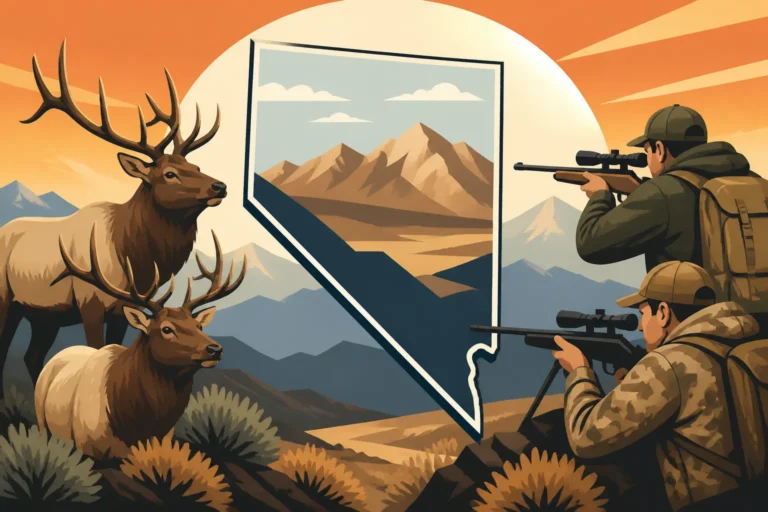
The grand, vocal spectacle of the elk rut in Nevada generally kicks into high gear from mid-September through early October. This is the window when bull elk, those magnificent animals we all dream of pursuing, are at their most vocal and active, fiercely competing for cows. If you're hoping to experience the spine-tingling sound of a bull bugling in the crisp mountain air, this is the time to be out there. However, it’s not a uniform event across the entire state, and pinning it down to a single date is a fool's errand. Conditions in one mountain range might be slightly different than another, even just a few valleys away. What's crucial to understand is that the "peak" isn't a single day, but rather a dynamic period where behavior escalates and then tapers off, often influenced by a complex interplay of environmental factors.
Factors Influencing the Rut's Timing
While mid-September to early October is the general guideline, several environmental and biological factors can subtly shift when the rut truly boils over in any given year or specific unit. It’s like a delicate recipe where too much or too little of one ingredient can change the final outcome.
First, weather patterns play a significant role. A sudden cold front can often kick the rut into gear, making bulls more active and vocal. Conversely, unseasonably warm weather can suppress activity, pushing the peak a bit later as bulls conserve energy. If you've been watching the weather reports for weeks leading up to your hunt, you know how unpredictable Nevada can be, swinging from scorching days to frosty nights in a blink. This fluctuation directly impacts when those big bulls decide it's prime time to start sparring and bugling. Precipitation, or the lack thereof, also factors in, affecting forage and water sources which can, in turn, influence elk movement and stress levels, indirectly impacting rut intensity.
Next, the moon phase is a hotly debated topic among elk hunters. Some swear by a full moon bringing out activity, while others argue it pushes the activity into the nighttime hours. While scientific consensus varies, many experienced hunters observe that a new moon, or periods with less moonlight, often correlates with more daylight activity, as bulls feel less exposed and are more willing to move in the open. During a bright full moon, you might find more action at dawn and dusk, with a midday lull. This isn't a hard and fast rule, but it’s certainly something to observe and consider as you're planning your daily strategy in the field.
Finally, herd dynamics and overall health are paramount. A healthy herd with a balanced bull-to-cow ratio often exhibits a more intense and prolonged rut. Where elk populations are struggling or unbalanced, the rut might be less dramatic or more spread out. Nevada's elk herds have seen incredible growth over the decades, evolving from almost non-existent to trophy-producing machines. This rebound has led to robust herds in many units, contributing to vibrant rutting activity. Understanding the specific health and age structure of the herd in your chosen unit can provide valuable insight into what to expect when you're out there.
Peak Rut for Archery vs. Rifle Seasons
The peak rut window means different things for different weapon types, and often, the season dates for archery and rifle hunts are intentionally staggered to manage harvest pressure and provide diverse opportunities.
For archery hunters, the timing is often absolutely perfect. Nevada's archery elk seasons frequently overlap directly with the mid-September to early October peak rut. This is when the air is filled with bugles, bulls are actively challenging each other, and they might be more responsive to calling. If you're an archer, this period offers prime opportunities for close encounters, drawing in aggressive bulls who are more focused on breeding than on self-preservation. It's an incredibly intense and rewarding experience, but it also means dealing with potentially more aggressive bulls and highly active, sometimes unpredictable, behavior. Being able to get within bow range during this chaotic period requires skill, patience, and often, a little bit of luck as the woods can be alive with sound and movement. For more on this, you might want to read about When the Elk Rut Peaks in Nevada.
Muzzleloader and rifle hunters might find themselves hunting either the tail end of the rut or just as it's truly kicking off, depending on the specific unit and hunt code. Some muzzleloader hunts, like those described in When Nevada Elk Muzzleloader Hunts Run, can fall right in the thick of it, offering a unique blend of primitive weapon hunting during an intense period. However, many rifle seasons, particularly the later ones as covered in Nevada Elk Rifle Hunts Stretch From October Into December, might see the tail end of the peak rut, or even activity that has already begun to wane. By late October or early November, the main breeding activity has typically subsided, and bulls begin to separate from cows, focusing more on feeding and recovering. While you might still hear some bugles, especially on colder mornings, they will be less frequent and less fervent. The hunting strategy shifts from calling in aggressive bulls to more traditional spot-and-stalk tactics, often focusing on post-rut feeding patterns.
Understanding Elk Behavior During the Rut
The elk rut is an explosion of sound, movement, and primal instinct. For hunters, understanding these behaviors is key to predicting movement and increasing success. It’s not just about hearing a bugle; it’s about understanding why that bull is bugling and what he might do next.
Bugling and Vocalizations
During the peak rut, the Nevada mountains come alive with the sounds of elk. Bulls, especially the mature ones, become incredibly vocal. Their bugles are a declaration of dominance, a challenge to rival bulls, and an advertisement to receptive cows. These sounds vary widely, from the guttural grunts and chuckles of a bull herding his cows to the piercing, high-pitched scream of a challenging bull. Each sound tells a story if you learn to listen. A lone, distant bugle might signal a bull looking for a herd, while a rapid succession of grunts and screams from a thicket could mean two bulls are about to clash or are already engaged in a tense standoff.
Learning to interpret these vocalizations is a critical skill for any elk hunter. A "challenge bugle," for instance, is often a more aggressive, drawn-out sound, meant to intimidate. "Cow calls," on the other hand, are typically shorter, higher-pitched mews and chirps, used to communicate within the herd or by cows seeking out a bull. Sometimes, a series of softer "locator bugles" are employed to find potential targets without revealing your exact position, especially early in the morning. This is precisely why knowing how to use Locator Bugles for Finding Bulls at Dawn can be so effective; you're not trying to call a bull to you, but rather identify his general location so you can plan your approach. The goal is to gauge their mood and location, then adjust your calling and stalking strategy accordingly.
Sign and Activity Levels
Beyond the sounds, the visual evidence of a peak rutting period is everywhere if you know what to look for. Elk activity levels skyrocket, and they leave behind a plethora of clues.
You'll see a significant increase in rubs, which are typically trees or saplings that bulls have thrashed with their antlers to remove velvet, mark territory, and demonstrate strength. Fresh rubs, especially on larger trees, indicate recent bull activity and can lead you toward bedding or feeding areas. The sheer number and size of rubs can often tell you not only that bulls are in the area but also if mature bulls are present.
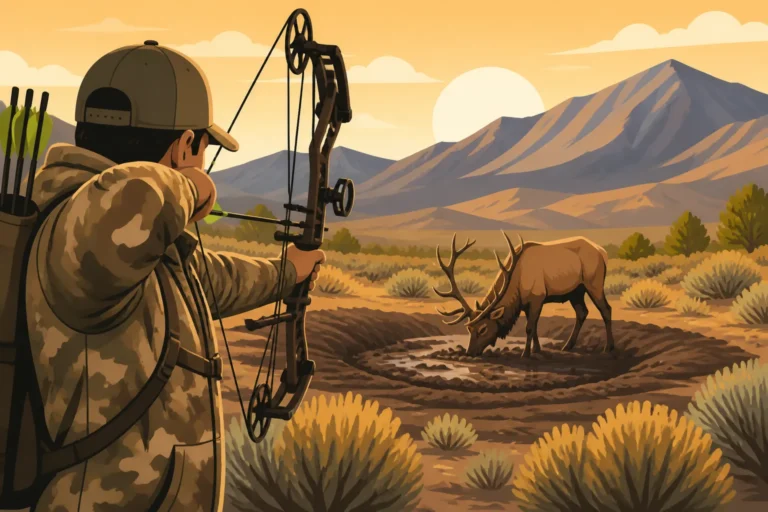
Wallows also become prime locations during the rut. These are muddy depressions where bulls roll around, coating themselves in mud, partly to cool down and partly to spread their scent, which is another form of marking territory and attracting cows. Finding a hot, fresh wallow, still wet with mud and smelling strongly of elk, tells you a bull was there very recently. Setting up near a wallow, or carefully approaching one, can be a highly effective tactic during the rut. Hunting a Wallow During Early Archery provides excellent insights into capitalizing on these natural magnets for rutting bulls.
Overall, movement drastically increases. Bulls are constantly on the move, chasing cows, fighting rivals, and scent-checking areas. This means trails will be more heavily used, and you'll find more fresh tracks and droppings. Paying attention to Reading Fresh Elk Sign in Thin Timber can help you determine not just that elk are in the area, but also their direction of travel, the freshness of the sign, and potentially even the size of the animals. All this increased activity makes them more visible, but also more alert, adding another layer of challenge to the hunt.
Hunting Strategies During the Peak Rut
Hunting during the peak rut is exhilarating, but it's also demanding. You're trying to outsmart an animal that is driven by powerful instincts, often on high alert, and can cover vast distances quickly. Having a solid strategy is paramount.
Calling Techniques for Active Bulls
Calling is undoubtedly the most iconic and often the most effective strategy during the peak rut. When bulls are worked up, they can be incredibly responsive, but you need to know what to say and when.
One common technique is bugling, directly challenging a bull. This works best on lone bulls or satellite bulls trying to muscle into an established herd. A strong, aggressive bugle can sometimes draw a bull in, especially if he's feeling dominant or insecure. However, overuse or incorrect use can also scare off wary animals. If a bull answers your bugle, listen to his tone. Is he coming closer aggressively, or is he merely answering from afar? This tells you a lot about his current mood and willingness to engage. You might want to try a series of shorter, more excited bugles, coupled with some raking sounds (using a stick to mimic antlers on a tree), to really seal the deal.
Cow calls are often safer and can be just as effective, if not more so, especially on herd bulls. A well-placed series of mews and chirps can convince a bull that there are receptive cows in the area, potentially drawing him away from his existing harem or bringing him closer to investigate. Many hunters find that a combination of soft cow calls followed by a subtle, challenging grunt or chuckle can be irresistible to a herd bull looking to protect his cows or add more to his group. For a deeper dive into this, check out Cow Calling Bulls in Thin Timber.
For those hunting with a partner, two-hunter calling setups can be incredibly potent. One hunter acts as the caller, positioned slightly behind and to the side of the shooter. This creates a more realistic scenario where the bull, expecting to confront another bull or find a cow, focuses on the caller's position, allowing the shooter to move into position for a shot. This strategy can be deadly effective when a bull is hung up and won't commit. Understanding Two-Hunter Calling Setups That Actually Work can truly elevate your hunting game during the rut. The key is to draw the bull's attention away from the shooter, making him believe the "other" elk is just around the corner, creating an ambush opportunity.
Locating Rutting Bulls
Finding these active, vocal bulls isn't always as simple as just hearing them. Nevada's vast, open country demands specific techniques for locating and closing the distance.
Glassing remains king in Nevada's expansive terrain. Even during the rut, when bulls are vocal, you can't always pinpoint their exact location by sound alone, especially in the thick sagebrush or scattered timber. Setting up on a high vantage point, preferably early in the morning or late in the evening, and systematically glassing basins, draws, and timber fringes can help you spot bugling bulls, their cows, or even silent bulls that are still in rutting mode. Look for movement, distinct coloration, or even just the flick of an ear. Tools like GoHunt's mapping features can be invaluable here, allowing you to scout potential vantage points and identify prime elk habitat from home, helping you refine your approach once in the field.
Focusing on terrain features where elk naturally congregate or travel is also vital. During the rut, bulls will often push cows into thicker timber pockets or deeper draws for security. They also frequent areas with good feed and water sources. Identifying saddles, benches, and transition zones between different types of habitat can be highly productive. Water sources, even small ones, can act as magnets, particularly in Nevada’s drier units. You might be surprised how much action happens around a hidden spring or a guzzler.
Lastly, don't underestimate the value of scouting, both pre-season and during the hunt. Even if you didn't draw a tag, you can still gain immense knowledge by observing elk behavior in September. Understanding their preferred bedding areas, travel corridors, and even specific bugling spots in a given unit will pay dividends when you actually have a tag in hand. Using tools for E-Scouting a Nevada Unit Before the Season can give you a significant advantage, allowing you to identify potential rutting grounds and plan your attack long before you ever set foot in the field.
Timing Your Nevada Elk Application
Drawing a Nevada elk tag is notoriously difficult, making every application a high-stakes decision. Timing your application strategy around the rut can be a game-changer if your goal is to hunt during that specific, intense period.
Researching Unit-Specific Rut Information
The peak rut varies slightly from unit to unit across Nevada due to differences in elevation, habitat, and herd genetics. While a general timeframe exists, it's crucial to dive into unit-specific research. This means looking at past harvest reports, success rates for specific hunt codes (which indicate season dates), and population data.
Many states publish detailed harvest statistics, and Nevada is no exception. These reports can show you hunter success rates for different seasons within a unit. If an early archery or muzzleloader hunt consistently has high success rates, it's a strong indicator that it overlaps with significant rutting activity. You can often find anecdotal reports or discussions on hunting forums for specific units, where local hunters share their observations. Resources like GoHunt provide data analytics and community forums that can give you invaluable insights into how the rut typically plays out in various Nevada units. Don't just rely on general information; dig deep into the specifics of the unit you're applying for.
Impact of Season Dates on Rut Success
The season dates listed for each hunt code directly dictate your opportunity to hunt the rut. As mentioned, early archery seasons almost always offer the best chance to be in the woods during the vocal, high-activity phase. Muzzleloader hunts can also coincide perfectly, giving you a chance to experience the full spectacle with a different challenge.
Later rifle seasons might still offer great hunting, but the dynamics change significantly. If your goal is to hear bugles and call bulls, you'll want to target those earlier season dates. If you're more focused on a spot-and-stalk hunt for a mature bull that has dispersed from the cows, a late-season rifle hunt might be more your speed. Understanding these trade-offs is crucial when deciding which hunt codes to apply for. For example, if you're keen on muzzleloader hunting, knowing Nevada Elk Muzzleloader Timing by Unit will be crucial to ensure your chosen hunt falls within the prime rut window. Similarly, if you're looking at a longer hunt, understanding the nuances of Nevada Elk Rifle Hunts Stretch From October Into December will help you strategize around potential post-rut behavior.
Ultimately, balancing the desire to hunt the peak rut with the realistic draw odds for highly coveted tags is part of the Nevada hunting puzzle. Sometimes, you might need to apply for a slightly later season with better odds, knowing that your rut experience might be less intense but still offers a fantastic hunting opportunity. Every hunt in Nevada is an adventure, but being there when the bulls are screaming adds an undeniable magic to the experience.
Here's a quick overview of elk rut activity in Nevada:
| Rut Phase | General Timing | Bull Behavior | Hunter Strategy | Weapon Preference |
|---|---|---|---|---|
| Pre-Rut | Late August – Early September | Bulls begin to spar, shed velvet, form bachelor groups, light bugling. | Scouting, locating herds, early glassing. | Archery, Muzzleloader (early) |
| Peak Rut | Mid-September – Early October | Intense bugling, fighting, active cow herding, bulls highly vocal & visible. | Aggressive calling, two-person setups, targeting wallows. | Archery, Muzzleloader (prime rut) |
| Post-Rut | Mid-October – Early November | Bugling wanes, bulls disperse from cows, focus on feeding and recovery. | Spot-and-stalk, focusing on feeding areas, silent approach. | Rifle (later seasons) |
| Late Season | Mid-November – December | Bulls often solitary, seeking security, less vocal, harder to locate. | Focus on winter range, glassing, pattern movement. | Rifle (late seasons) |
Disclaimer
The information provided in this guide is for general informational purposes only and does not constitute legal advice. Hunting regulations in Nevada can change, and it is the hunter's responsibility to review the current Nevada Department of Wildlife (NDOW) regulations and season proclamations before participating in any hunting activity. Always ensure you have the correct licenses, tags, and permits.