Are Drones Legal for Scouting in Nevada?
Oh, the allure of modern technology in the backcountry, right? It's completely understandable why so many of us hunters look at drones and think, "What a game-changer that could be!" Covering vast, rugged Nevada terrain from the sky, spotting those elusive bucks or bulls hidden in draws – it sounds like the ultimate scouting advantage. But before you invest in an expensive drone and launch it over your favorite hunting unit, it's crucial to understand Nevada's very clear regulations on drone use for hunting. This guide will clarify exactly what's permitted and, more importantly, what's strictly off-limits, helping you stay legal and ethical in the field.
The Lure of the Drone for Scouting
Let's be honest, the vastness of Nevada's public lands is both its greatest appeal and its biggest challenge. We're talking millions of acres of sagebrush flats, steep mountain ranges, and remote canyons. Covering that ground on foot or even by vehicle can take days, if not weeks, of dedicated scouting. It's an exhausting, time-consuming endeavor, and that's precisely why the idea of using a drone for scouting holds such a strong appeal for many hunters.
Why Hunters Consider Drone Scouting
Imagine being able to launch a small, quiet drone from your truck, sending it soaring over a distant ridge that would take you hours to hike. You could potentially identify water sources, map out escape routes, locate bedding areas, or even spot fresh sign from hundreds of feet up. This kind of rapid reconnaissance is a powerful thought, especially when you're racing against the clock before a season opens or trying to pinpoint animals in a new unit. Many hunters already spend countless hours e-scouting from their computers, poring over satellite imagery from platforms like GoHunt, marking potential spots, and planning routes. A drone feels like the logical next step in that digital scouting evolution, offering real-time, high-definition views that static maps can't quite replicate. The promise of saving boot leather and covering more ground efficiently is incredibly enticing, particularly in a state known for its expansive, open country.
The Ethical Dilemma and Public Perception
Beyond the legalities, there's also an important ethical conversation surrounding drones in hunting. Even if regulations were different, the optics of flying a drone to locate game can be unsettling for many. Hunting has a long tradition of fair chase, and the use of technology that drastically reduces the challenge or gives an "unfair" advantage can clash with those values. When the public sees images or hears stories of hunters using drones, it can sometimes fuel negative perceptions about hunting as a whole. As hunters, we're stewards of the land and of our sport's image. Maintaining a high ethical standard, which often means embracing a certain level of difficulty and personal effort, is paramount. The debate often centers on where to draw the line between using technology for navigation or mapping, and using it in a way that directly aids in the pursuit or locating of game.
Nevada's Specific Regulations on Drone Use for Hunting
Now, let's get down to the brass tacks of what Nevada's Department of Wildlife (NDOW) actually says about drones and hunting. Unlike some states with more ambiguous rules, Nevada is quite explicit, and it's essential for every hunter to understand these guidelines to avoid serious legal trouble.
The Absolute Prohibition on Locating Big Game
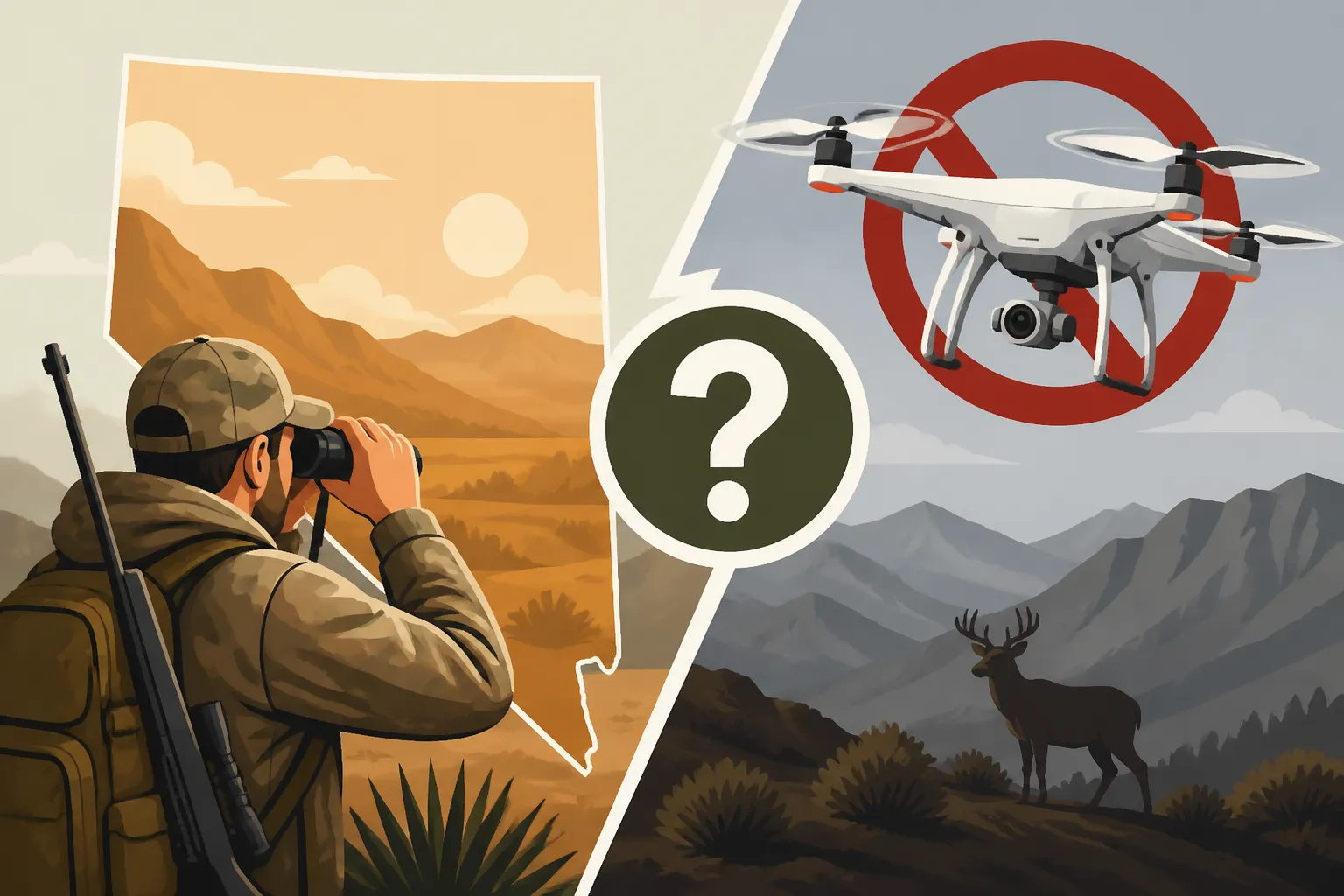
Nevada law, specifically through NDOW Regulation 24.030, is very clear: you cannot use an aircraft, which includes drones, to locate, pursue, or harass big game animals for the purpose of hunting. This prohibition is broad and applies not just during the act of hunting itself, but also during scouting periods before the season.
Think about it this way: if your intent is to gain an advantage in finding an animal you intend to hunt, and you use a drone to do that, you're breaking the rules. It doesn't matter if you spot a deer with the drone on Monday and then go hunt that same deer on foot on Saturday. The act of using the drone to locate that animal for hunting purposes is illegal. This means no flying a drone to scout remote basins for Mule Deer Are the Reason Most Hunters Apply in Nevada, no checking a ridgeline for elk, and definitely no attempting to drive animals towards you or your hunting partners. The regulation aims to preserve the fair chase aspect of hunting by preventing technology from removing the challenge of finding game through traditional means like glassing or boots-on-the-ground scouting.
Defining "Aircraft" and "Harassment" in Nevada Law
When the regulations were written, "aircraft" likely conjured images of small planes or helicopters. However, in today's world, drones easily fall under this definition, especially considering their capabilities for aerial observation. NDOW interprets "aircraft" very broadly to include any device that flies. This ensures that new technologies like drones don't create loopholes in existing laws designed to prevent aerial assistance in hunting.
Beyond "locating," the regulation also prohibits "harassing" big game. While you might not intend to harass an animal, an improperly flown drone, or even one simply present in close proximity, could easily disturb wildlife. Imagine a drone buzzing near a herd of elk; it could cause them undue stress, alter their natural behavior, or push them out of an area. Even if your primary goal was scouting, if your drone's presence causes distress or changes the movement patterns of game animals, it could be seen as harassment. The best practice is to simply keep drones out of any activities related to big game hunting to avoid any misinterpretation of intent or accidental violations.
Federal and Other State Regulations
It’s also important to remember that much of Nevada is federally owned land, managed by agencies like the Bureau of Land Management (BLM) and the U.S. Forest Service. While state regulations govern hunting activities, federal agencies can impose their own restrictions on drone use for any purpose, not just hunting. For example, drones are generally prohibited in designated Wilderness Areas and National Parks. So, even if state law allowed drones for some non-hunting purposes, federal land regulations might still prevent their use in certain areas. It's always wise to check both state and federal rules for the specific unit or area you plan to visit. Different states also have varying drone regulations, so what might be permissible for hunting in one state is often strictly forbidden in another. This patchwork of rules can be confusing, highlighting why understanding Nevada's specific stance is so critical for hunters in the Silver State.
Here's a quick look at common scouting tools and their legality in Nevada:
| Scouting Method | Legality for Hunting Big Game in Nevada | Notes |
|---|---|---|
| Drones/UAS | Illegal | Prohibited for locating, pursuing, or harassing big game, even for pre-season scouting. This applies year-round. |
| Fixed-Wing Aircraft | Illegal | Also considered "aircraft" and prohibited for locating, pursuing, or harassing big game. |
| OnX Hunt, GoHunt, BaseMap | Legal | Essential for E-Scouting a Nevada Unit Before the Season by analyzing topography, public/private land boundaries, and potential water sources. This is a fully accepted method. |
| Binoculars/Spotting Scopes | Legal | Traditional and highly effective tools for Why Glassing Beats Walking in Sage Country and identifying game at distance. |
| Trail Cameras | Legal with Restrictions | Generally allowed for scouting, but check specific unit rules and private land permissions. Review Baiting and Trail Camera Rules in Nevada as laws can change. |
| Boots-on-the-Ground | Legal | The most traditional and often most effective method. Physical scouting is always encouraged and perfectly legal. |
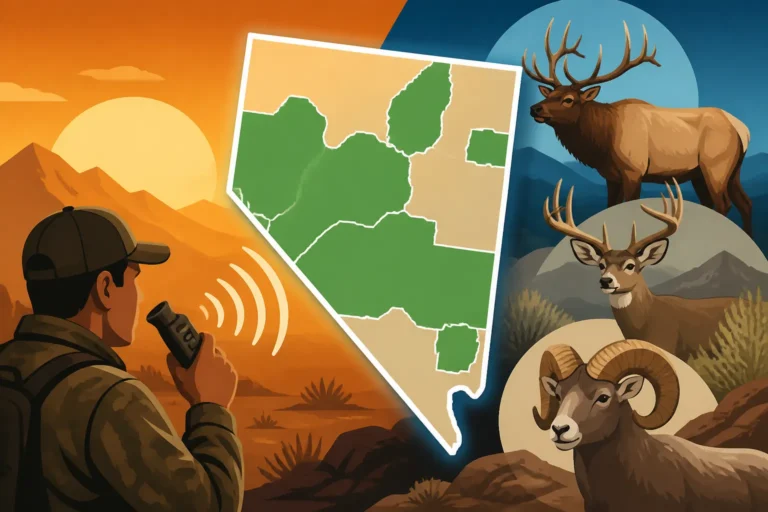
| Satellite Messengers | Legal | Devices like Garmin inReach or Zoleo are legal for communication and safety in remote areas but are not used for locating game. Read more on Satellite Messenger Use in Remote Country. |
| Two-Way Radios | Legal | For communication between hunting partners. Not for locating or pursuing game directly. |
The Practical Implications for Nevada Hunters
So, what does all of this mean for you, the boots-on-the-ground hunter planning your next adventure in Nevada? It means adhering to proven, legal, and ethical scouting techniques, and being very clear about where the line is drawn with technology.
Sticking to Traditional E-Scouting and Boots-on-the-Ground
The good news is that hunters have a wealth of legal and effective scouting tools at their disposal. Digital mapping platforms are incredibly sophisticated these days. Companies like GoHunt offer incredible resources for Reading a Nevada Hunt Unit Before You Apply, allowing you to dissect unit boundaries, identify topography, mark water sources like guzzlers that How Guzzlers Concentrate Desert Game, and plan your access routes. These tools let you scout vast areas from the comfort of your home, saving you time and fuel before you ever set foot in the unit.
Once you've done your digital homework, there's no substitute for physical scouting. Loading up your pack, grabbing your binoculars and spotting scope, and heading into the hills to physically scout is the gold standard. This allows you to read fresh sign, confirm game presence, understand thermals, and get a true feel for the terrain that no satellite image can fully convey. This direct interaction with the landscape, learning the lay of the land, and observing game behavior firsthand is a deeply rewarding part of the hunting experience. It also ensures you're Preparing Physically for Long Glassing Days and the challenges of a Nevada hunt. Focusing on these traditional, legal methods not only keeps you in compliance with NDOW regulations but also deepens your connection to the wild places you hunt.
Avoiding Accidental Violations and Misinterpretations
The safest and clearest path for any hunter in Nevada is to simply avoid using drones for any purpose that could be construed as related to big game hunting. The "purpose of hunting" clause can be tricky. If you're out flying a drone for landscape photography and happen to spot a trophy buck, then later decide to hunt that buck, you could be in a gray area. While your initial intent might not have been hunting-related, the subsequent actions could create an issue.
To completely avoid misunderstandings, fines, or even the loss of your hunting privileges, it's best to leave the drone at home when heading out for any big game scouting or hunting trip in Nevada. Game wardens take these regulations seriously, and proving your intent can be difficult. It's a small sacrifice to ensure you're hunting legally and ethically, upholding the integrity of the sport for everyone. Remember, the rules are in place to ensure fair chase and protect the experience of both hunters and the wildlife we pursue. There are plenty of other legal ways to scout, from intense e-scouting with platforms like GoHunt to dedicated days of glassing and hiking, that will still give you a significant edge without putting you on the wrong side of the law.
Disclaimer
Please remember that hunting regulations can change. While this guide provides current information based on Nevada Department of Wildlife (NDOW) regulations and interpretations, it is always your responsibility to consult the most recent official NDOW Big Game Seasons and Regulations booklet, or the NDOW website, before engaging in any hunting activities. This article is for informational purposes only and does not constitute legal advice.