Hunting Over a Guzzler Legally
Finding water in Nevada's vast, arid landscape can often feel like searching for a needle in a haystack, and for hunters, understanding the rules around these precious sources is absolutely critical. It's easy to assume that if game animals are using a water source, you can too, but the truth is, the legalities are nuanced. This guide will meticulously break down what you need to know about hunting over guzzlers in Nevada, helping you navigate the regulations, understand the ethics, and ensure your hunt is both successful and fully compliant with the law.
Understanding Guzzlers and Their Purpose in Nevada
When you're out in the Nevada desert, particularly in the drier, lower-elevation units, water is the lifeblood for everything. You might stumble upon an unassuming structure — a low-profile collection system, maybe a tank, and a small drinker. These are often guzzlers, and they play a far more significant role than just slaking thirst.
What Exactly is a Guzzler?
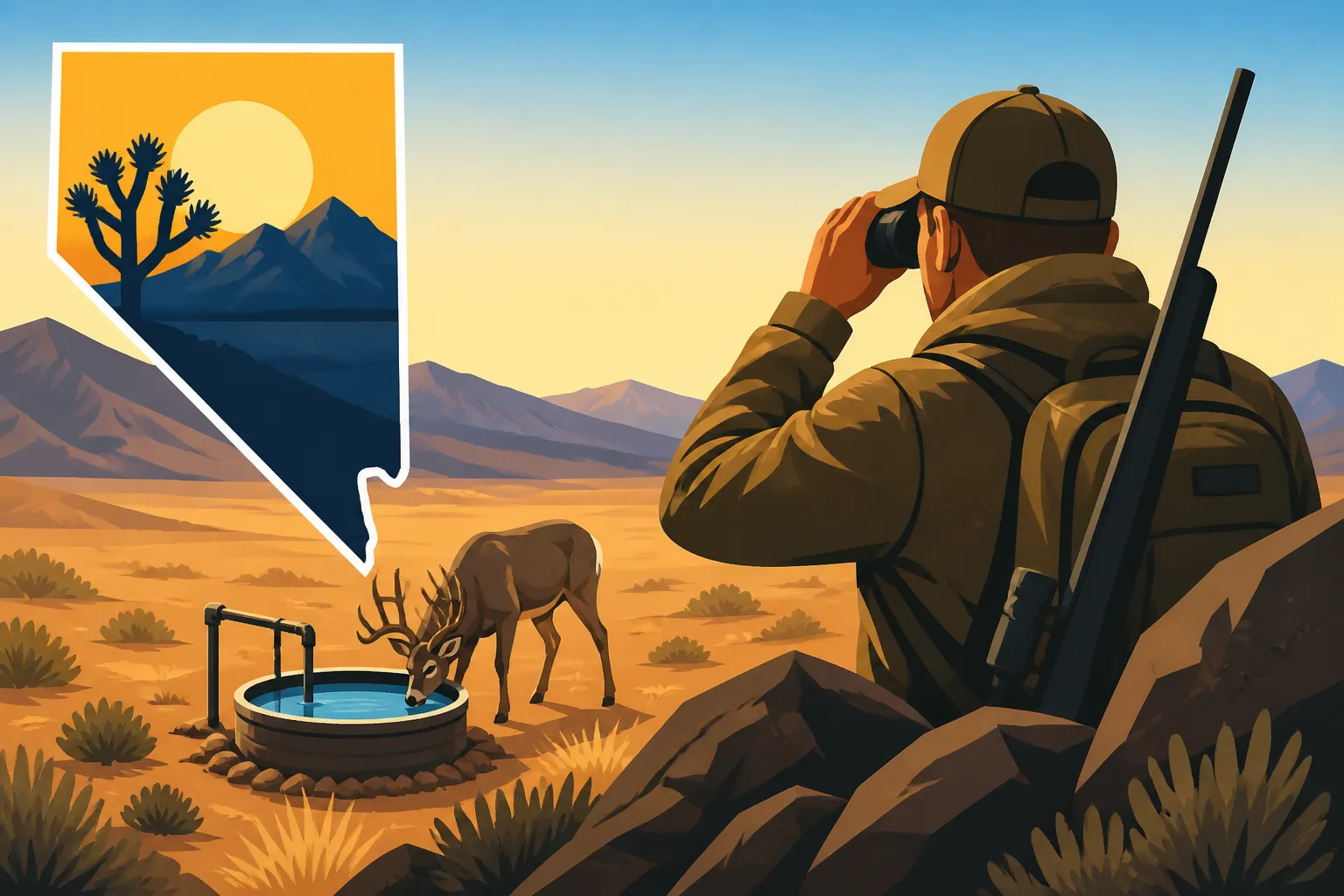
A guzzler is essentially an artificial watering device designed to capture and store rainwater or snowmelt, making it available to wildlife in areas where natural water sources are scarce or entirely absent. Think of it as a cleverly engineered rainwater harvesting system for animals. Typically, they consist of a catchment apron (often made of corrugated metal or heavy plastic sheeting) that funnels precipitation into an underground storage tank. From this tank, a pipe leads to a small drinking trough, usually at ground level, allowing animals from tiny birds to massive elk to access the water.
These critical installations aren't just popping up randomly; they're the result of dedicated efforts by the Nevada Department of Wildlife (NDOW) and countless volunteers from conservation groups like the Fraternity of the Desert Bighorn and Nevada Bighorns Unlimited. They represent a monumental investment in wildlife infrastructure, often placed in rugged, remote country where getting materials in is a feat in itself. Knowing this helps us understand why treating them with respect and understanding the rules around them is so vital. Unlike a natural spring bubbling up from the earth, a guzzler is a human-made lifeline.
Why Guzzlers are So Important for Wildlife
Without guzzlers, many parts of Nevada's diverse ecosystems simply couldn't support the robust big game populations we see today. These artificial water sources are absolutely crucial for sustaining species like mule deer, desert bighorn sheep, pronghorn, and even upland birds like chukar, especially during periods of extreme drought or in units naturally devoid of reliable water. They act as critical watering holes, allowing animals to survive and thrive in habitats that would otherwise be too harsh.
Guzzlers don't just provide water; they often become focal points for wildlife activity. Animals will travel considerable distances to reach them, creating game trails that crisscross the landscape. This concentration of animals is a double-edged sword: it makes it easier for wildlife managers to monitor populations and for hunters to locate game, but it also creates ethical dilemmas and necessitates clear regulations to prevent over-harvesting or unethical practices. Understanding how Water Development Projects Built for Wildlife function helps you appreciate the profound impact these systems have on herd health and survival across the state.
Nevada's Legal Framework for Hunting Near Guzzlers
Here's where things can get a little tricky, and it's where many hunters, especially those new to Nevada or coming from other states, often run into confusion. Nevada has specific rules about hunting near water, and distinguishing between natural and artificial sources is paramount.
The "No Hunting Over Water" Rule Explained
This is perhaps the most critical distinction to grasp. Many states have blanket "no hunting over water" rules, or strict setbacks for all water sources. Nevada, however, differentiates. The widely misunderstood notion of "no hunting over water" primarily applies to natural water sources. Nevada Administrative Code (NAC) 503.147 explicitly states that it is unlawful to hunt big game animals "within one-quarter mile of any developed water source" or "within 1 mile of any natural water source that is known to concentrate big game animals." This is where the frustration often comes in, because what constitutes "developed" or "natural" isn't always clear-cut in the field.
The key takeaway is this: for big game, you cannot hunt within a quarter-mile of a developed water source (which refers to certain artificial developments that aren't guzzlers, often with specific signage) or within one mile of a natural water source. Guzzlers, as defined by NDOW, are generally considered artificial and do not fall under the "developed water source" restriction in the same way. This means, in general, it is legal to hunt over, or near, guzzlers in Nevada. The intent of the law is to protect natural, often sole, water lifelines from being exploited, ensuring fair chase and preventing the ambushing of animals that have no other option for survival.
Identifying Legal vs. Illegal Water Sources
So, how do you tell the difference when you're staring at a muddy seep versus a constructed guzzler? This is where your diligence and mapping skills come into play.
Artificial Guzzlers: These are typically identifiable by their constructed components. Look for:
- Catchment Aprons: Often visible metal or plastic sheets on a hillside designed to collect rain.
- Storage Tanks: Usually buried, but you might see a vent pipe or access hatch.
- Drinkers: A small, ground-level trough, often made of concrete or heavy plastic, sometimes with a protective cage around it.
- Pipelines: Connecting the tank to the drinker, though these are often buried.
- Signage: Some guzzlers may have small signs indicating their purpose or the groups that installed them.
Natural Water Sources: These are typically found in riparian areas, drainages, or where groundwater surfaces. Look for:
- Springs or Seeps: Water visibly bubbling from the ground, often supporting lush, green vegetation (oaks, willows, reeds) in an otherwise arid landscape.
- Natural Potholes or Tanks: Depressions in rock or earth that collect rainwater without any human-made collection system.
- Live Creeks or Rivers: Though less common in many Nevada hunt units, these are obviously natural.
The real challenge arises with "hybrid" water sources, where an old natural seep might have been "developed" or augmented by a guzzler system. In these ambiguous situations, it's always best to err on the side of caution. If you can't definitively identify it as a purely artificial guzzler, treat it as a natural source and respect the one-mile buffer. This is where tools like GoHunt's Insider platform become invaluable, as they often have layers identifying known guzzler locations. Utilizing E-Scouting a Nevada Unit Before the Season with multiple mapping resources can help immensely in pre-identifying these spots.
Specific Distance Regulations and Ethical Considerations
As established, there isn't a state-mandated legal distance you must maintain from an artificial guzzler for big game hunting in Nevada. However, this absence of a specific setback doesn't absolve you of ethical responsibility. Just because you can sit right on top of a guzzler doesn't always mean you should.
Many hunters engage in a personal ethical debate about how close is too close, even on legal guzzlers. The spirit of fair chase suggests that animals should have a reasonable chance to escape. Ambushing an animal at its most vulnerable moment – coming to water in a parched landscape – can feel, to some, like it violates that spirit. Moreover, crowding a guzzler can disrupt animal patterns, pushing them away from a critical water source.
Consider these ethical points:
- The Animal's Dependence: In extremely dry units, a guzzler might be the only reliable water source for miles. Pushing animals away could jeopardize their survival, especially for does with fawns or ewes with lambs.
- Impact on Other Hunters: Guzzlers can be popular spots. Setting up too close or staying for extended periods can impact the experience of others.
- Fair Chase: While legal, actively ambushing an animal at a guzzler feels less like "hunting" and more like "harvesting" to many. Consider positioning yourself along a travel corridor leading to the guzzler, giving the animal a chance to move and present a shot.
Ultimately, while the legal burden is lighter for guzzlers, the ethical considerations remain heavy. These structures are vital for How Guzzlers Concentrate Desert Game and maintaining healthy populations. Your approach should reflect that importance.
Practical Strategies for Hunting Guzzlers Legally and Ethically
If you decide to incorporate guzzlers into your Nevada hunting strategy, doing so legally and ethically requires careful planning and execution. It's more than just finding the water; it's about understanding the entire ecosystem around it.
Scouting and Planning Around Guzzlers
Your scouting efforts, both from home and in the field, are paramount. Start with digital mapping tools like GoHunt, onX Hunt, or even Google Earth. These platforms often have user-generated points or specific layers that identify known guzzler locations. When you find a guzzler on the map, don't just mark the spot; expand your view. Look for:
- Game Trails: Are there discernible game trails leading to and from the guzzler? These indicate regular use and provide excellent ambush points away from the water itself.
- Bedding Areas: Where might animals bed down after drinking, or before approaching the water? Look for north-facing slopes, thick sagebrush pockets, or isolated draws that offer cover.
- Travel Corridors: Are there natural funnels, saddles, or rims that animals would use to access the guzzler area? These are prime spots to set up for an ethical shot.
- Wind Direction: Crucially, consider prevailing winds. Animals nearly always approach water (and escape danger) with the wind in their favor, allowing them to scent potential threats. Plan your approach and setup accordingly.
Timing is also everything. Animals, particularly in hot conditions like those during Nevada's August Archery Deer Window, will visit guzzlers more frequently. Early mornings and late evenings are typically prime times, but don't discount midday visits during extreme heat. Reading Water Sources Before an August Hunt is key to understanding usage patterns.
Approach and Hide Techniques Near Guzzlers
Once you've identified a guzzler and the surrounding travel routes, your approach and hide are critical. Remember, animals coming to water are often on high alert.
- Wind is Your Absolute Priority: Never approach a guzzler or its associated travel routes if the wind is blowing your scent towards where animals are likely to approach. If the wind isn't right, don't hunt that spot that day. It's that simple.
- Use Terrain for Concealment: Rather than sitting directly on the guzzler, find natural breaks in the terrain – a small rise, a cluster of junipers, a deep wash – along a game trail or corridor a few hundred yards away. This allows you to intercept animals naturally without them feeling pressured at the water's edge.
- Natural vs. Man-made Blinds: While pop-up blinds are legal on public land in Nevada (check specific regulations for temporary structure duration), a well-chosen natural blind often works just as well and has less impact. Use existing vegetation or rock formations to break up your silhouette.
- Minimize Disturbance: When you're in the area, be incredibly stealthy. Don't walk directly up to the guzzler to inspect it right before your hunt. Avoid leaving scent, trash, or any sign of human presence that could deter animals. Disturbing the guzzler infrastructure itself is a major no-no. Remember that Heat Management on an August Archery Hunt includes being aware of how long you can stay in one spot without compromising your comfort or health.
Respecting the Resource and Other Hunters
Hunting near guzzlers isn't just about personal success; it's about being a good steward of the resource and a respectful member of the hunting community.
- Leave No Trace: This should be a given for any hunt, but it's especially important around critical wildlife infrastructure. Pack out everything you pack in. If you see trash, consider packing that out too.
- Mind Other Hunters: Guzzlers, especially well-known ones, can attract other hunters. Be aware of your surroundings, communicate if possible, and avoid crowding. There's enough public land in Nevada for everyone to find their space.
- Avoid Contamination: Never, ever contaminate a guzzler's water source. This seems obvious, but leaving trash, human waste, or chemicals near the drinker can render it unusable for wildlife, which can have devastating consequences in dry country.
- Report Damage: These guzzlers are often maintained by volunteers. If you notice a damaged guzzler – a broken drinker, a leaking tank, or a compromised catchment – report it to NDOW. Your observation could save countless animals.
Common Misconceptions and Advanced Tips
Navigating the nuances of hunting near guzzlers means understanding what they are, what they aren't, and how to maximize your chances while staying on the right side of the law and ethics.
The Difference Between Guzzlers and Natural Springs
Let's reiterate, because this is the source of most confusion: the legal rules differ drastically between artificial guzzlers and natural springs.
| Feature | Artificial Guzzler (e.g., NDOW Guzzler) | Natural Water Source (Spring, Seep, Riparian) |
|---|---|---|
| Origin | Human-made, constructed | Naturally occurring |
| Components | Catchment apron, tank, drinker, pipes | Natural rock, earth, vegetation |
| Primary Purpose | Supplement water in arid areas | Ecological function, natural water table |
| NDOW Stance | Generally legal to hunt near | Unlawful to hunt within 1 mile (big game) |
| Identification | Structural elements, often mapped | Green vegetation, visible seeps, no structures |
If you encounter any water source that appears natural, or if there's any ambiguity, always assume it's a natural source and respect the one-mile buffer for big game. This conservative approach will keep you out of trouble and demonstrate respect for the wildlife that depends on these critical natural lifelines. For more on this, consider the challenges of Hunting Water in Nevada's Driest Country.
Using Technology for Guzzler Hunting
Modern hunting relies heavily on technology, and when it comes to guzzlers, these tools are indispensable.
- Digital Mapping Applications: As mentioned, apps like GoHunt, onX Hunt, and BaseMap are your best friends. They often have layers that show guzzler locations, public land boundaries, and topographical features. Use these to scout from home, identify potential guzzlers, mark approach routes, and plan your hunt. Cross-reference data from different apps if possible.
- Satellite Imagery: Zoom in on high-resolution satellite imagery (available through most mapping apps) to identify catchment aprons, game trails, and potential bedding areas around guzzlers. You can often see the distinct outline of the guzzler structure.
- Trail Cameras: Within Nevada's Baiting and Trail Camera Rules in Nevada, using trail cameras can be incredibly effective for patterning animal movement around guzzlers. Place cameras discreetly on game trails leading to the guzzler, or slightly away from the drinker itself. This can tell you what time animals are visiting, their numbers, and even if a specific trophy animal is in the area. Remember, ethical camera use means not disturbing the animals or the guzzler.
- Environmental Data: Pay attention to weather forecasts, especially temperature and recent precipitation. These will directly influence how much animals rely on guzzlers. A significant rain event might scatter animals, making guzzlers less productive temporarily, while hot, dry spells will make them magnets for game.
Hunting around guzzlers can be a highly effective strategy in Nevada, provided you do your homework, understand the critical legal distinctions between artificial and natural water sources, and approach the hunt with a strong ethical compass. Use your tools wisely, respect the resource, and you'll increase your chances of a successful and responsible hunt. Remember that even beyond guzzlers, Glassing Grids Across a Nevada Basin is a foundational skill for spotting animals in this vast landscape, often revealing animals moving towards or away from these water sources.
Disclaimer
Please remember that hunting regulations can change. It is always the hunter's responsibility to consult the most current Nevada Department of Wildlife (NDOW) regulations and local land management rules before heading into the field. This article is for informational purposes only and does not constitute legal advice.