Preparing Physically for Long Glassing Days
The vast, open country of Nevada's hunting grounds is an absolute dream for those who love to get out there and chase big game, but let's be real: it's also incredibly demanding. Hunters often underestimate the sheer physical and mental endurance required, especially when your primary tactic is glassing for hours on end. This guide is all about getting your body and mind ready for those long, stationary yet intensely focused days, ensuring you can perform when it matters most and truly enjoy the experience without breaking down.
The Unique Demands of Nevada Glassing
When you picture hunting out West, you're likely imagining endless sagebrush flats, towering mountain ranges, and skies that stretch forever. It's a breathtaking scene, but it also presents a unique physical challenge. Unlike hunting in dense timber where you might be constantly still-hunting, Nevada is often about finding a vantage point and letting your optics do the walking. This sounds easy, right? Just sit there and look. But anyone who's actually spent a full day behind a spotting scope knows it's far from a passive activity.
Vast Landscapes and Long Sightlines
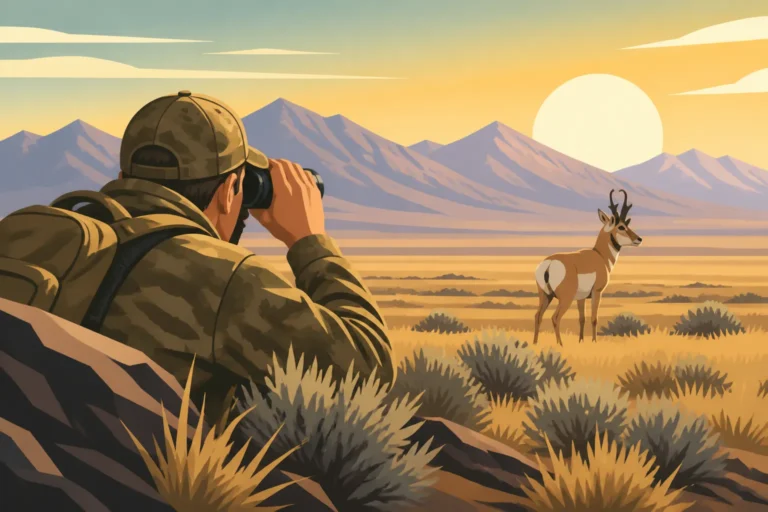
Nevada's landscape is defined by its massive basins and sky-island mountain ranges. We're talking about distances you just don't see in many other places. To cover this ground effectively, you become intimately familiar with your optics. This means hours upon hours of peering through binoculars and spotting scopes, scanning distant hillsides, draws, and canyon bottoms. It's a game where patience is key, and your eyes, neck, and back bear the brunt of that patience. You're not just looking; you're actively searching, discerning shapes and movements against a complex, often mirage-filled backdrop. It's why many veterans will tell you that Why Nevada Deer Hunting Is a Glassing Game is the most crucial skill to master here. The sheer scale dictates that your eyes and equipment must do most of the initial work, making the physical demands for sustained glassing paramount.
The Physical Toll of Stillness
Don't let the word "stillness" fool you into thinking glassing is physically easy. It's an active form of endurance. When you're locked into a comfortable (or sometimes not-so-comfortable) position behind your Optics Power for Nevada's Long Sightlines, your core and back muscles are constantly engaged. You might be leaning over a tripod, holding binoculars to your eyes, or sitting hunched on a small cushion for hours. This isn't just about sitting; it's about maintaining a stable, motionless posture while simultaneously moving your head and eyes with precision. If your core isn't strong, if your back muscles aren't conditioned, you'll find yourself fidgeting, stretching, and eventually giving up, convinced there's nothing out there. Fatigue leads to poor focus, and poor focus means missed opportunities. The slightest tremor or wobble in your setup can obscure a distant animal, turning what should be an exciting moment into a frustrating blur.
Elevation and Temperature Swings
Nevada hunting often involves significant elevation changes, even within a single unit. You might start your day glassing from a high ridge at dawn, where temperatures are crisp, even chilly. As the sun climbs, you might drop into a lower basin where the heat can become intense, especially during those early seasons. These rapid shifts aren't just uncomfortable; they can drain your energy and affect your concentration. Climbing to a prime glassing spot at 8,000 or 9,000 feet, especially with a heavy pack, demands cardiovascular fitness. Then, once you're up there, you need to be able to recover quickly and settle into a sustained glassing position. Understanding Layering for Basin and Range Temperature Swings is part of the solution, but your body still has to adapt to these extremes. If you're physically struggling just to get to your vantage point, you won't have the reserves left for the hours of meticulous glassing that follow.
Building a Foundation: Core Strength and Endurance
The foundation of successful, comfortable glassing in Nevada isn't just about having good optics; it's about having a body that can support those optics and the intense focus required. Think of your body as the ultimate tripod – it needs to be rock-solid and stable.
Strengthening Your Back and Core for Long Hours
Your back and core muscles are the unsung heroes of a long glassing session. They're what allow you to maintain an upright, stable posture for hours without discomfort. Without a strong core, you'll find yourself slumping, shifting, and ultimately, your concentration will waver. To combat this, incorporate exercises like planks, side planks, bird-dog, and supermans into your routine. Deadlifts, performed with proper form, are also excellent for overall posterior chain strength, which translates directly into better back endurance. Aim for sustained holds in your planks, gradually increasing the time. For deadlifts, focus on controlled movements rather than heavy weight, prioritizing form to prevent injury and build functional strength. Remember, you're not trying to become a bodybuilder; you're building a resilient, enduring framework.
Leg and Lung Power for Spot-and-Stalk Transitions
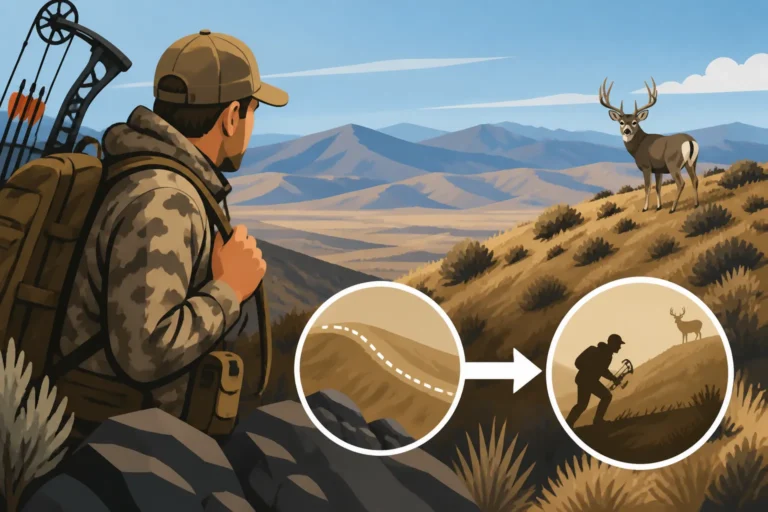
Spotting a deer or elk at a mile might be the first step, but the real work often begins after that. Now you need to get to them. This frequently means a fast, often uphill or downhill, hike over rugged terrain to get into a shooting position. Your legs and lungs need to be ready for these rapid transitions from stillness to intense exertion. Incorporate cardiovascular training such as hiking with a weighted pack (especially mimicking the load you'll carry hunting), trail running, or stair climbing. Focus on varied terrain if possible, replicating the uneven ground you'll encounter in units like the Jarbidge Wilderness. Don't forget that after all that hard work, you'll need to be steady enough to make an ethical shot. Good lung capacity helps you control your breathing, which is vital when you're trying to Rifle Zero Distance for Long Sage Shots after a strenuous approach. A solid cardio base not only gets you to your animal faster and more comfortably but also helps you recover quickly, so you can make a calm, precise move on game.
Shoulder and Neck Endurance for Optics Stability
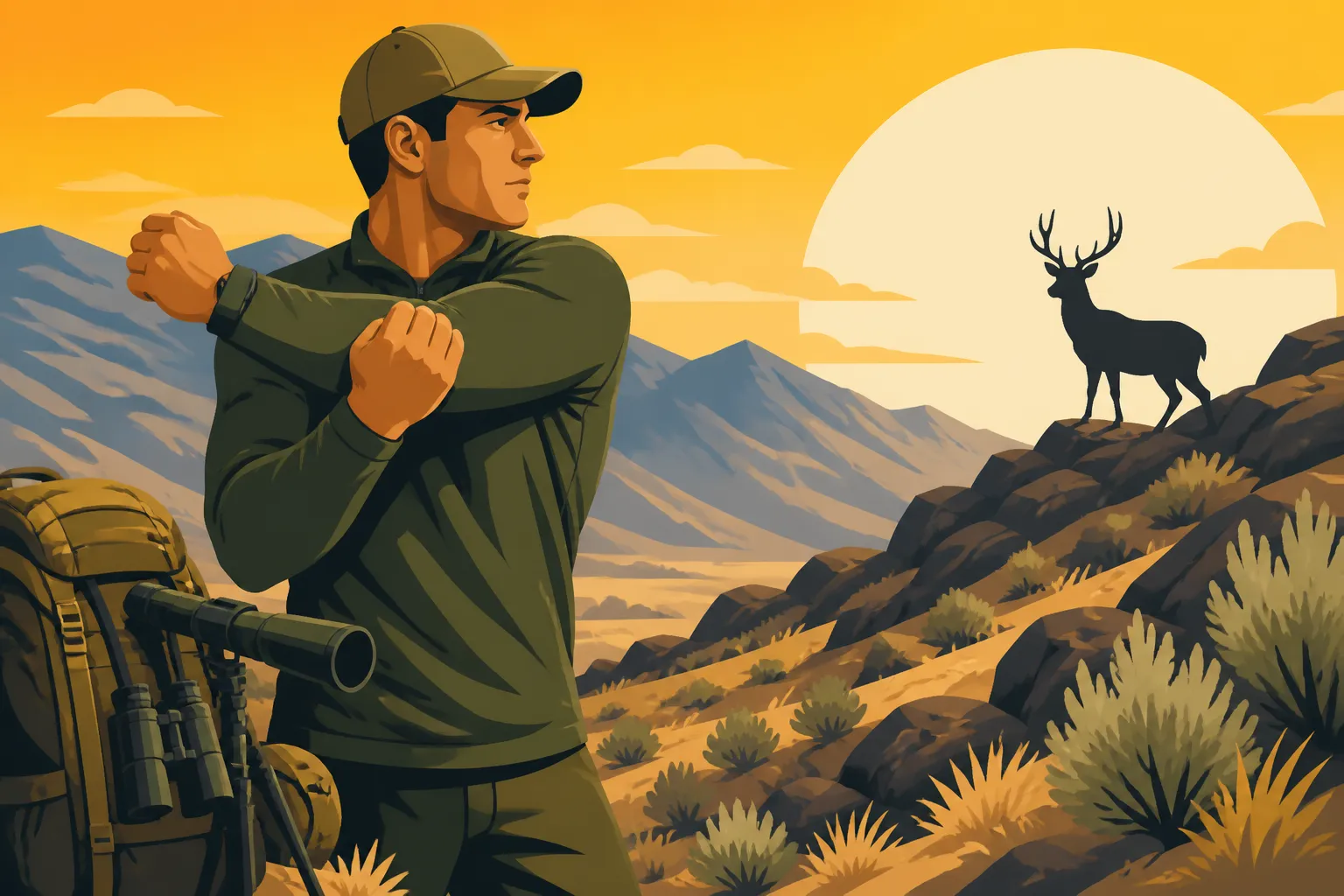
Holding binoculars steady for extended periods or constantly scanning with your head can lead to serious neck and shoulder fatigue. This is especially true when you're glassing for deer in deep draws or looking for elk in thick timber pockets. Exercises that strengthen your traps, rhomboids, and neck muscles are invaluable. Shrugs, rows, face pulls, and neck bridges can help build this specific endurance. Even simple stretches and mobility work for your neck and shoulders are critical. Consider isometric holds where you hold your binoculars up as if glassing for a minute or two, rest, and repeat. This mimics the actual demands of the hunt. Remember that a stable platform starts with your body, so if your shoulders are burning after 30 minutes, you're going to struggle to effectively cover country.
Mental Fortitude and Nutritional Preparedness
Physical preparation is only half the battle. Your mind plays an equally critical role, especially when faced with the vast, often empty, landscapes of Nevada. Being prepared nutritionally ensures your body can keep up with the demands, while mental toughness prevents you from giving up too soon.
Training Your Mind to Focus and Endure
The mental game of glassing is immense. Staring at seemingly barren hillsides for hours on end, convinced you're missing something, can be incredibly taxing. Your mind will try to wander, telling you to move, to give up. This is where mental fortitude comes in. Practice visualization: imagine yourself finding an animal, making the stalk, and successfully harvesting. Break down your glassing sessions into manageable chunks – "I'll glass this ridge for 30 minutes, then shift to that draw for 20." This prevents overwhelm. Learn to embrace the boredom; it's often in those moments of sustained, quiet focus that something finally appears. Patience isn't just a virtue; it's a skill you can cultivate. Platforms like GoHunt can help you e-scout and identify key terrain features and potential bedding areas before you even leave home, which can boost your confidence and focus in the field, knowing you're in a good spot. This mental engagement, even before the hunt, prepares you for the long hours ahead.
Fueling Your Body for Sustained Energy
You can't expect your body to perform at its peak for days on end without proper fuel. Before the hunt, focus on a balanced diet rich in lean protein, complex carbohydrates, and healthy fats. During the hunt, hydration is absolutely non-negotiable in the arid Nevada environment. You'll be surprised how much water you need, even when you're not constantly on the move. Always carry more Water You Must Carry on a Desert Day Hunt than you think you'll need. Pack high-energy, easy-to-digest snacks like nuts, dried fruit, protein bars, and jerky. Avoid sugary drinks and excessive caffeine that can lead to crashes. A small insulated bottle with an electrolyte mix can also be a lifesaver. Your body is a machine, and sustained high performance requires premium fuel. Don't skimp on this aspect of preparation; a bonk in the field can ruin a hunt and even become dangerous.
Gear Considerations for Comfort and Efficiency
While this guide focuses on physical preparation, your gear undeniably impacts your ability to glass comfortably and effectively. A comfortable, lightweight pack that fits well will reduce strain during approaches to your glassing points. Consider a small, padded seat or cushion for those long sits on rocky terrain. A high-quality tripod and binocular adapter are essential for stability and greatly reduce arm fatigue, allowing you to sustain long glassing sessions. For truly extended glassing, a comfortable and stable Tripod Setup for Glassing From a Ridge is non-negotiable. Furthermore, choosing the right footwear, like sturdy boots capable of handling Choosing Boots for Sharp Volcanic Rock, will make getting to and from your glassing spots much more manageable, protecting your feet and ankles from the rugged ground. Everything, from your clothing to your optics, contributes to your overall comfort and ability to remain focused.
A Sample Weekly Training Regimen
Getting ready for a Nevada hunt isn't about crushing yourself in the gym every day; it's about consistency and varied workouts that target the specific demands of the hunt. Here's a sample regimen you could adapt for the 8-12 weeks leading up to your season. Remember to consult with a healthcare professional before starting any new exercise program.
Combining Strength, Cardio, and Flexibility
A balanced approach that hits all aspects of fitness is key. Here's an idea of how to structure your week:
Day Focus Example Exercises Duration/Sets Notes Slavery is a form of forced labor where people are considered property.
Slavery in the Ancient World
Slavery has existed in various forms across almost all ancient civilizations. It wasn't always based on race or ethnicity, but often on factors like:
- War captives: A common source of slaves, particularly for men.
- Debt: Individuals could sell themselves or family members into slavery to pay off debts.
- Birth: Children of enslaved people were often born into slavery.
- Crime: As a punishment for certain offenses.
Ancient societies like Mesopotamia, Egypt, Greece, and Rome all relied on slave labor to varying degrees. In Athens, for example, slaves made up a significant portion of the population and performed a wide range of tasks, from manual labor in mines and fields to skilled crafts and household chores. Spartan helots, while not chattel slaves in the same sense, were an enslaved class tied to the land, providing agricultural labor for the Spartan citizens.
The Roman Empire, however, saw slavery reach an unprecedented scale. With its vast conquests, millions of people were enslaved and became crucial to the Roman economy. Slaves worked in every sector:
- Agriculture: Large estates (latifundia) were worked by gangs of slaves.
- Mines: Slaves faced brutal conditions in mines.
- Public works: Building roads, aqueducts, and other infrastructure.
- Household service: Cooks, cleaners, tutors, scribes, and entertainers.
- Gladiatorial combat: A particularly harsh and often short-lived form of servitude.
While there were occasional slave rebellions, such as the famous revolt led by Spartacus, the system was deeply entrenched and legally sanctioned throughout the Roman period. Treatment varied widely depending on the owner and the slave's role, but all lacked fundamental rights and were subject to their master's will.
The Transatlantic Slave Trade
The transatlantic slave trade, which emerged from the 16th to the 19th centuries, was a fundamentally different and uniquely brutal system. It was characterized by:
- Racial basis: Exclusively targeted people of African descent, creating a racial hierarchy.
- Chattel slavery: Enslaved individuals were treated as movable property, not persons, with no legal rights.
- Hereditary: Passed down through generations, ensuring perpetual servitude.
- Mass scale: Millions of Africans were forcibly transported across the Atlantic to the Americas.
This trade was driven by the demand for cheap labor in the colonies, particularly for lucrative crops like sugar, tobacco, cotton, and coffee. European powers established trading posts along the West African coast, where they exchanged manufactured goods, firearms, and alcohol for enslaved people provided by African merchants and rulers.
The journey across the Atlantic, known as the Middle Passage, was horrific. Enslaved Africans were packed into ships under inhumane conditions, suffering from disease, starvation, and violence. It's estimated that millions died during this passage, and those who survived faced a life of brutal exploitation in the Americas.
Modern Slavery
While the transatlantic slave trade was abolished in the 19th century, slavery continues to exist today in various insidious forms, often referred to as "modern slavery" or "contemporary slavery." It's estimated that tens of millions of people are trapped in these conditions globally. Modern slavery is typically characterized by:
- Coercion and deception: Often involves psychological manipulation, debt bondage, or threats rather than overt chains.
- Economic exploitation: Individuals are exploited for labor, sexual services, or other forms of profit.
- Lack of freedom: Victims cannot leave their situation due to threats, debt, or lack of resources.
Key forms of modern slavery include:
- Forced labor: People are forced to work through violence or intimidation in industries like agriculture, manufacturing, construction, and mining. This can also include state-imposed forced labor.
- Debt bondage (bonded labor): Individuals are forced to work to pay off a debt, but the terms of the debt are manipulated to ensure they can never pay it off. This is one of the most common forms of slavery today.
- Human trafficking: The movement of people by means of threat, force, coercion, abduction, fraud, or deception for the purpose of exploitation. This can be for forced labor, sexual exploitation, or other forms of servitude.
- Child slavery: Children are exploited for labor, forced into armed conflict, or used in illegal activities.
- Forced marriage: Individuals, often young girls, are forced into marriage against their will, becoming enslaved within the marital home.
Modern slavery is a global issue, affecting every country, though it is often hidden and difficult to detect due to its clandestine nature. Efforts to combat it involve international cooperation, law enforcement, victim support services, and addressing the root causes such as poverty, inequality, and lack of opportunity.
Disclaimer
This article is for general informational purposes only and does not constitute professional advice. Laws, prices and regulations vary by location and change over time. Consult a qualified professional for guidance on your specific situation.