Are Crossbows Legal for Big Game?
The question of whether crossbows are legal for big game hunting in Nevada often leaves hunters scratching their heads, especially those transitioning from other states or dealing with physical limitations. It's a common point of confusion, and frankly, the regulations can seem a bit opaque if you don't know exactly where to look. This guide is here to untangle the nuances of Nevada's rules regarding crossbows, ensuring you have the clearest, most comprehensive information to plan your next hunt.
Understanding Nevada's Archery Season Regulations
Nevada has specific rules designed to maintain the integrity and challenge of its big game archery seasons. These regulations are in place to define what constitutes "archery equipment" during these dedicated periods, and it's where the crossbow question usually arises. It's not as simple as "yes" or "no" across the board, which is often the root of the confusion.
General Archery Equipment Standards
When you talk about traditional archery season in Nevada, the image that usually comes to mind is a hunter with a compound bow or a recurve, drawing back the string under their own physical power. The Nevada Department of Wildlife (NDOW) regulations for archery equipment are quite clear on these traditional bows. They stipulate minimum draw weights, usually around 40 pounds for big game, to ensure humane kills. Equally important are the broadhead requirements for bowhunting, which generally mandate fixed-blade or mechanical broadheads with a minimum cutting diameter to ensure efficient energy transfer and quick, ethical harvests.
The spirit of these regulations is to maintain a certain level of challenge and proximity to the animal, emphasizing skill in stalking, calling, and reading game. It’s about getting close enough for a clean, ethical shot with equipment that relies more on the hunter's physical strength and practice than on mechanical assistance. This is why you'll often hear discussions about Minimum Bow Draw Weight for Big Game and Broadhead Requirements for Bowhunting being strictly adhered to during dedicated archery seasons.
The Specifics of Crossbow Legality
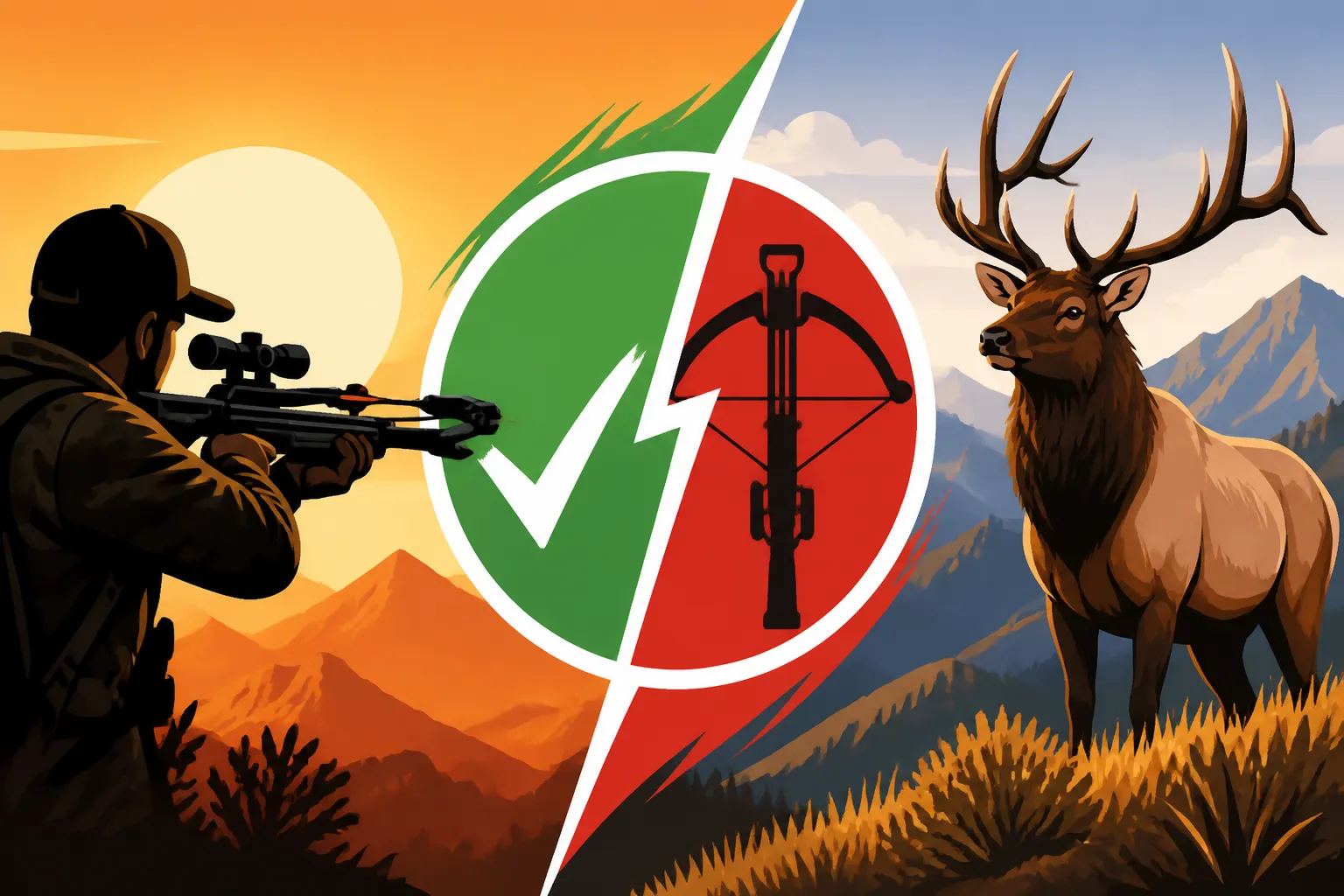
Here's where the rubber meets the road for crossbows in Nevada. For the general big game archery seasons, which often open as early as August, crossbows are generally not permitted unless the hunter qualifies for a specific exemption. This means if you've drawn an archery tag for mule deer or elk, you cannot simply grab your crossbow and head into the field during that dedicated archery window without prior approval.
The primary exception to this rule is for hunters who possess a Disabled Archer Permit issued by the NDOW. This permit specifically allows individuals with documented permanent physical disabilities that prevent them from operating a traditional bow to use a crossbow during the archery season. This provision is a thoughtful inclusion, recognizing that not all hunters possess the same physical capabilities, but still wish to participate in the archery challenge. Beyond this, crossbows are, of course, legal during any general firearm season for big game. So, if you have a rifle tag, you could technically use a crossbow, but it wouldn't be for the dedicated archery benefits like an earlier season.
The "Spirit of Fair Chase" and Crossbow Use
The debate around crossbows in archery season often boils down to the "spirit of fair chase." Traditional archers sometimes argue that crossbows, with their greater accuracy, ability to be pre-cocked, and scope-mounting capabilities, reduce the physical challenge and skill required to make a shot, thus moving away from what they consider true archery. They see it as bridging the gap too much between traditional archery and rifle hunting.
On the other hand, proponents argue that crossbows still require significant skill in scouting, stalking, and shot placement, similar to traditional bows. For hunters with disabilities, it's often the only way they can participate in an archery-specific hunt, and denying them that opportunity would be discriminatory. The NDOW's approach, allowing crossbows for disabled hunters with proper permits, reflects an attempt to balance these varying perspectives – preserving the traditional archery experience while providing equitable access for all hunters. It acknowledges the dedication it takes to get out into the field, regardless of the chosen implement, especially when dealing with the challenging terrain and conditions found while Preparing Physically for Long Glassing Days in Nevada.
Special Provisions for Hunters with Disabilities
Nevada's commitment to inclusive hunting opportunities is evident in its specific provisions for hunters with disabilities, especially concerning equipment like crossbows. These rules are designed to accommodate individuals who, due to permanent physical limitations, would otherwise be unable to experience the unique challenges and rewards of archery hunting. It’s a crucial aspect that often gets overlooked in the broader discussion about crossbow legality.
Obtaining a Disabled Hunter Permit
For a hunter with a permanent physical disability, obtaining a Disabled Archer Permit is the key to legally using a crossbow during Nevada's big game archery seasons. This isn't just a simple checkbox on a license application; it's a formal process that requires documentation and approval from the NDOW. The permit ensures that the privilege is granted to those genuinely in need, maintaining the integrity of the regulation.
The application typically involves submitting a request to the NDOW along with specific medical records. These records must clearly demonstrate a permanent physical disability that prevents the individual from drawing and holding a traditional bow or crossbow by hand. It's not about temporary injuries or mild discomfort; it's about a lasting condition that fundamentally impacts the physical mechanics required for conventional archery. The goal is to provide access without compromising the spirit of the hunt.
Medical Documentation and Application Process
To apply for a Disabled Archer Permit, you’ll need to work closely with your medical provider. The NDOW requires detailed medical documentation, often in the form of a physician's statement, that describes the nature of your permanent physical disability. This statement needs to explicitly confirm that the disability impairs your ability to draw and shoot a traditional bow. Examples of qualifying disabilities might include severe arthritis, loss of limb function, paralysis, or other conditions that render the act of drawing a bow impractical or impossible.
The application form, usually available on the NDOW website, will guide you through the specific information and documentation required. It’s always best to submit a comprehensive application well in advance of the hunting season, as processing times can vary. Getting everything squared away early ensures you’re not scrambling at the last minute, potentially missing out on your tag. This due diligence is just as important as the planning you'd put into E-Scouting a Nevada Unit Before the Season or studying Reading a Nevada Hunt Unit Before You Apply – it’s a critical step in preparing for your hunt.
How These Permits Expand Hunting Opportunities
The Disabled Archer Permit genuinely expands opportunities for many individuals. Imagine someone who has spent their life hunting with a rifle, but due to an accident or illness, can no longer shoulder the weight or absorb the recoil. Or perhaps they've always dreamed of the close-range challenge of archery but were physically incapable. This permit opens up the archery seasons, allowing them to experience big game hunting in a new, exciting way.
It means they can participate in the early Nevada's August Archery Deer Window alongside other archers, pursuing game when animals are still in predictable summer patterns and less pressured. Without this provision, many dedicated hunters would be sidelined from these specific seasons, losing out on valuable time in the field and the unique connection to nature that archery hunting provides. It’s a testament to the NDOW's recognition that hunting should be accessible to as many people as possible, provided ethical and fair chase principles are upheld.
Comparing Crossbows to Traditional Archery and Firearms
When considering the use of a crossbow for big game in Nevada, especially under a Disabled Archer Permit, it's helpful to understand how it stacks up against more traditional archery equipment and firearms. Each weapon type presents a different set of advantages, disadvantages, and ethical considerations that impact the hunting experience.
Performance Differences
From a purely mechanical standpoint, crossbows often boast several performance advantages over traditional compound or recurve bows. They can be cocked and held ready for extended periods without muscular fatigue, which is a huge benefit for hunters who might need to wait for the perfect shot opportunity. Their accuracy, especially when paired with a scope, can be exceptional, often rivaling that of a rifle at closer ranges. This mechanical consistency can lead to tighter groups on the target range and, ideally, more precise shot placement in the field.
Traditional bows, on the other hand, require constant muscular tension to hold at full draw, demanding greater physical strength and endurance from the hunter. While modern compounds are incredibly accurate, they typically require more practice to achieve the same level of precision as a crossbow. Recurves and longbows take this a step further, demanding even more skill and practice to master. When you look at things like Minimum Bow Draw Weight for Big Game for vertical bows, you realize the physical commitment involved.
Firearms, of course, operate on an entirely different level, offering much greater range, flat trajectories, and energy transfer. A modern hunting rifle can ethically take big game at ranges far exceeding any bow or crossbow, altering the entire strategy of a hunt, often shifting the focus from intimate stalking to long-distance glassing and shooting. The choice between these systems fundamentally changes how you approach an animal in the field.
Ethical Considerations and Hunter Responsibility
Regardless of the weapon, ethical hunting hinges on the hunter's responsibility to make a clean, humane kill. With crossbows, the perceived ease of use can sometimes lead to complacency. Just because a crossbow can be accurate at 60 yards doesn't mean every hunter should take a shot at that distance. Wind, animal movement, and hunter error all magnify with distance. The core ethical responsibility remains: know your effective range, practice relentlessly, and only take shots that offer the highest probability of a swift, clean harvest.
Traditional archers often champion the idea that the limited range and greater physical demands of their equipment naturally enforce stricter ethical standards, pushing them to get closer and become more intimately involved in the stalk. For crossbow users, especially those with disabilities, this means an even greater emphasis on diligent practice and self-assessment of capabilities. It's about respecting the animal and the hunting tradition, ensuring that the use of specialized equipment doesn't lead to careless shot choices. This personal responsibility ties directly into the broader discussions around Baiting and Trail Camera Rules in Nevada and other practices that aim to uphold fair chase.
Impact on Draw Odds and Season Structure
Nevada's draw system is famously competitive, especially for trophy units and species like elk and mule deer. The legality of crossbows, specifically for disabled hunters, generally does not impact draw odds or the overall season structure. These permits are granted to a relatively small number of individuals, and the tag quotas for archery seasons remain consistent whether or not a few hunters use crossbows under special provisions.
The archery seasons themselves are distinct windows, separate from rifle and muzzleloader seasons. For instance, Nevada Elk Muzzleloader Timing by Unit or When Nevada Rifle Deer Seasons Fall are completely different sets of regulations and dates. The regulations are designed to provide separate opportunities for different weapon types, and the allowance for disabled archers simply ensures that those with qualifying disabilities can participate in the archery season, rather than being forced into a different hunt type. Tools like GoHunt can be invaluable here, helping hunters research specific unit draw odds and understand season frameworks, regardless of their chosen weapon. They provide detailed data and analytics that assist in making informed application choices, whether you're hoping for a rifle tag or an archery opportunity.
Navigating Regulations and Resources for Hunters
Understanding Nevada's hunting regulations can feel like sifting through a stack of legal documents, especially when you're trying to pin down specifics like crossbow legality. But with the right approach and resources, it becomes much more manageable. Diligence in this area is just as critical as your scouting and shooting practice.
Where to Find the Official Nevada Hunting Regulations
The absolute first and most important stop for any hunter in Nevada should always be the Nevada Department of Wildlife (NDOW). Their official website is the primary repository for all current hunting regulations, including season dates, tag quotas, application procedures, and, crucially, specific equipment rules. You'll find a comprehensive Big Game Seasons and Application Guide, often referred to as the "Big Game Regulations Book," that details everything you need to know.
It's tempting to rely on forums, social media, or even word-of-mouth, but these can quickly become outdated or misinformed. Always cross-reference with the official NDOW documents. Regulations can change from year to year, sometimes subtly, sometimes significantly. What was legal last season might not be this season, so making sure you're reading the most current publication is paramount. When it comes to something as specific as "Are Crossbows Legal for Big Game?", you want the definitive answer straight from the source. This is also where you'd find details on The Nevada Hunter Education Birth Year Cutoff or Legal Shooting Hours and Blaze Orange in Nevada, highlighting the importance of current regulatory information.
Utilizing Online Tools and Community Forums
While the NDOW website is the authority, other online resources can be incredibly helpful for supplementing your research and connecting with the hunting community. Platforms like GoHunt offer a wealth of information, from detailed draw odds and unit breakdowns to mapping tools and community forums. While GoHunt and similar services might summarize regulations, they also provide links to the official sources, making it easier to drill down to the original text. For instance, a quick search on GoHunt might point you directly to the relevant section of the NDOW regulations concerning archery equipment.
Online hunting forums and social media groups dedicated to Nevada hunting can also be great places to ask questions and learn from experienced hunters. However, always exercise caution and verify information. If someone offers advice on crossbow legality, politely ask for them to cite the specific NDOW regulation or page number so you can confirm it yourself. These communities are fantastic for discussions on tactics, like Glassing Grids Across a Nevada Basin or Hunting Water in Nevada's Driest Country, but for legal specifics, always return to the official text.
Planning Your Hunt Around Equipment Choices
Your equipment choice, especially when it involves something as specific as a crossbow, dictates much of your hunt planning. If you require a Disabled Archer Permit to use a crossbow, ensure you've applied for and received that permit long before the season opens. Without it, you could face severe penalties for hunting with an illegal weapon during the archery season.
Beyond legality, consider the practical implications. Crossbows, like vertical bows, require you to get closer to your target than a rifle. This means honing your stalking skills, understanding wind direction, and being proficient with range estimation. You'll need to practice regularly with your crossbow to ensure accuracy and confidence at various distances. It’s not just about compliance, it’s about competence. When you're Reading a Nevada Hunt Unit Before You Apply, think about the terrain and cover available for an archery stalk, whether with a traditional bow or a crossbow under permit. This foresight can be the difference between a successful hunt and a frustrating one.
Here’s a quick comparison of crossbows versus vertical bows for big game hunting in Nevada:
| Feature | Crossbow | Vertical Bow (Compound/Recurve) |
|---|---|---|
| Legality | Generally NOT legal during archery season without a Disabled Archer Permit. | Legal during general archery seasons (must meet draw weight/broadhead requirements). |
| Permit Needed | Yes, a Disabled Archer Permit for archery season use. | No special permit for archery season use (just a valid archery tag). |
| Physical Demand | Lower, can be cocked and held ready; ideal for hunters with disabilities. | Higher, requires strength/endurance to draw and hold at full draw. |
| Accuracy | High, especially with optics; often easier to achieve consistent accuracy. | High with practice; demands more skill for consistent accuracy, especially with distance. |
| Range | Effective range generally similar to traditional bows (ethical considerations apply). | Effective range generally similar to crossbows (ethical considerations apply). |
| Cost | Varies, often comparable to high-end compound bows; accessories can add up. | Varies, from entry-level recurves to high-end compounds; accessories can add up. |
| Fair Chase | Debated; NDOW allows with disability permit to balance access and tradition. | Generally considered traditional "fair chase" archery. |
Ultimately, your choice of equipment should align with Nevada's regulations, your physical capabilities, and your personal commitment to ethical hunting practices. Always check the most current Nevada Big Game Seasons Document before heading afield.
Disclaimer
The information provided in this guide is for general informational purposes only and is not intended as legal advice. Hunting regulations in Nevada are subject to change, and it is the hunter's sole responsibility to consult the most current official regulations published by the Nevada Department of Wildlife (NDOW) before participating in any hunting activity. Failure to comply with state hunting laws and regulations can result in penalties.