Nevada Antelope Season Timing
Trying to pin down the exact dates for Nevada's antelope season can feel like tracking a mirage across the Great Basin. With a complex draw system and unit-specific variations, it's easy to get lost in the regulations and miss critical deadlines. This guide is here to untangle the complexities, walking you through the typical timing for Nevada's coveted pronghorn hunts, from application windows to on-the-ground opportunities.
Understanding Nevada's Antelope Season Structure
Nevada's approach to big game seasons, especially for highly sought-after species like pronghorn, is built around a comprehensive draw system designed to manage herd health and provide quality hunting experiences. Unlike over-the-counter opportunities common in other states for some species, antelope tags are a true lottery, making understanding the timing of seasons crucial even before you consider applying. It's not just about when you can hunt, but when you can even try to secure the chance.
The Draw System and Tag Allocation
For most aspiring antelope hunters in Nevada, the journey begins long before the first hint of autumn in the sagebrush. Pronghorn tags are primarily allocated through a draw, meaning you submit an application, and if your name is pulled, you earn the privilege to purchase a tag for a specific unit and weapon type. This system is in place because antelope populations, while healthy in many areas, simply cannot sustain unlimited hunting pressure. The Nevada Department of Wildlife (NDOW) carefully sets tag quotas for each unit, balancing conservation goals with hunter opportunity. These quotas are often quite limited, especially for mature bucks, making the draw a competitive affair. It means that even if you have your heart set on a particular unit or season, your actual hunting opportunity hinges entirely on the luck of the draw. This reality can be frustrating for those who year after year throw their hat in the ring, but it's the gatekeeping mechanism that protects the resource.
The number of tags issued for each unit directly impacts the potential season length and structure. Units with robust populations and healthy buck-to-doe ratios might see slightly more tags, potentially allowing for a wider range of season dates or more weapon choices. Conversely, units with lower numbers or specific management objectives might have very few tags, often concentrated in short, highly controlled seasons. This dynamic is a fundamental aspect of hunting in the Silver State, where the quality of the hunt often takes precedence over quantity of tags. It necessitates a strategic approach to application, often involving years of accumulating bonus points to increase your odds, a subject many hunters pour over with tools like GoHunt, which helps analyze historical draw data.
Season Dates by Weapon Type
Nevada, like many Western states, offers a variety of weapon choices for big game, and antelope are no exception. Each weapon type—archery, muzzleloader, and rifle—typically has its own distinct season window, designed to spread out hunting pressure and offer different challenges and opportunities. Generally, the earliest opportunities for pronghorn hunters are found during the archery season. These seasons typically kick off in mid-August and might run for two to three weeks, sometimes into early September. Archery hunting for antelope, especially in the heat of August, is an intense challenge, demanding patience, exceptional stalking skills, and an intimate understanding of antelope behavior. The animals are often concentrated around water sources during this period, offering one of the few predictable patterns for bowhunters.
Following archery, the muzzleloader season usually takes the stage, often starting in early to mid-September. These hunts are generally shorter, sometimes lasting only a week or ten days, and offer a unique blend of challenge and increased range compared to archery. Muzzleloader hunters must contend with the same open, often vast terrain as rifle hunters, but with the added complexity of a single shot and unique ballistics. Finally, the rifle seasons, which typically see the most tags allocated and the highest hunter success rates, usually open in late September and can extend into early October. These seasons often coincide with cooler weather and, crucially, the tail end or peak of the antelope rut, which can make bucks more visible and aggressive. Each weapon type presents a vastly different hunting experience, from the up-close and personal nature of archery to the long-range precision often required during a rifle hunt across the expansive Nevada landscape.
Unit-Specific Variations in Season Timing
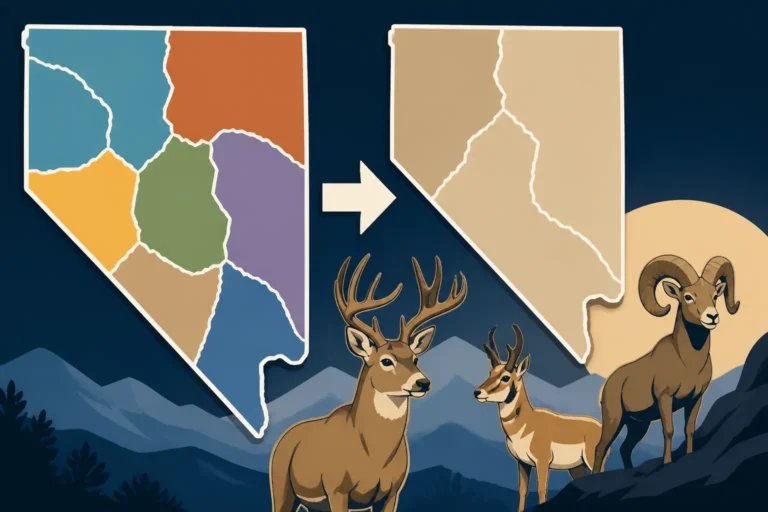
One of the most critical aspects to grasp when planning a Nevada antelope hunt is that season dates are absolutely not uniform across the state. Nevada is a vast and ecologically diverse state, and its big game management reflects this reality. What applies to an antelope unit in the northern reaches near Elko might be entirely different from a unit in the central part of the state near Ely, or even one down in the southern desert. Each hunt unit, or sometimes a group of units, will have its own specific set of opening and closing dates for archery, muzzleloader, and rifle seasons. This granular approach allows NDOW to tailor hunting pressure to local herd conditions, habitat availability, and even weather patterns that can vary dramatically from one mountain range to the next.
This means that simply knowing "Nevada antelope season is in September" is insufficient. Hunters absolutely must consult the current year's official Nevada Big Game Seasons and Regulations document to find the precise dates for the specific hunt unit they drew or intend to apply for. These documents are usually released in the spring, well in advance of the application period. Factors such as the unit's harvest history, population surveys, and long-term management goals all play a role in setting these dates. For instance, a unit experiencing population growth might see a slight expansion of its season, while one recovering from a tough winter could have a more restricted window. This variability underlines the importance of doing your homework; generic information won't cut it when it comes to planning a successful hunt in Nevada. You need to know exactly which three-digit unit number corresponds to your tag and what those dates mean.
Navigating the Nevada Big Game Draw for Pronghorn
The Nevada big game draw can feel like a labyrinth, especially for those new to the system or coming from states with simpler over-the-counter options. For pronghorn, where tags are precious and opportunities scarce, understanding the draw mechanics isn't just helpful; it's absolutely essential. It's the gateway to ever stepping foot in the antelope's open country during hunting season, and mastering its nuances can significantly improve your long-term prospects, even if it means playing the long game with bonus points.
Key Application Dates and Deadlines
Marking your calendar for Nevada's big game application period is arguably the most critical step in pursuing an antelope tag. The draw is the only way to secure most big game tags in the state, and missing the deadline means missing out entirely for the entire year. Typically, the application period for Nevada's big game species, including antelope, runs from late March through mid-May. While the exact dates can shift slightly year to year, a general window to remember is that applications usually open around March 23rd and close around May 13th. These dates are firm, and there's no grace period for late submissions, which can be a bitter pill to swallow if you've been building points.
Once you've submitted your application, the waiting game begins. Hunters eagerly anticipate the release of draw results, which traditionally land at the end of May. This is when you find out if your dreams of chasing pronghorn across the sagebrush flats will come true for the current year. The results are usually posted online, and successful applicants are notified by email. It's a moment of truth, filled with equal parts anxiety and excitement for thousands of hopeful hunters. For many, the result dictates the entire summer's scouting plans and gear preparation. Whether you draw or not, understanding these critical timelines is paramount to playing the game effectively.
Bonus Points and Draw Odds for Antelope
Nevada employs a unique bonus point system that significantly impacts your chances of drawing an antelope tag. Unlike some states where points are squared, Nevada squares your points twice for your first choice, effectively giving hunters who have accumulated many points a substantial advantage. For species like antelope, where overall tag numbers are low and demand is incredibly high, building up a healthy cache of bonus points is often the only realistic path to eventually drawing a tag. Each year you apply and are unsuccessful, you earn a bonus point (assuming you select the option to purchase a point only or apply for a tag and don't draw). These points are species-specific, meaning antelope points only help for antelope draws.
Analyzing draw odds and understanding the point system is where tools like GoHunt become invaluable. They compile historical draw data, allowing you to see how many points it typically took to draw a specific unit for a given weapon type in previous years. This kind of analysis is crucial for making informed application decisions, helping you decide whether to burn your points on a long-shot trophy unit or to apply for a unit with slightly better odds, even if it means compromising on antler size. It's a complex strategic decision, often weighing immediate gratification against long-term goals of drawing a truly exceptional tag. For many, the expectation is that drawing an antelope tag will require several, if not many, years of accumulating points, making each unsuccessful application a small victory towards a future hunt.
Choosing Your Hunt Units Wisely
The sheer vastness of Nevada means that not all antelope units are created equal. Some units are renowned for their trophy potential, boasting older, larger-horned bucks, while others might offer more consistent opportunities for a respectable animal, even if the "Boone and Crockett" giants are fewer. This makes choosing your hunt units wisely a critical component of the application process. Researching specific units before you apply is non-negotiable. Factors to consider include the public land percentage within a unit, the general topography, existing water sources, and historical harvest success rates. High public land percentages are often more appealing, as they minimize the need to seek permission from private landowners, a process that can be challenging.
Resources such as the NDOW's hunt statistics and mapping tools are essential for this research. You can delve into past draw odds, hunter success rates, and trophy quality reports. Understanding Reading a Nevada Hunt Unit Before You Apply is paramount here, as the unit numbers themselves often encode important information about the hunt type and area. Some units are vast, open plains, ideal for long-range glassing and vehicle-based scouting (where legal), while others might be broken up by more significant terrain, requiring more walking or even access to different road networks. Your personal hunting style and physical capabilities should heavily influence your unit choices. Do you prefer an easy-access hunt, or are you willing to hike miles into roadless country? These are the questions that will guide your decisions and hopefully lead you to a unit that matches your expectations and abilities.
| Weapon Type | Typical Season Start | Typical Season End | Notes |
|---|---|---|---|
| Archery | Mid-August | Early September | Hottest part of the year, water focus |
| Muzzleloader | Early September | Mid-September | Shorter season, often coincides with rut |
| Rifle | Late September | Early October | Most tags, often during/after the rut |
Note: These are general timelines. Always consult the current year's Nevada Big Game Seasons and Regulations for exact unit-specific dates.
Typical Antelope Season Phases and Tactics
Understanding when Nevada's antelope seasons typically fall is only half the battle. Knowing what to expect during these different phases—from the scorching heat of an August archery hunt to the cool, rut-driven activity of a late September rifle season—is crucial for developing effective strategies and maximizing your chances of success. Each period presents unique challenges and opportunities, demanding different approaches from the hunter.
Early Archery Opportunities
Nevada's archery antelope season often kicks off in mid-August, right in the thick of the scorching summer heat. This is perhaps the most challenging, yet incredibly rewarding, time to pursue pronghorn with a bow. The landscape is usually bone dry, and temperatures can easily soar into the triple digits, especially on the wide-open flats where antelope thrive. During this period, pronghorn are heavily reliant on water sources, making Sitting Water on a Nevada August Hunt a common and often effective tactic. Setting up a ground blind near a known spring, guzzler, or even a stock tank can provide a bowhunter with a rare, close-range opportunity. However, it requires immense patience, careful scent control, and the ability to withstand long hours in a hot, cramped blind.
Beyond waterhole sits, spot and stalk is the quintessential antelope hunting method, even for archers, though it presents formidable obstacles in August. The flat, open terrain offers very little cover, and a pronghorn's eyesight is legendary, often likened to an 8x binocular. Closing the distance to within bow range (typically 60 yards or less) without being detected demands masterful use of whatever minimal terrain features exist—small washes, subtle rises, or even strategically placed sagebrush. This early season also means bucks haven't fully entered their rutting phase, though some pre-rut activity might be observed. The focus is purely on finding a mature buck and executing a flawless stalk against incredible odds, often culminating in a heart-pounding final approach where every movement counts.
Muzzleloader and Rifle Seasons in Late Summer/Early Fall
As Nevada transitions from late summer into early fall, the muzzleloader and rifle seasons for antelope typically begin, offering hunters broader windows and different tactical considerations. Muzzleloader seasons usually start in early to mid-September, often coinciding with the initial stirrings of the pronghorn rut. This can be an exciting time to hunt, as bucks become more active, chasing does and defending territories. While still offering a challenging, single-shot experience, muzzleloaders generally provide a longer effective range than traditional archery equipment, which can be a significant advantage in Nevada's vast, open country. The focus remains on Spot and Stalk Antelope on Nevada's Open Flats, but with the added reach, hunters can sometimes initiate stalks from greater distances or exploit slightly more open terrain.
Rifle seasons, which typically open in late September and can extend into early October, are often the most popular and generally yield the highest success rates. By this time, the weather usually begins to cool, making for more comfortable hunting conditions. More importantly, these seasons often fall squarely within the peak of the antelope rut, transforming buck behavior dramatically. Bucks are less wary, more focused on does, and frequently engaged in sparring matches or territorial displays, making them more visible and sometimes more approachable. The extended range of a modern rifle truly shines in this environment, where shots can often be taken across vast distances. Hunters will spend hours, if not days, glassing large basins, using high-powered optics to locate a desirable buck and then planning an approach, often utilizing vehicle access on remote roads (where legal) to quickly reposition and cut off moving animals. It’s a game of patience, precision, and leveraging the expansive landscape.
The Pronghorn Rut and Its Impact on Hunting
The antelope rut is a pivotal event that dramatically shapes hunting dynamics in Nevada, particularly for muzzleloader and rifle seasons. When Pronghorn Bucks Go Into Rut typically occurs from mid-September through early October, though local conditions and individual animals can cause variations. During this period, the usually wary and skittish pronghorn bucks undergo a significant behavioral shift. Their primary focus shifts from vigilance and feeding to establishing dominance, gathering harems of does, and fending off rival bucks. This intensified activity makes them more visible and, in some respects, more vulnerable.
For hunters, the rut is a prime time to capitalize on the bucks' preoccupation. Instead of constantly looking for predators, they are chasing does, posturing, and engaging in impressive displays of speed and agility. This behavior often leads them to expose themselves in open areas more frequently. Decoying can be an incredibly effective tactic during the rut. By presenting a silhouette of another antelope buck, hunters can often draw in territorial dominant bucks who come to investigate or challenge the perceived rival. However, even with the rut, a pronghorn's legendary eyesight remains. Hunters must still execute careful stalks, use available terrain for cover, and approach from downwind, even if the buck is distracted. The rut adds an exciting layer of strategy and urgency to the hunt, making it a highly anticipated window for those fortunate enough to draw a tag during this energetic time.
Essential Preparation for Nevada Antelope Hunts
A successful Nevada antelope hunt, regardless of the season timing or weapon choice, hinges on meticulous preparation. The challenging environment—vast, open, often hot, and remote—demands that hunters be physically ready, well-equipped, and thoroughly knowledgeable about their chosen unit and the regulations. Cutting corners on preparation in Nevada's pronghorn country is a recipe for a frustrating, or even dangerous, experience.
Gear Considerations for Open Country
When you're hunting antelope in Nevada, the gear you carry makes all the difference, and top-tier optics are arguably the most critical component. The phrase "it's a glassing game" was practically invented for pronghorn hunting. You'll spend countless hours perched on a vantage point, scanning immense swaths of open country for a flicker of white, a patch of tan, or the tell-tale glint of horns. This means investing in quality binoculars (10x-15x are popular choices) and, perhaps even more importantly, a high-power spotting scope (20-60x or higher) on a stable tripod. Optics Power for Nevada's Long Sightlines is not an exaggeration; you'll be identifying animals at distances that might seem unbelievable to hunters from denser cover. A good rangefinder is also non-negotiable for confirming distances in a landscape where objects often appear closer or further than they are.
Beyond optics, clothing choices must address Nevada's often extreme weather. Early season hunts will demand lightweight, breathable, moisture-wicking layers to combat intense heat, along with wide-brimmed hats and sunglasses for relentless sun protection. Sunscreen isn't optional; it's a necessity. For later seasons, layering remains key, but you'll need insulation for chilly mornings and evenings, even if daytime temperatures remain mild. Water is your most important consumable; always carry more than you think you'll need, especially on August hunts. Hydration packs are excellent. Footwear should be comfortable, supportive, and broken in for miles of walking over varied, often rocky, terrain. Don't forget a sturdy backpack for packing out meat—antelope are smaller than deer, but a whole boned-out animal still has significant weight, and you might be miles from your vehicle.
E-Scouting and On-the-Ground Reconnaissance
Before you even set foot in your hunt unit, effective preparation begins with thorough e-scouting, followed by any possible on-the-ground reconnaissance. Using satellite imagery and mapping applications like onX or BaseMap is absolutely essential for Nevada antelope. These tools allow you to virtually explore your unit, identifying key terrain features that might offer cover for stalks (washes, dry creek beds, subtle rises), potential water sources (springs, guzzlers, stock ponds), and areas of good forage that might concentrate animals. You can plot potential glassing points, identify remote access roads, and mark boundaries of public and private land. E-Scouting a Nevada Unit Before the Season can save you days of aimless wandering once you're on the ground.
If at all possible, a pre-season scouting trip to your unit can provide invaluable real-world insight that no map can fully replicate. This allows you to confirm water sources, assess road conditions (which can be brutal on Nevada backroads), identify common travel corridors for antelope, and get a feel for the scale and specific challenges of the terrain. Even a day or two of driving and glassing can reveal patterns or features you missed on a map. Pay attention to fence lines, as antelope often crawl under them, potentially dictating their movement patterns. Walk a few potential stalk routes to understand the cover or lack thereof. This combination of digital and physical reconnaissance will give you a significant edge when the season finally opens.
Regulations and Ethical Considerations
Successfully navigating a Nevada antelope hunt isn't just about finding and stalking an animal; it's also about adhering to all state regulations and upholding ethical hunting practices. Before embarking on your hunt, thoroughly review the current year's Nevada Big Game Seasons and Regulations. Pay close attention to legal shooting hours, which typically run from one-half hour before sunrise to one-half hour after sunset. Ensure you understand Blaze Orange Requirements Through the Season; while archery seasons may have different rules, often rifle seasons require a minimum amount of fluorescent orange, even in open country. Be aware of specific rules regarding Baiting and Trail Camera Rules in Nevada, as these vary by species and method.
Ethical considerations are paramount, especially when hunting in open country where long shots are common. Practice extensively with your chosen weapon system at various distances, including those you anticipate taking in the field. Be intimately familiar with your rifle's ballistics and your personal effective range. A clean, quick kill should always be the priority. Antelope are not particularly large animals, and their meat can spoil quickly in warm weather, so swift field dressing and cooling are essential. Always have a plan for meat care, especially for early season hunts where temperatures can be punishing. Knowing your unit's boundaries, respecting private property lines, and leaving no trace are also fundamental ethical principles. Adherence to these guidelines not only ensures a legal hunt but also preserves the integrity of hunting for future generations.
Beyond the Draw: Other Antelope Opportunities
While the primary method for securing a Nevada antelope tag is through the demanding annual draw, there are a few other, albeit rare or specialized, avenues that hunters might explore. These opportunities often cater to specific scenarios or demographics, offering alternative pathways for those with patience or specific circumstances.
Nevada Antelope Horns-Only Hunts
Occasionally, Nevada may offer "horns-only" antelope hunts, though these are not as common or widespread as general buck tags. These unique tags are typically issued for specific units and seasons, and as the name implies, only the horns of the antelope can be harvested, while the meat must still be salvaged. The rationale behind such hunts can vary, often related to specific herd management objectives or controlling buck numbers in areas where population dynamics require a different approach. These tags are often part of a very limited quota and can be even harder to draw than standard buck tags, or they might be offered in units that are less desirable for typical buck hunters.
For a hunter, a horns-only tag means that the focus is solely on trophy quality, without the added pressure of meat care, which can be a relief during hot August or September hunts. However, all other regulations still apply, including legal shooting hours, weapon requirements, and tagging procedures. It's imperative to understand the precise language of your tag and the unit regulations to ensure compliance. If you're interested in pursuing this niche opportunity, monitoring the NDOW regulations each year is crucial, as their availability and specific terms can change. While not a regular option for most, it represents a unique facet of Nevada's diverse hunting landscape that some specialized hunters might find appealing.
Leftover Tags and First-Come, First-Served Sales
The idea of securing a leftover antelope tag in Nevada is, for most, a distant dream, but it's not entirely impossible. Antelope tags are incredibly sought after, and the draw system is designed to allocate almost all available tags. However, in rare instances—perhaps due to a draw applicant's payment failing, a tag being surrendered, or an unexpected change in quota—a few tags might become available after the initial draw. When this happens, NDOW typically makes these tags available on a first-come, first-served basis, usually online.
These leftover sales are often highly competitive and can sell out within minutes, if not seconds, of becoming available. Hunters interested in this long-shot opportunity need to be extremely vigilant, constantly checking the NDOW website and signing up for any relevant email notifications. Tools and services that monitor tag availability, such as those provided by GoHunt, can also give you an edge by alerting you as soon as tags drop. The specific timing of these sales can vary, but they generally occur a few weeks or months after the main draw results are posted. While you shouldn't rely on a leftover tag as your primary hunting strategy, staying informed and being ready to act quickly can, in a stroke of luck, turn a non-draw year into an unexpected antelope adventure. It's a testament to the high demand for Nevada's speed goats and the challenges of drawing a tag.
Disclaimer
The information provided in this guide is for general informational purposes only and is subject to change. Hunting regulations, season dates, and application procedures are determined by the Nevada Department of Wildlife (NDOW) and can vary annually. Hunters are solely responsible for consulting the official, current Nevada Big Game Seasons and Regulations document and all applicable state and federal laws before planning or engaging in any hunting activities.