Nevada Tag Quota Changes Year to Year
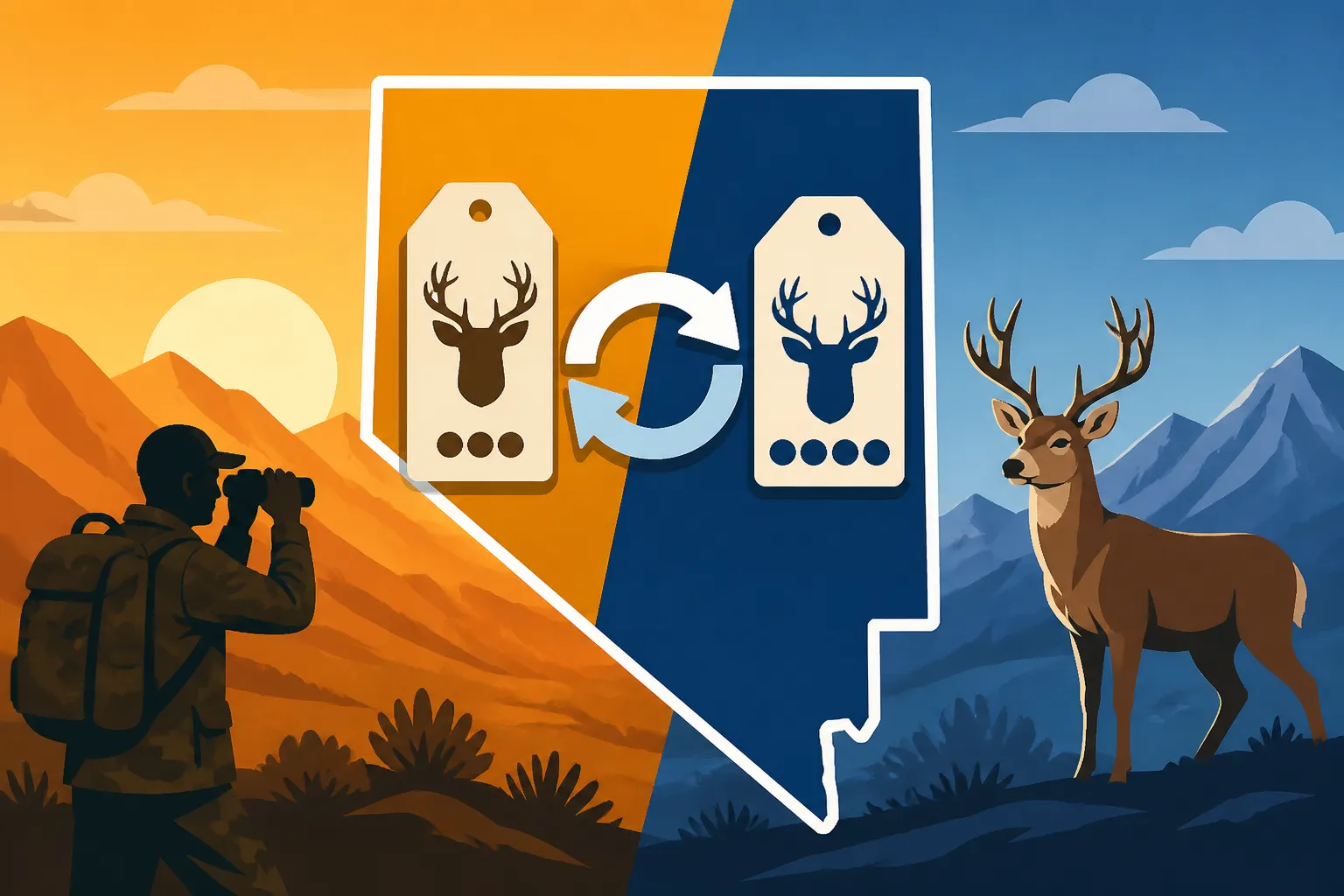
It’s frustrating to spend hours poring over draw odds and unit maps, only to find that the number of tags for your dream hunt unit has dropped dramatically from last year. We've all been there, staring at those updated quota tables, wondering why the Nevada Department of Wildlife (NDOW) keeps moving the goalposts. This guide is here to demystify those annual shifts in Nevada's tag quotas, helping you understand why they change and how you can adapt your hunting strategy to these unpredictable but necessary adjustments.
Understanding Nevada's Tag Quota System Why Things Change
For many of us, the annual draw feels like a lottery where the rules are constantly shifting. You spend years building points for a coveted unit, only to see the number of available tags shrink, making an already tough draw even tougher. It’s enough to make you throw your hands up! But the truth is, these tag quota changes aren't arbitrary. They're a direct reflection of the dynamic nature of Nevada's wildlife populations and the ongoing efforts to manage them sustainably.
The Dynamic Nature of Wildlife Management
Think about it: Nevada's vast, arid landscape is far from a stable environment. A severe winter can decimate a deer herd in the northern ranges, while a prolonged drought can impact fawn survival across multiple species in the south. Unlike a static resource, animal populations are constantly fluctuating due to a myriad of environmental and biological factors. Wildlife management isn't about setting a number and sticking to it forever; it's a continuous, responsive process.
What might be a banner year for mule deer recruitment in one unit could be a struggle for elk in another, all within the same hunting season. NDOW’s biologists are constantly monitoring these localized and statewide fluctuations. Their goal isn't just to provide hunting opportunities, but to ensure healthy, viable populations thrive for generations to come. This means sometimes reducing tags to allow herds to recover, or increasing them when populations are robust and can sustain more harvest. It's a tricky balancing act that requires constant adjustment, which often translates into those frustrating year-to-year changes we see on the quota tables.
Factors Influencing Quota Adjustments
Many elements contribute to whether NDOW decides to issue more or fewer tags for a given species in a particular unit. These factors are often interconnected and can create a complex picture that leads to a change in the quotas.
One of the biggest drivers in Nevada is, without a doubt, the weather. Prolonged drought conditions can severely impact forage availability and water sources, leading to lower fawn and calf survival rates. When the young don't survive, the population declines, and NDOW must react by reducing tags to protect the breeding stock. If you’re interested in this challenge, reading about How Drought Affects Great Basin Deer can really open your eyes to the severity. Conversely, a series of wet years can boost forage and water, leading to a population boom, and potentially more tags.
Winter severity also plays a massive role. A particularly harsh winter with deep snow and sustained cold temperatures can lead to significant winter kill, especially among the youngest and oldest animals. This directly reduces the overall population and the number of animals that will be available for harvest the following season. You can bet that if biologists see evidence of a tough winter, tag numbers will be adjusted downward to allow the herds to bounce back.
Disease outbreaks, though less frequent, can also decimate populations quickly. For instance, bighorn sheep are particularly susceptible to certain respiratory diseases, which can lead to rapid die-offs within a herd. When such events occur, like those detailed in Bighorn Disease Die-Offs Explained, NDOW will act swiftly to reduce or even eliminate tags for affected units to protect the remaining animals and prevent further spread, hoping for recovery.
Habitat changes, both natural and man-made, also factor in. Large-scale wildfires can destroy crucial winter range or summer forage, impacting a herd’s ability to thrive. Invasive species like cheatgrass can outcompete native plants, leading to less nutritious food sources. On the flip side, successful habitat restoration projects or natural re-growth after a fire can improve conditions, potentially leading to increased quotas in the future. Even predator pressure, while often a hot topic among hunters, can contribute to fawn or calf recruitment challenges, especially when combined with other environmental stressors, prompting a re-evaluation of harvest levels.
How NDOW Determines Quotas The Science Behind the Numbers
It's easy to feel like NDOW is just pulling numbers out of a hat, especially when the changes don't align with our hopes for a tag. But the reality is, the process of setting tag quotas is incredibly scientific, relying on a vast amount of data collected year-round by dedicated biologists and field staff. They’re constantly in the field, gathering information to make the most informed decisions possible for the health of Nevada’s wildlife.
Population Surveys and Data Collection
At the core of quota determination are extensive population surveys. NDOW biologists conduct aerial surveys, particularly for mule deer and elk, to get an accurate count of animals in specific units. They don't just count bodies; they're looking at crucial metrics like buck-to-doe ratios and fawn-to-doe ratios. These ratios are vital indicators of a herd's health and reproductive success. A low fawn-to-doe ratio, for example, signals poor recruitment, meaning fewer young animals are surviving to adulthood, which will almost certainly lead to fewer tags in upcoming seasons. This intensive process is truly How Biologists Count a Desert Big Game Herd, often in incredibly remote and rugged terrain.
Beyond aerial counts, ground surveys provide supplementary data, often filling in gaps or verifying aerial observations in areas with dense cover or challenging terrain. Biologists are consistently in the field, documenting observations, tracking animal movements, and assessing habitat conditions. They're looking for fresh sign, water sources, and how animals are using the landscape.
Another critical piece of the puzzle comes from us, the hunters. Mandatory harvest reporting by successful hunters provides NDOW with invaluable data. We report the unit, the date, and often provide biological samples. This data helps NDOW understand success rates, the age structure of harvested animals, and the overall health of the herd. Without this information, they wouldn’t have a full picture of the impact of hunting pressure. If you've ever wondered where all that data goes, know that it's meticulously compiled and analyzed, and the results are often published for public review, showing Where Nevada Publishes Harvest Data. Additionally, for hunters looking for a deeper dive, external tools like GoHunt's data analysis platforms often synthesize these public reports, making complex trends more accessible and easier for you to interpret.
Public Input and Commission Review
While the science is paramount, NDOW's process isn't solely confined to data analysis in a lab. There's a vital component of public involvement and governmental oversight that shapes the final tag quotas and season frameworks. This is where your voice, and the voices of other stakeholders, truly matter.
NDOW regularly hosts public meetings across the state. During these sessions, biologists present their data, proposed quota changes, and season recommendations. This is your opportunity, as a hunter, to ask questions, voice concerns, and provide local observations that might complement or even challenge the presented data. Perhaps you've spent dozens of days scouting a particular unit and have seen a noticeable decline or increase in animals that wasn't fully captured by official surveys. This input is crucial for a well-rounded decision-making process, ensuring that on-the-ground realities are considered.
Following these public input periods, all proposed tag quotas and season structures are brought before the Nevada Board of Wildlife Commissioners. This board, composed of appointed citizens representing various interests, reviews all the biological data presented by NDOW staff. They also carefully consider all public comments and testimony before making final decisions. This is the ultimate stage where How Nevada Sets Its Season Framework is formally established. These commission meetings, often held in late winter or early spring, are typically open to the public, and attending one can give you a profound appreciation for the thoroughness of the process and the diverse perspectives that shape hunting regulations in Nevada. It's a system designed to blend scientific rigor with democratic oversight, even if the outcome isn't always what we individually hoped for.
Impact of Quota Changes on Hunters What It Means for Your Application
So, NDOW has crunched the numbers, listened to the public, and the Commissioners have made their decisions. Now what? For us hunters, these annual quota changes have very real and direct consequences, particularly when it comes to the draw and how we approach our application strategy. It’s not just about a number; it’s about how much hope we can realistically attach to that coveted tag.
Shifting Draw Odds and Strategy Adjustments
The most immediate and painful impact of a tag quota change, especially a reduction, is on your draw odds. Fewer tags in a unit mean more competition for each available tag, which translates directly to lower chances of success in the draw. This can be particularly frustrating for units you've invested years and precious bonus points into, only to see the goalposts moved further away. What was once a tough draw can become nearly impossible overnight, forcing a hard look at Reading Nevada Hunt Draw Statistics for your target unit.
Conversely, if tags increase in a particular unit—perhaps due to a few consecutive years of excellent recruitment or a successful habitat restoration effort—your draw odds improve. This can sometimes elevate a unit that was previously considered a long shot into a more viable option. It might even prompt you to apply for a unit you hadn't seriously considered before, offering a glimmer of hope that balances out the disappointments elsewhere.
Perhaps one of the most significant long-term effects of constantly shifting quotas is point creep. When tags decrease, hunters with more points are all vying for a smaller pool of opportunities. This inevitably drives up the number of points needed to draw a tag in those popular units. What might have drawn with 8 points last year could require 9 or 10 points this year. Understanding How Nevada's Squared Bonus Point System Works is crucial here, as it magnifies the impact of those accumulated points, but even that system feels the pressure of declining tag numbers. This makes your application strategy a living document; it needs to be flexible and adaptive. If tags for your top unit have plummeted, you might need to pivot your strategy, perhaps by considering a less popular unit, exploring a different weapon type like a muzzleloader, or even targeting seasons like Late Rifle Deer Seasons in Nevada which might have different draw dynamics.
Staying Informed with Current Data
Given these constant shifts, relying on outdated information is a sure-fire way to set yourself up for disappointment. The number one rule for any serious Nevada hunter is to always, always consult the current year's official NDOW Big Game Seasons and Regulations booklet. This document is your bible; it contains the finalized quota numbers, season dates, legal shooting hours, and all other regulations you need to know. It’s typically released in late spring, well before The Nevada Application Deadline in May, giving you ample time to adjust your plans.
Beyond the official booklet, NDOW’s website is an invaluable resource, often updated with the latest information as soon as it's made official. For those who want to dig even deeper, third-party analytical tools, such as those offered by GoHunt, compile this public data into user-friendly interfaces. These platforms can offer historical trends, detailed draw odds calculators, and even unit overviews that can help you make more informed decisions. These tools often allow you to see how quotas have changed over several years, not just the current one, providing crucial context.
Never, and I mean never, rely solely on last year's regulations or casual conversations with hunting buddies. A unit that seemed like a great bet two years ago could have seen significant changes in its tag allocation this year due to unforeseen wildlife events. Verification is key. Make it a routine to check the current numbers right before the application period opens. It’s the only way to ensure your application strategy is based on the most accurate and up-to-date information available, maximizing your chances in a system that demands constant vigilance.
Navigating the Annual Quota Changes Your Best Approach
The ever-shifting landscape of Nevada's tag quotas can feel daunting, but it doesn't mean you're left to stumble in the dark. With a proactive approach and a willingness to adapt, you can significantly improve your chances of drawing a tag and having a successful hunt. It's about being smart, doing your homework, and playing the long game.
Researching Unit-Specific Trends
Don't just look at the current year's quota numbers in isolation. That's like reading only one page of a novel. To truly understand a unit's potential, you need to dive into its history. Has a unit consistently seen declining tag numbers over the last five years? Or is it more cyclical, with tags fluctuating up and down every few seasons? Understanding these historical patterns can provide valuable insight into the long-term outlook for a specific unit. If a unit's quotas have been on a steady decline, it might be a sign of deeper, systemic issues like habitat loss or prolonged environmental stress.
It’s also crucial to understand the "why" behind any significant changes. For example, if a unit's tags dropped sharply one year due to a particularly brutal winter, there's a good chance the herd could rebound in a few years with favorable conditions and a few mild winters. In such a scenario, taking a "point-only" year might be a smart move, allowing the herd to recover while you continue to build your bonus points. However, if the reduction is tied to long-term habitat degradation, like increased wildfire frequency or the spread of invasive species, the recovery might be much slower, if it happens at all. Utilizing resources that compile historical data, such as the comprehensive unit analyses provided by GoHunt, can make this research much more manageable, helping you spot trends and make more informed decisions based on official data.
While local hunters and online forums can offer anecdotal evidence, always cross-reference their observations with official NDOW data. While local knowledge is invaluable, one hunter's experience in a small pocket of a vast unit may not reflect the overall health or population trend across the entire unit. Get the official numbers, then factor in local insights to build a complete picture.
Diversifying Your Application Strategy
Putting all your eggs in one basket, especially in Nevada's competitive draw, is a risky move. If you're relentlessly chasing a trophy unit with historically low tag allocations, consider a more diversified approach. Don't be afraid to list a less popular unit as a second or third choice on your application. While it might not be your dream hunt, drawing a tag in a general unit offers valuable experience, time in the field, and the chance to fill your freezer. Plus, sometimes a "lesser" unit can surprise you with hidden gems.
For those applying as a group, it’s critical to understand how quota changes affect pooled points. While group applications average the points of all members, a significant reduction in tags for a desired unit can still make it incredibly difficult for the group to draw. Make sure you fully grasp How Nevada Averages Points Across a Group before committing to a group application, as it can drastically alter your odds compared to applying solo.
In years where tags for your top units are exceptionally low, or if you're feeling the pinch of point creep, consider applying for point-only. This strategy allows you to continue accumulating valuable bonus points without risking them on an almost impossible draw. It's a strategic long-term play, particularly if you’re chasing highly coveted tags for species like the state's magnificent Nevada Elk Herds Grew From Nothing Into a Trophy Draw. Building points patiently for a few years, as outlined in Buying Nevada Points Without Applying to Hunt, can eventually put you in a much stronger position when the tag numbers for your dream unit are more favorable.
Lastly, explore other hunt types and species. Nevada offers various seasons—archery, muzzleloader, and rifle—each with its own quotas and draw odds. Sometimes, an earlier archery hunt, as detailed in Nevada's August Archery Deer Window, or a unique muzzleloader season, like the one-week window discussed in Muzzleloader Deer Runs One Week in Select Nevada Units, might offer better opportunities than the highly popular rifle seasons. Don't limit yourself to just deer; Nevada also has fantastic opportunities for Pronghorn Across Nevada's Open Valleys and other game, each with its own draw dynamics and tag quotas. Being flexible and open to different experiences can be your greatest asset in navigating Nevada’s ever-changing hunting landscape.
| Factor Affecting Quotas | Impact on Tag Numbers | Example Scenario | Hunter Action |
|---|---|---|---|
| Severe Winter | Decrease | High winter kill of fawns/calves | Research historical winter data, consider "point only" year |
| Prolonged Drought | Decrease | Reduced forage, lower fawn/calf survival | Focus on units with better water sources, consult Hunting Water in Nevada's Driest Country |
| Disease Outbreak | Significant Decrease | Bighorn pneumonia outbreak in a specific unit | Avoid affected units, research Bighorn Disease Die-Offs Explained |
| Excellent Recruitment | Increase | High fawn/calf survival rates for several years | Check for improved draw odds, potentially apply for units with previous low odds |
| Habitat Improvement | Potential Increase | Post-fire recovery, reseeding efforts | Monitor long-term unit health, use e-scouting tools |
| Herd Management Plan | Fluctuation | NDOW aims to reduce or grow specific herd numbers | Read current Reading a Herd Management Plan for target units |
Disclaimer
The information provided in this guide is for general informational purposes only and is not intended as legal advice. Hunting regulations in Nevada are subject to change, and it is the hunter's responsibility to consult the most current Nevada Department of Wildlife (NDOW) regulations and season proclamations before applying or hunting. Always verify specific dates, quotas, and rules directly with NDOW.