Why Chukar Hunting Is So Punishing
Chukar hunting in Nevada isn't just a tough day out in the field; it's a brutal, soul-testing endeavor that leaves even seasoned hunters questioning their sanity and their life choices. If you've ever found yourself gasping for air on a nearly vertical slope, miles from your truck, with nothing but loose volcanic rock underfoot and the mocking calls of chukar echoing from the next canyon, you know exactly what I mean. This guide dives deep into the myriad reasons why chasing these "Himalayan Huns" across Nevada's rugged landscape is so uniquely punishing, exploring everything from the unforgiving terrain and the birds' exasperating behavior to the sheer physical and mental toll it takes on a hunter.
The Relentless Vertical Landscape
Nevada’s chukar country isn't for the faint of heart, or for those who prefer leisurely strolls. This is a land of extremes, defined by its steep, rocky, and utterly unforgiving terrain. Every step is a challenge, every climb an endurance test, and every descent a lesson in controlled falls.
Navigating Knife-Edge Ridges and Basalt Boulders
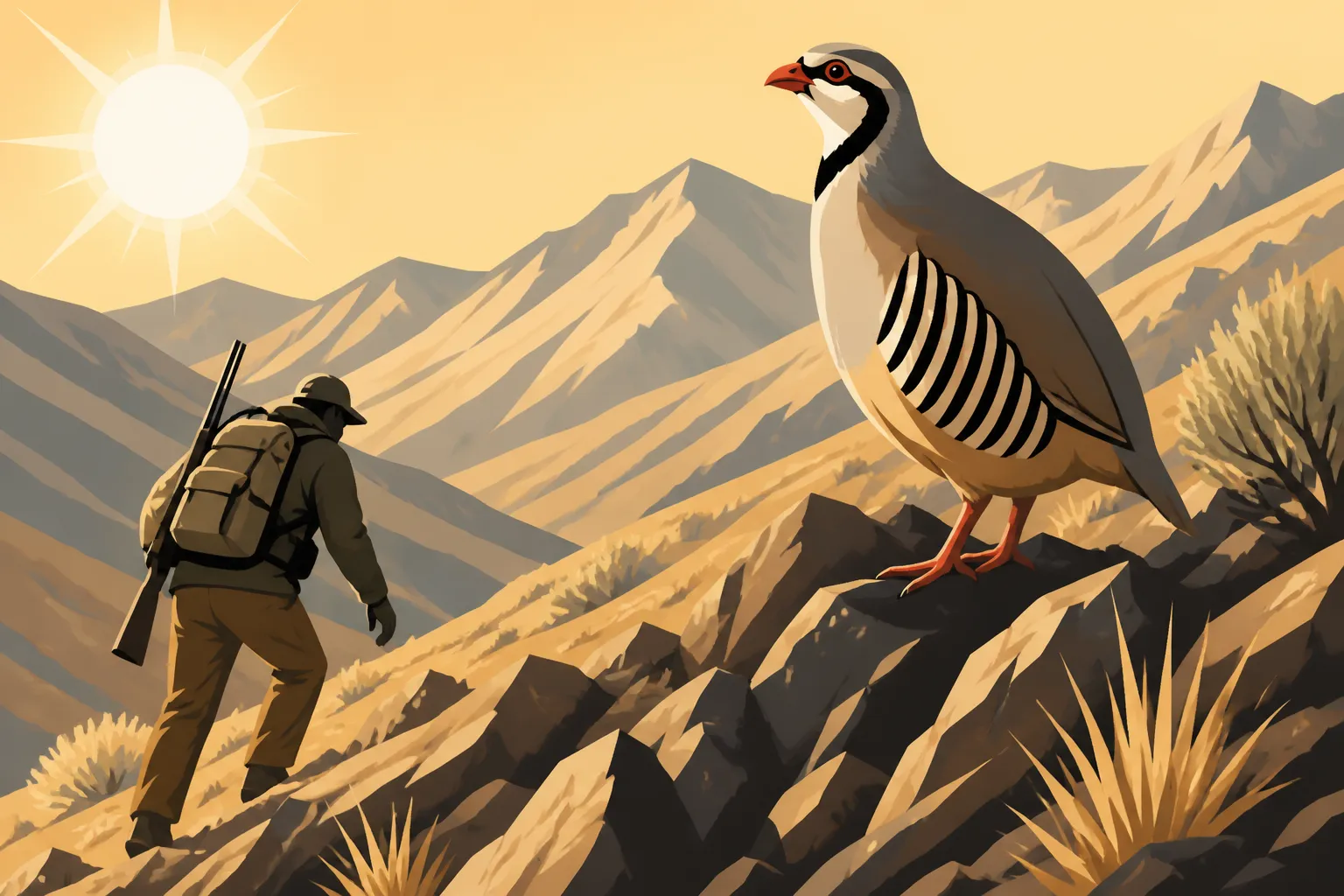
The typical chukar habitat in Nevada is a geological nightmare for walking. Imagine slopes that often exceed 45 degrees, covered not in gentle soil, but in a chaotic mosaic of volcanic rock, jagged basalt boulders, and loose scree. This isn't just an inconvenience; it's a constant battle for stable footing. Your ankles will burn, your knees will ache, and the ever-present danger of a twisted ankle or a full-blown tumble is very real. These knife-edge ridges often demand that you traverse incredibly narrow paths, sometimes with sheer drops on either side, forcing you to focus intensely on every single foot placement. It’s an exhausting mental and physical exercise just to stay upright.
Many hunters find themselves in areas like the lower elevations of the Ruby Mountains or the steep draws of the Santa Rosa Range, where the basalt rock can be particularly brutal on boots and bodies. Even smaller, seemingly innocuous desert ranges, often overlooked by bigger game hunters, can harbor these same challenging conditions. The elevation gain and loss on a typical chukar hunt can easily rival a strenuous mountain ascent, but with the added difficulty of constantly changing, unstable surfaces. You might climb 1,000 feet, only to descend 800 feet into a canyon to chase a covey, and then have to climb all that back out. It's a relentless up-and-down cycle that grinds away at your reserves. Without proper footwear, your feet will be screaming in protest before noon. Choosing boots for sharp volcanic rock is a critical decision that can make or break your hunt, providing the necessary support and protection for such unforgiving ground.
The Endless Sagebrush Sea and Its Hidden Traps
Beyond the immediate obstacle of rock and scree, the ever-present sagebrush sea that dominates so much of Nevada's landscape adds another layer of punishment. This isn't just a visual obstruction; it’s a physical barrier that makes every step a fight. The sagebrush, often knee-to-waist high, hides a multitude of hazards – unseen holes, loose rocks, and tangled branches that snag at your clothing and trip your feet. It transforms what might otherwise be a difficult walk into a constant, energy-sapping struggle against resistance.
For hunters with dogs, the sagebrush presents its own unique set of problems. Dogs can easily get tangled, making it harder for them to move efficiently and increasing the risk of injury. Scenting becomes more difficult in thick cover, as the sagebrush can hold or disperse scent in unpredictable ways. Furthermore, the sheer density of the brush means it’s harder to keep track of your dog, leading to frustrating moments of lost contact in country where communication is already a challenge due to the expansive, broken terrain. The constant pushing through the thick, stiff branches, often with thorns or sharp edges, leaves you scratched, bruised, and utterly worn out. It's a grim reminder that even when you're not on a rocky face, Nevada's landscape is actively working against you. Reading a BLM surface management map can help identify areas with varying terrain and vegetation, giving you a slight edge in preparing for the battle ahead.
The Elusive Nature of the Chukar Itself
If the terrain doesn't break you, the chukar themselves will certainly try. These cunning birds are perfectly adapted to their harsh environment, employing a range of behaviors that seem specifically designed to frustrate hunters to their absolute limit.
Masters of Camouflage and Deception
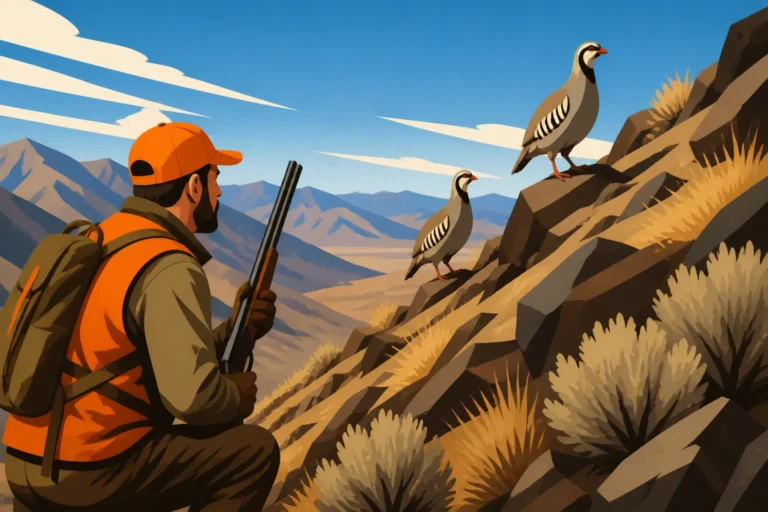
Chukar are truly masters of camouflage, blending seamlessly into their rocky, sagebrush-covered surroundings. Their mottled brown, grey, and white plumage makes them virtually invisible against the backdrop of volcanic rock and dry grasses. This means you often walk right past coveys, completely unaware of their presence, until they decide to explode into flight. The sheer frustration of this is palpable – you’ve hiked for hours, traversed brutal terrain, and then birds erupt from seemingly barren ground behind you, giving you mere seconds to react before they’re gone.
Their characteristic "chuk-chuk-chukar" call is often the first, and sometimes only, warning you get, but by then, it’s usually too late. They use these calls to communicate within the covey, often sounding off when they've spotted you from a distance, long before you've spotted them. This advanced warning system allows them to plan their escape, either by running or flying, well before you're in a shooting position. Unlike a pheasant flushing from a cornfield, chukar aren't just a bird; they are ghosts of the mountains, appearing and disappearing with maddening efficiency. Many a hunter has spent hours meticulously working a slope, only to hear the taunting calls from the canyon below, realizing the birds were there all along, simply choosing when to make their presence known.
The Uphill Dash and the Downhill Glide
Perhaps the most infuriating chukar behavior is their escape strategy. When disturbed, chukar almost invariably run uphill. They do this with astonishing speed and agility, gaining elevation and distance from the hunter at a pace that few humans can match. This uphill dash gives them a crucial head start, exhausting you even further as you try to keep up on already punishing terrain. Just when you think you might be closing the distance, they reach a vantage point.
Once they decide they've run far enough, or if pressed too hard, they take to the air. But they don't just fly; they use gravity to their advantage, executing long, powerful glides hundreds of yards, sometimes even a full mile, often landing in the next canyon over or on an entirely different ridge. This forces the hunter to lose all that hard-won elevation, descend into the canyon, and then begin the arduous climb all over again, only to repeat the cycle. It's a soul-crushing pattern that can quickly drain both your physical energy and your mental resolve. You might spend an hour climbing, get one flush, one shot, miss, and then watch the birds glide effortlessly to a spot that will take you another hour or two to reach, assuming you can even guess where they landed. This is precisely why chukar hunting is so physically hard; it's a constant, demanding chase.
Unforgiving Physical and Mental Toll
Chukar hunting demands more than just skill with a shotgun; it demands an elite level of physical fitness and an iron will. It will test your body to its limits and push your mind to the brink of surrender.
Relentless Cardiovascular Demands
Let's be clear: chukar hunting is not for the out of shape. It is a non-stop, high-intensity cardiovascular workout performed at altitude, often ranging from 4,000 to over 8,000 feet. You are constantly climbing steep slopes, traversing treacherous side-hills, and descending into deep canyons. Even a "short" hunt of a few hours can feel like a marathon, leaving your lungs burning and your muscles screaming in protest. The thin air combined with the relentless physical exertion means your heart rate will be consistently elevated, and you'll be gasping for breath more often than not.
Proper hydration and nutrition are not just recommendations; they are absolutely critical for survival and sustained effort. You need to be fueled with enough calories and electrolytes to keep your body going, and constantly sipping water to prevent dehydration. Many hunters underestimate the toll this takes, especially on their first few chukar hunts, only to find themselves completely spent by midday, with miles still between them and their vehicle. It's an experience that truly hammers home the meaning of "punishment" in hunting. When you're planning your hunt, using detailed topographical maps, perhaps even with tools like those offered by GoHunt, to analyze elevation changes and plan your routes, can give you a better understanding of the workout ahead. It won't make the climb easier, but at least you won't be surprised by the sheer verticality.
The Mental Grind of Repeated Setbacks
Beyond the physical pain, chukar hunting inflicts a profound mental grind. The cumulative effect of the constant, arduous hiking, the missed shots, the birds that flush wild just out of range, and those infuriating coveys that glide to the next mountain, all contribute to immense mental fatigue and frustration. You can spend hours meticulously working a promising looking draw, only to come up empty-handed or get one fleeting shot opportunity. The psychological toll of expending so much energy for so little tangible reward can be immense.
There will be moments when the temptation to simply give up and head back to the truck is overwhelming. It’s easy to feel defeated by a bird that seems to outsmart you at every turn. Chukar hunting often becomes a test of sheer stubbornness and perseverance. The mental strength required to push through the exhaustion, the disappointment, and the nagging self-doubt is as important as any physical attribute. It's a game of inches, where success often comes down to one well-placed step, one quick shot, or simply the refusal to quit after the tenth climb of the day.
Extreme Environmental Variables
Nevada is a land of harsh beauty, and its weather patterns are as extreme and unforgiving as its landscapes. Chukar hunters must be prepared for a wide array of environmental challenges, often within the same day or certainly within the same season.
Scorching Heat to Sudden Cold Snaps
Nevada's weather is notoriously unpredictable, especially in the mountains and high desert where chukar thrive. Early season hunts, often starting in August or September, can be brutally hot, with temperatures easily soaring over 90 degrees Fahrenheit. Hunting in this kind of heat transforms every step into a furnace-like ordeal. Heatstroke is a very real danger, and managing your body temperature, as well as your dog's, becomes a primary concern. Every piece of gear feels heavier, and your water supply diminishes alarmingly quickly.
Conversely, as the season progresses into late fall and early winter, sudden cold snaps and even heavy snowstorms can roll in with little warning. What was dry, rocky ground can become an icy, treacherous death trap in a matter of hours. Temperatures can plummet, and you might find yourself battling freezing winds and numb fingers. This variability underscores the critical importance of layering for Basin and Range temperature swings, ensuring you have adaptable clothing to handle everything from intense sun to sudden blizzards. One moment you might be sweating profusely, the next you're shivering uncontrollably, trying to stay warm against a biting wind.
The Critical Importance of Water and Hydration
In this arid landscape, water is not just important; it is paramount. Natural water sources are incredibly scarce in much of Nevada's chukar country. This means that hunters must carry every single drop of water they and their dogs will need for the entire day, often several liters per person, which significantly adds to the already burdensome pack weight. Dehydration is a constant and severe risk, especially when you're exerting yourself physically in high temperatures. You cannot rely on finding springs or streams; you must be self-sufficient.
Many experienced chukar hunters will cache water along their planned routes beforehand, if possible, or carry robust hydration packs. For your canine companions, portable water bowls are a must, and you need to monitor their intake just as carefully as your own. Understanding how rainfall drives chukar numbers also ties into water availability, as a dry year can mean birds are more concentrated around the few remaining water sources, making them slightly more predictable but also increasing competition. When planning, satellite imagery and maps, even those provided through services like GoHunt, can sometimes reveal potential water sources or guzzlers, which can be invaluable for strategic planning and ensuring you pack enough, or know if you might be able to refill. Knowing where the few reliable water sources are located is often key to a successful, and safe, hunt.
Logistical Hurdles in Remote Nevada
Beyond the immediate challenges of terrain, birds, and weather, chukar hunting in Nevada presents a host of logistical nightmares that can wear down even the most prepared hunter. The vast, remote nature of the state demands meticulous planning and a robust understanding of self-reliance.
Accessing the Backcountry
Many of Nevada's prime chukar spots are located deep within expansive, roadless backcountry areas, or are accessed only by incredibly rough, unmaintained dirt roads. These aren't your typical forest service roads; they are often deeply rutted, rocky, washed-out tracks that demand a high-clearance 4×4 vehicle equipped with stout tires, at least one full-size spare, and essential recovery gear like a shovel, tow strap, and traction boards. Getting to the actual trailhead or starting point for your hike is frequently half the battle, and a single breakdown can leave you stranded for days in areas with no cell service.
The sheer isolation of these areas cannot be overstated. You might drive for hours from the nearest paved road, only to find yourself miles from any other human. This means that emergency services are hours away, if they can even reach you. Planning your vehicle prep for remote Nevada roads is not just a suggestion; it's a necessity. It’s crucial to know that your vehicle is in top condition and capable of handling the abuse it will inevitably take. Understanding how to use tools like GoHunt's public land layers can be a game-changer here, helping you identify legal access points, map out your drive, and anticipate potential challenges before you even leave home. This allows you to avoid unexpected private land closures and navigate the labyrinth of unpaved roads with more confidence.
Gear Requirements for Survival and Success
Given the extreme conditions and remote nature of chukar hunting, specialized and high-quality gear is not a luxury, but a necessity for both success and survival. Beyond the obvious need for a reliable shotgun and plenty of shells, your personal equipment list needs to be robust. First and foremost are tough, supportive boots designed for sharp volcanic rock, providing ankle stability and excellent traction. Your clothing needs to be durable, able to withstand constant abuse from sagebrush and rocks, and capable of layering for Basin and Range temperature swings.
Optics are also crucial; a good pair of binoculars, even a compact pair, can help you spot distant coveys before you commit to a brutal climb. A robust first-aid kit, well-stocked for cuts, scrapes, blisters, and potential snake bites, is non-negotiable. Furthermore, due to the lack of cell coverage across Nevada hunt units, a reliable GPS device preloaded with maps (or a robust mapping app like GoHunt on your phone with downloaded offline maps) is essential for navigation, especially if you get turned around in a featureless sagebrush flat or a convoluted canyon system. A satellite communicator or inReach device should also be considered mandatory for emergency communication. Without these vital pieces of gear, you’re not just at a disadvantage; you’re potentially putting yourself in serious danger.
Here's a quick look at some of the punishing factors and how they might be mitigated (but never eliminated):
| Punishing Factor | Description | Mitigation Strategy (Not Elimination) |
|---|---|---|
| Steep, Rocky Terrain | Constant climbing/descending on loose volcanic rock, scree, and boulders. | High-quality, supportive boots; trekking poles; focused physical conditioning. |
| Elusive Chukar Behavior | Birds run uphill, glide long distances, and camouflage perfectly. | Patience; strong, well-trained dog; accurate shooting; studying chukar habits. |
| Physical Exertion | Non-stop cardio at high altitude; extreme muscle fatigue. | Rigorous preseason physical training; proper hydration/nutrition; pacing yourself. |
| Weather Extremes | Rapid shifts from scorching heat to freezing cold, wind, sun exposure. | Layered clothing; ample water; sun protection; monitoring forecasts closely. |
| Remote Access | Rough roads, no cell service, long drives to trailheads. | Reliable 4×4 with recovery gear; satellite communication; detailed map study (e.g., GoHunt). |
| Mental Fatigue | Repeated setbacks, missed shots, endless climbing for minimal reward. | Strong mental fortitude; celebrating small victories; focusing on the experience, not just the birds. |
The Unspoken Rewards Despite the Punishment
Despite the undeniable brutality of chukar hunting in Nevada, there's a reason why so many hunters return year after year, willingly subjecting themselves to this unique form of self-inflicted torture. The punishment, it turns out, is intrinsically linked to some of the most profound rewards in upland hunting.
The Thrill of the Flush and the Hard-Earned Bird
After hours of climbing, scrambling, and sweating, pushing through thick sagebrush and loose rock, the explosive flush of a covey of chukar is nothing short of exhilarating. It's an adrenaline surge that instantly makes you forget every ache and pain, if only for a few precious seconds. The demanding, often acrobatic shots required to connect with these fast-flying birds add to the thrill. When you finally make a clean shot and watch a bird tumble, there’s an unparalleled sense of accomplishment. It’s not just a bird; it's a testament to your endurance, your skill, and your sheer refusal to quit.
The satisfaction of holding a hard-earned chukar, knowing what it took to get it, is deeply profound. There are few other hunts that demand so much from a hunter for such a comparatively small bird, and that effort imbues every bird in your vest with immense value. It’s a feeling that resonates long after the hunt is over, a deep-seated pride in having overcome such formidable odds. The challenging conditions often mean that every shot counts, and every retrieve by your loyal dog feels like a significant victory.
Unforgettable Scenery and Solitude
Chukar hunting takes you to some of Nevada's most stunning, wild, and untouched landscapes. While your legs might be burning and your lungs heaving, it's impossible to ignore the panoramic views that unfold around you. From the vast, undulating sagebrush basins stretching to distant mountain ranges, to the dramatic rock formations and the stark beauty of the desert, the scenery is truly unforgettable. It’s a chance to immerse yourself in raw, untamed nature, far from the crowds and noise of everyday life.
The solitude found in these remote canyons and on these expansive ridges is another powerful draw. You can often go an entire day without seeing another human, experiencing a profound sense of peace and connection to the wilderness. It's an opportunity for introspection, a chance to disconnect from the digital world and truly experience the present moment. The quiet stillness, broken only by the wind or the distant call of a hawk, is a balm to the soul, even as your body protests every step. This deep connection to the land and the sheer, unfiltered wilderness experience is often the hidden reward that compels hunters to endure the "punishment" and return to chukar country year after year. Hunting water in Nevada's driest country or reading a Nevada hunt unit before you apply can open up even more opportunities to explore these untouched landscapes.
Disclaimer
Hunting is an inherently risky activity. The information provided in this guide is for informational purposes only and should not replace proper training, local regulations, or professional guidance. Always prioritize safety, respect wildlife and private property, and be aware of all current Nevada Department of Wildlife (NDOW) regulations and requirements. Conditions in the field can change rapidly and unexpectedly.