Nevada Units With the Highest Bull Scores
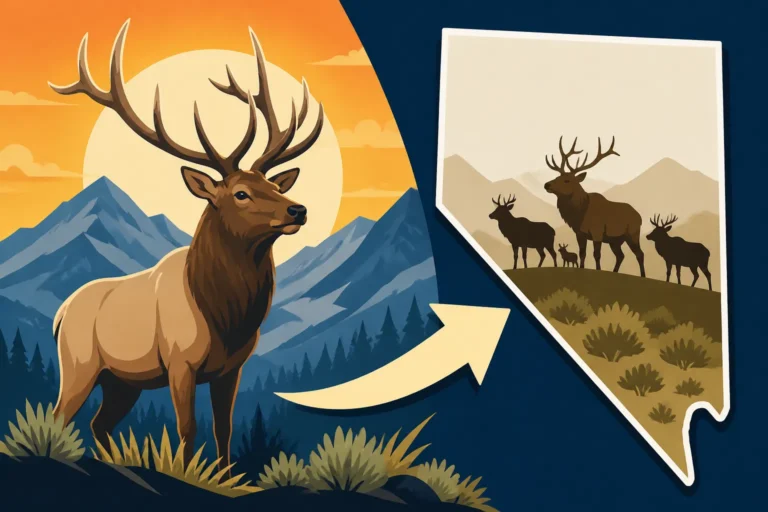
It's an undeniable truth that for many hunters, the dream of pursuing a truly magnificent bull elk in Nevada is what keeps them putting in for the draw year after year. The Silver State, known for its vast, rugged landscapes, also harbors some incredible elk herds that have the potential to grow bulls with truly impressive headgear. This guide aims to shed some light on what contributes to these high bull scores, which units consistently earn a reputation for them, and how you can approach the daunting challenge of drawing and hunting these coveted areas.
The Allure of High-Scoring Elk in Nevada
The idea of a "high-scoring" bull elk sparks a particular kind of excitement among hunters, a mental image of a monarch of the mountains with heavy, long antlers reaching for the sky. Nevada, with its low elk populations relative to some other western states, has cultivated a reputation for producing some truly exceptional bulls, making the pursuit even more legendary.
Defining "Trophy" in the Silver State
When we talk about "high-scoring" bulls in Nevada, we're generally referring to mature animals that have achieved their full antler growth potential, often measured by systems like Boone and Crockett or Pope and Young. While most hunters would be thrilled with any legal bull, the units known for high scores are those where animals consistently reach these benchmarks or exceed them. This isn't just about sheer size; it's about symmetry, mass, tine length, and overall impressive antler architecture. These are the bulls that make jaws drop and inspire a lifetime of chasing the dream. The challenge in Nevada is that these animals exist within vast, often unforgiving landscapes, making their discovery and pursuit an endeavor that demands skill, patience, and a bit of luck. The rarity of such animals is what elevates the mystique, creating a highly competitive draw and an unforgettable hunting experience for the fortunate few.
A Brief History of Nevada's Elk Herds
It might surprise some to learn that Nevada's elk herds, particularly those producing trophy-class animals, are a testament to successful wildlife management and reintroduction efforts. Historically, elk were largely extirpated from the state by the early 20th century. However, dedicated conservation efforts, beginning with reintroductions in the mid-1900s, allowed these populations to slowly but steadily rebound. The narrative of how Nevada Elk Herds Grew From Nothing Into a Trophy Draw is truly remarkable. These initial herds, often supplemented by transplants from states like Wyoming and Utah, found suitable habitat in Nevada's diverse mountain ranges, from the northern forests to the central basin and range country. Crucially, strict harvest regulations, including very limited tag quotas, have been instrumental in allowing bulls to reach older age classes, which is a primary driver of antler growth and ultimately, high scores. This long-term commitment to managing for quality, rather than quantity, is a significant reason why Nevada is now recognized for its trophy elk potential.
Premier Units Known for Trophy Potential
While no specific unit guarantees a "record book" bull, certain areas in Nevada have consistently demonstrated the habitat quality, genetics, and age structure necessary to produce truly outstanding elk. These units are often fiercely competitive in the draw, a testament to their reputation.
Unit 162 and Its Record Book Bulls
When discussing trophy elk in Nevada, it's almost impossible not to mention Unit 162 and Its Record Book Bulls. This unit, situated in the eastern part of the state, has garnered a legendary status among serious elk hunters. The terrain is classic Nevada: vast expanses of sagebrush broken by steep, timbered mountain ranges and hidden canyons. It's a landscape that provides incredible feed, ample cover, and the solitude necessary for bulls to grow old and develop impressive antlers. The unit's reputation isn't just anecdotal; it consistently shows up in discussions and records for producing some of the largest bulls in the state. Hunting here is a serious backcountry affair, often requiring extensive glassing, long stalks, and the physical endurance to navigate steep, unforgiving country. It's not a place for the faint of heart, but for those who commit to the challenge, the rewards can be truly once-in-a-lifetime. The limited number of tags issued here means that successful applicants are truly among the fortunate few.
Other Top-Tier Units to Consider
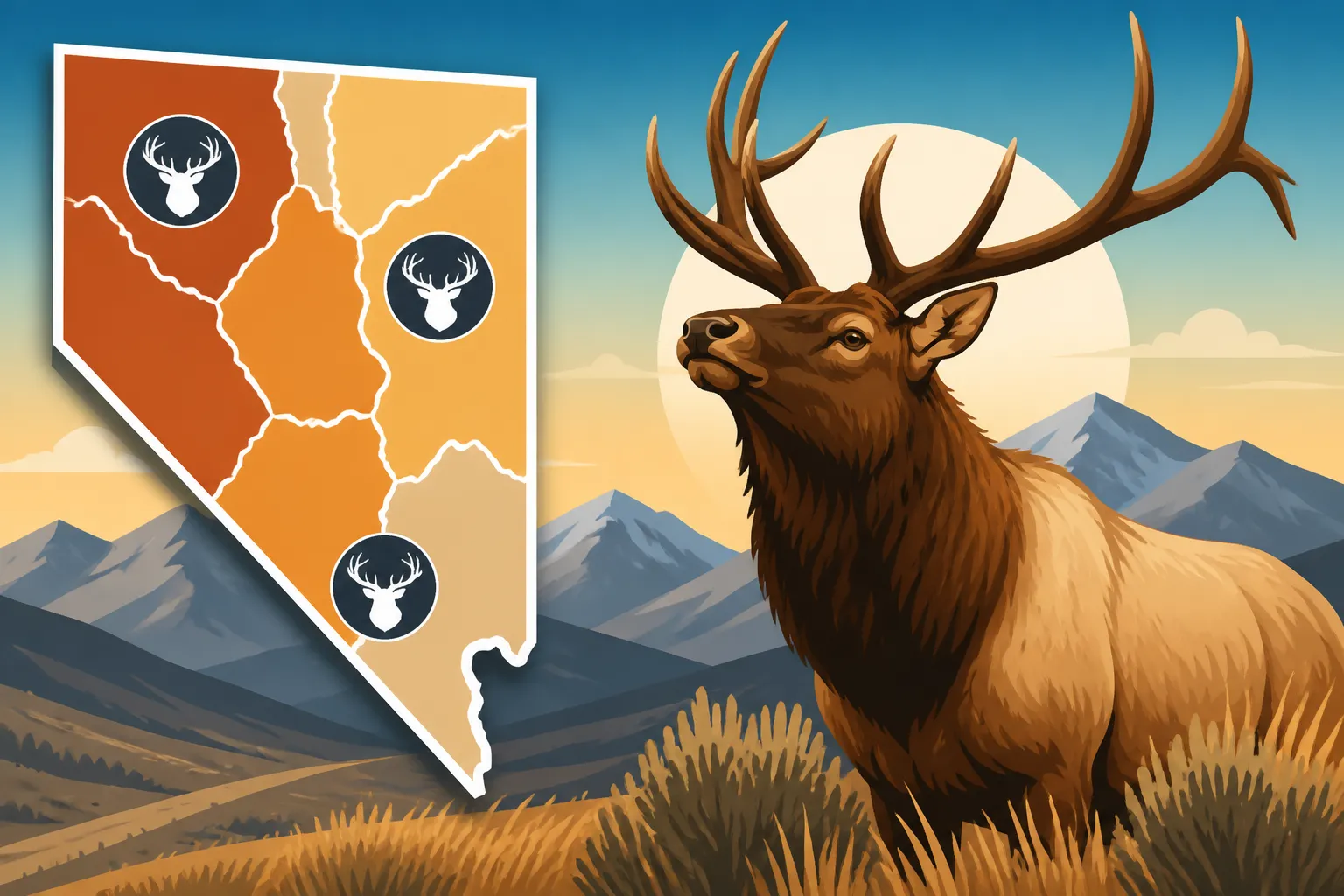
Beyond the widely known Unit 162, several other units across Nevada offer exceptional trophy potential, though perhaps with slightly less fanfare. These areas, often characterized by similar elements of great habitat, limited pressure, and excellent genetics, are where you might find Which Nevada Units Grow the Biggest Bulls. Look towards units in the northeastern parts of the state, such as those in the Ruby Mountains, East Humboldt Range, or portions of the Jarbidge Wilderness. These regions boast higher elevations, more timbered areas, and often more reliable water sources than some of the drier desert ranges. Units with significant wilderness or roadless areas also tend to hold older, less pressured bulls, simply because access is so much more difficult. Researching units with historically low tag allocations and robust public land percentages is a good strategy. Utilizing mapping tools and scouting applications, like those found on GoHunt, can provide invaluable insights into terrain, access, and potential elk strongholds in these lesser-known, but equally promising, units. Remember, a unit's reputation for big bulls is often directly proportional to the difficulty of drawing a tag and the effort required to hunt it.
What Creates a Monster Bull: Key Factors
The creation of a truly high-scoring elk is not a random occurrence; it's the result of a complex interplay of environmental factors, genetic predispositions, and sound wildlife management. Understanding these elements can help hunters identify promising units and appreciate the animals they pursue.
Habitat, Genetics, and Age Structure
At the core of a trophy bull's development are three critical components: superior habitat, strong genetics, and, perhaps most importantly, age. Quality habitat provides the rich and varied forage necessary for optimum nutrition. Elk are grazers and browsers, and ranges offering a diverse buffet of grasses, forbs, and shrubs allow them to pack on crucial body mass, which directly fuels antler growth. A bull with excellent genetics, passed down through generations, has the inherent potential to grow larger, more symmetrical antlers. However, even the best genetics can't overcome poor nutrition. Finally, and this cannot be overstated, age is paramount. A bull needs time—many years—to reach his prime antler-growing years. While a young bull might show promise, it's typically the 6.5-year-old and older bulls that start putting on truly impressive headgear. In units managed for trophy potential, like many in Nevada, low tag numbers and conservative harvest strategies ensure that a significant proportion of bulls survive to these older age classes, creating the conditions for high scores. This deliberate approach to wildlife management directly influences the quality of the animals available.
Management Practices and Solitude
Nevada's approach to elk management plays a crucial role in fostering these high-scoring bulls. The state typically issues very few elk tags for any given unit, particularly for bulls. This low harvest pressure is intentional, designed to allow bulls to live longer and reach their genetic potential. When tags are scarce, more bulls survive each hunting season, pushing the average age of the bull population higher. Furthermore, the vast and rugged nature of Nevada's public lands provides inherent solitude. Many of the top elk units contain significant roadless areas, steep canyons, and remote basins that are difficult for hunters to access. This natural buffer from human disturbance means bulls can grow and thrive with less pressure, reducing stress and allowing them to focus their energy on survival and antler development. While challenging for hunters, this combination of thoughtful tag allocation and expansive, difficult-to-access terrain is precisely why Nevada can boast such impressive elk. It's a balance of giving the animals space, time, and quality food sources to truly become magnificent.
Navigating the Draw and Hunting Challenges
Drawing a tag for a premier Nevada elk unit is often a multi-year endeavor, but with the right strategy and a deep understanding of the system, it's achievable. Once drawn, the real work begins: preparing for a hunt in some of the most challenging terrain the West has to offer.
Maximizing Your Draw Odds for Quality Units
The first hurdle to hunting a high-scoring elk unit in Nevada is, without a doubt, the draw. Nevada utilizes a bonus point system, and for elk, these points are highly sought after. Understanding how Nevada Squares Your Bonus Points Into Draw Chances is fundamental to your application strategy. Essentially, the more points you have, the exponentially greater your chances. This means patience is key; it often takes many years of accumulating points to have a realistic shot at the most coveted units. Hunters often consult resources like GoHunt's Insider platform, which provides detailed draw odds, application strategies, and unit breakdowns, helping them make informed choices. It's not just about applying for the same unit every year; it's about analyzing harvest data, understanding population trends, and strategically choosing your hunt codes to maximize your chances across various seasons and weapon types, such as looking into Nevada Elk Muzzleloader Timing by Unit if that aligns with your hunting style. For many, applying for a point-only option in years they can't hunt is a crucial step towards building the necessary equity for a future dream tag. Remember, the application deadline usually falls in May, so it's critical to be prepared to submit your choices well before Booking a Nevada Hunt Around the May Deadline.
Preparing for a Backcountry Trophy Hunt
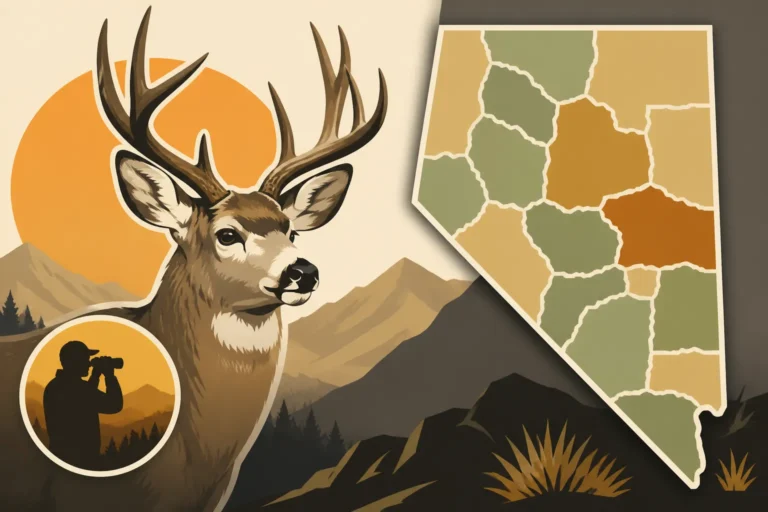
Once you've beaten the odds and drawn a coveted tag, the true preparation begins. Hunting trophy elk in Nevada's premier units is a physically and mentally demanding endeavor. These areas are vast, rugged, and often remote, requiring excellent physical conditioning. You'll be covering miles on foot, often at high elevations and over steep, rocky terrain. E-scouting using satellite imagery and topography maps, especially with tools like those offered by GoHunt, is indispensable for identifying potential elk haunts, water sources, and access points. However, nothing replaces boots-on-the-ground scouting if possible. Optics are your best friend; the ability to sit and glass for hours, picking apart distant hillsides, is paramount, much like Glassing Nevada's Basin and Range for Mule Deer. A quality spotting scope and binoculars are non-negotiable for locating elusive bulls in such expansive country. Beyond physical fitness and optics, you need to be self-sufficient. Remote roads mean you'll need a reliable vehicle, spare tires, extra fuel, and extensive knowledge of your unit. Understanding how to navigate without cell service and being prepared for emergencies are crucial. Furthermore, successfully harvesting a large animal in the backcountry means you'll need a plan and the right gear for Packing an Animal Out of Roadless Country, a task that can be incredibly arduous.
The Hunt Itself: Strategy and Patience
With a tag in hand and preparation complete, the hunt for a high-scoring Nevada bull demands a blend of strategy, adaptability, and unwavering patience. These bulls are not only large but also incredibly wary, having survived multiple seasons. Your strategy will depend heavily on the time of year and the specific unit. Early archery seasons might involve active bugling, trying to locate and entice bulls during the rut, an experience beautifully captured by those who go Bugling Bulls in Nevada's Northern Mountains. Later rifle seasons often require covering more ground, glassing wintering areas, or keying in on migratory patterns. Understanding Reading a Nevada Hunt Unit Before You Apply is not just for the draw; it’s fundamental to your in-the-field strategy.
| Factor | High-Scoring Units | General Units (Lower Scores) |
|---|---|---|
| Tag Allocation | Very Limited (often <10 bull tags per unit) | More Liberal (can be 20-50+ tags, sometimes antlerless) |
| Draw Odds | Extremely Low (often single-digit percentage) | Moderate to Low (still challenging, but more accessible) |
| Bull Age Structure | High proportion of mature (6.5+ year old) bulls | Mix of ages, younger bulls more prevalent |
| Habitat Quality | Excellent, diverse forage, ample cover | Good, but may be more limited or heavily grazed |
| Hunter Pressure | Very Low (due to limited tags and difficult access) | Moderate to High (more hunters, easier access) |
| Terrain/Access | Remote, rugged, roadless areas often dominant | More accessible, extensive road systems |
| Physical Demands | Very High (long treks, steep climbing, backcountry) | Moderate (still challenging, but often less extreme) |
The vastness of Nevada can be overwhelming, so focusing on prime habitat, particularly areas with reliable water sources, good feed, and thick cover, is critical. Be prepared to adapt to changing weather conditions, which can range from scorching heat to early snow. And perhaps most importantly, maintain a positive attitude and a resilient spirit. Many days might pass without seeing a bull, let alone a trophy. The essence of hunting these units lies in the journey, the challenge, and the deep satisfaction of earning a shot at one of Nevada's truly magnificent elk.
Disclaimer
This article is for general informational purposes only and does not constitute professional advice. Laws, prices and regulations vary by location and change over time. Consult a qualified professional for guidance on your specific situation.