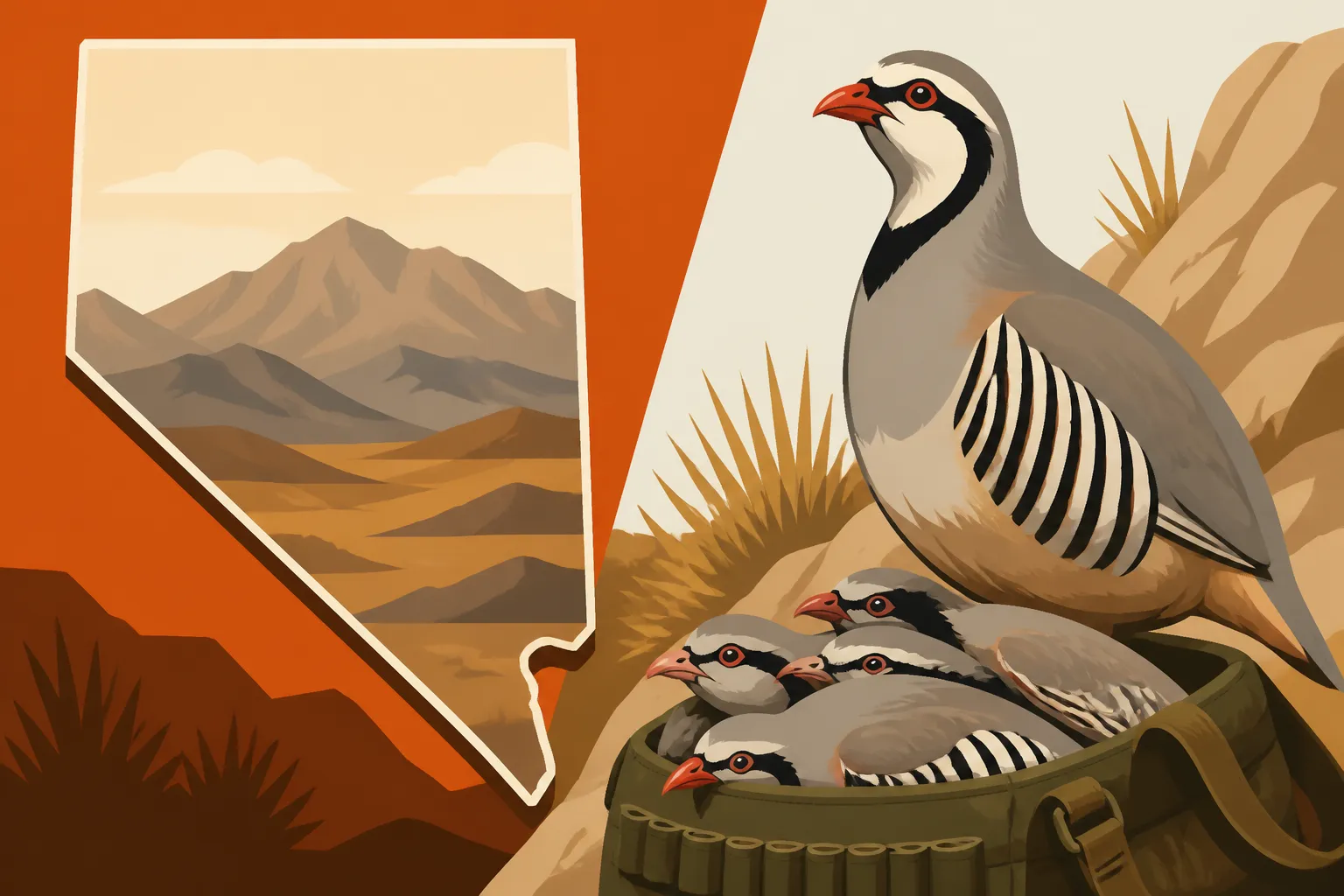
Nevada Chukar Bag Limits
For many hunters, the chukar season in Nevada represents one of the most physically demanding yet incredibly rewarding pursuits the Silver State offers. It’s easy to get swept up in the challenge of chasing these tenacious upland birds across rugged, broken country, but understanding the rules, especially something as fundamental as bag limits, is absolutely crucial. Misinterpreting these regulations can quickly turn an epic hunt into a disheartening mistake, so let's break down exactly what you need to know about Nevada's chukar bag limits and why they exist.
Deciphering Nevada's Chukar Bag Limits
One of the first things any chukar hunter needs to grasp is the distinction between a "daily bag limit" and a "possession limit." These aren't just bureaucratic terms; they're foundational to legal and ethical hunting, and understanding them keeps you out of hot water with game wardens and ensures the long-term health of our chukar populations.
The daily bag limit refers to the maximum number of chukar you, as an individual hunter, are allowed to harvest in a single calendar day. This limit resets at midnight. So, if you manage to hit your daily limit early in the morning, you're done for the day, even if the birds are still flying hot and heavy. It doesn't matter if you drive to a new unit or find a fresh covey; once you've reached that daily threshold, your shotgun needs to be cased.
The possession limit, on the other hand, is the maximum number of chukar you can have in your possession at any given time, regardless of when or where they were harvested. This includes birds in your game vest, in the cooler at camp, stashed in your truck, or even frozen solid in your home freezer. Think of it as your cumulative total. It's usually set at twice the daily bag limit, which allows hunters to hunt for a couple of days and transport their birds home without breaking the law. For example, if the daily limit is eight birds, the possession limit might be sixteen. This means after a two-day hunt where you hit your daily limit each day, you could legally possess sixteen birds. However, if you hunted three days and shot eight birds each day, you would technically be over the possession limit if you still had all 24 birds. You would need to consume or give away the excess to avoid a violation.
It's important to remember that these limits apply to each licensed hunter. This isn't a "group limit." If you're hunting with a buddy, each of you has your own daily and possession limit. You can't combine your efforts to exceed one person's limit, nor can one hunter legally tag birds for another. Always verify the current specific numbers, as regulations can see adjustments from year to year. When planning your chukar adventure, after consulting the official regulations, I find that platforms like GoHunt can be incredibly helpful for checking aggregated season summaries and making sure I'm up-to-date on any nuances.
The Conservation Science Behind Chukar Bag Limits
It might feel sometimes like bag limits are just arbitrary numbers set by a distant agency, but nothing could be further from the truth. These limits are rooted deeply in wildlife management science, serving as a critical tool for ensuring the sustainability of chukar populations across Nevada's vast and rugged landscapes. The Nevada Department of Wildlife (NDOW) doesn't just pull these numbers out of a hat; they're based on extensive research, population surveys, and a deep understanding of the chukar's life cycle and habitat.
Population Dynamics and Environmental Factors
Chukar populations, like most upland game birds, are incredibly susceptible to environmental factors. The most significant of these in Nevada is undoubtedly How Rainfall Drives Chukar Numbers. Good spring moisture means lush vegetation, which translates to abundant insects for chukar chicks, leading to higher survival rates and strong recruitment into the fall population. Conversely, drought years can severely impact breeding success and chick survival, leading to depressed bird numbers.
Wildlife biologists monitor these conditions closely. They conduct brood surveys throughout the summer, observing chukar coveys to count the number of adult birds and juvenile birds. This "fawn ratio" (or chick ratio in this case) gives them a snapshot of how successful the breeding season was. If recruitment is low, bag limits might be conservative to protect the breeding stock for future years. If conditions were exceptional and bird numbers are booming, limits might be a bit more liberal. This dynamic approach to setting limits is key to responsible management. You can often find summaries of these findings and how they influence season setting in the How Nevada Sets Its Season Framework documents published by NDOW.
Hunter Impact and Ethical Considerations
Beyond biological factors, bag limits also manage hunter impact. Chukar hunting can be incredibly effective, especially when hunters learn Where to Find Chukar in Nevada and develop the skills to chase them. Without limits, the potential for overharvest in easily accessible areas or during peak population years could be detrimental. Bag limits distribute the harvest more equitably among hunters and prevent localized depletion of coveys.
It also fosters a sense of shared responsibility. Knowing there's a limit encourages hunters to appreciate each bird harvested and reinforces the idea that we are stewards of this resource. It's about ensuring that future generations can experience the same exhilarating challenges and rewards of a chukar hunt. While the physical toll of chukar hunting is legendary, as explored in Why Chukar Hunting Is So Physically Hard, that challenge is part of the allure, and knowing that your efforts are part of a sustainable system only adds to the satisfaction.
Navigating the Official Nevada Regulations Document
Okay, so you understand why bag limits exist. Now, the practical question: how do you find the current, official numbers? This can sometimes feel like navigating a maze, but with a little guidance, you can confidently find the information you need directly from the source. Relying on outdated information or hearsay is a surefire way to run into trouble.
Where to Find the Regulations
The primary source for all Nevada hunting regulations is the Nevada Department of Wildlife (NDOW). You'll typically find their full regulations on their official website. They usually publish both a comprehensive digital document and often a printable or pamphlet version. These documents are updated annually, so it's absolutely vital that you're looking at the current year's regulations, not last year's.
When you access the main regulations document, you'll want to navigate to the section specifically dedicated to Upland Game Birds. Chukar will have its own dedicated entry within this section. Here, you'll find information on:
- Season Dates: When the chukar season officially opens and closes. You might find more specifics on this in a guide like Nevada Chukar Season Opening Date.
- Legal Shooting Hours: The times of day when hunting is permitted.
- Daily Bag Limit: The maximum number of chukar you can harvest per day.
- Possession Limit: The maximum number of chukar you can have in your possession cumulatively.
- Special Regulations or Unit-Specific Rules: While chukar limits are often statewide, it's always wise to check for any anomalies. Some units might have specific access restrictions or unique rules that apply.
Many hunters, myself included, also leverage digital tools to supplement their understanding. Platforms like GoHunt, for example, often compile and present regulatory information in an easy-to-digest format. However, always treat these as supplementary. Your ultimate authority should always be the official NDOW regulations. It's smart to not only review the general "Upland Game" section but also to scan the entire Reading the Nevada Big Game Seasons Document if you have the time, as sometimes general rules apply across all species.
Here's a quick overview of how the limits are generally structured, but always check the current year's NDOW regulations for exact numbers:
| Limit Type | Description | Key Considerations (Always Verify Current Regulations) |
|---|---|---|
| Daily Bag Limit | Maximum number of chukar a hunter may harvest in one calendar day. | This limit applies per individual hunter. It resets at midnight. |
| Possession Limit | Maximum total number of chukar a hunter may possess at any given time. | Typically twice the daily bag limit. Includes birds anywhere you control them. |
The Importance of Current Information
Wildlife agencies can and do make adjustments based on population trends, habitat conditions, and other factors. A severe winter, a widespread wildfire (like how Cheatgrass and What It Did to Nevada Range exacerbates fire risk), or a prolonged drought could all lead to more conservative limits in a given year. Hunting regulations are not static; they are dynamic tools used to manage a living resource. Always double-check the regulations just before your hunt, even if you think you know them cold from last year. This small effort can save you a significant headache and potential legal issues.
Responsible Chukar Hunting: Beyond Just the Numbers
Understanding Nevada's chukar bag limits is a fundamental part of being a legal and ethical hunter, but truly responsible chukar hunting encompasses so much more than just staying within the numerical boundaries. It's about respecting the land, the wildlife, and your fellow hunters, ensuring that the experience remains positive for everyone involved.
Field Ethics and Bird Recovery
Chukar hunting demands good marksmanship and quick decision-making, often in challenging terrain. Focus on making clean, ethical shots that lead to quick kills. If a bird is wounded, drop everything and focus on recovering it immediately. Losing a wounded bird is not only a waste of a valuable resource but also a frustrating and unethical outcome. Training your dog to be an excellent retriever is one of the best investments you can make for chukar hunting. These birds are tough and can disappear quickly into the rocks and brush of Chukar Country on Nevada's Steep Slopes.
Beyond shot placement, always be aware of your surroundings. Public land is a shared resource, and other hunters, hikers, and recreationalists may be nearby. Knowing the Trespass Law on Posted Property is also vital, especially when chukar sometimes fly across property lines. Never assume open access without verifying.
Physical Preparation and Safety
Chukar hunting is notoriously strenuous. You'll be climbing steep, rocky slopes, often at elevation, and covering many miles on foot. Physical conditioning is not just about personal endurance; it's a safety factor. Exhaustion can lead to poor decisions, accidents, and even serious medical issues in remote terrain. Prepare your body adequately, as highlighted in Preparing Physically for Long Glassing Days, because chukar will put you to the test.
Carrying enough water is non-negotiable, especially during early season hunts when temperatures can still be quite high. Dehydration in Nevada's dry environment can sneak up on you fast. Always bring more water than you think you'll need for yourself and any hunting dogs, as discussed in Water You Must Carry on a Desert Day Hunt. Beyond water, be prepared for navigation challenges with maps and GPS, and always let someone know your plans and expected return time. Cell service is notoriously spotty in many chukar units.
Respect for the Resource and Habitat
Every time you hit the chukar hills, you're interacting with a delicate ecosystem. Be mindful of your impact. Pack out all your trash, including spent shotgun shells. Avoid driving off-road in sensitive areas, and respect any land closures or restrictions. The health of chukar populations is directly tied to the health of their sagebrush and pinyon-juniper habitats.
Consider the role you play in showcasing responsible hunting. When non-hunters see ethical, respectful conduct in the field, it builds positive perceptions of hunting. Being a good ambassador for our sport means adhering to all regulations, practicing good sportsmanship, and prioritizing conservation every time you step into the field. This collective responsibility is what keeps Nevada's chukar hunting tradition alive and well for years to come.
Disclaimer
This article is for general informational purposes only and does not constitute professional advice. Laws, prices and regulations vary by location and change over time. Consult a qualified professional for guidance on your specific situation.