Ground Squirrel Shooting in Nevada
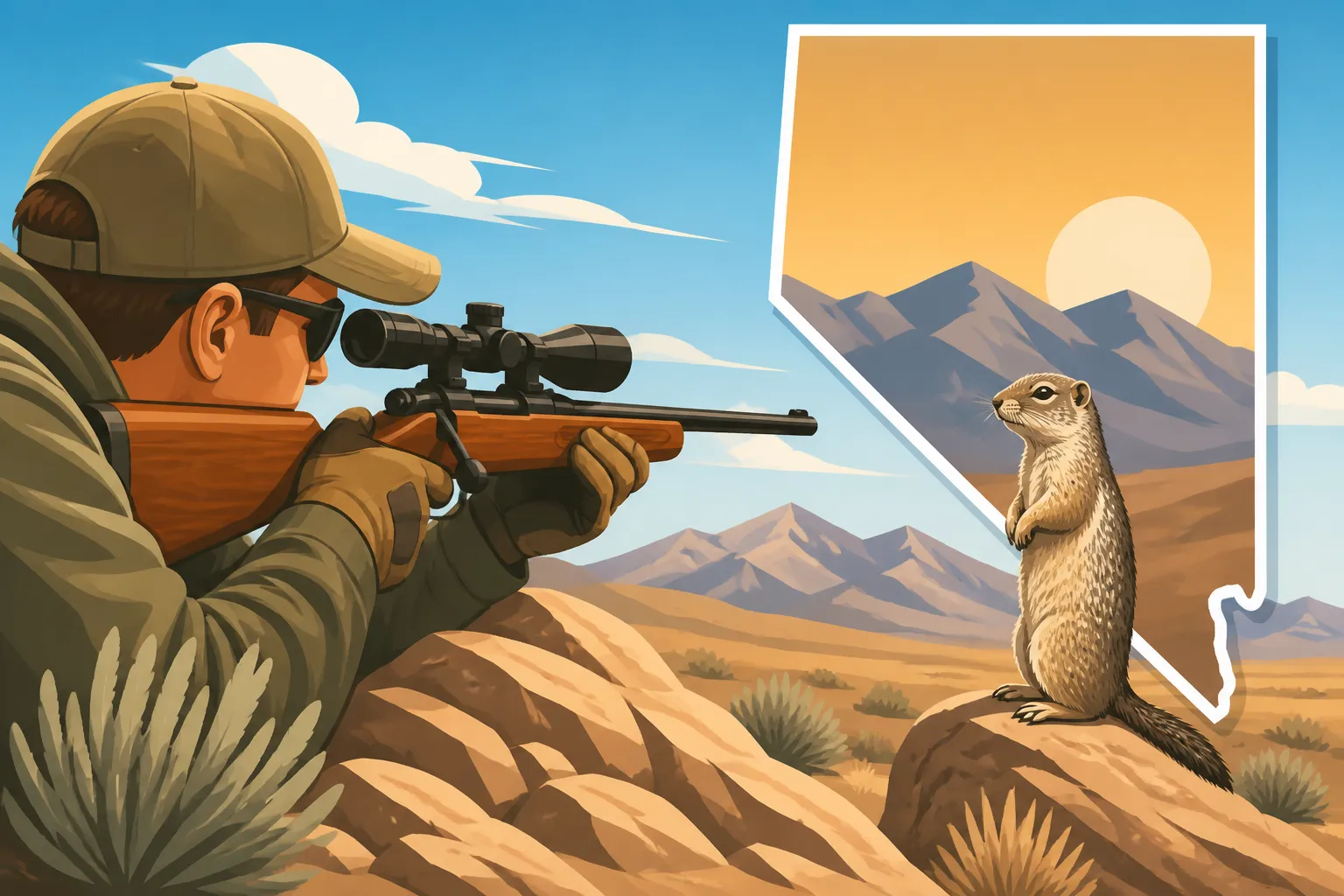
While many hunters dream of chasing Nevada's trophy big game, there's a huge world of opportunity often overlooked: ground squirrel shooting. This isn't just about bagging a limit; it's about enjoying the outdoors, sharpening your shooting skills, and exploring the vast landscapes of the Silver State without the pressure or cost of a big game tag. This comprehensive guide will walk you through everything you need to know to get started with ground squirrel shooting in Nevada, from finding these elusive critters to understanding the rules and choosing the right gear.
The Underrated Appeal of Ground Squirrel Shooting in Nevada
Let's be honest, when most folks hear "Nevada hunting," their minds immediately jump to giant mule deer, Boone and Crockett elk, or a bighorn sheep tag that takes a lifetime to draw. And for good reason – those hunts are incredible! But focusing solely on big game means missing out on an incredibly fun, accessible, and skill-building activity that's available almost year-round: ground squirrel shooting. This isn't just "plinking"; it's a legitimate form of varmint hunting that can hone your abilities for those bigger pursuits while providing endless hours of outdoor enjoyment.
Why Small Game Hunting Matters (Even for Big Game Hunters)
Think of ground squirrel shooting as your personal training ground. The skills you develop while pursuing these quick, small targets translate directly to big game hunting. We're talking about crucial fundamentals like reading the wind, estimating distance, steadying your shot under field conditions, and understanding animal behavior. A ground squirrel that pops up at 150 yards in a crosswind demands precision – the same kind of precision you'll need when that trophy buck steps out. It teaches patience, stealth, and marksmanship without the massive financial investment or limited draw odds associated with big game. Plus, it keeps you engaged and active in the hunting off-season, helping to prevent that rusty feeling when big game opener finally rolls around.
Beyond skill development, it's just plain fun. There’s a certain satisfaction in making a clean, ethical shot on a tiny target from a distance. It's a low-pressure way to enjoy Nevada's wide-open spaces, whether you're taking a casual day trip or setting up a multi-day camp. You can introduce new shooters to hunting in a safe, engaging way, teaching them firearm safety and fieldcraft without the intimidation of a large, expensive animal. It's a fantastic way to simply be out there, appreciating the landscape and the simple joy of hunting.
Year-Round Opportunity and Skill Building
One of the biggest draws to ground squirrel hunting is its availability. Unlike the highly regulated and limited seasons for big game, ground squirrels often fall under general small game or varmint regulations, meaning opportunities can be abundant throughout the year. While specific populations might be more active at certain times (often spring through early fall when they are foraging and breeding), the window to hunt them is significantly wider. This allows for spontaneous trips and consistent practice, keeping your skills sharp.
The constant challenge of ground squirrel shooting provides invaluable experience. You'll encounter different scenarios: a quick shot at a moving target, a long-range shot across an open flat with swirling thermals, or a patient wait for a wary critter to emerge from its burrow. Each shot is a lesson in ballistics, windage, and ethical shot placement. It forces you to adapt your shooting position, manage your breathing, and truly understand your rifle and ammunition. This continuous learning process is what makes ground squirrel hunting so appealing to dedicated shooters and hunters alike, ensuring you're always improving.
Where to Find Ground Squirrels in Nevada
Nevada's vast and varied landscape is home to several species of ground squirrels, though the most commonly targeted are typically Belding's ground squirrels in the northern sagebrush regions and various desert ground squirrel species further south. While they might seem to be everywhere, knowing their preferred habitats and key indicators will dramatically increase your success rate.
Habitat Preferences and Key Indicators
Ground squirrels, generally speaking, are creatures of open, arid, or semi-arid environments. They thrive in areas with loose soil for burrowing, good visibility to spot predators, and ample forage. You'll often find them concentrated in:
- Sagebrush Flats and Pastures: These areas provide both cover and food. Look for higher concentrations where the sagebrush is interspersed with grasses and forbs, especially near agricultural fields or disturbed ground.
- Rocky Outcrops and Talus Slopes: Certain species, particularly rock squirrels, prefer rocky terrain where they can burrow into crevices and hide among the boulders. These areas often provide elevated vantage points for them to survey their surroundings.
- Roadsides and Fence Lines: Disturbed ground along human infrastructure can be prime real estate for ground squirrels. The soil is often easier to dig, and the vegetation along these edges can be quite lush.
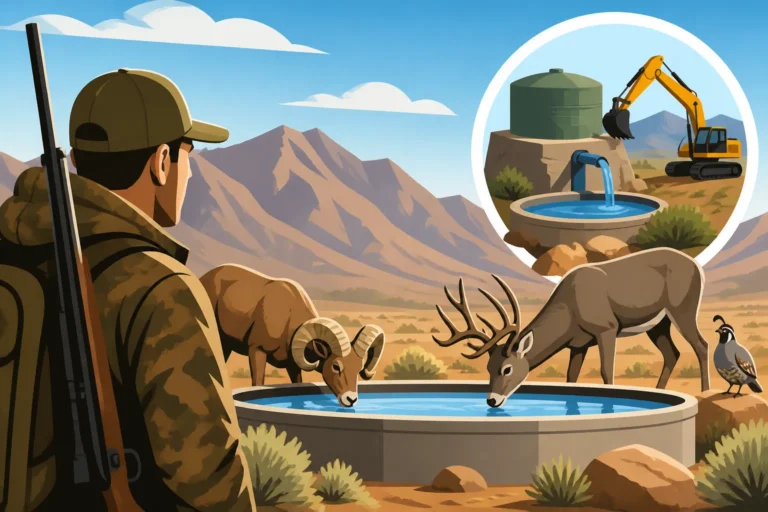
- Near Water Sources: While ground squirrels are adapted to arid conditions, any reliable water source – even a small spring or How Guzzlers Concentrate Desert Game – can draw them, especially in hotter months. They'll often establish burrows nearby.
When scouting, look for their tell-tale signs: fresh burrow entrances (often with mounds of dirt around them), flattened patches of vegetation where they've been feeding, and scat. Their incessant chirping and alarm calls are also a dead giveaway. Focus your efforts on areas where you see multiple burrows, indicating an active colony. Early mornings and late afternoons are typically their most active periods, especially in the warmer seasons, as they try to avoid the midday heat.
Public Land Access and Regulations
Nevada is a public land mecca, with an enormous amount of territory managed by the Bureau of Land Management (BLM) and the Forest Service. This means vast opportunities for ground squirrel hunting. However, simply knowing it's "public land" isn't enough; you need to know where you can legally hunt and shoot.
Most ground squirrel hunting takes place on BLM ground. BLM Acreage Across Nevada is immense, covering millions of acres, but understanding specific unit boundaries and land ownership is critical. Tools like GoHunt's mapping features can be invaluable here. You can layer public land boundaries, unit lines, and even private property overlays to ensure you're always on legal ground. This prevents accidental trespassing, which is not only illegal but can give all hunters a bad name. Before heading out, always consult the most current Nevada Department of Wildlife (NDOW) small game regulations. While ground squirrels typically have continuous open seasons and no bag limits, rules can change, and specific land closures or restrictions might apply depending on fire danger or other factors. For instance, some state parks or wildlife refuges might have specific rules against target shooting or even hunting small game. Understanding Nevada Small Game Seasons at a Glance is a good starting point. Always make sure to verify the specific regulations for your chosen unit or area before you load a single round.
| Species of Ground Squirrel (Common in Nevada) | Typical Habitat | Best Time to Hunt | Key Characteristics |
|---|---|---|---|
| Belding's Ground Squirrel | High elevation sagebrush flats, meadows, agricultural borders | Spring through early Fall | Light brown, short tail, often stands erect like a "picket pin." Most common in northern Nevada. |
| Townsend's Ground Squirrel | Dry sagebrush plains, open grassy areas, usually at lower elevations | Spring through Summer | Gray-brown, small ears, often blends well with the sagebrush. Found throughout much of the state. |
| Mohave Ground Squirrel | Desert washes, creosote bush flats, rocky areas, warmer desert environments | Spring | Pale grey-brown, long tail with white underside, typically smaller and more solitary. Found in southern Nevada. |
| Rock Squirrel | Rocky canyons, boulder fields, cliff faces, talus slopes | Spring through Fall | Large, mottled gray-brown, bushy tail often held over its back. Found across varied rocky terrains. |
Gear and Tactics for Nevada Ground Squirrels
To be successful and ethical in your ground squirrel pursuits, having the right gear and employing effective tactics are key. This isn't just about throwing lead downrange; it's about precision and efficiency.
Recommended Firearms and Optics
The choice of firearm largely depends on the typical ranges you expect to encounter and your personal preference.
- .22 Long Rifle (LR): For closer ranges, say up to 75-100 yards, a good .22 LR rifle is hard to beat. Ammunition is inexpensive, and the rifle itself is often affordable. It's quiet, has minimal recoil, and is perfect for teaching new shooters. However, beyond 75 yards, trajectory drops significantly, and wind becomes a major factor for such a light bullet.
- .17 HMR (Hornady Magnum Rimfire): This caliber really shines for ground squirrels. It's incredibly flat-shooting out to 150-200 yards, boasts excellent accuracy, and the tiny bullet offers explosive terminal performance on small varmints. The minimal recoil and report make it a pleasure to shoot, and it's a significant step up in range and precision from a .22 LR.
- .22 WMR (Winchester Magnum Rimfire): The .22 WMR offers a bit more punch than the .17 HMR, especially for slightly larger varmints, but it sacrifices some of the flatter trajectory. It's still an excellent choice for ground squirrels out to 150 yards.
- .223 Remington / 5.56x45mm NATO: When you need to reach out beyond 200 yards, centerfire cartridges like the .223 come into their own. They offer incredible range, accuracy, and knockdown power, making them ideal for long-range varmint shooting. This is particularly useful in Nevada's vast, open country where shots can easily stretch out. However, they are louder and have more recoil, and ammunition is more expensive. Remember, for general shooting, Best All-Around Caliber for Open Country like the .223 is a solid choice.
Regardless of your chosen caliber, quality optics are paramount. A variable power scope with a magnification range of, say, 3-9x or 4-16x is often ideal. For longer shots, higher magnification is a distinct advantage. Good glass with clear resolution will allow you to pick out small targets against a complex background and precisely aim. A ballistic reticle can also be helpful for holdovers at varying distances. Considering the often-challenging Nevada light, bright and clear optics will reduce eye strain during those long glassing sessions. For detailed advice on this, check out Optics Power for Nevada's Long Sightlines.
Stalking, Shooting, and Safety Considerations
Ground squirrels, despite their size, are surprisingly wary. A direct approach will often send them scurrying into their burrows. Instead, employ tactics similar to those you'd use for big game:
- Glassing and Scouting: Spend more time looking than walking. Use binoculars or a spotting scope to locate active colonies from a distance. Often, you can find a good vantage point that overlooks a wide area. The Grid Glassing Method, Step by Step can be highly effective in open country.
- Stealthy Approach: Once you've identified a target area, plan your approach carefully. Use terrain features, draws, and dense vegetation to conceal your movement. Move slowly and deliberately. The goal is to get into a good shooting position without alerting the squirrels to your presence.
- Shooting Rests: A solid shooting rest is crucial for precision. Bipods, shooting sticks, or even a backpack can provide the stability needed for accurate shots on small targets at distance. In Nevada's rocky terrain, finding natural rests like boulders can also be effective.
- Windage and Trajectory: Always account for wind. Even a slight breeze can push a small, light bullet off course. Practice shooting in varying wind conditions to understand how your chosen caliber reacts. Knowing your Rifle Zero Distance for Long Sage Shots and understanding your bullet's trajectory at different ranges is also critical. Rangefinders are an essential tool for accurately judging distance.
- Safety First, Always: Before every shot, confirm your target and, more importantly, what is beyond it. Nevada's open ranges often mean long sightlines, but stray bullets can travel for miles. Be aware of private property, roads, hikers, and livestock. Always wear eye and ear protection, especially when shooting centerfire rifles. Never shoot at the horizon, and ensure you have a safe backstop. Be especially mindful of fire danger, as sparks from ricocheting bullets can easily ignite dry grasses.
Regulations and Ethical Considerations
While ground squirrel shooting might seem like a simple affair, it's still hunting, and it comes with important responsibilities regarding regulations and ethics. Disregarding these can lead to fines, loss of hunting privileges, or worse, negative perceptions of all hunters.
Understanding Nevada's Small Game Rules
The Nevada Department of Wildlife (NDOW) is the governing body for all hunting in the state. While ground squirrels are generally classified as "unprotected wildlife" or "varmints" and often have year-round open seasons with no bag limits, you still need to follow specific rules:
- Hunting License: You will need a valid Nevada hunting license to hunt ground squirrels. Even though they're small game, it's still a regulated activity. You cannot just pick up a rifle and start shooting without a license. For non-residents, this typically means purchasing a The Nonresident Nevada Combination License or a small game equivalent.
- Method of Take: Generally, rifles, shotguns, and handguns are legal for ground squirrels. Check for any specific restrictions on ammunition types (e.g., tracer rounds or certain incendiary projectiles might be prohibited due to fire risk). Are Drones Legal for Scouting in Nevada? and Trail Camera Rules on Nevada Public Land are important to understand, as even for small game, using such technology for direct hunting could be restricted.
- Private vs. Public Land: Always know whose land you're on. While much of Nevada is public, private parcels exist. Respect private property rights; obtain written permission from landowners before hunting on their land. Utilizing a mapping system like GoHunt to display property boundaries is highly recommended.
- Closed Areas: Be aware of areas closed to shooting, such as within city limits, near developed campgrounds, or specific wildlife refuges with their own rules. Great Basin National Park, for example, has specific boundaries where hunting is restricted, similar to Hunting Near Great Basin National Park. Always double-check local regulations for your chosen hunting area.
Responsible Hunting and Land Stewardship
Ethical hunting extends beyond just following the law. It means conducting yourself in a way that respects the animals, the land, and other users of the outdoors.
- Shot Placement: While ground squirrels are not typically consumed, ethical shot placement is still paramount. Aim for a clean, quick kill. This minimizes suffering and reinforces good shooting habits. Avoid body shots that might wound an animal without dispatching it cleanly.
- Leave No Trace: Pack out everything you pack in. This includes spent casings, food wrappers, and any other trash. Leaving a clean hunting area demonstrates respect for the land and ensures it remains accessible for future generations. Don't leave spent casings or trash.
- Vehicle Use: Understand and obey all rules regarding motorized travel on public lands. Motorized Travel Rules on Nevada Public Land are in place to protect sensitive habitats and prevent resource damage. Stick to established roads and trails, and never drive off-road to chase ground squirrels or create new tracks.
- Fire Prevention: Nevada is a dry state, and wildfires are a constant threat. Be extremely cautious with anything that could cause a spark – hot vehicle parts, campfires (if permitted), and even ricocheting bullets. Always carry a shovel and fire extinguisher in your vehicle, especially during peak fire season. Pay attention to local fire restrictions before you even head out.
- Respect for Wildlife: While ground squirrels are varmints, they are still living creatures. Do not engage in wanton waste or unnecessary killing. The goal is ethical hunting and skill development, not indiscriminate slaughter.
Ground squirrel shooting in Nevada offers an incredible way to experience the state's vast outdoors, sharpen your hunting skills, and simply have a great time. By understanding the best places to find them, using the right gear and tactics, and always adhering to regulations and ethical principles, you can enjoy this often-overlooked hunting opportunity for years to come.
Disclaimer
This article is for general informational purposes only and does not constitute professional advice. Laws, prices and regulations vary by location and change over time. Consult a qualified professional for guidance on your specific situation.