How Chronic Wasting Disease Testing Works
It's a scary thing to think about, the idea of a disease impacting our cherished deer and elk herds. Chronic Wasting Disease (CWD) is a topic that brings up a lot of questions and sometimes even fear for Nevada hunters, and understandably so. This guide is here to walk you through exactly how CWD testing works in our state, from understanding the disease itself to what samples are taken, where you can get your animal tested, and what the results mean for you and the future of Nevada hunting. We all want healthy herds, and being informed is the first step in protecting them.
What Exactly is Chronic Wasting Disease (CWD)?
CWD is a serious neurological disease that affects cervids – that’s deer, elk, moose, and caribou. It’s caused by abnormal proteins called prions, not a bacteria or a virus, which makes it particularly challenging. These prions accumulate in the brain and nervous system, leading to a host of debilitating symptoms like weight loss, behavioral changes, drooling, tremors, and a general decline in health until the animal eventually dies. It’s always fatal for the infected animal. The disease is highly transmissible among cervids and can persist in the environment for a very long time, which is why prevention and early detection are so critical.
The frustrating part is that CWD has a long incubation period, sometimes years, before an animal shows any visible signs. This means an outwardly healthy-looking animal could still be carrying and spreading the disease. That’s why active surveillance and testing are so important, even in areas where CWD hasn’t been widely detected. Nevada has been proactive in its monitoring efforts, aiming to identify any presence of CWD early to protect our valuable big game populations. For hunters, this means a heightened awareness of animal health and a willingness to participate in testing efforts are more crucial than ever.
While CWD is not currently known to affect humans, health agencies like the Centers for Disease Control and Prevention (CDC) recommend caution when handling and consuming meat from CWD-infected animals. It’s always best to have your animal tested if you have any concerns or if you harvest an animal in a known CWD management area. This responsible approach helps ensure the safety of your harvest and contributes to the broader health management of our wildlife. Understanding the nuances of CWD is part of being a modern, ethical hunter.
The Process of CWD Sample Collection: What Hunters Need to Know
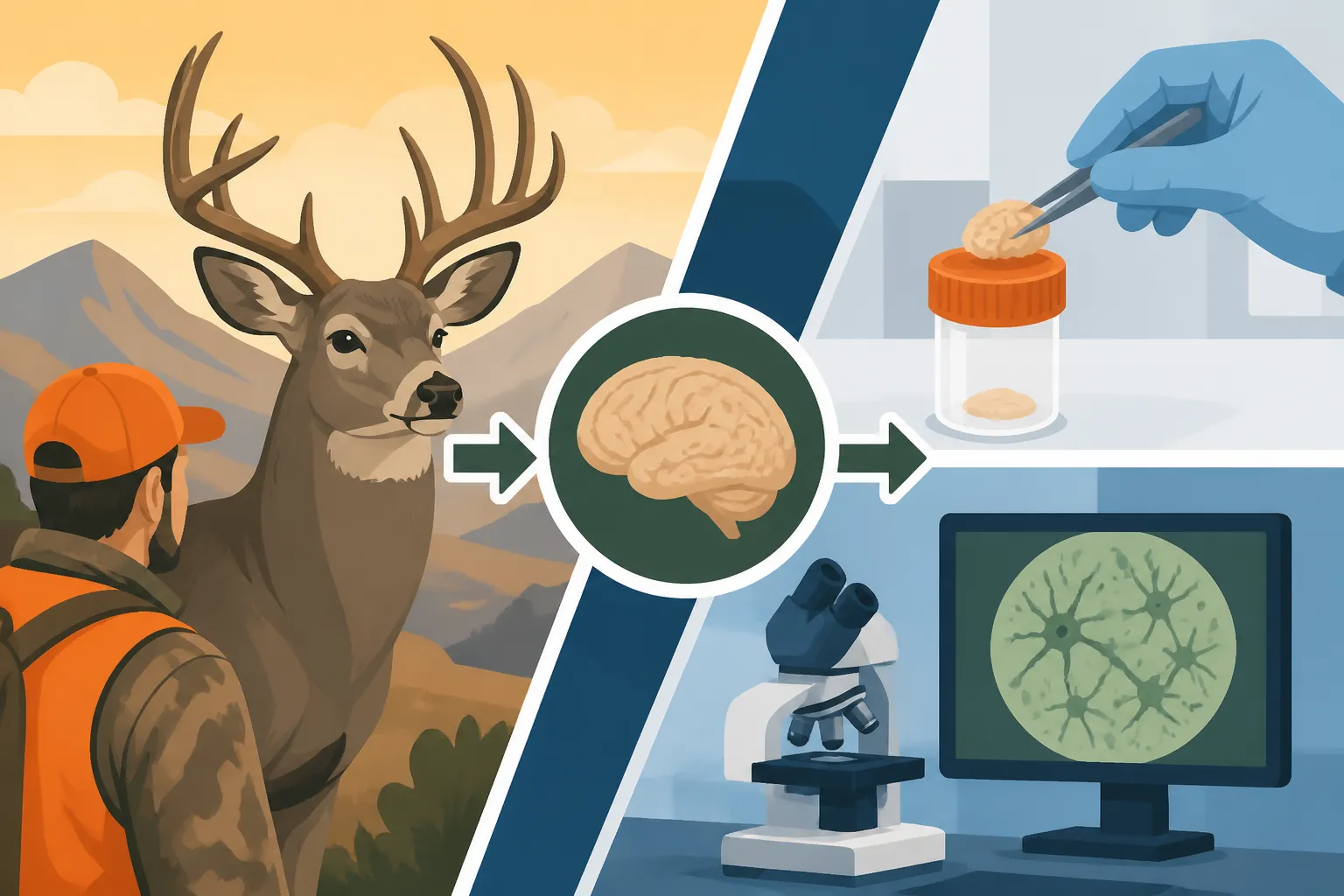
For hunters, participating in CWD surveillance usually means providing specific tissue samples from your harvested animal. The primary samples collected are the retropharyngeal lymph nodes, located in the throat area, and sometimes a portion of the brainstem, specifically the obex region where the brainstem meets the spinal cord. These tissues are where the CWD prions accumulate and are detectable. While it might sound a bit daunting, collecting these samples, especially the lymph nodes, is something many hunters can learn to do with a little guidance.
After you've successfully harvested and field dressed your animal, the lymph nodes are relatively accessible. You'll typically find two of these nodes, one on each side of the windpipe, near the base of the skull. They're usually about the size and shape of an almond or small grape, encased in fatty tissue. If you're unsure, don't worry – NDOW often provides clear instructions and diagrams, and staff at check stations or drop-off points are there to assist or collect the samples themselves. The goal is to get a clean, uncontaminated sample that can provide accurate results. Remember, quick and proper cooling of your animal, as you would for Field Dressing in August Heat, is still paramount, and that extends to preserving the integrity of any samples you might collect or provide.
You'll usually be given a unique identification number or tag that corresponds to your sample. This is incredibly important for tracking purposes, ensuring that your test results are accurately matched to your animal and hunt unit. Keep this information safe! When planning your hunt, resources like GoHunt can be invaluable for staying updated on the latest regulations or identifying units with specific CWD surveillance requirements. Knowing if your chosen unit is a CWD surveillance area can help you prepare in advance for potential mandatory testing or voluntary submission.
Table of Common CWD Sample Types
| Sample Type | Description | Collection Difficulty for Hunter | Notes |
|---|---|---|---|
| Retropharyngeal Lymph Nodes | Small, bean-shaped nodes located in the throat, near the windpipe and jaw | Moderate | Often preferred due to relative ease of access and high prion concentration. |
| Brainstem (Obex) | Junction of the brainstem and spinal cord, typically accessed after removing the head | High | Requires more anatomical knowledge; usually collected by trained personnel. |
Where and When Nevada CWD Sampling Happens
Nevada's CWD surveillance program relies on a combination of mandatory check stations during specific hunt seasons and voluntary drop-off locations available throughout the state. It's crucial for hunters to be aware of these locations and requirements, especially if they're hunting in a designated CWD surveillance unit or during a specific season where mandatory checks are implemented. This proactive approach helps the Nevada Department of Wildlife (NDOW) gather the necessary data to monitor the disease.
Mandatory CWD check stations are typically set up in specific hunt units or during particular big game seasons, often focused on deer and elk. These are usually advertised well in advance through NDOW's regulations and online platforms. When you successfully harvest an animal in one of these areas, you are legally required to bring the head of your animal (or the entire carcass, depending on specific instructions) to the designated check station within a specified timeframe. Staff at these stations will then collect the necessary samples, record your hunt information, and answer any questions you might have. This data collection is vital for understanding disease prevalence and distribution. This is also why knowing Mandatory Reporting After a Nevada Harvest is so important, as CWD sampling often coincides with these reporting duties.
For hunters outside of mandatory check station areas, voluntary drop-off locations are often available at NDOW regional offices or certain cooperating taxidermists and meat processors. This allows any hunter to submit samples for testing, offering peace of mind and contributing to overall surveillance efforts. Many hunters also use platforms like GoHunt to research herd health trends and CWD sampling data from previous seasons, helping them make informed decisions about where to apply and whether voluntary testing is a good idea. Always check the current NDOW big game regulations or their website for the most up-to-date information on CWD sampling locations and hours of operation. These can change year to year based on disease prevalence and surveillance needs.
Understanding Your CWD Test Results
Once a sample is submitted, it is sent to a specialized laboratory for analysis. The testing process can take anywhere from a few weeks to several months, depending on the volume of samples and the lab's capacity. NDOW typically has a system in place to notify hunters of their results, whether negative or positive. It’s important to understand what each outcome means and what actions you might need to take.
A "negative" result means that CWD prions were not detected in the tissue sample using current testing methods. For most hunters, this provides peace of mind regarding their harvested animal. You can proceed with processing and consuming your meat as usual. However, it's always worth remembering that no test is 100% foolproof, and a negative result from a single sample is not an absolute guarantee of absence of disease. It simply means no CWD was detected at that time. Continued vigilance and responsible practices, such as proper Carcass Transport Rules After a CWD Detection to prevent potential spread, remain important.
A "positive" result means that CWD prions were detected in your animal's sample. This is a rare occurrence in Nevada and is treated very seriously. If your animal tests positive, NDOW will contact you directly to discuss the implications and next steps. Generally, it is recommended not to consume meat from CWD-positive animals. NDOW will provide guidance on proper carcass disposal, which often involves specific landfill requirements to prevent environmental contamination. They may also discuss implications for other harvested animals from the same area or hunting partners. Staying informed is key, and checking the NDOW website or trusted resources such as GoHunt can keep you up to date on any changes to CWD management plans or sampling protocols, especially if a positive case is detected in a new area. The goal is to contain and manage the disease to protect the long-term health of our wildlife.
Disclaimer
This article is for general informational purposes only and does not constitute professional advice. Laws, prices and regulations vary by location and change over time. Consult a qualified professional for guidance on your specific situation.