Does Hunter Education Include a Field Day?
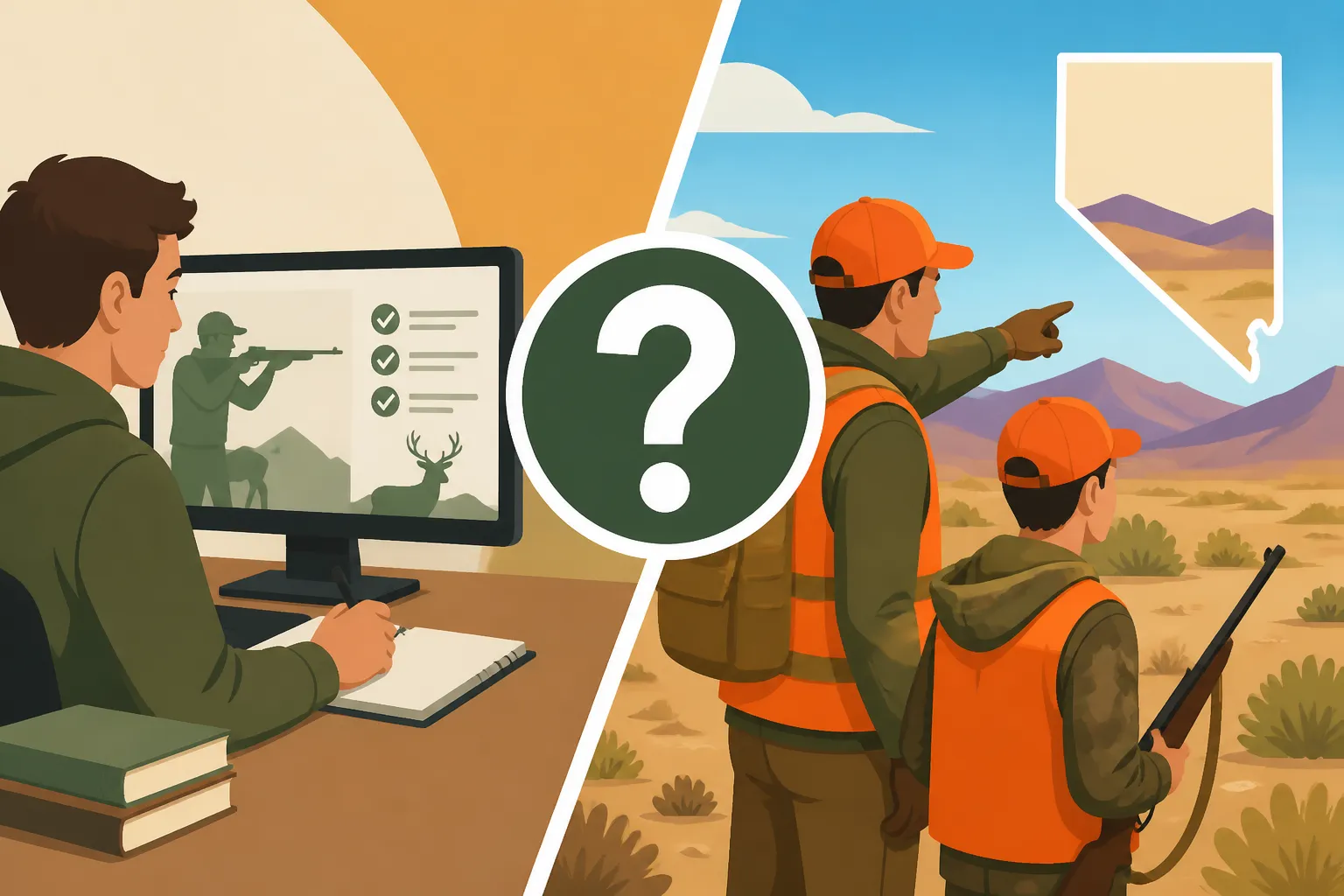
It’s a common question for aspiring hunters, especially here in Nevada where the rules can sometimes feel like a maze: "Does hunter education include a field day?" The truth is, while many states mandate a hands-on component, Nevada’s system primarily relies on classroom or online instruction, often without a mandatory field day. This can leave new hunters feeling a bit uncertain about how to gain crucial practical skills, a valid concern given the rugged and demanding nature of hunting in the Silver State. This guide will walk you through Nevada’s hunter education requirements and offer insights into how to build the confidence and skills you’ll need to be a safe, ethical, and successful hunter.
Understanding Nevada's Hunter Education Landscape
Navigating the path to becoming a certified hunter in Nevada can feel a little different than in some other states. The core requirement is clear: Anyone Born After 1959 Needs Nevada Hunter Education. This rule sets the baseline for who must complete a hunter education course before purchasing a hunting license in our state. The intent behind this is to ensure every hunter possesses a fundamental understanding of firearm safety, wildlife conservation, and ethical hunting practices.
For many years, this meant sitting in a traditional classroom, often on weekends, learning from a volunteer instructor. These courses typically included presentations, discussions, and sometimes even a hands-on component with inert firearms. However, with the advent of the internet and advancements in educational technology, options have expanded significantly. Today, many prospective hunters gravitate towards online courses, seeking the flexibility they offer. This shift has, in turn, reshaped the role and availability of traditional field days, making it important for you to understand exactly what to expect when you sign up for your hunter education. The convenience is undeniable, but it places a greater onus on you, the hunter, to ensure you're truly prepared for the field.
The Foundation of Hunter Education
The primary goal of hunter education, no matter the format, is to foster safe and responsible hunters. This isn't just about knowing how to hold a rifle; it's about understanding your role in conservation, respecting wildlife, and making ethical decisions in the field. Here in Nevada, where much of our hunting takes place on vast stretches of public land managed by the Bureau of Land Management (BLM) and the Forest Service, these principles are paramount. Accidents can happen, and they often do, when basic safety rules are overlooked. Wildlife populations depend on responsible harvest and habitat stewardship, and a knowledgeable hunter is an effective advocate for both. The courses cover everything from identifying legal game to basic first aid, and while the delivery method might change, the core message of safety, ethics, and responsibility remains the same.
Hunter Education Birth Year Cutoff
The specific birth year of 1960 is critical for Nevada hunters. If you were born on or after January 1, 1960, you absolutely must complete a certified hunter education course to legally hunt big game or upland game in Nevada. This isn't a suggestion; it's a hard and fast rule set by the Nevada Department of Wildlife (NDOW). This cutoff was established to ensure that newer generations of hunters are adequately trained in modern safety protocols and conservation principles. It acknowledges that hunting has evolved, and with it, the need for standardized education. For anyone who might have slipped through the cracks, or is just starting their hunting journey now, understanding The Nevada Hunter Education Birth Year Cutoff is the very first step. Even if you've been around firearms your whole life, if you fall into this category, that certificate is your ticket to a legal hunting license.
The Absence of a Mandatory Field Day in Nevada
One of the biggest points of confusion, and frankly, a source of anxiety for many new hunters, is the question of a mandatory field day. Unlike some other states where a hands-on field component is absolutely required after an online course, Nevada generally does not mandate a separate, supervised field day as part of its hunter education certification. This means that for many, especially those who opt for an online course, the entirety of their official hunter education takes place through reading, videos, and quizzes.
While this offers incredible flexibility – you can complete your course at your own pace, from the comfort of your home, or even while scouting a new unit on your tablet – it also places a significant responsibility on you. Without a formal, supervised practical session, you are expected to seek out opportunities to develop essential skills independently. This isn't to say that all classroom courses avoid practical elements; some volunteer instructors might include range time or hands-on gear demonstrations if facilities allow. However, it's not a statewide, mandatory component across the board, particularly for online certifications.
What Does "No Mandatory Field Day" Actually Mean?
For the vast majority of individuals completing their hunter education in Nevada, particularly through one of the many online platforms, it means your certification comes purely from passing the written/online test. There won't be a mandatory day at a shooting range with an instructor, no practical test on safe firearm handling, and no supervised walk-through of field dressing techniques. You'll complete the curriculum, pass the final exam, and receive your certificate.
This structure allows NDOW to certify a large number of hunters efficiently, which is beneficial given the demand for hunting opportunities. However, it implicitly trusts that hunters will take the initiative to acquire practical skills through other avenues. This might involve visiting local shooting ranges, taking private lessons, or learning from experienced mentors. It also means that How Long the Online Hunter Education Course Takes is entirely dependent on your pace and how quickly you absorb the material, not on a fixed schedule that includes practical sessions. This system works well for self-motivated individuals, but it can be a significant hurdle for those who don't have access to experienced hunters or facilities to practice.
NDOW's Stance on Practical Experience
The Nevada Department of Wildlife strongly encourages practical, hands-on experience, even if it's not officially mandated for certification. They understand that while theory is crucial, it's no substitute for actually handling a firearm, practicing ethical shot placement, and understanding game recovery. NDOW and various hunting organizations often promote events and workshops that offer these practical opportunities, but attending them is typically voluntary and separate from the core certification process.
This approach acknowledges the diverse backgrounds of individuals seeking hunter education. Some might come from families with generations of hunting experience and already possess excellent firearm proficiency. Others might be completely new to the outdoors and firearms alike. For the latter group, the lack of a mandatory field day can create a knowledge gap that needs to be proactively filled. It’s important to recognize that the certificate proves you understand the rules and principles, but it doesn't necessarily prove you have the skills to execute them safely and effectively in the field.
Practical Skills Every Hunter Needs Beyond the Classroom
Even if your hunter education course doesn't include a mandatory field day, there are certain practical skills that are absolutely non-negotiable for a safe and successful hunt. Thinking that merely passing an online quiz is enough to confidently take to the field with a firearm is a dangerous misconception. Nevada's vast and often unforgiving landscape demands a high level of preparedness and competence.
Firearm Proficiency and Safety
This is, arguably, the most critical practical skill. You must be proficient and safe with your chosen hunting implement, whether that's a rifle, shotgun, or bow. This means understanding:
- Safe Handling: Always assume a firearm is loaded. Keep the muzzle pointed in a safe direction. Keep your finger off the trigger until ready to shoot. Be sure of your target and what's beyond it. These are not just rules to memorize; they are habits to ingrain through practice.
- Marksmanship: Ethical hunting demands a clean, humane kill. This requires accuracy. You need to spend time at the shooting range, practicing from various positions (prone, kneeling, standing, using shooting sticks) and at different distances relevant to your hunting unit. For Nevada's open country, Rifle Zero Distance for Long Sage Shots can be critical. You don't want your first shots at an animal to be the first time you've tried that distance or position.
- Loading and Unloading: Knowing how to safely load and unload your firearm, clear jams, and operate its safety mechanisms smoothly and confidently is paramount. Fumbling with a loaded firearm is a recipe for disaster.
Remember, practice isn't just about shooting; it's about building muscle memory and confidence under varying conditions. Consider joining a local shooting club or finding an experienced mentor to guide your range sessions.
Navigation and Survival Skills
Nevada's public lands are enormous and can be incredibly remote. Getting lost or facing an unexpected emergency is a very real possibility.
- Map and Compass/GPS Proficiency: You need to know how to read a topographic map and use a compass, even if you primarily rely on a GPS device or a smartphone app like GoHunt. Batteries die, and technology fails. Understanding how to scout a unit from home, using tools like GoHunt to analyze terrain and potential game locations, is one thing. Actually navigating that terrain when you're on foot is another.
- Emergency Preparedness: This includes knowing basic first aid, how to signal for help, and packing essential survival gear. Think about things like extra water (especially when Hunting Water in Nevada's Driest Country), fire-starting tools, a headlamp, and appropriate layers for unpredictable weather. Preparing Physically for Long Glassing Days and carrying enough water are vital, as dehydration can quickly become a serious issue.
- Game Recovery: Once an animal is down, the work isn't over. You need to know how to safely approach it, confirm it's expired, and then begin the process of field dressing and packing it out. Field Dressing in August Heat requires specific knowledge to preserve the meat. Understanding how to Packing an Animal Out of Roadless Country is also crucial, especially if you're deep in the backcountry.
Ethical Considerations and Game Care
Hunter education courses instill the principles of ethical hunting, but truly internalizing them comes with experience and thoughtful reflection.
- Understanding Regulations: Beyond the basic hunter education certificate, you need to thoroughly understand the specific regulations for the species and unit you're hunting. This includes season dates, bag limits, legal shooting hours, and tag requirements.
- Respect for Wildlife: Ethical hunting involves respecting the animal, ensuring a quick and clean kill, and utilizing the meat. It also means understanding the role of hunting in conservation and supporting sustainable wildlife populations.
- Leave No Trace: Always pack out everything you pack in, and strive to leave the land better than you found it. This includes proper disposal of gut piles and being mindful of your impact on the environment.
These practical skills go far beyond what any classroom or online course can fully teach. They are developed through deliberate practice, mentorship, and real-world experience.
Choosing Your Path: Online, In-Person, and Out-of-State Options
Given that a mandatory field day isn't typically part of Nevada's hunter education, it's important to understand the different avenues available for certification and how they might (or might not) include practical experience.
Online Hunter Education Courses
For many, online courses are the most convenient option. They offer flexibility and allow you to learn at your own pace. Several NDOW-approved providers offer these courses, covering all the required material digitally.
Pros:
- Flexibility: Complete the course whenever and wherever you have internet access.
- Self-paced: No pressure to keep up with a group; you can take as much time as you need.
- Cost-effective: Often more affordable than multi-day in-person courses.
Cons:
- No Mandatory Practical Component: This is the biggest drawback, as discussed. You'll need to seek out hands-on training independently.
- Requires Self-Discipline: Without a fixed schedule, it's easy to procrastinate.
- Lack of Direct Interaction: No opportunity to ask questions directly to an experienced instructor or interact with fellow students.
After completing an online course and passing the exam, you'll receive a printable certificate. This certificate is what you'll use to purchase your Nevada hunting license.
Traditional Classroom Courses
Though less common than they once were, traditional classroom courses are still offered in various locations across Nevada, usually taught by volunteer instructors certified by NDOW. These courses typically run over a weekend or a series of evenings.
Pros:
- Direct Instruction: Opportunities to ask questions and engage with an experienced hunter.
- Peer Interaction: Learn from and connect with other aspiring hunters.
- Potential for Practical Elements: While not mandatory, some instructors may incorporate range time or hands-on demonstrations if facilities are available and time permits. This is where you might get some exposure to things like Shooting Sticks or Bipod on Rocky Ground, which is invaluable in Nevada's rough terrain.
Cons:
- Less Flexible Schedule: You must attend specific dates and times.
- Geographic Limitations: Availability depends on volunteer instructors and facilities in your area.
- Can be Longer: These courses might take more dedicated time over a shorter period.
When considering a classroom course, it's always a good idea to inquire whether any practical, hands-on components are included. Don't assume; always ask directly. Online and Classroom Hunter Education Compared shows that while both are valid, the experience can be quite different.
Accepting Out-of-State Certifications
If you've already completed a hunter education course in another state, the good news is that Nevada Accepts Hunter Education From Any State, provided it was a state-approved course. This is part of a reciprocal agreement among most states and Canadian provinces, recognizing the universal principles of hunter safety.
How Nevada Verifies Out-of-State Certifications:
When you go to purchase your Nevada hunting license, you'll typically be asked to provide proof of your hunter education. This usually means your physical hunter education card or certificate from the state where you took the course. NDOW has processes in place for How Nevada Verifies an Out-of-State Certification, often involving cross-referencing with databases like the International Hunter Education Association (IHEA) records. It's always a good idea to have your physical card or a clear digital copy readily available. Don't leave it to chance when you're trying to prove Proving Your Certification Out in the Field if ever asked by game wardens.
This table summarizes the main differences and considerations for each type of hunter education in Nevada:
| Feature | Online Course | Traditional Classroom Course | Out-of-State Certification |
|---|---|---|---|
| Mandatory Field Day? | No (typically) | No (generally, but some instructors may include) | Depends on the originating state's requirements |
| Flexibility | High (self-paced, 24/7 access) | Low (fixed schedule) | High (already completed) |
| Direct Instruction | Low (self-study) | High (live instructor, Q&A) | N/A |
| Practical Experience | Must be sought independently | May include some hands-on, inquire beforehand | Any practical experience from original course |
| Cost | Generally lower | Varies, sometimes free (volunteer-dependent) | Already paid |
| Nevada Acceptance | Yes (NDOW-approved online courses) | Yes (NDOW-approved classroom courses) | Yes (from IHEA-recognized states/provinces) |
| Time to Complete | Varies widely (e.g., How Long the Online Hunter Education Course Takes) | Typically 10-16 hours over days/weekends | Already completed |
Essential Next Steps After Certification
So, you've completed your hunter education and you've got your certificate in hand. Congratulations! But remember, this is just the beginning of your journey as a responsible hunter in Nevada. The real learning, especially the practical stuff, starts now.
Acquiring Your Nevada Hunting License
With your hunter education certificate, your next step is to purchase a Nevada hunting license. You can do this online through the NDOW website, or in person at various vendors across the state. Remember, this is distinct from drawing a tag for specific species. The license is your basic permit to hunt, and then you'll apply for specific tags, for species like mule deer or elk, through the draw system. For non-residents, understanding The Nonresident Nevada Combination License Price is crucial as it's often a prerequisite to applying for big game tags.
Once you have your license, it opens up a world of opportunities. You can then start diving into specifics, like checking draw odds through resources like GoHunt, and planning for upcoming seasons. GoHunt's detailed unit breakdowns, for instance, can help you pick the best areas for E-Scouting a Nevada Unit Before the Season and understand the terrain. But none of that matters if you haven't laid the groundwork with your hunter education.
Seeking Mentorship and Hands-On Training
This is perhaps the most crucial "next step" if your hunter education didn't include a field day. Find an experienced hunter who is willing to mentor you. This could be a family member, a friend, or someone from a local conservation organization. A mentor can teach you invaluable lessons that no course can replicate:
- Safe Firearm Handling in the Field: How to cross fences, climb in and out of vehicles, and navigate rough terrain with a loaded (or unloaded) firearm.
- Ethical Shot Placement: Understanding animal anatomy and where to aim for a humane kill.
- Tracking and Trailing: How to follow a blood trail and recover an animal.
- Field Dressing and Meat Care: Practical instruction on how to properly gut and prepare an animal in the field, ensuring the meat doesn't spoil.
- Navigation in Real-World Scenarios: Applying map, compass, and GPS skills in actual hunting units.
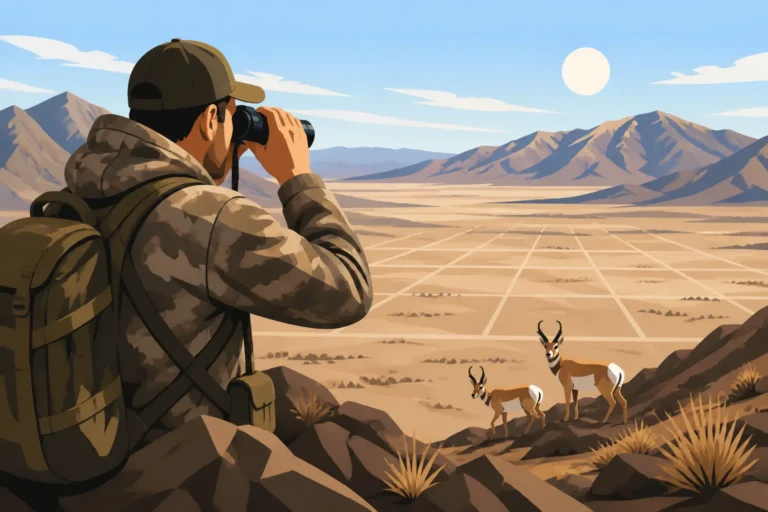
- Glassing Techniques: Learning the nuances of Glassing Grids Across a Nevada Basin and spotting game in vast landscapes.
Many local gun clubs or ranges offer basic firearm safety and shooting courses that go beyond hunter education. These are excellent ways to gain proficiency and confidence with your weapon. Don't underestimate the value of consistent practice at a shooting range; it's where you truly develop the skills for accurate and ethical shots. Building a Practice Routine Before Opener is essential, ensuring you're ready when the season arrives.
Continuing Your Education and Physical Preparation
Hunting in Nevada is an ongoing learning experience. Seasons change, wildlife patterns shift, and new regulations are introduced. Stay informed by regularly checking the NDOW website for updated regulations and news.
Physical fitness is also a major component of success and safety, particularly in Nevada's rugged terrain. Whether you're planning for Physical Conditioning for a Chukar Hunt up steep mountainsides or just preparing for long days of glassing for deer, being in good shape will make your hunt more enjoyable and safer. Don't neglect your physical readiness; it's just as important as your mental and practical skills. Learning about topics like Legal Shooting Hours and Blaze Orange in Nevada before you head out is another aspect of continued education that ensures you are always hunting legally and safely.
Ultimately, your hunter education certificate is a necessary legal document, but it's the foundation, not the culmination, of your learning. Embrace the journey of continuously improving your skills and knowledge, and you'll find immense satisfaction and success as a hunter in Nevada.
Disclaimer
The information provided in this article is for general guidance and informational purposes only, and does not constitute legal advice. Hunting regulations in Nevada are subject to change, and it is the responsibility of every hunter to consult the official Nevada Department of Wildlife (NDOW) regulations and obtain the necessary licenses and permits before engaging in any hunting activities. Always verify current regulations directly with NDOW.