Mobility Impaired Hunt Codes in Nevada
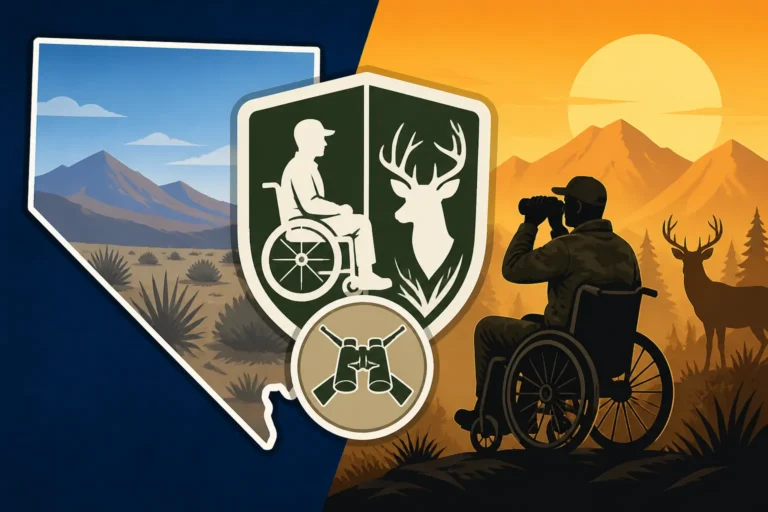
It's no secret that the vast, rugged landscapes of Nevada can present some truly formidable challenges for hunters. But for those who face physical limitations, these challenges can feel insurmountable, sometimes leading to the heartbreaking decision to give up on a passion. This guide is dedicated to shedding light on Nevada's mobility impaired hunt codes, designed specifically to ensure that hunting remains an accessible and rewarding experience for everyone, providing the detailed information you need to understand eligibility, application, and how to make these unique opportunities a reality.
The Purpose Behind Mobility Impaired Hunt Codes in Nevada
Hunting in Nevada, with its expansive sagebrush flats, steep mountain ranges, and often unforgiving terrain, demands a significant degree of physical stamina and mobility. For hunters with certain physical limitations, participating in a general draw hunt can be incredibly difficult, if not impossible. The Nevada Department of Wildlife (NDOW) recognized this disparity and implemented specific hunt codes to create more equitable opportunities. These codes aren't just about providing an easier hunt; they're about acknowledging the diverse needs within the hunting community and ensuring that the tradition of hunting can continue for those who might otherwise be excluded.
Addressing Unique Challenges for Hunters
Imagine the frustration of pouring over maps, dreaming of chasing mule deer across a remote basin, only to realize that the physical demands of navigating such an area are simply beyond your current capabilities. This is a very real challenge for many dedicated hunters who have sustained injuries, developed chronic conditions, or are experiencing age-related declines in mobility. Standard hunting units and seasons often involve extensive walking, climbing, and packing out game over difficult ground. Without specific provisions, these hunters are effectively shut out of many incredible experiences.
Mobility impaired hunt codes directly address these unique challenges. They open doors to areas or seasons that might offer more accessible terrain, closer proximity to roads, or other accommodations that mitigate physical barriers. It's about leveling the playing field, allowing individuals to continue pursuing their passion, even when their bodies don't move quite the way they used to. This isn't about giving an unfair advantage; it's about providing a pathway to participation when the traditional paths are blocked by physical limitations. It validates the desire to be out there, to connect with nature, and to participate in the hunt.
Fostering Inclusivity and Accessibility
At its heart, the establishment of these special hunt codes is a commitment to inclusivity within the Nevada hunting community. Hunting is a heritage, a means of connecting with the land, and a powerful personal endeavor. Denying access based solely on physical ability goes against the spirit of this tradition. By offering designated hunt codes, NDOW ensures that hunters with mobility impairments can continue to be active members of this community, sharing in the challenges, triumphs, and camaraderie that define hunting.
These provisions foster an environment where experience and knowledge can still be passed down, where individuals aren't forced to retire from their passion prematurely. It means that a grandparent in a wheelchair can still take their grandchild on a hunt, even if they can't trek miles into the backcountry. It also highlights a broader understanding that accessibility isn't a luxury, but a fundamental right for those who wish to partake in regulated outdoor activities. This framework isn't just about compliance; it's about cultivating a richer, more diverse hunting landscape that reflects the full spectrum of its participants.
Eligibility and Application Process for Mobility Impaired Hunts
Understanding if you qualify and how to apply for mobility impaired hunt codes can sometimes feel like navigating a bureaucratic maze. The key is to be meticulous with your documentation and to understand NDOW's specific criteria. It's a process designed to ensure that these special opportunities are indeed reserved for those who genuinely need them, and while it might seem a bit daunting at first, breaking it down step-by-step makes it much more manageable.
Defining "Mobility Impaired" Under NDOW Regulations
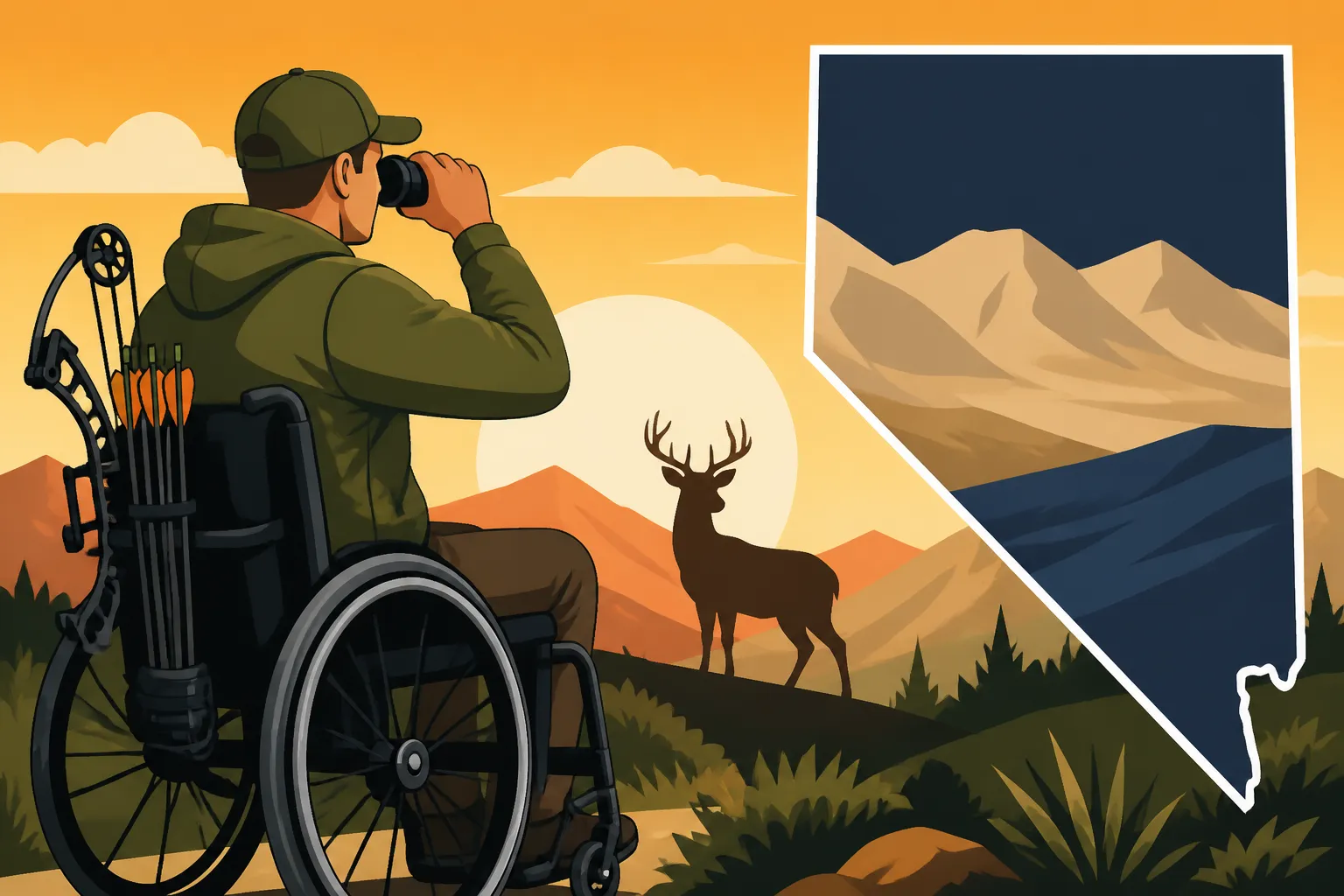
The term "mobility impaired" isn't just a casual description when it comes to NDOW regulations; it carries a very specific legal definition that applicants must meet. Generally, a person is considered mobility impaired if their physical disability permanently restricts their movement and requires them to use a wheelchair, crutches, a walker, a cane, or another similar assistive device for locomotion. This isn't about being temporarily injured; it’s about a long-term, significant limitation in walking and navigating terrain unassisted.
NDOW typically requires certification from a licensed physician, clearly stating the nature of the disability and confirming that it substantially impairs the applicant's mobility to the degree that they cannot engage in standard hunting practices without assistance or accommodations. It's important to obtain this certification well in advance of the application deadline, as doctors' offices can sometimes have a lead time for completing such forms. Without this formal medical documentation, your application for these special hunt codes will not be considered. Make sure your doctor understands the specific criteria NDOW uses to avoid any misunderstandings or delays.
Navigating the Application and Documentation Requirements
The application process for mobility impaired hunts largely mirrors the general big game draw in Nevada, but with the crucial addition of specific documentation. First and foremost, you'll need to purchase a Nevada combination license if you haven't already, which is a prerequisite for applying for any big game tag. The application period typically runs from late March to mid-May, so keeping an eye on the official NDOW dates is critical. Remember, Nevada Applications Run March 23 to May 13, so mark your calendar!
When you apply, you'll select your desired mobility impaired hunt choices, which will have specific codes indicating their nature. Alongside your application, you must submit the aforementioned medical certification form signed by your physician. This form confirms your eligibility based on NDOW's definition of mobility impairment. It’s vital to double-check that all fields are filled out completely and accurately, as even small errors can lead to your application being rejected. Many experienced hunters use resources like GoHunt to research units and application strategies, and they often have good guidance on specific application requirements, including those for special hunts. Ensure you understand How Nevada Numbers Its Hunt Units to select the correct mobility-impaired hunt codes.
What to Expect After Applying
Once your application, including your medical certification, has been submitted, it enters the draw system. Just like any other big game draw in Nevada, these tags are highly coveted, and success is not guaranteed. The results are typically released towards the end of May. If you are successful in drawing a mobility impaired tag, NDOW will notify you, and you'll then be required to pay the full tag fee.
If you are unsuccessful, you will accumulate a bonus point, which squares your chances in future draws in Nevada's unique system. This is where patience really pays off, as consistent application builds your odds over time. Even if you don't draw a mobility impaired tag, you might still consider applying for a point-only option to increase your chances in future years. It's a long game, but the reward of a special hunting opportunity can be truly life-changing. You can check Where Nevada Publishes Its Draw Odds Tables to get a sense of the competition for these specialized tags.
Understanding Nevada's Specific Mobility Impaired Hunt Codes
Nevada's system of hunt codes can be a bit of a puzzle for new and even seasoned hunters. When it comes to mobility impaired hunts, these codes are specifically designed to delineate special seasons and areas that cater to the needs of disabled hunters. Understanding how to read these codes is paramount to selecting the right hunt for your capabilities and aspirations.
Deciphering Hunt Numbers and Unit Groups
Every hunt in Nevada is assigned a unique hunt number. This number is a concise way of conveying the species, weapon type, unit or unit group, and season dates. For mobility impaired hunts, these numbers will often include specific prefixes or suffixes that designate them as such. For instance, a standard mule deer rifle hunt might be "1111," while a mobility impaired version for the same unit and season might be "MDMI1111" or have a specific letter suffix indicating "mobility impaired" access. It's crucial to consult the most current Nevada Big Game Seasons and Regulations booklet, published annually by NDOW, for the exact codes and their meanings.
Nevada also groups units for certain hunts, meaning a single hunt code might cover multiple adjacent units. For mobility impaired hunters, understanding these unit groups and their boundaries is essential for planning. Websites like GoHunt offer excellent mapping tools that allow you to overlay unit boundaries, public land ownership, and even terrain features, making it easier to visualize the accessibility of a given area. When you're Reading a Nevada Hunt Unit Before You Apply, pay close attention to the specific language indicating mobility impaired access, as it can define the scope of your hunt significantly.
Types of Opportunities Available
The mobility impaired hunt codes in Nevada typically provide access to a variety of big game species, predominantly mule deer and elk, but occasionally other species depending on population management needs. The specific types of opportunities can vary:
- Designated Units/Areas: Some tags might be for specific units or portions of units known to have more accessible terrain or road systems.
- Extended Seasons: Occasionally, a mobility impaired hunt might offer an extended season, giving hunters more time in the field, which can be beneficial for managing energy and adapting to conditions.
- Special Access: These hunts often come with provisions for motorized vehicle access in areas where it might otherwise be restricted for general hunting seasons. This is incredibly important for hunters using wheelchairs or other assistive devices that rely on vehicles for movement. Hunters should always review Motorized Travel Rules on Nevada Public Land specific to their tag.
It's important to review each year's regulations carefully, as these opportunities can change based on herd health, population objectives, and management needs. These codes are a lifeline for many, ensuring that the dream of a successful hunt remains within reach.
Success Rates and Draw Odds for these Tags
Just like general big game tags in Nevada, mobility impaired tags are part of a limited draw system. The number of tags available is often quite small, reflecting both the specific nature of the hunt and the conservation goals for each species. This can mean that the draw odds for mobility impaired hunts are often very challenging, sometimes even more so than for general tags, simply due to the limited quantity.
However, the competition pool is also smaller, as only eligible mobility impaired hunters can apply. While GoHunt and other platforms provide valuable insights into draw odds and harvest statistics, it's always wise to manage expectations. Building up bonus points over several years is a common strategy for increasing your chances. Keep in mind that a good strategy involves researching historical data to understand which units or hunt codes might offer slightly better odds, while still aligning with your physical capabilities and hunting preferences.
Practical Advice and Considerations for Mobility Impaired Hunters
Drawing a mobility impaired tag in Nevada is a fantastic achievement, but the planning and execution of the hunt itself require careful consideration. From scouting accessible terrain to ensuring you have the right gear and support, a well-thought-out plan is crucial for a safe and successful experience in the vast Nevada wilderness.
Planning Your Hunt in Accessible Terrain
Even with a mobility impaired tag, Nevada's terrain can be deceptive. "Accessible" doesn't always mean easy. When planning, utilize modern e-scouting tools like satellite imagery (Google Earth, OnX Hunt, GoHunt's mapping features) to identify specific areas within your unit that truly suit your mobility level. Look for:
- Road networks: Identify roads that are reasonably maintained and allow for vehicle travel close to potential hunting spots. Pay attention to seasonal closures and conditions – a road that looks good on a map might be washed out or deeply rutted in reality. Reviewing E-Scouting a Nevada Unit Before the Season can provide valuable insights.
- Gentle slopes: Use topographic maps to find areas with minimal elevation change. Steep grades, even short ones, can be incredibly challenging.
- Open visibility: Nevada is known for its open country, which often means good visibility from a vehicle or a short walk. Prioritize areas where you can glass effectively without extensive movement.
- Water sources: Critically, map out water sources. In the arid West, water dictates animal movement. Understanding How Guzzlers Concentrate Desert Game can be a game-changer for finding animals, and these areas are often more accessible for observation.
It's also highly recommended to do some physical scouting if possible, even if it's just driving the accessible roads in your chosen unit well before the season. This firsthand experience will confirm terrain conditions, road accessibility, and potential hunting spots far better than any map. Remember that Camping Rules on Nevada BLM Ground generally allow for dispersed camping, which can mean setting up close to your chosen hunting area, but always adhere to local regulations.
Essential Gear and Support for the Field
Hunting with a mobility impairment often necessitates a different approach to gear and support. Here's what to consider:
- Mobility Aids: Whatever device assists your movement – whether it's an off-road wheelchair, a robust walker, or a powerful electric scooter – ensure it's in top working order and capable of handling uneven ground. Have spare batteries or parts if applicable.
- Optics: Given that extensive walking might be limited, high-quality optics become even more vital. A good spotting scope on a sturdy tripod and a pair of powerful binoculars will allow you to scan vast areas from a comfortable position. This is where Glassing Grids Across a Nevada Basin really shines.
- Communication: Cell service in much of Nevada is non-existent. Carry a satellite messenger (like a Garmin InReach or Spot device) for emergency communication.
- Weather Appropriate Clothing: Layering is key in Nevada's unpredictable weather. From hot desert days to cold mountain nights, be prepared for anything.
- Survival Gear: Always pack extra food, water, a first-aid kit, and emergency shelter. Breakdowns or getting stuck can happen in remote areas, and being self-sufficient is paramount. Seriously, don't skimp on Carrying Extra Fuel and Water.
- Hunting Partner: Having a hunting partner, especially one who understands your limitations and can provide assistance, is invaluable. They can help with spotting, tracking, and the physically demanding task of field dressing and packing out an animal.
Ethical Considerations and Respect for the Resource
Just like any hunter, those utilizing mobility impaired tags carry the responsibility of ethical conduct and respect for the game and the land.
- Shot Placement: The goal is always a clean, humane kill. Practice diligently with your chosen weapon to ensure proficiency, especially if you're shooting from an unconventional position (e.g., from a vehicle seat, with shooting sticks, or a bipod). Understand your effective range and stick to it.
- Game Retrieval: Planning for game retrieval is critical. If you successfully harvest an animal, especially a large one like an elk, you'll need a solid plan for field dressing and packing it out. This often involves the assistance of a hunting partner, and potentially a vehicle if permissible and accessible. Ensure you know the Meat Salvage Requirements for Big Game in Nevada.
- Leave No Trace: Always adhere to Leave No Trace principles. Pack out all trash, dispose of offal responsibly, and minimize your impact on the environment.
- Know the Rules: Stay current on all Nevada Department of Wildlife regulations, including Nevada Legal Shooting Hours and Blaze Orange in Nevada, tagging requirements, and any specific rules that apply to your mobility impaired hunt code. Ignorance of the law is never an excuse.
By preparing thoroughly, understanding the regulations, and maintaining an unwavering commitment to ethical hunting, mobility impaired hunters can continue to enjoy incredible experiences in Nevada's wild spaces. It's a testament to the spirit of adaptation and the enduring call of the hunt.
Disclaimer
Please remember that hunting regulations, season dates, and unit boundaries can change annually. Always consult the most current official Nevada Department of Wildlife (NDOW) regulations before planning any hunt. This guide is for informational purposes only and should not be considered a substitute for official NDOW publications.