Special Use Permits for Outfitter Camps
It's a common misconception that once an outfitter has their state guide license, they're good to go for any hunt across Nevada's vast public lands. But for those looking to experience the wild, untamed beauty of the Great Basin with a professional, understanding what "Special Use Permits" are and why they matter is crucial. This guide will walk you through why these permits are essential for legitimate outfitter operations and how they benefit both the land and your hunting experience.
Understanding the Landscape of Public Land Operations
Navigating the world of guided hunts on Nevada's public lands can feel like a maze, even for seasoned hunters. You might find a great-looking outfitter, chat with them, and feel confident, but there's a layer of legality and responsibility that often goes unmentioned: special use permits. These aren't just bureaucratic hurdles; they're foundational to ethical, legal, and sustainable guiding, especially when you consider how much of Nevada is federally owned.
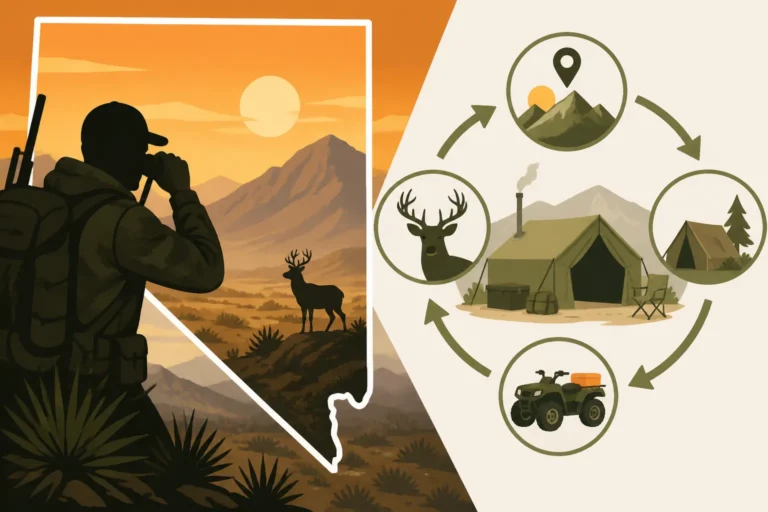
Imagine an outfitter setting up a spike camp deep in a remote mountain range, running clients in and out, or simply guiding daily hunts across thousands of acres of sagebrush and volcanic rock. All these activities impact the land, even subtly. Without proper authorization beyond a state license, these operations could be illegal, impacting not only the outfitter but potentially the hunter as well. It's about ensuring that the privilege of using public lands for commercial gain is done responsibly and with accountability.
Why Federal Land Use Permits Are Crucial for Outfitters
Nevada is truly unique in its land ownership. Over 80% of the state is managed by federal agencies, primarily the Bureau of Land Management (BLM) and the U.S. Forest Service. This means that if an outfitter plans to conduct any commercial activity on this land – which almost every big game hunt does – they need specific authorization from these federal entities, not just the state. It's a fundamental difference from hunting on private ranches or state lands.
These permits are designed to regulate commercial use, ensuring that outfitters operate within designated areas, adhere to environmental standards, and carry appropriate insurance. Without a special use permit, an outfitter could technically be trespassing or operating illegally on federal property, which is a serious issue. For a hunter, choosing an outfitter without these permits means you're potentially supporting an illegitimate operation, which could lead to complications during your hunt or even legal trouble down the line. It's all about making sure that the pristine areas we cherish for hunting remain that way.
The Agencies Behind the Permits
In Nevada, the primary federal agencies issuing these special use permits are the Bureau of Land Management (BLM) and the U.S. Forest Service. Depending on where an outfitter plans to operate, they'll need to secure a permit from the relevant agency. For instance, an outfitter guiding elk hunts in the high country of the Ruby Mountains or the Schell Creek Range would likely need a permit from the U.S. Forest Service, which manages those national forest lands. Conversely, an outfitter guiding mule deer in the vast, open basins and lower mountain ranges that characterize much of central and southern Nevada would primarily deal with the BLM.
It's not uncommon for outfitters to hold permits from both agencies if their operating area spans different jurisdictions. This layered approach reflects the complexity of public land management but ultimately ensures a higher standard of accountability. The goal is to balance public access and commercial use with conservation and resource protection. This is why it’s not enough for an outfitter to just have an NDOW license; they also need these federal authorizations. Which Federal Permits a Nevada Guide Needs goes into more detail about these requirements.
What a Special Use Permit Entails for an Outfitter
Securing a Special Use Permit (SUP) isn't just about filling out a form and paying a fee. It's a comprehensive process that requires an outfitter to demonstrate responsible business practices, a commitment to environmental stewardship, and the ability to operate safely and ethically on public land. For us hunters, understanding what goes into these permits gives us a clearer picture of the professionalism and legitimacy of the guide we choose.
Think of it this way: the federal government, as the steward of these vast public lands, wants to know exactly who is conducting commercial activities, where they're doing it, and how they're ensuring minimal impact. This isn't just a nod to bureaucracy; it's a vital part of managing wildlife habitat, preventing overuse, and maintaining the quality of the hunting experience for everyone.
Rigorous Application and Operating Plans
The application process for a special use permit is quite involved. An outfitter must submit detailed operating plans that outline everything from their proposed hunting areas, the types of game they'll pursue, the number of clients they expect, to their waste management plan and emergency procedures. They often need to provide maps of their proposed operating area, showing access points, potential camp locations, and even specific trails or routes they intend to use.
This level of detail is important because it allows the federal agencies to assess the potential impact of the outfitter's activities on the environment, wildlife, and other public land users. It ensures that operations are confined to appropriate areas and that sensitive habitats are avoided. For example, if an outfitter plans to establish temporary camps, their permit will specify regulations regarding sanitation, fire prevention, and restoration of the site after use. This meticulous planning is a huge benefit to you as a hunter because it means your guide is thinking ahead and operating with a clear, approved framework.
The Scope of Authorized Activities
A Special Use Permit isn't a blanket authorization for an outfitter to roam wherever they please. Instead, it defines a specific scope of activities and geographical areas where the outfitter is legally allowed to conduct their commercial operations. This means an outfitter's permit might specify certain hunt units, particular mountain ranges, or even restrict operations to certain types of hunts (e.g., foot-only, horseback, or vehicle-supported).
This specificity is critical for managing pressure on wildlife populations and preventing over-commercialization of certain areas. For a hunter, it provides assurance that the outfitter you're hiring isn't just freelancing but is operating within a federally recognized and regulated territory. It also helps to prevent conflicts between different outfitters or between outfitters and unguided public land users. If you're booking an elk hunt, you want to be sure your guide is authorized to operate in the specific unit where you plan to chase bulls, and a SUP confirms that.
Insurance and Bonding Requirements
A key component of most Special Use Permits is the requirement for outfitters to carry robust liability insurance and, in many cases, a performance bond. The insurance protects the public and the federal government in the event of an accident or unforeseen incident caused by the outfitter's operations. This is a huge piece of mind for you, the client, knowing that there's a safety net in place should something go wrong during your guided trip.
The performance bond, on the other hand, is usually a financial guarantee that the outfitter will fulfill the terms of their permit, including cleaning up any camps, rehabilitating disturbed areas, and adhering to all environmental regulations. It's essentially a promise to uphold responsible land use practices. These requirements demonstrate that the outfitter is a legitimate business, taking their responsibilities seriously. When you're talking with potential guides, these are excellent points to inquire about. How NDOW Licenses Hunting Guides is one step, but these federal requirements go deeper.
The Benefits of Permitted Outfitters for Your Hunt
When you book a hunt with an outfitter who holds the necessary Special Use Permits, you're not just ensuring their legality; you're investing in a more responsible, safer, and often more successful hunting experience. It brings a layer of professionalism and accountability that can be invaluable, especially in the vast and sometimes challenging landscapes of Nevada.
It's easy to get caught up in the excitement of drawing a coveted tag and just want to get on the ground. But taking a moment to understand why these permits are so beneficial will empower you to make a better decision when choosing your hunting partner. Platforms like BookYourHunt or even research tools from GoHunt often emphasize the importance of vetting outfitters, and these permits are a cornerstone of that vetting process.
Ensuring Ethical and Responsible Guiding
Outfitters operating under a Special Use Permit are held to a higher standard of conduct. They've agreed to specific terms and conditions set by the federal land management agencies, which often include environmental protection measures, proper waste disposal, and minimizing disturbance to wildlife and habitat. This means they are more likely to practice ethical hunting, respect seasonal closures, and use low-impact camping methods, which is something every conservation-minded hunter appreciates.
Moreover, these permits often necessitate that outfitters adhere to safety protocols, ensuring that their equipment is in good working order and that their guides are trained in wilderness first aid and other critical skills. This commitment to responsibility translates directly into a safer and more ethical hunt for you. You want a guide who respects the land as much as you do, and these permits are a strong indicator of that commitment.
Contributing to Conservation and Land Stewardship
Every time a permitted outfitter pays their fees for a Special Use Permit, a portion of that money often goes directly back into managing and improving the public lands we all cherish. This can fund trail maintenance, habitat restoration projects, and enforcement efforts that protect wildlife and prevent resource degradation. By choosing a permitted outfitter, you're indirectly supporting these vital conservation initiatives.
Furthermore, because these outfitters are operating under federal oversight, they have a vested interest in being good stewards of the land. Their continued ability to operate depends on maintaining a positive relationship with the land management agencies and adhering to sustainable practices. This long-term view benefits not only the current hunting season but also ensures that future generations can enjoy the same wild places and abundant wildlife. It's a direct way that commercial use can actually support conservation efforts, creating a win-win for everyone involved. Outfitter Camps on Nevada Public Land also covers how these operations must align with land management goals.
What to Look For in a Permitted Outfitter
When you're searching for an outfitter, asking about their Special Use Permits should be high on your list of questions. A reputable outfitter will be proud to tell you they hold them and can usually provide details about the specific agencies and areas they are permitted to operate in. They might even have a copy of their permit readily available or be able to direct you to where you can verify their credentials.
Here’s a quick checklist of things to consider:
| Aspect | What to Ask/Look For | Why it Matters |
|---|---|---|
| Federal Permit | Do you hold current BLM and/or Forest Service permits? | Ensures legal operation on public lands. |
| Operating Area | Which specific units or ranges are you permitted to operate in? | Confirms they can guide where you drew your tag. |
| Insurance | Can you provide proof of liability insurance? | Protects you and others in case of an accident. |
| References | Can you provide recent client references? | Allows you to verify experiences with past clients. |
| Contract | Review the written contract carefully. | Outlines services, costs, cancellation policies, and permit adherence. |
| Vetting Tools | Check resources like GoHunt or BookYourHunt if available. | These platforms often have vetting processes or information about outfitters. |
Don't hesitate to ask probing questions. After all, you're making a significant investment in your hunt, and you deserve to feel confident in your guide's legitimacy and professionalism. Verifying a Nevada Guide License and these federal permits are two distinct but equally important steps in Vetting a Nevada Outfitter Before You Send a Deposit.
The Hunter's Role in Verifying Outfitter Legitimacy
As hunters, we have a responsibility to not only comply with all regulations ourselves but also to ensure that the services we contract are legitimate and ethical. This is particularly true when it comes to hiring a hunting outfitter on Nevada's public lands. By taking a proactive role in verifying an outfitter's Special Use Permits, you're not just protecting your own investment; you're also upholding the integrity of the hunting industry and supporting responsible land stewardship.
It might seem like a hassle, but a few simple questions and a bit of online research can save you a lot of grief and ensure your hunt is conducted legally and ethically. Remember, a truly professional and reputable outfitter will welcome your questions and be transparent about their credentials.
Asking the Right Questions
When you first connect with a potential outfitter, make sure to add questions about their Special Use Permits to your list. Don't assume anything. Start with direct inquiries:
- "Beyond your state guiding license, do you hold all the necessary federal Special Use Permits to operate on BLM and/or Forest Service lands in the units we're discussing?"
- "Could you tell me which specific federal agencies (e.g., Humboldt-Toiyabe National Forest, Ely BLM District) issued your permits and for which areas?"
- "Is there a way I can independently verify your permits with the issuing agency?"
A good outfitter should be able to answer these questions clearly and confidently. They should not get defensive or vague. If they hesitate or try to brush off the question, that's a red flag. They might explain that they operate on private land or through another outfitter's permit, which are valid scenarios, but they should be able to articulate that clearly.
Utilizing Online Resources for Verification
Once you have the information from the outfitter, you can often do some independent verification. Federal agencies like the BLM and Forest Service usually have websites where they list permitted outfitters, or at least provide contact information for the local field offices that issue these permits. A quick call or email to the appropriate district office can often confirm an outfitter's status.
While specific lists can change, knowing which district office to contact is key. For example, if an outfitter claims to operate in the Jarbidge Wilderness, you'd want to contact the Jarbidge Ranger District of the Humboldt-Toiyabe National Forest. For broader BLM areas, finding the relevant field office (e.g., Elko, Ely, Winnemucca) would be your next step. This verification process adds an extra layer of assurance. Keep in mind that general tools like GoHunt can help you research units and understand typical operating areas, but direct verification with the federal agencies is the most definitive step for permit status. Where Nevada Lists Licensed Guides can provide the state-level information, but remember the federal layer for public land.
The Risks of Choosing an Unpermitted Outfitter
The consequences of hunting with an unpermitted outfitter can range from inconvenient to severe. At best, your hunt might be disrupted if a federal agent discovers the illegal operation. They could shut down the outfitter's camp or activity, leaving you stranded or without a guide. This could mean a ruined hunt and a lost investment.
At worst, you could face legal repercussions yourself, even if unknowingly, for participating in an illegal commercial activity on federal land. While penalties are typically aimed at the outfitter, it's a headache you absolutely want to avoid. Beyond the legal risks, there's the ethical concern: supporting unpermitted operations undermines the very system designed to protect our public lands and wildlife resources. It’s a bit like driving off designated roads in a Wilderness Study Area Vehicle Limits zone – you might not realize the damage you're doing, but the impact is real. By insisting on a permitted guide, you're standing up for responsible hunting and conservation.
Disclaimer
This article is for general informational purposes only and does not constitute professional advice. Laws, prices and regulations vary by location and change over time. Consult a qualified professional for guidance on your specific situation.