Outfitter Camps on Nevada Public Land
There's a special kind of freedom that comes with hunting Nevada's vast public lands, but for many, the sheer scale and raw logistics of a backcountry trip can feel completely overwhelming. Finding that perfect, remote hunting spot is one thing; getting a fully functional camp set up there, especially for a multi-day hunt, is quite another. This guide dives deep into how outfitters navigate this challenging landscape by establishing camps on public land, and what that means for your hunt.
Understanding the Regulatory Framework for Public Land Camps
Nevada is a state dominated by public land, an incredible resource for hunters. However, using this land, especially for commercial operations like guiding, comes with a strict set of rules and regulations designed to protect the environment and ensure fair access for everyone. Outfitters aren't just setting up tents wherever they please; there's a significant amount of bureaucratic legwork involved to ensure their camps are legal and compliant.
Federal Permits and Special Use Authorizations
The vast majority of Nevada's public land falls under the management of federal agencies, primarily the Bureau of Land Management (BLM) and the U.S. Forest Service. If an outfitter plans to operate on these lands and establish any kind of camp, temporary or otherwise, they absolutely must secure the necessary permits. This isn't a suggestion; it's a legal requirement. These are known as Special Recreation Permits (SRPs) or Outfitter and Guide Permits, and they specifically authorize commercial operations on public lands. Nevada Guides Need Federal Permits on Top of a State License
Obtaining these federal permits is a rigorous process. Agencies like the BLM will review an outfitter's experience, safety record, insurance coverage, and their proposed operating plan, including camp locations, duration, and environmental impact. They want to ensure that any commercial activity doesn't unduly harm the land, disrupt other users, or conflict with wildlife management goals. For a hunter considering a guided trip, knowing that your outfitter holds these federal permits is a crucial sign of their legitimacy and commitment to responsible land use. It means they've been vetted by the land management agencies.
State Licensing and Ethical Responsibilities
Beyond federal permits, outfitters operating in Nevada also need to be licensed by the Nevada Department of Wildlife (NDOW). This state-level licensing ensures that guides meet certain professional standards, have the necessary experience, and adhere to all state hunting regulations. The state license is separate from, but complementary to, the federal land use permits. Both are essential for legal operation. How NDOW Licenses Guides and Outfitters
An outfitter's ethical responsibility extends far beyond simply adhering to laws. It includes practicing "Leave No Trace" principles, ensuring their camps are clean, minimizing their footprint, and educating their clients on responsible outdoor ethics. A good outfitter recognizes that they are stewards of the land, not just users. This means setting up camps in areas that can sustain activity, properly managing waste, and leaving no trace that they were ever there once the season is over. This commitment to ethical conduct is paramount, especially when operating on shared public resources.
Diverse Types of Outfitter Camps on Nevada's Public Land
When you hear "outfitter camp," it's easy to picture one specific setup, but in reality, there's a wide spectrum of camp types tailored to different terrains, hunting styles, and lengths of stay. The specific unit, the target species, and the time of year all influence what kind of camp an outfitter might choose to establish. Each type offers a different level of comfort, mobility, and immersion into the backcountry experience.
Permanent vs. Temporary Structures
On Nevada's public lands, "permanent" structures are generally a no-go for outfitters. Federal regulations explicitly aim to prevent the establishment of long-term, fixed infrastructure that could limit public access or create lasting environmental impacts. Outfitters are typically restricted to temporary camps that can be fully dismantled and removed at the end of the hunting season, leaving the land as they found it. This aligns with the "Leave No Trace" philosophy.
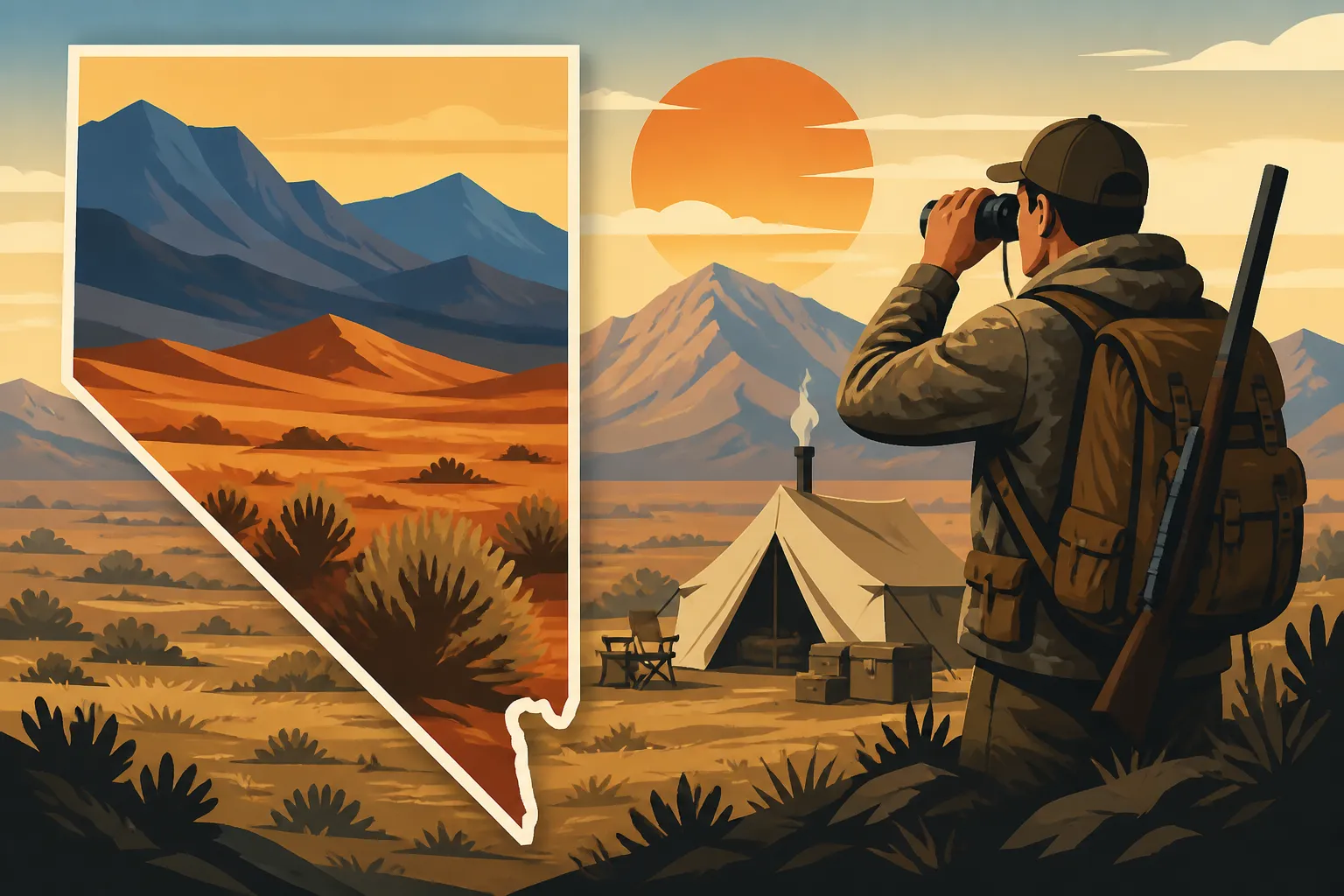
This means that while an outfitter might have a sturdy wall tent, a portable kitchen setup, or even a shower tent, these are all designed to be packed in and out. There won't be concrete foundations, permanent cabins, or fenced enclosures. The idea is to provide comfort and functionality for the duration of the hunt without staking a permanent claim to the land. This approach protects the wild character of public lands and ensures that the landscape remains open and accessible for all recreational users outside of the permitted hunting season.
Base Camps, Spike Camps, and Drop Camps
Outfitters utilize different camp strategies depending on the hunt.
Base Camps are typically the most elaborate and comfortable, often set up at a central, accessible location within the hunt unit, frequently near a road or two-track. These camps might include multiple large wall tents for sleeping, a dedicated cook tent, a dining area, and maybe even a generator for power. They offer hot meals, comfortable sleeping arrangements, and a place to regroup and refresh after a long day of hunting. They're ideal for hunts where hunters return to camp each evening, or for larger groups requiring more infrastructure. Access to these camps might involve significant travel along Nevada's sometimes challenging Nevada's Roads Are Long and Its Services Are Far Apart.
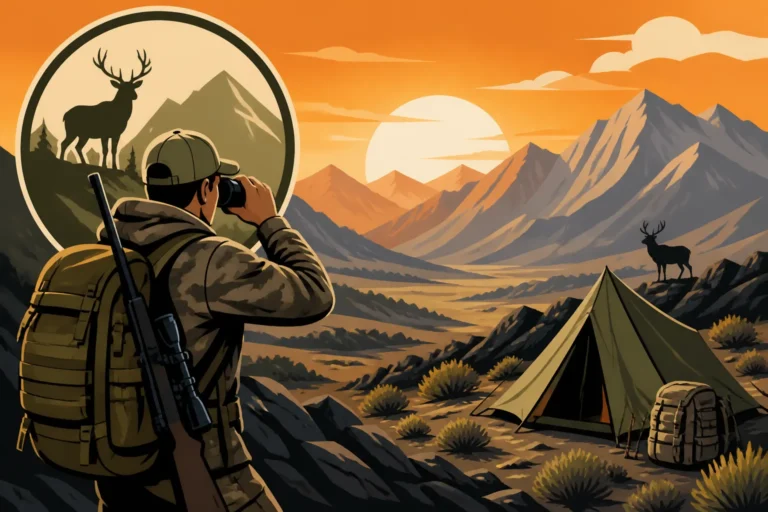
Spike Camps are smaller, lighter, and more mobile. They are set up deeper in the backcountry, usually packed in on horseback or by backpack, often a day or more's journey from the main base camp. The purpose of a spike camp is to put hunters closer to the game, allowing for earlier starts and later finishes, and reducing travel time to productive areas. These are minimalist camps, often consisting of lightweight tents, sleeping bags, and dehydrated meals. They offer less comfort but maximize hunting time and access to remote areas, particularly effective for species like elk or bighorn sheep that often inhabit rugged, roadless terrain. The Logistics of a Horseback Drop Camp
Drop Camps are essentially a service where an outfitter packs a hunter's gear and supplies into a pre-determined backcountry location and then leaves them to hunt independently for a specified period. The outfitter will return later to pack out the hunters and any game harvested. This option offers hunters the deep backcountry experience and logistical support for gear transport without the expense or presence of a guide in camp. Hunters taking a drop camp need to be fully self-sufficient, experienced in backcountry living, and comfortable with navigation and field dressing on their own.
Here's a quick comparison of these camp types:
| Camp Type | Comfort Level | Mobility | Hunter Independence | Best For |
|---|---|---|---|---|
| Base Camp | High | Low (Fixed) | Low (Guided) | Larger groups, longer stays, easier access |
| Spike Camp | Low | Medium (Relocatable) | Medium (Guided) | Deep backcountry access, maximizing hunt time |
| Drop Camp | Medium (Self-Supplied) | Medium (Relocatable) | High (Unguided) | Experienced DIY hunters needing logistical support |
The Logistical Edge: Why Outfitters Establish Public Land Camps
Nevada's public land is vast and beautiful, but it can also be incredibly challenging. Its remote nature, often rugged topography, and extreme weather swings can make a DIY hunt feel like a monumental task. This is where outfitters, with their established public land camps, offer a significant logistical advantage, transforming a daunting expedition into a more manageable and enjoyable experience.
Overcoming Nevada's Vastness and Isolation
Imagine trying to explore a hunt unit that spans hundreds of square miles, much of it roadless or accessible only by rough two-tracks. Setting up a functional camp in such an environment requires immense pre-scouting, significant time, and specialized equipment. Outfitters, who often operate in the same units year after year, have this down to a science. They know the terrain, understand the game movements, and have established routines for setting up camps efficiently and effectively.
Their camps are strategically located not just for convenience, but for optimal access to prime hunting areas. This means less time driving or hiking to reach hunting grounds each morning and more time actually hunting. For hunters coming from out of state, or those with limited vacation time, this logistical efficiency is invaluable. It removes the stress of navigating unknown territory, finding water sources, and figuring out where to legally camp on BLM Ground Is Where Most Nevada Hunting Happens. An outfitter handles all the complex pre-planning, allowing you to focus purely on the hunt.
Essential Services and Comfort in the Backcountry
One of the biggest struggles for any hunter in the Nevada backcountry is providing for basic needs: food, shelter, and hygiene. An outfitter's public land camp elevates the experience considerably by offering services and comfort that are difficult, if not impossible, to achieve on a DIY trip. After a long, arduous day of hiking and glassing in the Basin and Range Terrain Shapes Every Nevada Hunt, returning to a warm, dry tent and a hot, hearty meal makes all the difference.
These camps often include things like spacious sleeping tents with cots, dedicated cooking areas manned by a camp cook, and even basic washing facilities. This level of support ensures hunters are well-fed, rested, and clean, which directly translates to better performance and a more positive mental state in the field. Instead of spending precious energy setting up camp, cooking over a small stove, or trying to manage gear in adverse weather, hunters can dedicate their energy to the pursuit of game.
What to Expect When Booking a Public Land Outfitter Camp
Booking a guided hunt with an outfitter operating on public land can be an incredible experience, but it's crucial to go into it with clear expectations. Outfitters provide a valuable service, but it's important to understand what's included, what's not, and what your responsibilities are as a client. Communication is key to ensuring a successful and enjoyable trip for everyone involved.
Understanding Inclusions and Exclusions
When you book with a public land outfitter, the core service you're paying for typically includes guiding services, transportation within the hunt area (to and from camp/hunting spots), meals, and lodging at the camp. Many outfitters also handle the field dressing and initial packing of your animal to a point where it can be transported back to town. The specifics can vary widely, so always get a detailed agreement in writing.
However, there are almost always exclusions. Your hunting license and tags are never included; you'll need to secure those through the Nevada draw process well in advance. Personal gear, such as your rifle, ammunition, optics, sleeping bag, and hunting clothing, is also your responsibility. While the outfitter provides the camp, your personal comfort items are up to you. Other common exclusions might include meat processing, taxidermy, transportation to the trailhead or meeting point before the hunt, and tips for the guides and camp staff. Understanding these nuances upfront helps avoid any surprises. What Outfitter Prices Leave Out
The Importance of Communication and Vetting
Before you commit to an outfitter, thorough communication and vetting are absolutely paramount. Don't hesitate to ask detailed questions about their public land permits, their experience in the specific unit, their success rates, and what a typical day in camp looks like. Ask for references from past clients, and make sure to call them and inquire about their experience. A reputable outfitter will be transparent and happy to provide this information. Vetting a Nevada Outfitter Before You Send a Deposit
It's also wise to research the outfitter's standing with the Nevada Department of Wildlife and the federal agencies (BLM/Forest Service) for whom they hold permits. Online platforms can also be a valuable resource here. Sites like BookYourHunt allow you to browse verified outfitters and often see reviews from previous clients, which can offer insights into the outfitter's professionalism and the quality of their camps. Similarly, resources available through organizations like GoHunt can provide information about specific units and the types of outfitters that operate there, helping you align your expectations with the realities of the terrain and game.
The Hunter's Role and Responsibilities in a Public Land Camp
A guided hunt on public land is a partnership. While the outfitter provides the expertise, logistics, and much of the heavy lifting, the hunter also has critical roles and responsibilities. These contributions ensure not only a smoother and more successful hunt but also uphold the integrity of public land access and conservation for everyone. It's about being a respectful and prepared participant, not just a passive recipient of a service.
Respecting the Camp and the Land
When you're a guest in an outfitter's public land camp, you're not just a client; you're part of a temporary community, and you're occupying a shared public resource. This means adhering to the camp rules set by the outfitter, which are often in place for safety, efficiency, and to comply with permit regulations. This includes things like designated quiet hours, proper waste disposal (pack it in, pack it out, always!), and respecting the equipment and privacy of others in camp.
Beyond the immediate camp, remembering that you're hunting on public land carries a significant ethical weight. Practice "Leave No Trace" principles at all times, whether you're in camp or out in the field. Avoid littering, stay on established trails (or travel cross-country responsibly), and minimize your impact on vegetation and water sources. The long-term availability of these hunting opportunities relies on everyone doing their part to protect the land. Understanding vehicle limits, especially in Wilderness Study Areas and Vehicle Limits, is crucial.
Physical Preparation and Realistic Expectations
Even with the support of an outfitter's camp, hunting Nevada's public lands is physically demanding. You'll likely be covering challenging terrain, often at high altitudes, and potentially in extreme weather conditions. Your outfitter can put you in the best position to succeed, but you're the one who has to climb that ridge or endure a long day in the field. Coming into the hunt physically prepared – having trained with your gear, hiked, and conditioned yourself – will significantly enhance your experience and your chances of success. Preparing Physically for Long Glassing Days
Furthermore, it's vital to have realistic expectations about success. Outfitters are guides, not guarantees. While they work tirelessly to put you on game, hunting wild animals on public land is inherently unpredictable. Weather, animal behavior, and plain old luck all play a role. Focus on enjoying the experience, learning from your guides, and appreciating the incredible landscapes Nevada has to offer. A trophy animal is the goal, but the journey itself is the true reward.
Finding the Right Outfitter for Your Public Land Adventure
The decision to hire an outfitter is a significant one, and choosing the right one, especially for a public land hunt in Nevada, requires careful consideration. You're investing your time, money, and dreams into this experience, so taking the time to thoroughly research and select an outfitter who aligns with your goals and operates ethically is paramount.
Researching Reputable Outfitters
Start your research by looking for outfitters who have a proven track record of operating legally and ethically on public lands in Nevada. One way to do this is to contact the Nevada Department of Wildlife (NDOW) directly and inquire about licensed outfitters. They may be able to provide lists of currently licensed guides or point you toward resources that verify credentials. Additionally, reaching out to the specific BLM or Forest Service field offices in the units you're interested in can sometimes yield information about outfitters holding permits for those areas.
Look for outfitters who specialize in the species and terrain you're interested in. For example, if you're dreaming of a high-country mule deer hunt, find an outfitter with extensive experience in those specific Nevada mountain ranges. Ask about their hunting philosophy: do they prioritize fair chase, ethical hunting, and client experience over solely focusing on trophy size? This will help you find a guide whose values align with your own. You can also review lists of Where Nevada Lists Licensed Guides.
Leveraging Online Resources and Reviews
The digital age has made researching outfitters much easier, but it also requires discernment. Online platforms like BookYourHunt can be a fantastic starting point, as they often feature a directory of outfitters, many of whom are verified, and include client reviews. This allows you to get a sense of an outfitter's reputation, the quality of their camps, and the overall client experience. Pay close attention to consistency in reviews and look for patterns regarding professionalism, camp conditions, and guide competence. Which Outfitter Reviews Are Worth Trusting
Beyond dedicated booking platforms, general outdoor forums, hunting communities, and social media groups can also offer insights. However, approach these with a critical eye, as not all opinions are equally informed or unbiased. When you find an outfitter that looks promising, visit their website, look for detailed information about their public land operations, and don't hesitate to reach out directly with your questions. A reputable outfitter will welcome your inquiries and provide comprehensive answers, ensuring you feel confident and prepared for your Nevada public land adventure.
Disclaimer
This article is for general informational purposes only and does not constitute professional advice. Laws, prices and regulations vary by location and change over time. Consult a qualified professional for guidance on your specific situation.