Typical Price Range for a Guided Elk Hunt
The dream of a guided elk hunt in Nevada can feel a bit out of reach when you start looking at prices. It’s not just about the cost itself, but the sheer number of variables that make it hard to get a straight answer. Many hunters get overwhelmed trying to understand what’s included, what’s extra, and why one outfitter might charge significantly more than another. This guide is here to untangle those complexities, helping you understand the typical price range for a guided Nevada elk hunt and the many factors that influence that investment.
Understanding the Core Costs of a Guided Nevada Elk Hunt
When you first start looking into guided elk hunts, especially in a state like Nevada where the terrain can be brutal and the animals hard-won, it’s easy to get sticker shock. But it’s crucial to understand that the initial price you see isn't just for someone to point you at an elk. It's an all-encompassing package designed to simplify a complex, challenging endeavor. However, that "all-encompassing" nature often has caveats.
What's Typically Included in the Base Price?
Most reputable Nevada outfitters structure their guided elk hunt packages to cover the fundamental elements you’ll need once you’re in the field. Think of it as your field operations being taken care of. This usually includes the guide's professional services, ensuring you have experienced eyes and knowledge of the local terrain on your side. For a multi-day hunt, a comfortable camp is provided, whether that's wall tents in a remote basin or a lodge-style setup closer to civilization.
You can also expect meals to be part of the package. These aren't five-star gourmet dining, mind you, but hearty, filling sustenance designed to fuel long days of climbing and glassing. Some outfitters really pride themselves on their camp cook, making sure you’re well-fed morning, noon, and night. Furthermore, initial trophy care, like caping your bull and packing the meat off the mountain to a local processor, is generally a standard inclusion. This can be a huge relief, especially after a successful hunt where adrenaline is high and fatigue is setting in. Many hunters underestimate the sheer physical effort required for Packing an Animal Out of Roadless Country, and having this handled by your outfitter is a significant value add.
What's Almost Always Excluded?
Here’s where many hunters get caught off guard: the laundry list of things not included in the base price. First and foremost, the actual hunt tag and hunting license are always your responsibility. Remember, a Nevada Combination License Comes Before Any Tag for nonresidents, and then you’ll apply for your specific elk tag in the draw. These fees are separate and substantial, especially for nonresidents, where A Nonresident Nevada Elk Tag Runs $1,200 or more. These costs are paid directly to the state, not the outfitter.
Beyond licenses and tags, you’ll need to budget for your travel to and from Nevada, and often to a designated meeting point within the state. This can involve flights, rental cars, and hotels before or after the hunt. Meat processing, once the animal is at the processor, is also an extra cost, as is taxidermy if you choose to preserve your trophy. Shipping your meat and cape home, especially cross-country, can add hundreds, if not thousands, of dollars. And, of course, tips for your hardworking guide and camp staff are customary and expected if they provide a good experience. These can represent a significant percentage of the hunt's overall cost, and it's something you definitely want to factor into your calculations upfront.
The "All-In" Financial Picture
Understanding the "all-in" financial picture means looking beyond the sticker price of the guided hunt itself. You might see a guided elk hunt advertised for a certain amount, but once you add up the Nevada nonresident license and tag fees, travel expenses, meat processing, shipping, and a generous tip for an exceptional guide, that initial figure can easily double or more.
It's not about being misled; it's about being thoroughly informed. A truly comprehensive budget for a guided Nevada elk hunt means accounting for every single potential expense, from the smallest sundry item like chapstick to the largest, like the tag or the outfitter's fee. This proactive budgeting is essential for preventing unwelcome surprises and ensuring your dream hunt doesn't turn into a financial headache. Many experienced hunters use tools like GoHunt to research draw odds and plan their applications, which can indirectly help with budget forecasting by giving a realistic view of how many years you might apply before drawing a coveted Nevada elk tag.
Factors That Significantly Influence the Price Tag
The price range for a guided Nevada elk hunt isn't a flat fee; it's a dynamic scale influenced by a variety of factors. These elements can drastically swing the cost, making it crucial to understand what you're paying for and why.
The Experience and Reputation of the Outfitter
Just like any professional service, experience, and reputation command a premium. A "Master Guide" in Nevada, someone who has honed their skills over decades, consistently produces successful hunts, and has a deep understanding of the specific units they operate in, will naturally charge more. These are the outfitters who likely have established long-term relationships with land agencies for permits, have top-notch equipment, and run incredibly efficient operations. Their success rates are often higher, and their client testimonials reflect a high level of satisfaction.
Think about it: a less experienced guide might offer a slightly lower rate to build their business, but you might be taking on more risk. An outfitter with a track record of putting clients on big bulls in trophy units, perhaps even featured in hunting magazines, is going to be in high demand. Demand drives prices. Booking a hunt with a highly reputable outfitter often means securing your spot a year or more in advance, especially for prime season dates. How Far Ahead to Book a Nevada Hunt is a critical question to consider when looking at high-demand outfitters.
Type of Hunt and Logistics
The operational style of your hunt plays a massive role in its cost. Are you looking for a fully guided, 1-on-1 experience where your guide is dedicated solely to you? Or are you comfortable with a 2-on-1 ratio, sharing your guide with another hunter to split costs? A 1-on-1 hunt, offering undivided attention and personalized strategy, will always be at the higher end of the spectrum.
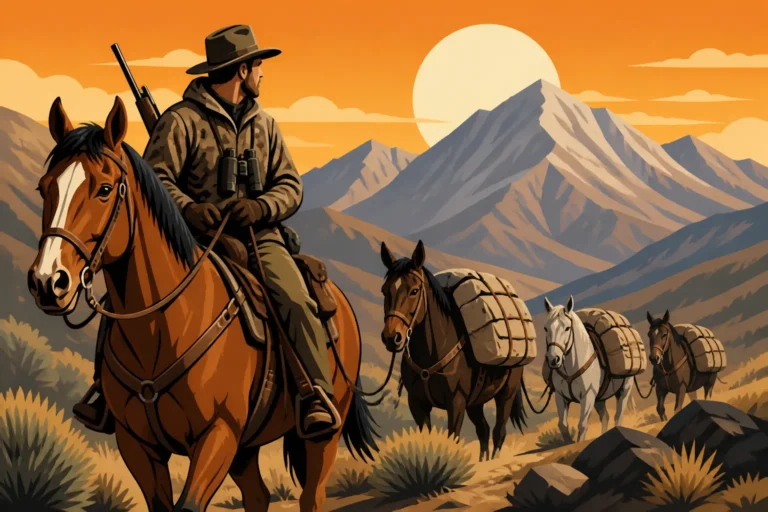
Then there are the logistics. A horseback hunt into the remote backcountry, requiring pack strings, wranglers, and specialized gear, will be more expensive than a hunt based out of a lodge with vehicle access to trailheads. Drop camps, where the outfitter packs you and your gear into a remote location and leaves you to hunt on your own for several days, are generally a more budget-friendly option than a fully guided experience. However, drop camps require a much higher level of self-sufficiency and hunting skill. Drop Camp Against Fully Guided hunts present a clear cost-benefit analysis you need to make based on your own abilities and desired level of support. The more remote and challenging the terrain, and the more logistical support required (think ATVs, 4×4 vehicles, satellite communications), the higher the operating costs for the outfitter, and thus, the higher the price for you.
Season Timing and Unit Quality
The timing of your hunt within the Nevada elk season can also impact the price. Early archery seasons, particularly those coinciding with the elk rut, are often considered prime time and carry a premium. The excitement of Bugling Bulls in Nevada's Northern Mountains is a huge draw, and these hunts are highly sought after. Later rifle seasons might be slightly less expensive but present their own challenges, often colder weather and more difficult tracking conditions. Nevada Elk Rifle Hunts Stretch From October Into December, offering different experiences and success potentials.
Furthermore, the specific hunt unit where the outfitter operates makes a difference. Nevada has a reputation for growing big bulls, and certain units are known as "trophy units" due to their genetics, habitat, and management practices. Outfitters with permits and a track record in these premier units, especially those known for Boone and Crockett potential, will charge more. They’re selling access and expertise in areas where the odds of encountering a truly magnificent animal are statistically higher. This is where researching Nevada Elk Herds Grew From Nothing Into a Trophy Draw and specific unit statistics can really inform your decision.
Group Size and Guide-to-Hunter Ratios
The ratio of guides to hunters on your trip is one of the most direct influences on the hunt's cost. A 1-on-1 guided hunt means you have a dedicated professional focused solely on your success, adapting to your pace and preferences. This personalized service comes at a premium, as the outfitter is dedicating exclusive resources to you.
On the other hand, a 2-on-1 hunt, where two hunters share one guide, is typically more affordable per hunter. This arrangement spreads the guide's cost between two clients, making it a popular choice for hunting partners or friends. While you might not get the same undivided attention, a good guide can still manage two hunters effectively, especially if both hunters have similar physical capabilities and hunting styles. Some outfitters might offer 3-on-1 or even larger group hunts, which further reduces the individual cost but inevitably means less personalized attention and a potentially more diluted experience. Understanding these ratios is key to managing both your budget and your expectations for the hunt.
Navigating the Market and Vetting Outfitters
Once you’ve got a handle on the various factors affecting the cost, the next step is actually finding and evaluating outfitters. This isn't a quick search; it requires due diligence to ensure your significant investment yields the experience you're hoping for.
Where to Start Your Search
The hunting industry has come a long way, and today, you have numerous resources at your fingertips. Online platforms like BookYourHunt can be a great starting point, as they often aggregate listings from various outfitters, allowing you to compare services, available dates, and price points side-by-side. You can filter by species, location (like Nevada elk), and even desired hunt style. These platforms often feature reviews from past clients, which can offer valuable insights.
Beyond dedicated booking sites, delve into hunting forums and social media groups focused on western big game or Nevada hunting. Personal referrals from trusted friends who have used an outfitter are gold. Attend hunting expos where you can meet outfitters face-to-face, ask questions, and get a feel for their personality and approach. Many serious applicants also consult resources like GoHunt, which provides detailed unit information, draw odds, and often includes information about outfitters operating in specific areas. This can help you align an outfitter's specialty with your drawn unit.
Key Questions to Ask Before Committing
Before you put down a deposit, an in-depth conversation with the outfitter is non-negotiable. Don't be afraid to ask direct questions, and expect clear, transparent answers. Here’s a list of crucial inquiries:
| Category | Questions to Ask |
|---|---|
| Hunt Details | What's the guide-to-hunter ratio? |
| How many hunting days are included? | |
| What is the typical camp setup (lodge, wall tent, spike)? | |
| What level of physical fitness is required? | |
| Costs | What exactly is included in the base price? |
| What costs are not included (license, tag, processing, tips)? | |
| Are there any hidden fees or unexpected charges? | |
| Logistics | How do I get to the meeting point? |
| What kind of transportation is used during the hunt? | |
| How is meat and trophy handled after a kill? | |
| Success | What are your success rates for elk in this unit? (Be specific: harvest vs. opportunity) |
| Can you provide recent client references? | |
| What happens if I don't draw a tag after booking? | |
| Safety | What are your safety protocols in the field? |
| How do you handle medical emergencies in remote areas? | |
| Contract | Can I see a copy of your hunt contract? |
| What are your cancellation and refund policies? |
Asking about Questions to Ask a Nevada Outfitter goes a long way in setting clear expectations for both parties and can reveal a lot about an outfitter's professionalism.
Comparing Apples to Apples
When you start receiving quotes from different Nevada elk outfitters, it’s easy to get lost in the numbers. The key is to compare them on an "apples to apples" basis, looking beyond just the bottom line. Don’t just compare the base price; create a comprehensive spreadsheet that includes all potential costs: guide fee, license, tag, travel, processing, shipping, and estimated tip. This gives you a true all-in cost for each option.
Also, consider the value of what’s being offered. Is one outfitter providing a 1-on-1 hunt in a prime unit with horseback access to deep wilderness, while another is a 2-on-1 hunt out of a roadside camp? Both are guided hunts, but the experiences will be vastly different. Look at the specific inclusions and exclusions. One outfitter might include airport pickup, while another expects you to rent a vehicle. Factor in the outfitter's reputation, client testimonials, and their specific expertise in the units you might draw. Sometimes paying a bit more for a highly reputable outfitter in a challenging species like Nevada elk can significantly increase your odds of success and overall satisfaction, making it a wiser investment in the long run.
A guided Nevada elk hunt is undoubtedly a significant investment, but it's one that can lead to a truly unforgettable experience in some of the West's most rugged and beautiful country. By thoroughly researching the costs, understanding what influences them, and diligently vetting outfitters, you can confidently plan your adventure and maximize your chances of success.
Disclaimer
This article is for general informational purposes only and does not constitute professional advice. Laws, prices and regulations vary by location and change over time. Consult a qualified professional for guidance on your specific situation.