How Nevada Unit Groups Combine
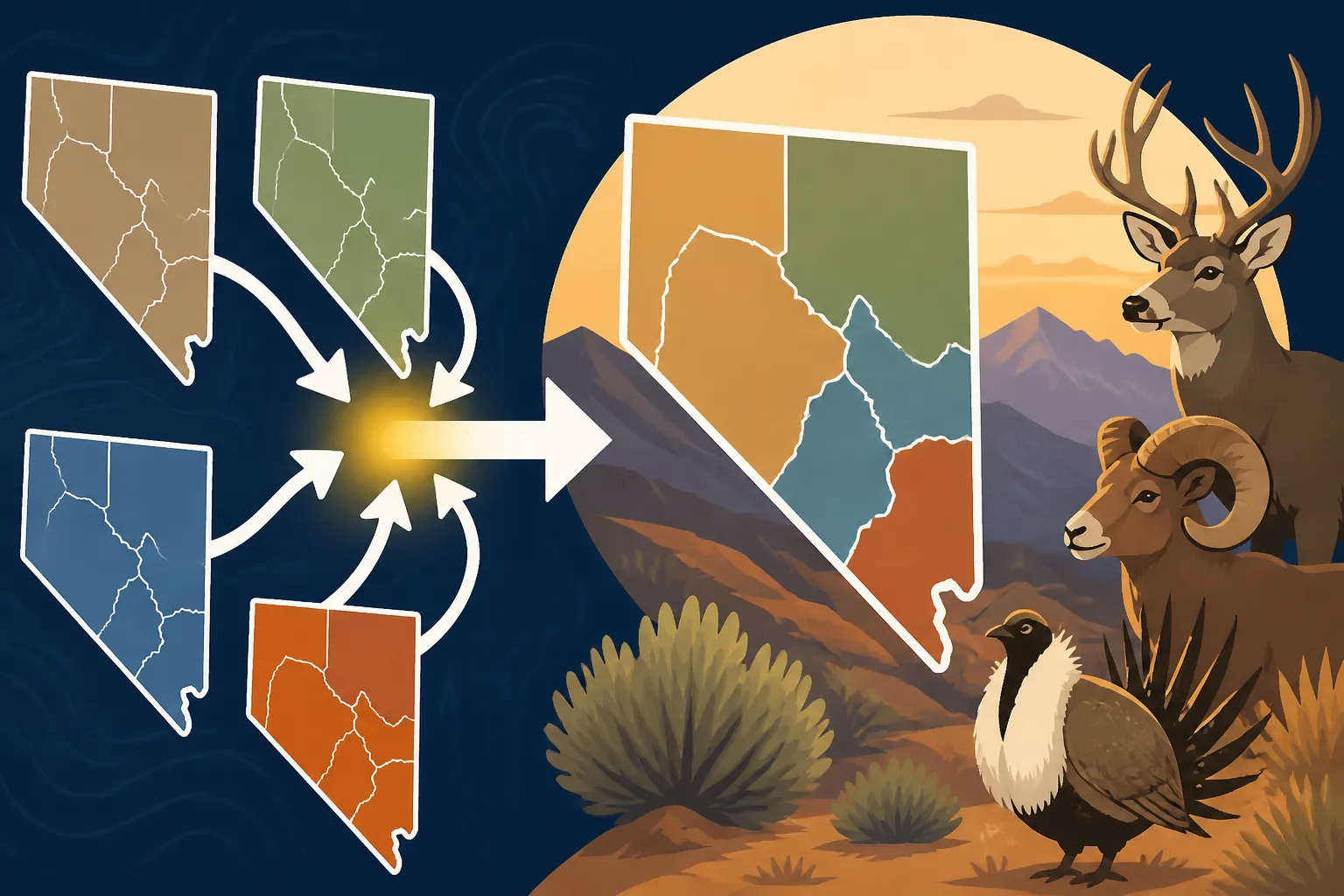
Navigating Nevada's big game draw can feel like trying to solve a puzzle with half the pieces missing, especially when you encounter those often-confusing "unit groups." It's not just about knowing a unit number; sometimes, the game management unit you want to hunt is actually part of a larger, multi-unit group for drawing purposes, which can drastically change your strategy. This guide will help you unravel the mystery of how Nevada's hunt unit groups combine, empowering you to make more informed decisions when you apply for those coveted tags.
Understanding the "Why" Behind Nevada's Unit Groups
Before we dive into the nuts and bolts of how these groups are formed, it's really helpful to grasp why Nevada's Department of Wildlife (NDOW) uses them in the first place. It’s not just to make things complicated, I promise! The state's vast, arid landscape and often-sparse wildlife populations mean that managing herds requires a flexible approach. Traditional single-unit management sometimes doesn't make sense for animals that roam across huge swathes of land, ignoring invisible lines drawn on a map.
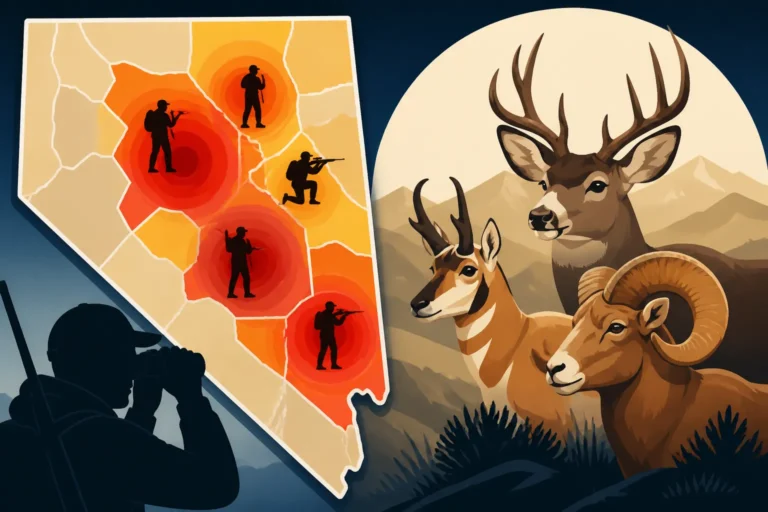
Imagine a herd of mule deer that migrates seasonally between two distinct mountain ranges, or an elk herd that utilizes a sprawling basin and its adjacent foothills. If NDOW were to manage and issue tags for each range or section of that basin as entirely separate units, they might inadvertently over-harvest one part of the herd while under-harvesting another. Unit groups allow for a more holistic, biologically sound approach to managing these transient populations, ensuring that harvest quotas align better with the overall health and distribution of a species. It’s all about maintaining healthy game populations while still providing hunting opportunities across large, interconnected landscapes.
Deciphering the Numerical Combinations of Unit Groups
When you pore over the Nevada Big Game Seasons and Application Guide, you'll inevitably stumble upon unit codes that aren't just a single number, but a string of them, like "031-032" or "111-112-113." These hyphenated numbers are your first clue that you're looking at a unit group. Each number in the string represents an individual hunt unit, and when they're combined like this, it means that if you draw a tag for that "group," you are essentially permitted to hunt in any of the specified units within that particular group.
Let's break down what this actually looks like in practice. Take a group like 031-032. If you apply for and draw a tag for this unit group, your tag isn't specific to only unit 031 or only unit 032. Instead, you have the flexibility to hunt in either unit, provided your hunt season is open in that specific unit within the group. This is a crucial distinction, because it means you're not just scouting one unit, but potentially two, three, or even more, which can broaden your hunting horizons significantly. Understanding Reading a Nevada Hunt Number Before You Apply can help make sense of the individual unit codes and their meanings.
Common Unit Group Structures You'll Encounter
Nevada employs a few common patterns when it comes to grouping units. These aren't random; they usually reflect natural boundaries, migration corridors, or shared habitat.
- Adjacent Units: The most frequent grouping involves units that share a border. This is common where a valley floor might connect two mountain ranges, or where a large, flat sagebrush basin spans multiple administrative unit lines. For example, some mule deer unit groups might combine a mountain unit with a lower-elevation unit that deer use for wintering or migratory movements.
- Geographically Linked Units: Sometimes, units are grouped even if they don't share an immediate border, but are part of a larger, interconnected geographical feature, like a massive river drainage or a chain of mountain ranges. The animals themselves dictate these boundaries, not necessarily the straight lines on a map.
- Special Management Areas: Occasionally, a unit group might be formed to manage a specific population within a particular region, such as a specialized elk hunt that spans several units where a strong herd exists. This allows NDOW to target harvest in areas where it's most needed for population control or health.
It's vital to check the current year's regulations because these groupings can sometimes shift based on biological data, population trends, or even access issues. A unit that was part of a group one year might be a standalone unit the next, or vice versa. This is why always referring to the latest NDOW regulations is paramount.
How These Groups Influence Your Application Strategy
The way Nevada's unit groups combine has a direct, tangible impact on your draw strategy. It's not just an academic exercise; it's about maximizing your chances and planning your actual hunt.
- Increased Flexibility: If you draw a tag for a unit group, you inherently have more flexibility in where you can hunt. This can be a huge advantage if weather patterns change, if certain areas become crowded, or if you discover better sign in one part of the group compared to another during your scouting. This flexibility can make a difference between a frustrating hunt and a successful one, especially in the vastness of Nevada where conditions can change rapidly.
- Wider Scouting Scope: When considering a unit group, your scouting efforts need to expand beyond a single boundary. If you're looking at, say, Unit Group 061-062-063 for elk, you'll want to digitally scout all three units using tools like onX Hunt or GoHunt's mapping features. This involves looking at terrain, water sources, roads, and potential bedding areas across the entire combined landscape. In fact, E-Scouting a Nevada Unit Before the Season becomes even more critical when dealing with these larger groupings. You might find that only one part of the group holds the habitat you're looking for, but having the option to move between units is invaluable.
- Impact on Draw Odds: This is where it gets a little more complex. A unit group might have different draw odds than if those units were offered individually. Sometimes combining units can make a group more popular and thus harder to draw, especially if one unit in the group is known for trophy animals. Other times, a larger group might dilute the pressure and make it slightly easier to draw than a single, highly competitive unit. It's a delicate balance that requires careful research. Platforms like GoHunt provide detailed draw odds analysis that can help you understand the historical success rates for specific unit groups.
- Harvest Reporting and Quotas: Even though you can hunt across multiple units within a group, the overall harvest quota is typically managed for the entire group. This means that if the quota for the group is reached, the season for that group might close early, regardless of whether the individual units within it have seen equal pressure. This is less common for general seasons but can occur in more specialized or limited entry hunts. Always stay informed about potential season closures.
Planning Your Hunt Around Unit Groups
Once you understand how unit groups combine, your pre-hunt planning can become much more effective. It's about leveraging the added flexibility while mitigating potential challenges.
Deep Dive into Each Unit Within the Group
Don't assume all units in a group are created equal. Even if they're combined for draw purposes, they can have vastly different terrain, habitat, and even game concentrations.
- Terrain Analysis: One unit might be steep, timbered mountains, while an adjacent one could be open, rolling sagebrush hills. For example, you might be looking at a group that includes high-elevation summer range and lower-elevation winter range. Understanding these differences will inform your gear choices, physical conditioning, and hunting tactics. Choosing Boots for Sharp Volcanic Rock might be relevant for one part, while Preparing Physically for Long Glassing Days applies to another.
- Habitat Variety: Different units will offer different types of habitat – dense aspen pockets, sparse juniper stands, vast sage flats, or riparian corridors. Knowing the primary habitat types in each unit within your group will help you predict where animals are likely to be found during your specific hunt dates. This insight is crucial for developing an effective scouting and hunting plan.
- Access Points and Road Systems: Mapping out all possible access points for each unit in the group is vital. Some units might be easily accessible by maintained dirt roads, while others might require high-clearance 4×4 vehicles or even foot access into wilderness areas. Knowing your vehicle limitations and planning your routes across the entire group can save you a lot of time and frustration in the field. Vehicle Prep for Remote Nevada Roads is a must-read if you're venturing into these expansive areas.
Leveraging Mapping Tools for Comprehensive Scouting
Modern mapping applications are invaluable when dissecting unit groups. Tools like onX Hunt are specifically designed to help hunters visualize and plan across complex land boundaries.
- Boundary Layers: Use the unit boundary layers to clearly see the perimeters of each unit within your group. This will prevent accidental trespass and ensure you're hunting within legal bounds. It also helps you identify potential pinch points or transition areas where animals might move between units.
- Topography and Satellite Imagery: Zoom in on each individual unit to analyze topography, identify potential bedding areas, feeding grounds, and water sources. Satellite imagery can reveal hidden draws, sparse timber pockets, or benches that might concentrate game. Remember, Glassing Grids Across a Nevada Basin is a technique that can be applied to large unit groups.
- Public/Private Land Overlays: Crucially, understand the land ownership within each unit of the group. Just because a group is largely public land doesn't mean every unit within it is. Some units might have significant private land encroachments or landlocked public parcels that complicate access. Knowing this beforehand, perhaps by identifying Finding Landlocked Public Parcels can prevent headaches later.
Here's a simplified look at how a hypothetical unit group might combine different characteristics:
| Unit Group | Unit 1 (e.g., 031) | Unit 2 (e.g., 032) | Primary Features |
|---|---|---|---|
| 031-032 | Higher elevation, conifer/aspen, steeper canyons | Lower elevation, sagebrush flats, juniper ridges | Migratory deer, connecting winter/summer ranges |
| 111-112-113 | Open basins, scattered water, limited cover | Rugged mountains, thick timber, few roads | Elk migration corridors, varied terrain challenges |
| 201-202 | Mountainous, rocky, limited access | Foothills, more roads, agricultural fringes | Pronghorn on flats, mule deer in hills |
This table illustrates that even within a single draw group, the hunting experience and the types of terrain you'll encounter can vary dramatically from one constituent unit to the next.
Advanced Strategies for Unit Group Success
Once you've done your homework on what each unit within your group offers, you can start developing more advanced strategies.
Developing Contingency Plans
The beauty of a unit group tag is the built-in flexibility. Embrace it by planning for contingencies.
- Weather Shifts: Nevada weather is notoriously unpredictable. An early season snowstorm could push deer out of high country in one unit and into lower, more accessible areas of another unit within your group. Conversely, prolonged heat can concentrate animals around specific water sources, which might be more prevalent in one unit than another. Having a plan B, C, and even D for different weather scenarios is critical. Heat Management on an August Archery Hunt is a different challenge than navigating a late-season snow.
- Hunting Pressure: You might arrive at your primary hunting spot on opening day only to find it crawling with other hunters. Instead of getting discouraged, having a unit group tag allows you to pivot. You can quickly relocate to a different unit within your group that might offer less pressure, perhaps by exploring more remote areas or those with tougher access. Tools that show recent public land activity can give you a clue, but nothing beats boots on the ground with a flexible mindset.
- Game Movement: Animals don't always stick to the script. If the deer aren't in their usual haunts in one unit, your unit group tag allows you to explore other areas where they might be holding. This is particularly useful during the rut, when bucks might be chasing does across unit lines, or during migration periods where large numbers of animals could be on the move. Hunting the Post-Rut Migration for Big Bucks often means following game across varied terrain.
Utilizing All Available Resources
Don't limit yourself to just maps. Broaden your information gathering to include all aspects of the unit group.
- NDOW Resources: The Nevada Department of Wildlife's website is your official source for regulations, harvest statistics, and often, specific unit information. Look for reports on herd health, population trends, and past harvest success rates for the entire unit group rather than just individual units. This data can inform your expectations and help you refine your application choices.
- Online Forums and Communities: Hunting forums and social media groups dedicated to Nevada hunting can be treasure troves of anecdotal information. Ask questions about specific unit groups, but always take advice with a grain of salt and cross-reference with official sources. You might glean insights into areas that hold water, difficult access points, or common migration routes within the combined units.
- Professional Advice: If you're serious about drawing a specific unit group, especially for a trophy species, consider consulting with a reputable Nevada outfitter or guide. While this guide is informational, a guide who regularly hunts these areas can offer invaluable real-time insights into game movement, local conditions, and specific hot spots within a large unit group. They might specialize in certain areas or even offer Drop Camps in Nevada's Remote Ranges that open up difficult-to-reach portions of a large group.
Understanding how Nevada's hunt unit groups combine is more than just interpreting numbers; it's about unlocking a deeper level of planning and flexibility for your hunting adventures in the Silver State. By taking the time to research each component unit, leveraging advanced mapping tools, and developing robust contingency plans, you'll be well-prepared to make the most of your hard-won tag.
Disclaimer
This article is for general informational purposes only and does not constitute professional advice. Laws, prices and regulations vary by location and change over time. Consult a qualified professional for guidance on your specific situation.