Duck Valley Reservation Permits
Navigating the myriad of rules and regulations for hunting in Nevada can often feel like piecing together a complex puzzle, and tribal lands introduce an entirely new layer to that challenge. Many hunters find themselves scratching their heads, wondering if their state license even applies, or what additional steps they need to take. This guide aims to demystify the process of obtaining Duck Valley Reservation Permits, providing you with a clear understanding of what's required to hunt legally and respectfully on these unique lands.
Understanding Tribal Lands: A Different Set of Rules
When we talk about hunting in Nevada, most of us automatically think about the vast tracts of public land managed by the Bureau of Land Management (BLM) or the National Forests. However, the state is also home to several Native American tribal reservations, and these lands operate under their own sovereign jurisdiction. This means that the rules for hunting, fishing, and even general access can be significantly different from those set by the Nevada Department of Wildlife (NDOW). It's not just a matter of respecting boundaries; it's about understanding and adhering to a completely separate legal framework.
Sovereign Rights and Wildlife Management
Each recognized tribal nation has the inherent right to manage its own natural resources, including wildlife, within its reservation boundaries. This isn't just a courtesy; it's a matter of sovereignty. For hunters, this translates into a crucial point: a valid Nevada state hunting license and tag do not automatically grant you permission to hunt on tribal lands. You are dealing with a distinct governing body, and they have their own seasons, bag limits, permit systems, and enforcement officers. Thinking otherwise can lead to serious legal trouble and, more importantly, disrespect to the tribal community and its conservation efforts. Always assume you need a specific tribal permit, even if you hold a valid state tag for the same species. This is a fundamental concept to grasp before you even consider applying.
Why Separate Permits Are Essential
The need for separate permits stems directly from this sovereign authority. Tribal wildlife departments are responsible for the health of their herds, the sustainability of hunting within their territory, and generating revenue that often goes back into wildlife management, cultural programs, and community services. When you purchase a Duck Valley Reservation Permit, you are contributing directly to these efforts on their land. It's not just about a piece of paper; it’s an acknowledgement of their authority and an investment in their wildlife. It also helps them track harvest data independently of the state, ensuring their management goals are met. Ignoring this process is not just a regulatory oversight; it's an ethical failing. You might use tools like onX Hunt to understand land ownership across the state, and while it will clearly show tribal boundaries, it won't tell you the specifics of their hunting regulations. For that, you need to go directly to the source.
The Duck Valley Indian Reservation: Your Hunting Destination
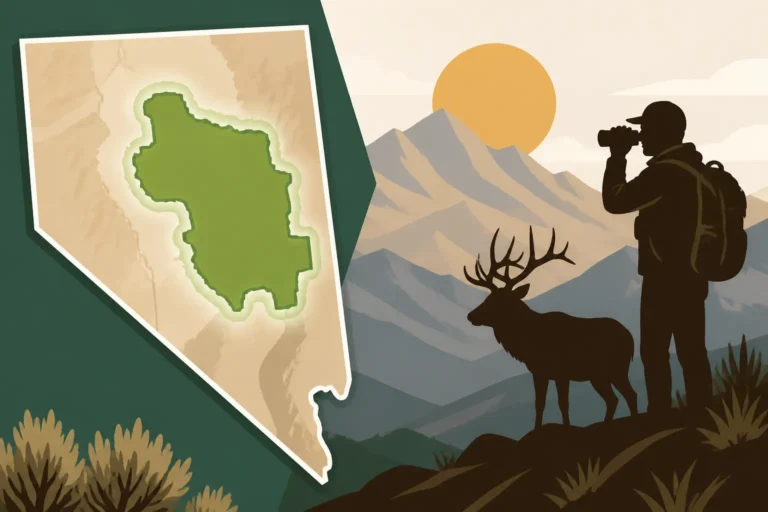
The Duck Valley Indian Reservation is home to the Shoshone-Paiute Tribes of Duck Valley, situated along the border of north-central Nevada and southwestern Idaho. It’s a vast, high-desert landscape that includes significant portions of the Owyhee River and its tributaries, as well as rolling sagebrush hills and mountain ranges. This unique geography means diverse habitats and a variety of game species, making it an attractive destination for hunters looking for opportunities beyond traditional state draw units.
Location and General Overview
The reservation spans parts of Elko County in Nevada and Owyhee County in Idaho. The primary community is Owyhee, Nevada, which serves as the administrative center for the Shoshone-Paiute Tribes. The landscape is characterized by its high desert plateaus, deep canyons carved by the Owyhee River, and scattered juniper and mountain mahogany. Elevations vary, offering different microclimates and habitats. This diverse terrain supports robust populations of mule deer, elk, pronghorn, upland birds, and various small game. Hunters who are familiar with the Basin and Range Terrain Shapes Every Nevada Hunt will recognize many similar features here, but with the added layer of tribal land management. It's a remote area, so preparation is key, just as it would be for any deep backcountry hunt in Nevada.
Game Species Available on Duck Valley
The Shoshone-Paiute Tribes actively manage several big game species on the reservation, often with healthy populations due to dedicated management efforts and controlled harvest. Common big game species include mule deer, elk, and pronghorn antelope. For upland bird enthusiasts, chukar partridge are plentiful in the right habitats, along with other species like Hungarian partridge. Small game such as rabbits and coyotes are also present. The specific hunting opportunities, species, and quotas can change from year to year based on wildlife surveys and tribal council decisions. This is why direct communication with the tribe's wildlife office is paramount. Unlike state units where you might check general Nevada Mule Deer Population Trends or Nevada Elk Herd Growth Over Time, the tribal data is specific to their management area.
| Feature | Nevada State Public Land Hunting | Duck Valley Indian Reservation Hunting |
|---|---|---|
| Governing Authority | Nevada Department of Wildlife (NDOW) | Shoshone-Paiute Tribes of Duck Valley Wildlife Department |
| License Required | Nevada State Hunting License + Species-Specific Tag | Tribal Hunting Permit (in addition to state license for transport) |
| Application Process | Online draw for limited entry tags, over-the-counter for some species | Direct purchase from Tribal Wildlife Department, sometimes limited |
| Season Dates | Set by NDOW, varies by unit and species | Set by Shoshone-Paiute Tribes, may differ from state seasons |
| Bag Limits | Set by NDOW | Set by Shoshone-Paiute Tribes |
| Revenue Use | State wildlife management, enforcement, conservation | Tribal wildlife management, cultural programs, community services |
| Access | Generally open to public, specific rules for motorized vehicles | Access controlled by Tribes, specific rules for hunting areas |
Securing Your Duck Valley Hunting Permit
Obtaining a hunting permit for the Duck Valley Indian Reservation isn't like applying for a state tag through the typical draw system. It's generally a direct purchase process, but with specific steps and considerations that you absolutely need to follow. The tribal wildlife department is your first and most important point of contact.
The Application Process: Direct Contact is Key
Forget the complex draw systems you might be familiar with through GoHunt or other state-specific application services. For Duck Valley, the most reliable way to obtain information and apply for a permit is to contact the Shoshone-Paiute Tribes' Fish and Game Department directly. Their contact information can typically be found on the official tribal website or by searching for "Duck Valley Fish and Game." This direct approach ensures you get the most current information regarding available permits, season dates, fees, and any specific requirements. Don't rely on third-party forums or outdated websites, as tribal regulations can change. When you call, be prepared to ask about:
- Specific species permits available (e.g., mule deer, elk, antelope, chukar).
- Season dates, which might not align with state seasons.
- The exact cost of the permit.
- Any additional fees or requirements (like a hunter education card or conservation stamp).
- Methods of payment accepted.
- How and where to physically obtain the permit.
Fees and Specific Requirements
Expect to pay a specific fee for your chosen species permit, which will be separate from any Nevada state hunting license or tag you hold. These fees contribute directly to the Shoshone-Paiute Tribes' wildlife management and conservation efforts. It's important to understand that the costs can vary significantly based on the species, and sometimes by residency status (tribal members vs. non-members).
In terms of requirements, you will almost certainly need a valid hunter education certification. While Nevada generally accepts Nevada Hunter Education From Any State, always confirm that your certification is accepted by the Duck Valley Tribal Wildlife Department. They may also require you to have a current state hunting license from either Nevada or Idaho, even if you’re not using a state tag, as a baseline for proving you're a legal hunter. Always ask about proof of identification and any other documents they might need to see. This due diligence protects both you and the tribe.
Planning Ahead for Success
Because the Duck Valley Reservation operates on its own system, planning ahead is critical. Don't wait until a week before your desired hunt date to inquire about permits. Some species permits, especially for trophy animals like elk, might be limited in number and sell out quickly. Start your research months in advance. Many hunters use e-scouting tools like E-Scouting a Nevada Unit Before the Season to identify promising terrain and potential water sources; these techniques are just as valuable, if not more so, on tribal lands. However, combine your digital scouting with direct communication to confirm areas open to hunting and any specific access rules. Remember, remoteness means fewer services, so plan your fuel, water, and emergency supplies meticulously. Consider the season and temperature fluctuations, especially for Heat Management on an August Archery Hunt if you're eyeing an early season opportunity.
Navigating Regulations and Respecting the Land
Hunting on tribal lands comes with a profound responsibility to understand and respect not only the wildlife regulations but also the cultural significance of the land to the Shoshone-Paiute Tribes. Your conduct directly reflects on all non-tribal hunters, and fostering good relationships is key to continued hunting opportunities.
Understanding Boundaries and Access
The most critical regulation to adhere to, after obtaining your permit, is staying within the designated hunting areas and respecting all tribal boundaries. Using a robust mapping application like onX Hunt with its land ownership layers is indispensable. This will help you clearly see the reservation boundaries and distinguish tribal lands from adjacent BLM, state, or private lands. Reading a Land Ownership Layer Correctly is vital to avoid inadvertent trespass, which can lead to serious legal consequences and damage relationships. Also, be aware that not all areas of the reservation may be open to hunting, and access to certain parcels might be restricted for cultural or private purposes. Always ask the tribal wildlife office for a current map or detailed instructions on where hunting is permitted. Tribal Land Boundaries Nevada Hunters Must Respect is more than just a rule; it's a fundamental principle of ethical hunting.
Wildlife Regulations Specific to Duck Valley
Beyond basic access, the Shoshone-Paiute Tribes will have their own specific rules for harvest, tagging, and transport. These might include:
- Tagging Requirements: How and where to attach your tribal tag to a harvested animal.
- Field Dressing: Specific rules for Field Dressing in August Heat or other seasons, and how to handle waste.
- Proof of Sex: Requirements for leaving evidence of sex on a carcass, which might differ from state rules.
- Mandatory Reporting: You will almost certainly need to report your harvest directly to the tribal wildlife department, often within a short timeframe. Do not assume your state reporting requirements cover this.
- Weapon Restrictions: Confirm any specific limitations on firearms, archery equipment, or broadheads that might differ from state law. For example, some tribal entities have stricter rules on Are Expandable Broadheads Legal?.
- Vehicle Use: Just like on state public lands, there will be rules governing Motorized Travel Rules on Nevada Public Land on the reservation. Stick to established roads and trails, and never drive off-road unless explicitly permitted for game retrieval.
Ethical Considerations and Cultural Respect
Hunting on tribal land offers a unique experience, but it also demands a heightened sense of ethical responsibility and cultural awareness. Remember that you are a guest on sovereign land with deep cultural significance.
- Leave No Trace: Practice strict Leave No Trace principles. Pack out all trash, including spent shell casings.
- Respect Sacred Sites: If you encounter any historical or cultural sites, leave them undisturbed. If you are unsure about an area, avoid it.
- Communicate: If you have questions or encounter issues, communicate respectfully with tribal members and the wildlife department.
- No Alcohol/Drugs: Adhere to any tribal laws regarding alcohol or drug use, which may be stricter than state laws.
- Camping: If camping is permitted, understand the rules, just as you would for Camping Legally on Nevada BLM Ground. Fires, waste, and duration of stay might all be regulated differently.
- Water Sources: Be mindful of Hunting Water in Nevada's Driest Country. Water sources are vital for wildlife and local communities, so respect them and leave them undisturbed.
By meticulously following the Shoshone-Paiute Tribes' regulations and demonstrating respect for their land and culture, you contribute to a positive relationship that helps ensure these unique hunting opportunities remain available for generations to come.
Disclaimer
This article is for general informational purposes only and does not constitute professional advice. Laws, prices and regulations vary by location and change over time. Consult a qualified professional for guidance on your specific situation.