Units Near Las Vegas for Desert Hunts
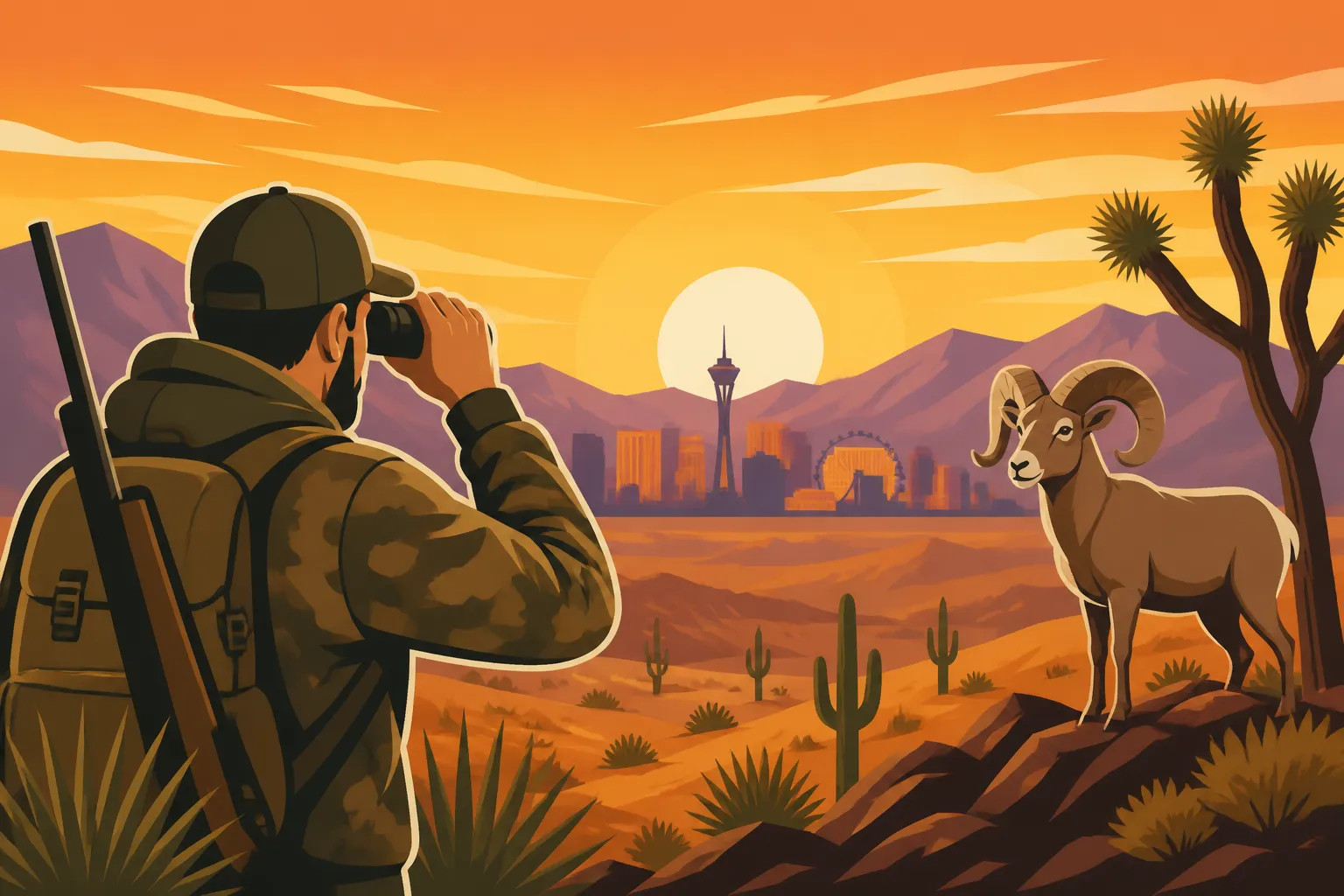
It's easy to look at the bright lights of Las Vegas and think that wild, untamed hunting opportunities are a million miles away. The truth is, while the concrete jungle might dominate one corner, Nevada's vast, rugged desert is right next door. Many hunters feel a real frustration trying to sift through maps and regulations to find accessible units where they can truly get away from it all and pursue big game without driving for half a day. This guide is here to cut through that confusion, helping you identify promising units near Las Vegas that offer genuine desert hunting experiences, complete with the unique challenges and rewards that come with them.
The Unique Realities of Hunting Near a Major Urban Center
When you're thinking about hunting in the vicinity of a place like Las Vegas, it's not the typical mountain town scenario. You’re dealing with a dynamic intersection of urban sprawl, public land access, and true desert wilderness. This presents a specific set of circumstances that traditional hunting advice might not fully address.
Balancing Proximity with True Wilderness Experience
One of the biggest hurdles for hunters living near or visiting Las Vegas is finding a balance. You want a unit that's not an absurd drive, but you also want to escape the constant hum of the city. It’s easy to feel like anything within an hour or two will be crawling with people, and that can certainly be a reality in some popular areas. However, the sheer size of Nevada's public land, even relatively close to the city, often means that solitude is just a ridge away, provided you're willing to work for it. The trick is understanding which units offer the best odds of that escape without having to burn half a tank of gas just getting to the trailhead.
There's a natural tendency to gravitate towards the most obvious or well-known spots, but these often bear the brunt of local pressure. We're talking about areas that, while productive, might have more boots on the ground, especially on opening weekend. The real gems are often those units that require a bit more effort to reach or a slightly different approach to hunting. It's about shifting your mindset from expecting a drive-up experience to embracing a short drive to the wilderness, then a real hike into the hunting.
Understanding the Landscape: Basin and Range Near the City
Nevada's iconic Basin and Range topography doesn't stop just outside city limits. Even close to Las Vegas, you’ll find those distinct north-south running mountain ranges separated by wide, arid valleys. This isn't lush, timbered country; this is high desert, and it demands a specific set of skills and preparation. The mountains, even those not reaching alpine heights, can be incredibly steep and rocky, offering challenging climbs but also excellent glassing opportunities. The valleys, while seemingly flat and featureless, often hold hidden washes, sparse cover, and crucial water sources that concentrate game.
Understanding this landscape is paramount. You can't hunt these units like you would a timbered draw in the Rockies or a brushy creek bottom in the Midwest. Success here hinges on your ability to spot game from a distance, plan an approach that uses the subtle contours of the land, and manage the extreme conditions. Think about how the light hits those slopes in the morning and evening, revealing subtle movements or the tell-tale shape of an animal blending into the rocks. Glassing Grids Across a Nevada Basin is an article worth reading for insights into this specific skill set.
Identifying Promising Units for Desert Hunts Near Las Vegas
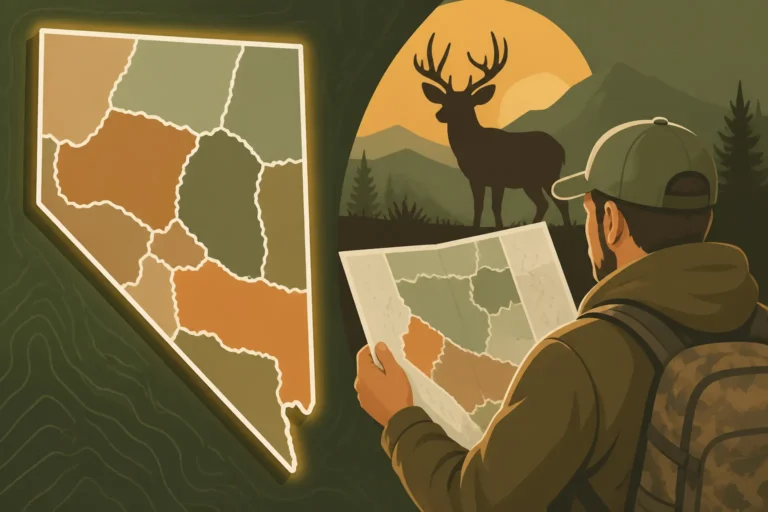
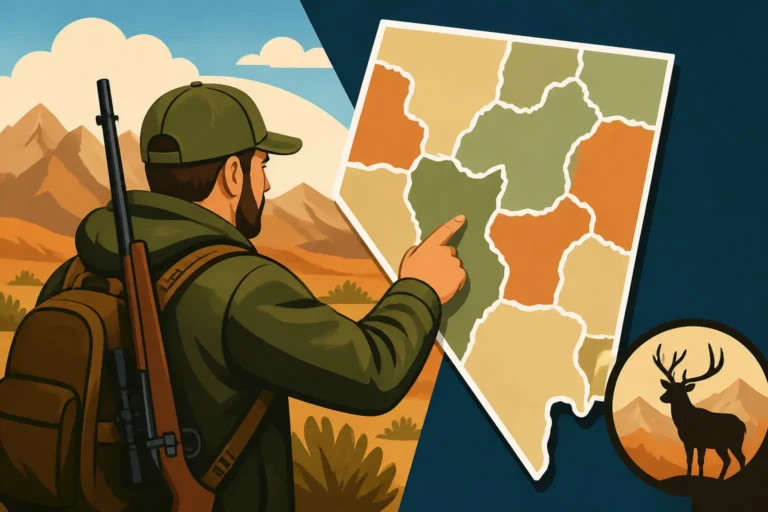
Alright, let's get down to the brass tacks: which units actually offer good hunting close to Las Vegas? While specific hunt numbers change and tags are always drawn, we can look at the general areas and the types of hunting they offer. Remember, "near" is a relative term in Nevada, but these are certainly within a reasonable strike distance for a multi-day trip.
Units in the Spring Mountain Range Area
The Spring Mountains, including the popular Mount Charleston area, are likely the most visible range from Las Vegas. While much of the higher elevation is protected or sees heavy recreational use, the surrounding lower and mid-elevation units offer some surprising opportunities. We're talking about units that often see mule deer, and in certain areas, even a chance at desert bighorn sheep.
These units are characterized by steep, rugged terrain, with a mix of pinyon-juniper forests at higher elevations giving way to classic desert scrub and rocky washes lower down. Access can be a mix of paved roads leading to trailheads and rougher two-track roads heading deeper into the canyons. Water sources, while scarce, are absolutely critical here. Finding those seeps and guzzlers is like finding gold. This is country where you'll be putting in a lot of miles on foot, often gaining significant elevation, but the reward can be finding those pockets of undisturbed game. When you're Reading a Nevada Hunt Unit Before You Apply, pay close attention to the elevation changes and road networks in these units.
The Sheep Range and Desert National Wildlife Refuge Units
North of Las Vegas lies the vast expanse of the Desert National Wildlife Refuge and the Sheep Range. This is truly wild, remote country, even if it's not that far as the crow flies from the city. These units are a primary stronghold for desert bighorn sheep, and also hold good populations of mule deer and pronghorn in the adjacent valleys. The terrain is intensely rugged, with deep canyons, massive mountain slopes, and limited water.
Access here is often restricted, especially within the refuge boundaries, so it's absolutely crucial to check the specific regulations and access points before you go. You'll often find locked gates or require special permits to enter certain areas. For a hunter seeking a true wilderness experience and a chance at some of Nevada's most iconic species, these units are unparalleled. However, they demand serious physical conditioning, meticulous planning, and an understanding of remote desert survival. The rewards are immense, but so are the challenges. Hunting Water in Nevada's Driest Country is a must-read if you're venturing into these areas.
Units in the McCullough Range and Muddy Mountains
Heading southeast and northeast of Las Vegas, respectively, you'll find the McCullough Range and the Muddy Mountains. These ranges offer classic low-desert hunting. The terrain here is often less about towering peaks and more about broken, volcanic hills, washes, and vast expanses of creosote bush. While not as renowned for giant mule deer as some northern Nevada units, they offer consistent opportunities for smaller bucks and good numbers of desert bighorn sheep (when a tag is drawn).
These areas can be deceptively tough. The heat, even outside of summer, can be intense, and water is even scarcer than in higher elevations. Roads can be rough, and brush, while seemingly sparse, can be incredibly thick and thorny. This is excellent country for spot-and-stalk hunting, relying heavily on optics to pick apart distant hillsides. When you're using tools like onX Hunt, pay close attention to the topography and look for those subtle breaks in the terrain that might hold game or offer a concealed approach. Reading a BLM Surface Management Map can help you understand the patchwork of ownership and access points in these zones.
Here's a quick overview of some unit characteristics:
| Unit Type/Region | Primary Species | Terrain Characteristics | Key Challenges | Typical Hunting Style |
|---|---|---|---|---|
| Spring Mountains Area | Mule Deer, Bighorn Sheep | Steep, rocky, pinyon-juniper to desert scrub | Elevation gain, limited water, recreational users | Spot & stalk, glassing |
| Sheep Range (DNWR) | Bighorn Sheep, Mule Deer | Extremely rugged mountains, deep canyons, remote | Access restrictions, extreme remoteness, water | Wilderness backpack hunt |
| McCullough/Muddy Mtns | Mule Deer, Bighorn Sheep | Volcanic hills, washes, creosote flats, broken country | Heat, thorny brush, sparse water | Spot & stalk, long-range glassing |
Essential Strategies and Tools for Desert Hunts
Hunting in the Nevada desert, especially near a major city, is a different ballgame. You need to adapt your strategies and ensure your gear is up to the task of some seriously harsh conditions. Forget what you think you know about timber hunting; this is a game of vast spaces, subtle movements, and intense preparation.
Master the Art of Glassing
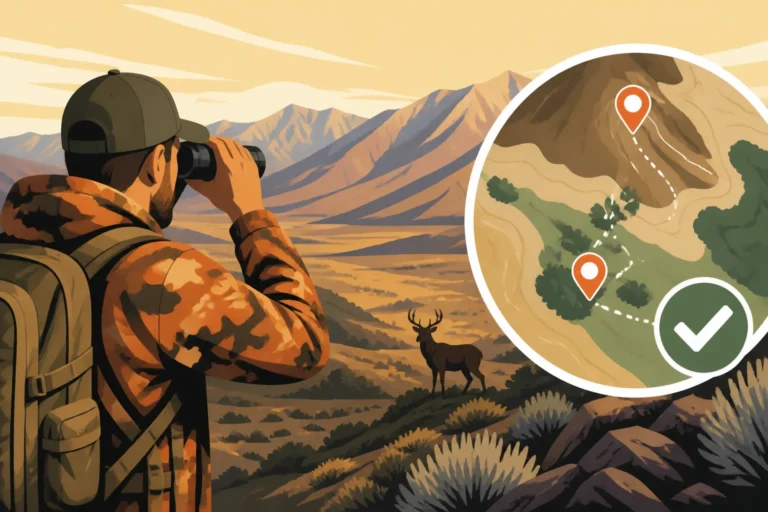
In wide-open desert country, your feet will only take you so far. Your optics, however, can extend your vision across entire basins and mountain faces. This isn't just about owning a good pair of binoculars or a spotting scope; it's about learning how to use them effectively. Finding a high vantage point, setting up a tripod, and systematically picking apart the landscape is the name of the game. You're not just looking for a whole animal; you're looking for an ear flick, the horizontal line of a back against vertical rock, or a patch of color that just doesn't quite fit.
Take your time. Set up your optics, settle in, and grid the entire area. Then, do it again. Light conditions play a huge role, so morning and evening glassing sessions are paramount. The sun hitting a rock face just right can reveal an animal that was previously invisible. This is where tools like GoHunt and onX Hunt become invaluable for e-scouting before you even hit the field. You can identify potential glassing knobs and areas that look like they might hold game from the comfort of your home, saving precious time and energy when you're on the ground. Knowing Why Nevada Deer Hunting Is a Glassing Game is key to success here.
Prioritize Water and Hydration
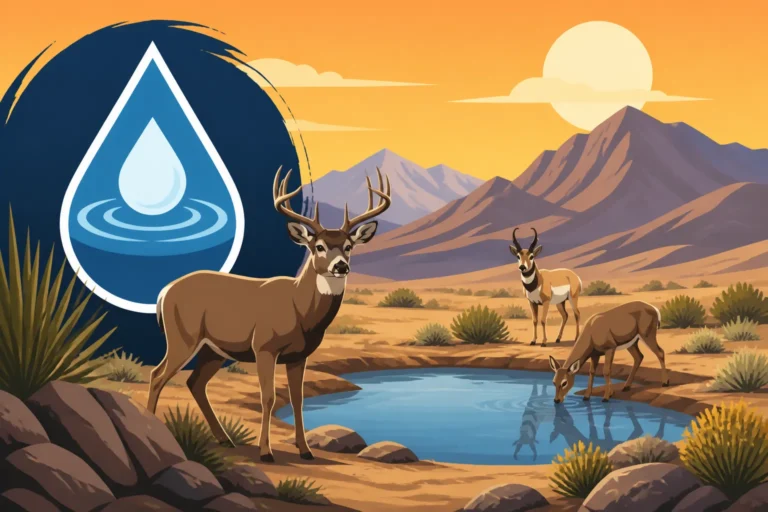
I cannot stress this enough: water is life in the Nevada desert. Especially if you're hunting during early seasons like August archery or even early rifle hunts in the fall, temperatures can still soar. A simple day hunt can quickly turn into a dangerous situation if you're not carrying enough water or don't know where the next reliable source is. Dehydration creeps up on you, impairing judgment and physical performance long before you feel truly thirsty.
Always carry more water than you think you need. Consider a hydration pack system and extra bottles in your backpack. If you plan on sourcing water from natural springs or guzzlers, always filter or purify it. Better yet, cache water along your intended route if possible and legal. Know the signs of heat exhaustion and heatstroke, and don't push yourself or your hunting partners past safe limits. Water You Must Carry on a Desert Day Hunt is not just a suggestion, it's a survival guide.
Navigate with Precision and Awareness
The desert can be disorienting. Every ridge can look similar, and washes can crisscross in confusing patterns. Relying solely on memory or a paper map without a compass can lead to trouble. Modern GPS devices and smartphone apps like onX Hunt are absolute game-changers for navigating these vast landscapes. Download offline maps before you go, mark your vehicle, potential game sightings, water sources, and any difficult terrain.
Beyond the technology, cultivate a habit of looking back as you hike in, noting landmarks from the perspective of your return trip. Understand where you are in relation to major features. Cell service is notoriously spotty, or completely non-existent, in many Nevada hunt units, so don't count on it. A satellite messenger or two-way radio system can be a literal lifesaver for communication and emergency situations. Being able to confidently navigate means you can push deeper, stay out longer, and focus on the hunt rather than worrying about getting lost.
Essential Gear for a Successful Desert Hunt
Your gear list for a desert hunt is going to look a bit different than what you might pack for a tree stand hunt in the Midwest or even a timber hunt in the Rockies. Every item needs to be robust, reliable, and appropriate for the harsh, dry, and often hot conditions you'll face.
Optics: Your Eyes on the Landscape
As mentioned, high-quality optics are non-negotiable. Invest in the best binoculars you can afford, typically 10x or 12x power, and pair them with a solid tripod for stable glassing. A good spotting scope (20-60x or higher) is also critical for evaluating game from a distance, especially when you're trying to Judge a Mule Deer Buck at Distance or determine horn size on a bighorn ram.
- Binoculars: 10×42 or 12×50 for general use.
- Spotting Scope: 60-80mm objective, with 20-60x or higher magnification.
- Tripod: Sturdy, lightweight, and easy to adjust. A good tripod setup will transform your glassing experience, allowing you to stay stable for extended periods.
Footwear and Clothing: Comfort in Extremes
Your feet will take a beating in the desert. Volcanic rock, sharp thorns, and uneven terrain demand durable, supportive footwear. Look for boots with stiff soles, good ankle support, and rugged uppers. Break them in well before your hunt! Choosing Boots for Sharp Volcanic Rock is a topic to take seriously; blisters and ruined feet can end a hunt prematurely.
Clothing needs to be layered and breathable. Even if it's hot during the day, desert nights can be surprisingly cool, and mornings can be downright chilly before the sun hits. Lightweight, moisture-wicking base layers are essential. Outer layers should be durable, provide sun protection, and offer some wind resistance without being overly warm. Blaze orange requirements are still in effect during rifle seasons, so factor that into your layering system. Layering for Basin and Range Temperature Swings is a crucial skill for comfort and safety.
Vehicle and Survival Essentials
Your vehicle is often your lifeline in the remote Nevada desert. Ensure it's in top mechanical condition, with good tires (including a full-sized spare), and carry extra fuel. Many roads are rough, rocky, and can lead to unexpected flats or breakdowns far from any service. Beyond basic vehicle recovery gear (shovel, jack, tow strap), always have a comprehensive first-aid kit, emergency food, and extra water stashed in your vehicle.
Don't forget awareness of the desert's less-than-friendly inhabitants. Snake Awareness on an August Archery Hunt is important – rattlesnakes are common, and knowing how to react is key. A snake bite kit might give you peace of mind, though getting to medical attention remains paramount. A headlamp with extra batteries, a fire-starting kit, and a small survival blanket round out the essentials. The more prepared you are for the unexpected, the more confident and successful your desert hunt will be.
Disclaimer
This article is for general informational purposes only and does not constitute professional advice. Laws, prices and regulations vary by location and change over time. Consult a qualified professional for guidance on your specific situation.