Why Late Seasons Produce Bigger Bucks
It’s a common frustration among Nevada deer hunters: you hit the mountains in the early season, full of hope, only to find the bucks seem to have vanished, or the ones you do see are smaller, younger animals. Many hunters struggle to connect with that mature mule deer during the warmer, earlier hunts, leaving them wondering if the big ones even exist. This guide will dive deep into why the late rifle deer seasons in Nevada often produce significantly bigger bucks and offer strategies to maximize your chances when the cold truly sets in.
Understanding Mule Deer Behavior in Late Season
Mule deer aren't static creatures, and their behavior shifts dramatically with the changing seasons. What works for an August archery hunt simply won't cut it when the landscape is dusted with snow. The late season, typically November and sometimes stretching into December, aligns with critical biological drivers that make mature bucks far more visible and vulnerable.
The Rut's Influence on Mature Bucks
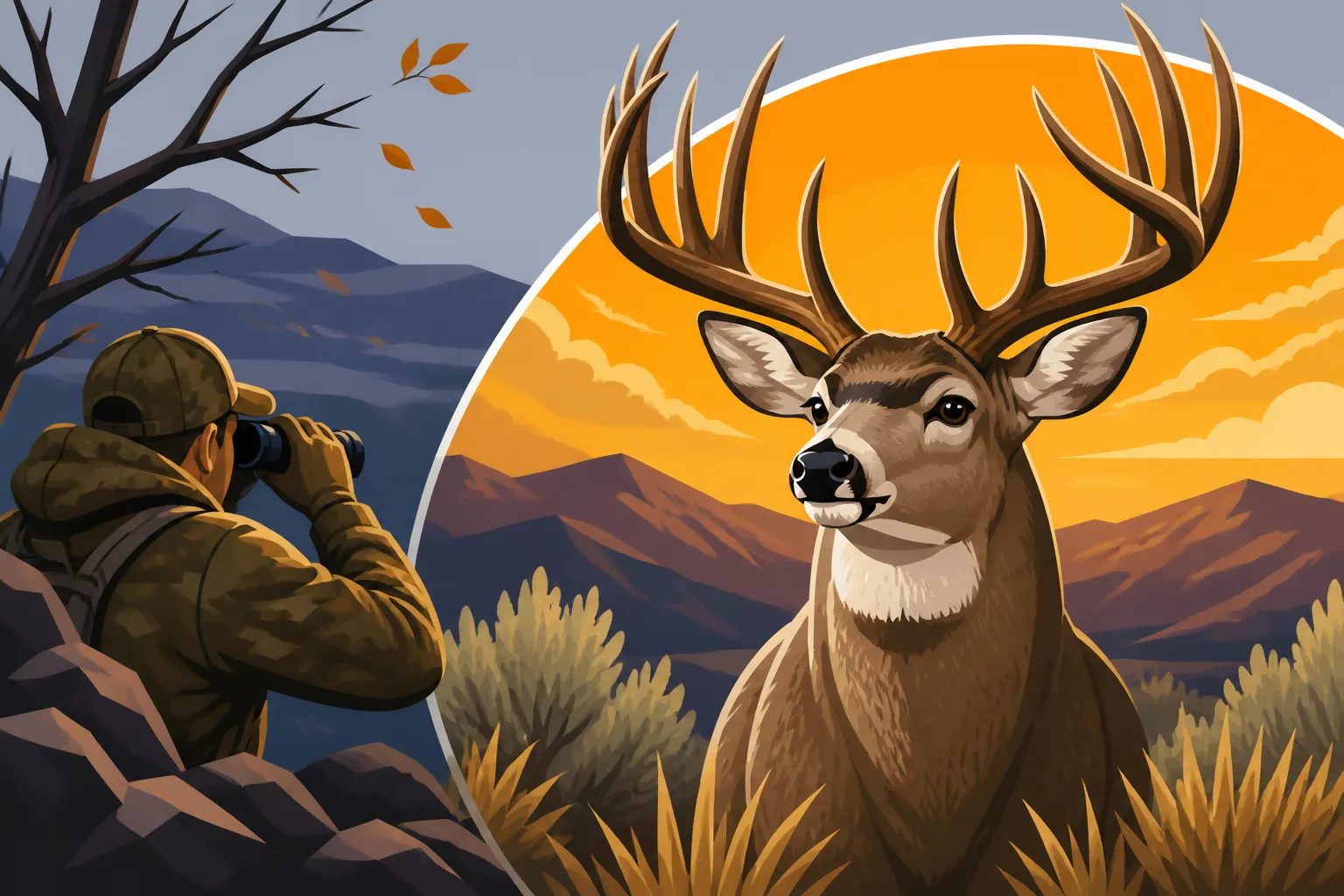
The most significant factor drawing out big bucks in the late season is undoubtedly the rut. This is the breeding season for mule deer, and it’s when bucks are at their most vulnerable. Driven by hormones, mature bucks throw caution to the wind, actively searching for does in heat. They're less concerned with hiding and more focused on perpetuating their lineage.
During the peak rut, often in mid-to-late November in many Nevada units, you’ll see dominant bucks challenging rivals, chasing does relentlessly, and generally being far more active during daylight hours. This isn't the stealthy, reclusive buck you might encounter in September. These bucks are expending massive amounts of energy, often losing significant body weight, and are focused on one thing: breeding. This intense activity makes them highly visible, especially in the more open, sagebrush-dominated country Nevada is famous for. When considering Late Rifle Deer Seasons in Nevada, understanding this biological imperative is key to your strategy.
Post-Rut Recovery and Energy Conservation
Immediately following the peak rut, typically heading into December, bucks enter a crucial post-rut recovery phase. They've burned through considerable fat reserves, fought off rivals, and haven't focused much on feeding. Their primary goal now becomes replenishing their energy stores for the harsh winter ahead. This means they'll be actively seeking out the best available forage, often concentrating in areas where food is most abundant and accessible.
While they might not be as recklessly exposed as during the rut, their need for calories still keeps them out and moving. They'll frequent south-facing slopes that receive more sun, melting snow and exposing more browse. This period can still be incredibly productive for hunters who understand where deer will naturally gravitate for survival. Identifying these feeding zones and bedding areas in close proximity becomes critical for successful post-rut hunting.
Winter Range Migration Patterns
As temperatures drop and snow begins to accumulate in the high country, mule deer initiate their migration from summer and rutting grounds down to lower elevation winter ranges. This is a survival mechanism, as deep snow makes foraging difficult and increases energy expenditure. These migration corridors, sometimes well-defined, funnel deer through predictable terrain.
Understanding these migration routes and wintering areas is paramount for late-season success. Bucks that spent all summer high in the remote mountain peaks will be pushed down into more accessible, often lower, sagebrush basins and juniper-dotted hills. This concentration of deer, particularly mature bucks, in specific wintering areas provides a unique opportunity. Scouting these routes, sometimes with the help of resources like GoHunt, and understanding where deer historically winter can give you a significant advantage. This movement also often concentrates deer in areas that are more accessible by vehicle, though still challenging to hunt.
The Impact of Weather on Buck Movement
Nevada's late season weather is a force to be reckoned with, and it plays a pivotal role in dictating mule deer movement. Far from being a deterrent, cold temperatures, snow, and storms can actually work to a hunter's advantage, provided you're prepared for the conditions.
Early Snowfall and Its Effect
Nothing changes a late-season hunt faster than an early snowfall. Even a few inches can dramatically alter deer behavior. Snowfall in the high country acts as a natural push, driving deer down to lower elevations where forage is still exposed. It's a double-edged sword: while it concentrates deer, it can also make access more challenging for hunters.
For bucks, moderate snow means they'll move more during daylight hours to feed, knowing that deeper snow is coming. They need to pack on calories while they can. Hunters who brave these initial snow events often find deer more exposed as they move through the landscape seeking easier forage. This is particularly true on south-facing slopes, where the sun melts snow first, revealing crucial browse plants. Being in the field when that first good snow hits can lead to incredible opportunities, as the deer are forced to abandon their secure high-country hiding spots.
Extreme Cold and Reduced Activity
Once extreme cold sets in, often after a significant snow event, mule deer activity can slow down. They become more efficient with their energy, sometimes bedding down for longer periods to conserve body heat. However, they still need to feed, and those feeding forays can be intense and concentrated.
During bitterly cold snaps, look for deer to feed heavily during the warmest parts of the day, typically late morning to mid-afternoon. They'll often bed on sunny, sheltered slopes, maximizing solar gain. This predictable pattern allows savvy hunters to set up ambush points or plan their stalks around these specific windows of activity. While it's tempting to stay warm in camp, understanding these micro-movements can pay off immensely. Remember, deer are trying to survive, and survival dictates where and when they move.
Storm Fronts and Pre-Storm Feeding
Weather fronts, especially those bringing significant snow or cold, create a distinct pattern of deer movement. Just before a major storm rolls in, deer will often go on an intense feeding binge. They instinctively know that tough conditions are coming and they need to fuel up. This pre-storm feeding can last for several hours or even a full day, making them highly visible.
Conversely, immediately after a big storm clears, once the worst of the weather has passed, deer will often emerge from cover to feed aggressively. The air might be crisp and cold, but the urgency to find food after being holed up drives them out. Tracking these weather patterns, perhaps through detailed forecasts available on platforms like GoHunt, and timing your hunt accordingly can put you right in the path of feeding bucks. Being prepared for the full spectrum of late-season weather, from mild days to whiteout conditions, is non-negotiable for success.
Strategic Advantages for Hunters in Late Season
Beyond deer behavior and weather, the late season offers several distinct tactical advantages for hunters willing to brave the colder conditions. These factors contribute significantly to why bigger bucks are often harvested when the calendar flips to November.
Reduced Pressure from Other Hunters
One of the most understated advantages of late-season hunting is the dramatic drop in hunter pressure. Many casual hunters, or those who prefer warmer weather, hang up their gear after the early general rifle seasons. This leaves vast tracts of public land, particularly the more remote areas, significantly quieter.
Less human disturbance means deer, especially mature bucks, feel more secure. They might feed for longer, be less skittish, and hold tighter in cover rather than fleeing at the first sign of human activity. For those willing to put in the effort, whether that's packing into a remote basin or simply hiking further from established roads, the decreased pressure can make a world of difference. You're no longer competing with hundreds of other hunters for the same prime spots, allowing for a more deliberate and often more successful hunt. This reduced competition is a huge factor, particularly in units with Late Rifle Deer Seasons in Nevada.
Visible Bucks in Sparse Winter Habitat
As deciduous trees shed their leaves and annual vegetation dies back, the landscape becomes much more open and sparse. While this might seem counterintuitive for finding deer, it actually makes glassing incredibly effective. Bucks that once vanished into dense summer cover now have fewer places to hide.
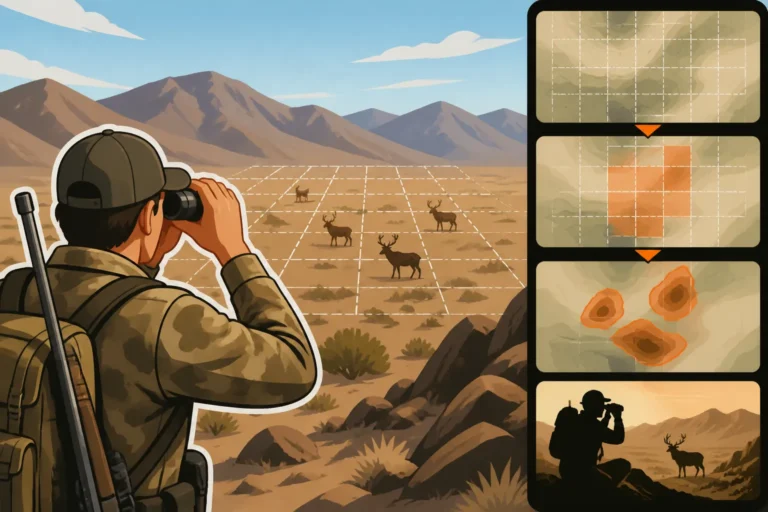
The barrenness of the winter landscape, combined with often snow-dusted ground, makes deer stand out. That large, dark body and impressive antlers are much easier to spot against a backdrop of tan sagebrush and white snow. This is where your optics truly shine. With the sun low in the sky, long shadows can hide things, but practiced glassing techniques, like those detailed in Glassing Nevada's Basin and Range for Mule Deer and The Grid Glassing Method, Step by Step, become even more powerful. You can cover vast amounts of country from a single vantage point, systematically picking apart slopes and draws, increasing your odds of spotting a bedded or moving buck. It's truly Why Nevada Deer Hunting Is a Glassing Game during these late seasons.
Concentration of Deer in Key Areas
As discussed, deer movements in late season are largely dictated by survival. This often means they concentrate in specific wintering areas, south-facing slopes, and pockets of accessible forage. Unlike the dispersed nature of deer in summer, late-season deer often group up.
Finding these concentrations is key. Once you locate a group of does, there's a good chance a rutting or post-rut buck won't be far away. These areas become hot spots, simplifying your search rather than needing to cover miles of empty country. This natural funneling of deer, combined with reduced hiding cover, dramatically improves a hunter's odds. However, this also means knowing which areas receive wintering deer, which often requires extensive e-scouting and understanding historical deer movements within a specific Reading a Nevada Hunt Unit Before You Apply.
Navigating Late Season Challenges
While the late season offers incredible opportunities for bigger bucks, it's not without its drawbacks. The conditions can be brutal, and being unprepared can quickly turn a dream hunt into a miserable, even dangerous, experience. Proper preparation is paramount.
Harsh Conditions and Gear Considerations
Nevada's late season can throw everything at you: biting winds, heavy snow, freezing rain, and bone-chilling temperatures. Your gear needs to be up to the task. Layering is not just a suggestion; it's a necessity. Moisture-wicking base layers, insulating mid-layers, and a waterproof, windproof outer shell are critical for staying warm and dry.
Consider insulated boots that are truly rated for sub-freezing temperatures, and bring multiple pairs of gloves or mittens. Hand and foot warmers can be a lifesaver. You’ll also want a reliable, cold-weather sleeping bag if you're camping, and a stove capable of melting snow for water. Don't skimp on quality; cheap gear will fail you when you need it most. This is also the time to ensure your rifle is sighted in properly for cold conditions, and you've practiced shooting with gloves on. Think about Choosing a Rifle for Basin and Range Country and how it performs in extreme cold.
Access Issues on Snow-Covered Roads
One of the biggest hurdles in late-season Nevada hunting is accessing your chosen unit. Many forest service roads and higher-elevation tracks become impassable with even moderate snowfall. Deep drifts, ice, and mud can easily strand a vehicle, often miles from any cell service.
A reliable 4×4 vehicle, equipped with good off-road tires and recovery gear like a shovel, traction boards, and a winch, is essential. Always carry extra fuel, food, water, and warm clothes in your vehicle, even for day trips. It's wise to carry chains and know how to put them on. Always check road conditions with local authorities or online forums before heading out. Don't be afraid to change your hunting plans if a road becomes too dangerous. Sometimes, the best strategy is to park lower and hoof it, even if it means a longer walk, as discussed in Preparing Physically for Long Glassing Days.
Physical Demands of Cold Weather Hunting
Hunting in freezing temperatures, often through snow, is physically demanding. Every step takes more energy, and staying warm requires your body to work harder. If you're planning a late-season hunt, physical conditioning is crucial.
Long hikes in deep snow, climbing steep, icy slopes, and the general exertion of hunting in heavy layers can quickly wear you down. Staying hydrated and well-fed throughout the day is equally important. Packing an animal out in these conditions is an even greater challenge, as detailed in Packing an Animal Out of Roadless Country. Ensure you're in good shape and accustomed to cold-weather exercise before you go. This isn't the time to push your limits if you're not physically ready, as fatigue can lead to poor decision-making or even hypothermia.
Unit Selection and E-Scouting for Late Season Bucks
Choosing the right unit and conducting thorough e-scouting are more critical for late-season success than at any other time of the year. Not all Nevada units are created equal when it comes to trophy potential and late-season access.
Identifying High-Quality Winter Range Units
Not every unit holds significant numbers of deer on their winter range, and even fewer hold big bucks. The key is to identify units that combine high-quality winter habitat with a healthy population of mature mule deer. Look for units with diverse terrain that offers both steep, escape cover and south-facing slopes with ample forage at lower elevations.
Often, units adjacent to higher mountain ranges will have excellent wintering populations as deer migrate down. Research past harvest reports, draw odds, and consult with local Nevada Department of Wildlife (NDOW) biologists if possible. These are the areas where deer are concentrated for survival, and consequently, where your chances of finding a trophy buck are highest. Resources like GoHunt can provide invaluable data and insights into unit characteristics, historical harvest success, and draw odds, helping you narrow down your choices to those with the best late-season potential.
Utilizing Topographical Maps for Funnels
E-scouting with topographical maps is invaluable for identifying natural funnels and travel corridors that deer will use during migration and daily movements on winter range. Look for saddles, narrow canyons, ridge lines, and benches that connect bedding areas to feeding grounds. Snow often highlights these routes, as deer will take the path of least resistance.
Pay close attention to changes in elevation, vegetation types, and aspect (which direction a slope faces). South-facing slopes that warm faster and melt snow first are gold. North-facing slopes often hold deeper snow but can provide critical thermal cover. Look for pinch points where deer are forced into a smaller area, increasing your chances of an encounter. These funnels are where a well-placed hunter, using the wind to their advantage (as in Reading Wind on a Long Sage Stalk) or Using a Rim to Break Your Silhouette for concealment, can find success.
Leveraging Platforms like GoHunt for Data Analysis
Modern hunting relies heavily on data and digital tools, and platforms like GoHunt are indispensable for serious Nevada hunters. GoHunt offers a wealth of information, from detailed draw odds and harvest statistics to unit profiles and migration overlays, all of which are crucial for planning a late-season hunt.
You can analyze specific unit data to see where mature buck harvest is historically highest during late seasons. Look for insights into typical snow depths, winter range locations, and even historical movement patterns that can inform your e-scouting. These tools allow you to virtually scout a unit from home, identifying potential hotspots, access points, and challenging terrain well before you ever set foot in the field. Combining this digital data with your own physical scouting and understanding of mule deer behavior significantly enhances your chances of success. It's about working smarter, not just harder, and making informed decisions about where and when to focus your efforts.
Comparing Early vs. Late Season Buck Hunting Factors
To truly understand why late seasons often yield bigger bucks, let's look at a direct comparison of key factors between early and late season hunting in Nevada.
| Feature / Factor | Early Season (August-September) | Late Season (November-December) |
|---|---|---|
| Buck Behavior | Dispersed, focused on summer range, nocturnal/crepuscular, less visible, often in bachelor groups. | Rut-driven, actively seeking does, less cautious, migrating to winter range. |
| Visibility of Bucks | High vegetative cover, bucks blend in, difficult to spot. | Sparse vegetation, snow often present, bucks stand out, easier to glass. |
| Hunter Pressure | High, especially during opening weeks. | Significantly lower, many hunters have tagged out or quit. |
| Weather Conditions | Warm to hot, sometimes mild. | Cold, often freezing, snow, wind; highly variable and challenging. |
| Access to Units | Generally good, most roads open. | Can be severely limited by snow and ice, requiring 4×4 and recovery gear. |
| Physical Demands | Heat management, long hikes in rough terrain. | Cold management, long hikes in snow/ice, arduous packing. |
| Deer Concentration | Widely dispersed across summer range. | Concentrated in wintering areas, migration corridors, and rutting grounds. |
| Trophy Potential | Possible, but requires more luck and intensive scouting for elusive bucks. | Higher probability due to rut activity and increased visibility of mature bucks. |
| Gear Requirements | Lightweight, breathable clothing, water, sun protection. | Heavy-duty layering, insulated boots, cold-weather camping gear, recovery equipment. |
This table clearly illustrates the shift in dynamics, highlighting the unique opportunities—and challenges—that make late-season hunts so compelling for those chasing a mature mule deer buck in Nevada.
Disclaimer
Hunting is a challenging and potentially dangerous activity. Always prioritize safety, adhere to all local, state, and federal hunting regulations, and ensure you have the necessary licenses and permits. The information provided in this guide is for informational purposes only and should not be considered a substitute for professional guidance, landowner permission, or a thorough understanding of current regulations and conditions. Always check the latest Nevada Department of Wildlife (NDOW) regulations before heading into the field.