How Spike Camp Arrangements Work
There's a special kind of freedom and challenge that comes with truly getting away from it all when you're hunting in Nevada. Many of us dream of chasing game in those far-off, untouched basins and ranges, but the sheer logistics of setting up a camp miles from the nearest road can feel overwhelming. This guide is all about cutting through that complexity, explaining how spike camp arrangements work and how you can make that deep backcountry hunt a reality, opening up vast tracts of public land for a truly unique experience.
Understanding the Essence of a Spike Camp
When you hear "spike camp," it conjures images of rugged self-sufficiency, and that's precisely what it is. It's a fundamental shift from the typical base camp setup, offering a different approach to accessing Nevada's often-remote hunting grounds.
Defining "Spike Camp" in the Nevada Backcountry
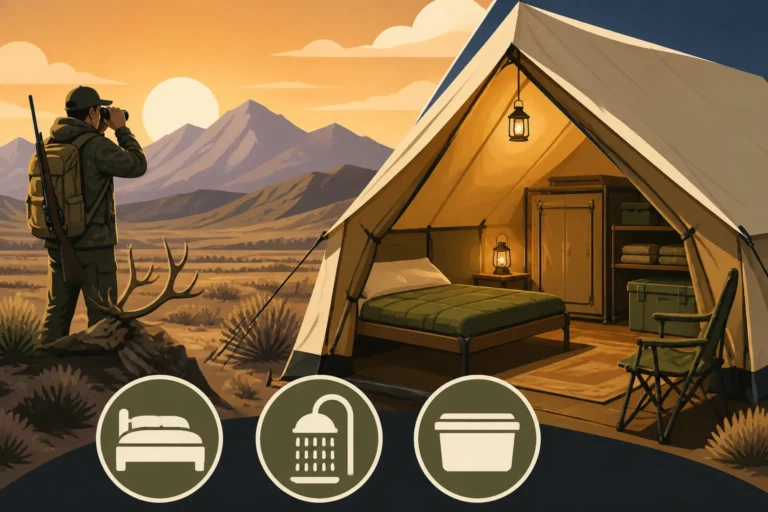
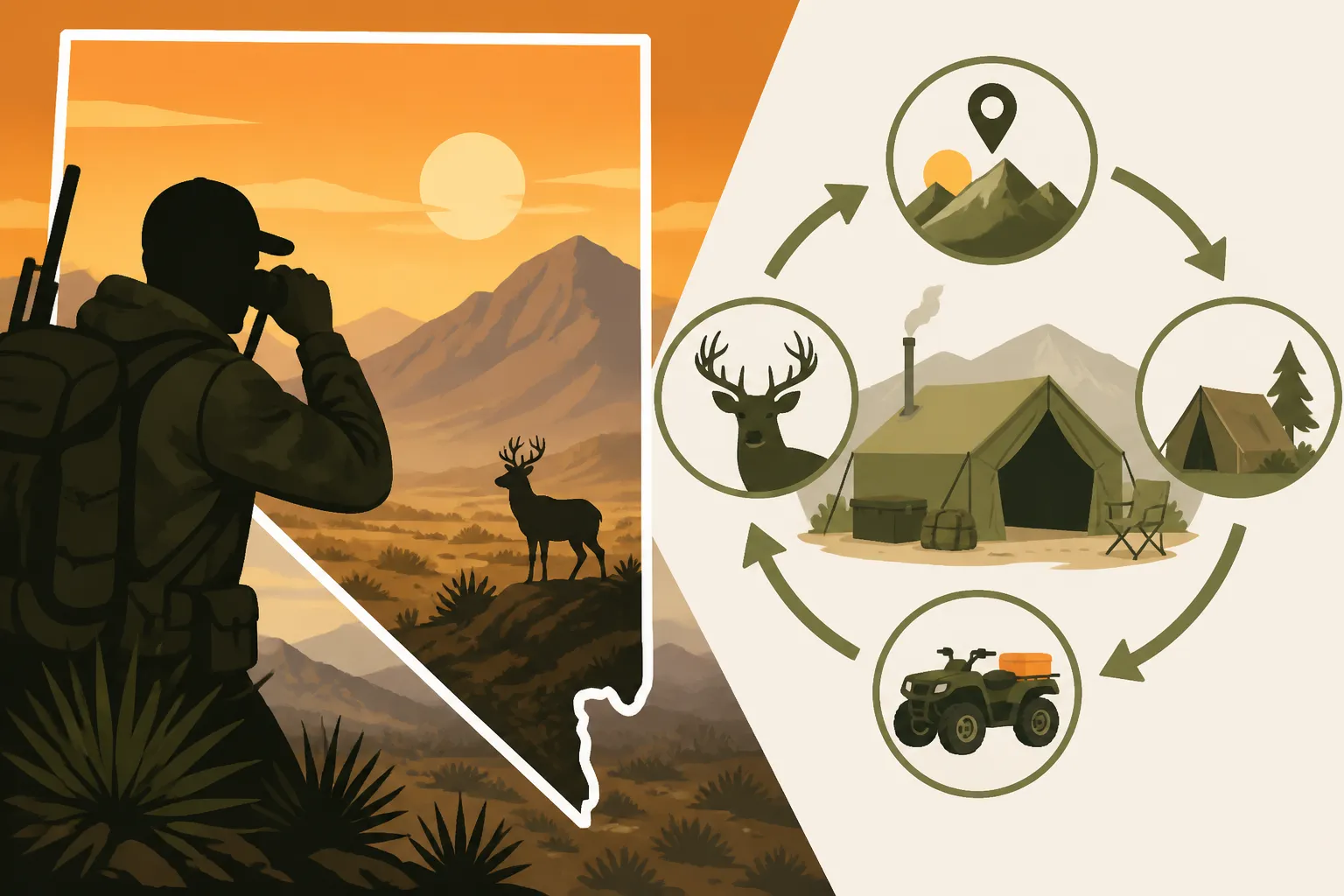
Think of a spike camp not just as a location, but as a philosophy: highly mobile, minimalist, and deeply integrated into your hunting strategy. Unlike a traditional base camp, which might be accessible by truck and offer amenities like larger tents, coolers, and more creature comforts, a spike camp is designed to be packed in, often on your back or with the aid of pack animals, to a location deep within the hunting unit. It's a temporary, small-footprint camp, typically comprising just the bare essentials for survival and hunting success: a lightweight shelter, a sleeping system, and enough food and water (or water purification) for a few days. The goal is to get you as close as possible to where the animals are living, feeding, and bedding, minimizing the daily travel time and maximizing your time actually hunting. In Nevada's sprawling, often roadless terrain, this strategy can be a game-changer for reaching unpressured game.
Why Hunters Opt for Spike Camps in Nevada
The primary draw of a spike camp in a place like Nevada is access. Most of Nevada's public lands, particularly the vast tracts managed by the BLM and within the National Forests, offer incredible opportunities for those willing to venture beyond easy road access. How Many Acres of BLM Land Nevada Has is staggering, but much of it is remote. Animals in these areas tend to be less disturbed by human activity, often exhibiting more natural patterns of behavior. By establishing a spike camp, you're not just finding a place to sleep; you're strategically placing yourself within the heart of the hunting grounds.
Imagine spending your dawn hours glassing a distant ridge, then, instead of trekking all the way back to a distant truck camp, you simply hike a mile or two to your hidden spike camp. You can refuel, rest, and be ready to move again for the evening hunt, or even stay out longer, pursuing a lead you just spotted. This proximity means less time hiking to the hunt and more time in the hunt. It also allows for greater flexibility. If the game moves, or your scouting reveals a better area, packing up a spike camp and relocating is far less of an ordeal than moving an entire base camp. For those chasing elusive mule deer in high-elevation pockets or trying to get ahead of a bull elk in the timbered mountains, a spike camp is often the only way to effectively hunt these remote, wild spaces. It's about self-reliance, immersion, and a deeper connection to the wild landscape you're hunting.
The Logistics of Establishing a Spike Camp
Setting up a spike camp isn't just about throwing some gear in a pack; it's a careful orchestration of scouting, smart packing, and resource management. Especially in Nevada, where conditions can be extreme, every decision you make before you even leave the truck is critical.
Scouting and Location Selection
The success of your spike camp hunt hinges almost entirely on where you decide to set up. You can't just hike in randomly and expect to be in the honey hole. This process starts long before your boots hit the trail. Begin with extensive e-scouting from home. Tools like the public land layers offered by GoHunt can be invaluable for identifying potential camp locations, water sources, and game corridors. Look for areas that are difficult to access by vehicle, far from established trails, and offer good vantage points for glassing. Consider terrain features that provide natural cover, both for your camp and for concealing your approach to potential hunting areas.
Once you have some promising spots identified on a map, if possible, conduct some physical scouting trips, even outside of hunting season. Walk the terrain, confirm water sources, and look for game sign. A good spike camp location offers a balance: it needs to be close enough to your hunting grounds to be effective, but far enough from major travel routes to avoid detection and maintain solitude. Think about how the wind typically blows in the area, ensuring your camp doesn't broadcast your presence to animals downwind. Also, consider the specific regulations of the public land you're on, such as Dispersed Camping Limits on BLM Land. Remember, you're looking for a spot that's not just a flat piece of ground, but a strategic launching point for your hunt. Understanding Reading a Nevada Hunt Unit Before You Apply and then using those details with E-Scouting a Nevada Unit Before the Season will be critical.
Packing Smart: Weight and Efficiency
Every single ounce you carry into a spike camp will be felt, especially when you're hiking into a remote Nevada canyon or up a steep mountainside. This isn't the time for "just in case" items unless they are truly safety essentials. The mantra here is "lightweight and multi-functional." Your backpack should be capable of handling significant weight, especially if you anticipate packing out meat. Start by making a detailed gear list and then ruthlessly evaluate each item. Can it serve more than one purpose? Can you get a lighter version?
For example, your sleeping bag should be appropriate for the coldest temperatures you expect, but not overly warm and bulky for the daytime highs. Food should be calorie-dense and require minimal preparation, reducing the need for heavy cooking equipment. Think about dried meals, energy bars, and high-fat snacks. Your shelter should be lightweight and robust enough to withstand potential Nevada winds and weather fluctuations. If you're going in with pack animals, you'll have more leeway, but if it's all on your back, precise packing is paramount. This includes thinking about how to efficiently retrieve game, as Packing an Animal Out of Roadless Country can be the toughest part of a successful hunt.
Water Management in Arid Nevada
Water is often the single most critical factor for any backcountry excursion in Nevada. The Great Basin is, by definition, an arid environment, and reliable water sources can be few and far between. You cannot afford to underestimate your water needs. A general rule of thumb is at least one gallon per person per day for drinking and cooking, and potentially more if temperatures are high or exertion levels are extreme.
Your water strategy might involve a few approaches:
- Hauling: Carrying all the water you need, especially for shorter trips or when no reliable sources exist. This adds significant weight, so plan accordingly.
- Filtration/Purification: Investing in a high-quality water filter or purification tablets/drops is non-negotiable if you plan to utilize natural water sources. Always treat natural water, even if it looks clean.
- Caching: In some accessible areas, you might be able to cache water ahead of time, provided it's legal and you can do so discreetly and safely.
- Finding Guzzlers: Nevada has numerous wildlife guzzlers, man-made water sources designed for game, which can be lifesavers. Be aware of regulations around hunting near them and always plan alternative sources. Hunting Water in Nevada's Driest Country details these options.
Before your trip, identify all potential water sources on your map and verify their reliability if possible. Topographic maps and satellite imagery (like those on GoHunt) are excellent for this. But nothing beats firsthand knowledge if you can scout it. Always have a backup plan, and consider carrying a small emergency supply of water purification tablets in addition to your primary filter. Knowing Mapping Water Before an August Hunt will save you significant discomfort and potentially dangerous situations.
Essential Gear for Your Nevada Spike Camp
Your gear list for a spike camp will be pared down, but every item needs to earn its place in your pack. Reliability and functionality are key, because a failure in the backcountry isn't just an inconvenience—it can be a safety issue.
Shelter and Sleep Systems
When you're miles from the truck, your shelter isn't just about comfort; it's about protection from the elements. Nevada weather can swing wildly, from scorching hot days to freezing nights, often within the same 24-hour period.
- Shelter: A lightweight, three-season tent is a popular choice, offering bug protection and robust weather resistance. Many hunters also opt for floorless shelters like tarp tents or even a simple bivy sack, especially when weight is the absolute priority. These options offer excellent weight savings but may provide less protection from insects or blowing dust. Consider models designed for backpacking, focusing on quick setup and breakdown.
- Sleeping Bag: Match your sleeping bag's temperature rating to the lowest overnight temperatures you anticipate, adding a buffer for safety. Down-filled bags offer the best warmth-to-weight ratio, but synthetic options perform better if they get wet.
- Sleeping Pad: Don't skimp here! A good insulated sleeping pad isn't just about comfort; it's crucial for insulating you from the cold ground, preventing heat loss. Inflatable pads offer superior comfort and warmth but can be susceptible to punctures, so a repair kit is a must. Closed-cell foam pads are bombproof but bulkier.
Food and Cooking in the Backcountry
Your body is your engine in a spike camp, and it needs high-octane fuel. Food needs to be lightweight, easy to prepare, and provide sustained energy.
- Calorie-Dense Options: Dehydrated or freeze-dried meals are common staples. Supplement these with high-calorie snacks like nuts, dried fruit, jerky, cheese, and chocolate. Focus on complex carbohydrates, healthy fats, and protein. Avoid anything that requires refrigeration or elaborate cooking.
- Minimalist Cooking Setup: A small, lightweight backpacking stove (like a canister stove or a compact liquid fuel stove) with a single pot is usually sufficient. Bring just enough fuel for your planned meals and hot drinks. Don't forget a spork or long-handled spoon and a small cleaning sponge.
- Storage and Waste: Bear bags or bear canisters might be necessary in some areas, or simply secure all scented items away from your sleeping area. Pack out everything you pack in, including all food wrappers and scraps. Leave no trace.
Navigation, Communication, and Safety
These categories are non-negotiable. Being self-sufficient means being prepared for anything.
- Navigation: A reliable GPS device (like a Garmin or smartphone with mapping apps like GoHunt) loaded with your unit boundaries, camp locations, water sources, and potential game areas is critical. Always carry a physical map and compass as a backup, and know how to use them. Mark your camp location immediately upon arrival.
- Communication: Cell service in much of Nevada's backcountry is nonexistent. A satellite messenger or personal locator beacon (PLB) is strongly recommended for emergency communication. Devices like the Garmin InReach or Spot X allow you to send texts and SOS signals, providing a vital link to the outside world. This is paramount for your safety, as detailed in Satellite Messenger Use in Remote Country.
- First Aid and Emergency Supplies: A comprehensive first aid kit tailored for wilderness injuries is essential. Include items for blisters, cuts, sprains, pain relief, and any personal medications. Beyond that, carry fire-starting materials (multiple redundancies), a headlamp with extra batteries, an emergency blanket, a whistle, and a signaling mirror. Think through scenarios: what if you get lost, injured, or unexpectedly stuck overnight?
Here's a quick comparison of base camp versus spike camp characteristics:
| Feature | Base Camp (Truck-Accessible) | Spike Camp (Backcountry) |
|---|---|---|
| Location | Near roads, established campgrounds, trailheads | Miles from roads, deep in hunting grounds |
| Access | Vehicle, short walk | Backpacking, horseback, multi-day hike |
| Size/Weight | Larger tents, coolers, more gear, less concern | Minimalist, lightweight, every ounce counts |
| Comfort | More amenities, space, fresh food | Basic necessities, functional, less luxury |
| Duration | Often longer trips, fixed setup | Shorter durations (2-5 days), mobile, adaptable |
| Hunting Style | Day trips from camp, more travel time to hunting | Hunt from camp, maximize time in core hunting area |
| Resources | Easier resupply, more water storage | Self-contained, rely on filters/carried water, limited |
| Effort | Less physical exertion for camp setup/travel | High physical exertion for packing in/out, hunting |
| Animal Pressure | Potentially higher pressure due to accessibility | Typically lower pressure, undisturbed game |
The Realities of Spike Camp Hunting: Pros and Cons
Choosing to hunt from a spike camp is a commitment. It offers unparalleled rewards but also presents significant challenges that every hunter needs to realistically consider.
Advantages of Going Deep
The allure of the spike camp is undeniable, especially for those seeking a true wilderness experience and an edge in the field.
- Access to Unpressured Animals: This is arguably the biggest benefit. By pushing further into the backcountry, you're getting away from the majority of other hunters. Game animals here are often less skittish, more predictable, and haven't been pushed around as much. This can significantly increase your chances of finding mature bucks and bulls. You might see more natural behavior, like deer feeding longer into the morning or elk holding tight in less dense cover.
- Maximizing Hunting Time: Think about it: if your truck is an hour or two hike from your best glassing ridge, that's two to four hours a day spent walking to and from your hunting grounds. With a spike camp, you might be minutes from your prime spot. This means you can be out before first light, stay until legal shooting hours end, and spend those crucial golden hours actively hunting rather than hiking. This immersion allows you to truly learn an area, observe patterns, and react quickly to opportunities.
- Immersive Wilderness Experience: Beyond the hunt itself, a spike camp offers an incredibly profound connection to the wild. Waking up to the sunrise over a remote Nevada basin, hearing coyotes howl under a sky full of stars, and feeling completely self-sufficient in a vast landscape is an experience that transcends merely harvesting an animal. It’s challenging, yes, but deeply rewarding, fostering resilience and a profound appreciation for nature. For those who feel the draw of true solitude, it’s an unmatched feeling.
Challenges and Disadvantages
While the rewards are great, spike camp hunting is not for everyone. It demands a particular mindset and level of preparation.
- Physical Demands: Let's not sugarcoat it: spike camp hunting is physically grueling. You're carrying a heavy pack over rough terrain, often at elevation, for multiple days. This isn't a casual stroll. You need to be in excellent physical condition, capable of hiking long distances with weight, often uphill. Preparing Physically for Long Glassing Days is just the start; you also need to be ready to pack out a significant amount of meat if you're successful. The "fun" often stops when you're 5 miles deep with a pack full of elk quarters.
- Weather Exposure and Risk: In a spike camp, you're much more exposed to the elements. Nevada's weather can be unpredictable and harsh. Sudden thunderstorms, freezing winds, or unexpected heat waves can turn a great hunt into a survival situation if you're not prepared. Your lightweight gear, while efficient, offers less protection than a robust base camp. You also carry a higher degree of risk from injury or illness, as help is much further away. Layering for Basin and Range Temperature Swings is a critical skill, but even with the best clothing, unexpected storms can dump snow in October.
- Dealing with a Successful Harvest: This is the ultimate "good problem to have" but it's a huge logistical hurdle. If you're lucky enough to harvest an animal deep in the backcountry, you now have the monumental task of butchering, cooling, and packing out hundreds of pounds of meat. This often involves multiple trips, sometimes under the cover of darkness, and can take a day or more. Keeping meat cool in warmer temperatures can also be a challenge, requiring careful planning around Field Dressing in August Heat or Getting Meat Cooled on an Early Season Hunt. Many hunters find that this is where a spike camp's remoteness truly tests their limits. Some choose to mitigate this risk by booking a drop camp with an outfitter, where they provide the packing service in and out, but you handle the hunting yourself. You can find options like this on platforms like BookYourHunt.
- Limited Amenities and Comforts: You're trading comfort for access. There are no hot showers, no fresh food after a couple of days, and limited space. Mentally, you need to be prepared for this austerity. For some, this minimalist lifestyle is part of the appeal, but for others, it can be a significant grind. It's not a trip for those who crave luxury.
Spike camping in Nevada is an adventure that offers incredible rewards for those willing to embrace its unique challenges. It’s a method that truly embodies the spirit of self-reliant hunting in the wild, open spaces of the West.
Disclaimer
This article is for general informational purposes only and does not constitute professional advice. Laws, prices and regulations vary by location and change over time. Consult a qualified professional for guidance on your specific situation.