What Chukar Guides Actually Provide
The thought of chasing chukar in Nevada often conjures images of endless, steep climbs, lung-burning ascents, and birds that seem to materialize from thin air only to rocket down a canyon. It's an incredibly rewarding pursuit, but it's also famously brutal and intimidating for many. This guide is here to shed light on exactly what a professional chukar guide provides, breaking down the tangible benefits and invaluable support they offer to transform a potentially frustrating endeavor into a more successful and enjoyable hunting experience.
The Unique Challenge of Chukar Hunting in Nevada
Chukar hunting in Nevada isn't like walking through a cornfield for pheasants or sneaking through timber for grouse. It's an altogether different beast, requiring a specific kind of preparation, knowledge, and grit. Many hunters underestimate just how demanding it can be until they've spent a few hours clambering up and down the basalt-laced mountainsides. The frustration often comes from expending immense effort for minimal reward, leading many to give up on this fantastic game bird.
Understanding Chukar Habitat and Behavior
Chukar partridge thrive in Nevada's most unforgiving terrain: steep, rocky, arid mountainsides often covered in cheatgrass, sagebrush, and sparse juniper. These birds are native to the Middle East and Asia, and they've adapted perfectly to the Great Basin's harsh conditions. They are incredibly wary, have phenomenal eyesight, and prefer to run uphill rather than fly, saving their wings for an explosive downhill escape once cornered. This behavior means you can often walk past birds if you're not paying close attention or if they've spotted you first. Their camouflage against the volcanic rock and dry grasses is uncanny, making them incredibly difficult to spot until they burst into flight, often at a range that makes a shot challenging. Their preferred habitat also tends to be far from roads and often involves navigating crumbling scree slopes and sharp, unforgiving rocks, adding to the physical toll. You might want to read more about Where to Find Chukar in Nevada to get a sense of the terrain.
The "Chukar Hunter's Legs" Phenomenon
There's a reason seasoned upland hunters often talk about needing "chukar legs" or "sheep shape" to pursue these birds. The constant uphill climbs, often at high altitudes, combined with navigating treacherous footing, is a relentless workout. Many hunters, even those in good physical condition, find themselves quickly gassed and questioning their life choices after just a few hours. Carrying a shotgun, water, and gear up these grades amplifies the effort. Then there's the descent, which can be just as demanding on the knees and ankles, requiring careful footing to avoid slips and falls. This is a significant part of Why Chukar Hunting Is So Physically Hard. Without proper conditioning and an understanding of how to pace yourself, a chukar hunt can quickly become an exercise in misery rather than a thrilling pursuit.
The Value Proposition of a Nevada Chukar Guide
So, why hire a guide for chukar? It boils down to bridging the gap between the bird's extreme environment and your desire for a successful, safe, and enjoyable hunt. A good chukar guide offers a package of expertise and resources that are incredibly difficult, if not impossible, for the average hunter to replicate on their own, especially if they're not local to the area.
Access to Productive Private and Public Land
One of the guide's most significant assets is their intimate knowledge of the landscape and, often, access to land that might be otherwise unavailable or unknown to the public. While Nevada boasts vast expanses of public land perfect for chukar, identifying the right spots – those currently holding birds and offering reasonable access – is a challenge. Guides spend countless hours scouting and have developed relationships with landowners, potentially granting access to private ranches that hold prime chukar habitat. Even on public lands, they know the specific drainages, benches, and watering points where birds consistently congregate, saving you days of fruitless searching. They understand how factors like recent rainfall or hunting pressure shift bird locations, guiding you directly to the most promising areas.
Experienced Dogs and Handlers
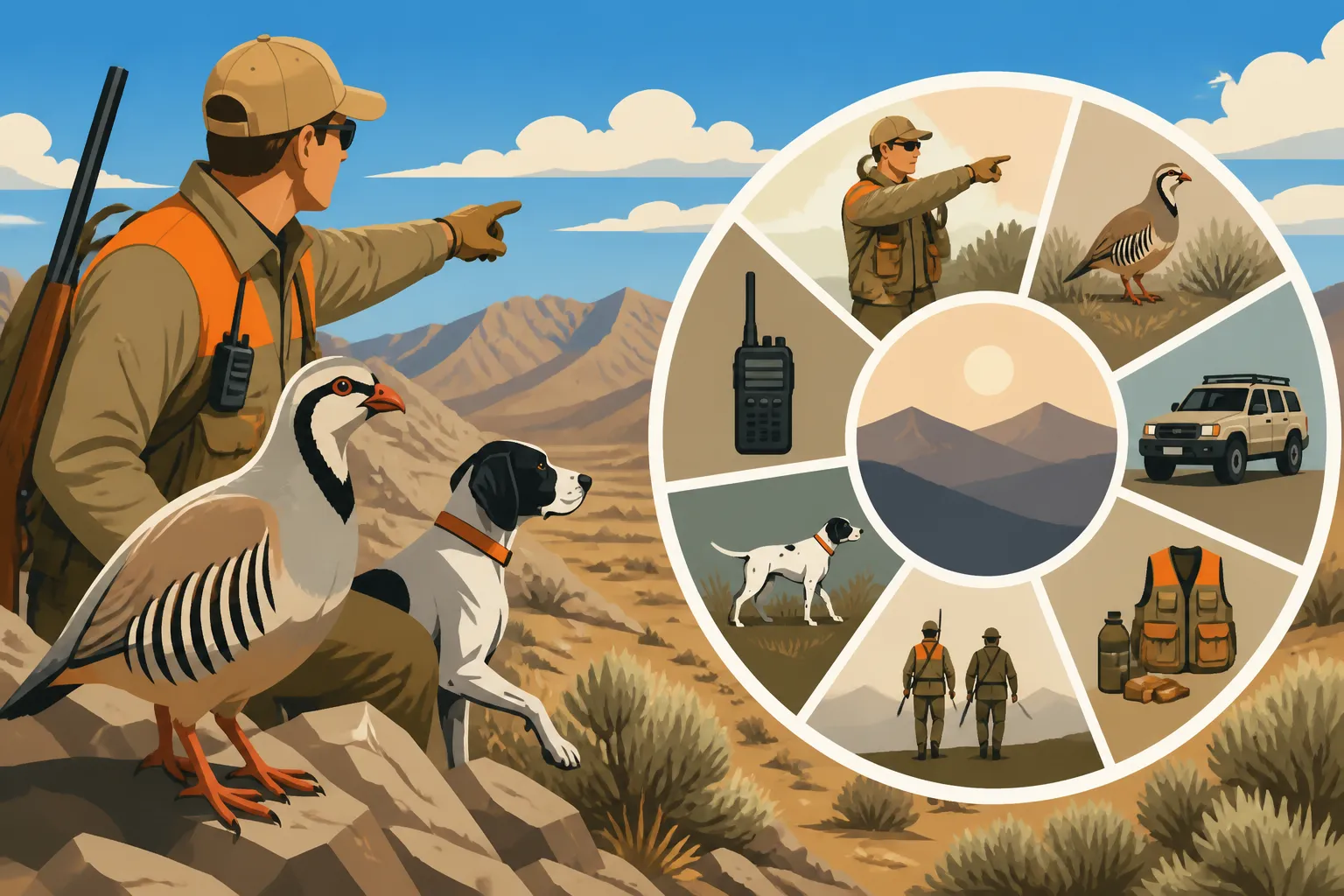
This is arguably the single most crucial component a chukar guide brings to the table. Chukar are running birds, and finding them in their vast, rugged habitat without a skilled bird dog is incredibly difficult. Even when you flush a covey, getting follow-up shots on singles or locating downed birds in dense cheatgrass and steep rock is a Herculean task for a human alone. A guide's well-trained dogs, typically pointing breeds like German Shorthaired Pointers, Brittanys, or English Pointers, are specifically bred and conditioned for this demanding work. These dogs can cover ground efficiently, scent birds from a distance, hold them on point, and most importantly, retrieve birds from steep, rocky, or brushy terrain where a hunter would struggle. The handler’s ability to "read" their dogs, understand their body language, and direct them effectively is an art form that directly translates to more birds in your vest. You'll truly appreciate Hunting Chukar Behind a Guide's Dogs when you see a seasoned pointer lock up on a covey you never would have seen.
Local Knowledge and Reading the Terrain
Nevada's chukar country is a complex mosaic of micro-habitats. What might look like promising terrain on a map can be barren, while a seemingly insignificant bench could hold a hundred birds. Guides live and breathe this landscape. They understand How Rainfall Drives Chukar Numbers, knowing that a wet spring can lead to a boom in certain areas, while a dry year might concentrate birds around reliable water sources. They know how temperature fluctuations affect bird movement, when chukar are likely to be sunning themselves on specific slopes, or when they might be found near escape cover. This local knowledge extends to reading the wind, understanding thermal currents that affect bird scenting, and navigating the often-treacherous terrain safely and efficiently. They can interpret faint tracks, droppings, and dust baths, providing clues that are invisible to the untrained eye. For hunters trying to e-scout their own units, resources like GoHunt offer valuable mapping and data, but it's a guide's boots-on-the-ground experience that confirms where the birds actually are and how to approach them.
What a Typical Chukar Guided Hunt Entails
A guided chukar hunt is far more than just someone showing you where to walk. It’s a comprehensive service designed to optimize your chances of success, ensure your safety, and provide a memorable experience without the overwhelming logistical burden.
Planning and Logistics
From the moment you book, a reputable guide will begin helping you prepare. They’ll provide a detailed gear list, explaining exactly what clothing, footwear, and equipment you'll need to withstand the conditions and terrain. This often includes advice on hydration packs, sturdy boots suitable for volcanic rock, and appropriate layering for the desert's notorious temperature swings. They’ll coordinate meeting times and locations, often near the hunting grounds to maximize time in the field. They handle the vehicle logistics, typically using a robust 4×4 capable of navigating rough two-track roads, getting you closer to the action and saving your vehicle the abuse. The daily routine is usually well-planned: an early start, strategic scouting drives, multiple climbs and traverses, rest breaks, and continuous dog work. Many hunters find guides through services like BookYourHunt, which allows them to compare different outfitters' offerings and availability, helping to streamline the booking process and understanding What a Guided Chukar Day Costs might involve.
The Physical Demands and Support
While a guide won't carry you up the mountain, they are experts at managing the physical demands of the hunt. They know how to pace the climbs, finding the most efficient (though still challenging) routes, and identifying natural rest spots. They are often equipped with extra water, snacks, and even basic first aid, crucial in remote country. If you manage to bag a bird, they'll often assist with retrieving it from difficult spots. For hunters who may have concerns about their physical conditioning, communicating openly with a guide beforehand allows them to tailor the hunt to your abilities, perhaps focusing on areas with slightly less extreme vertical gain or planning for more frequent breaks. Their presence alone can be incredibly motivating, pushing you to conquer those intimidating slopes alongside them and their dogs.
Safety and Emergency Preparedness
Chukar country is beautiful but unforgiving. Steep terrain, loose rock, rattlesnakes, unexpected weather changes, and the sheer remoteness all present safety hazards. A professional guide is not only acutely aware of these risks but is also prepared to mitigate them. They carry extensive first-aid kits, often have satellite communication devices for areas without cell service, and are trained in emergency procedures. They know the unit boundaries, vehicle access points, and nearest medical facilities. Their experience means they can spot potential hazards before they become problems, whether it's unstable footing, a venomous snake, or an approaching storm. This peace of mind allows you to focus more on the hunt itself and less on the "what ifs" of being miles from anywhere.
Beyond the Birds: Ancillary Services and Benefits
A guided hunt isn't solely about pulling the trigger; it's about the entire experience, the learning, and the invaluable support that often extends beyond the field.
Field Dressing and Game Care
After the shot, the work isn't over. Chukar are small birds, and proper field dressing is important, especially on warmer days, to ensure the meat is handled correctly. Guides often provide assistance or guidance on breasting out birds, packing them in game bags, and ensuring they are cooled quickly to preserve their quality. They understand the local regulations regarding evidence of sex or tagging if applicable, ensuring you remain compliant. This attention to detail means you bring home delicious, properly cared-for game meat, rather than worrying about spoilage after a hard day in the sun.
Learning and Skill Development
For new chukar hunters, or those looking to improve their skills, a guide is an unparalleled teacher. You'll learn how to read the terrain, anticipate bird flushes, understand dog behavior, and make strategic approaches. A guide can offer advice on shooting techniques specific to fast-flying chukar in challenging environments. They'll explain why they chose a particular route, how they interpret bird sign, and the nuances of calling to their dogs. It's a hands-on masterclass that accelerates your learning curve far beyond what you could achieve through trial and error alone. This kind of mentorship can be incredibly valuable, not just for chukar, but for all your future upland hunting adventures.
Making the Most of Limited Time
For hunters traveling from out of state, or those with limited vacation days, maximizing efficiency is paramount. You don't have weeks to scout and learn a unit. A guide eliminates much of the guesswork and wasted time, putting you directly into productive areas. This is particularly relevant when considering the vastness of Nevada's landscape. Instead of spending precious days driving dirt roads and hiking empty hillsides, a guide ensures your time in the field is focused on finding and pursuing birds. This efficiency makes the investment in a guide even more worthwhile for those with tight schedules, ensuring you get the most out of your Nevada hunting trip.
Below is a table summarizing some key differences and considerations between pursuing chukar on your own versus with a professional guide.
| Feature | DIY Chukar Hunt | Guided Chukar Hunt |
|---|---|---|
| Experience Level | High physical conditioning, strong navigation skills, dog handling experience highly recommended. | Suitable for all experience levels; guide adapts to client's ability. |
| Local Knowledge | Requires extensive pre-scouting, map study, and trial-and-error. | Guide provides immediate, up-to-date knowledge of bird locations, habitat, and patterns. |
| Dogs | Must provide and manage your own trained bird dogs. | Guide provides well-trained, conditioned dogs and expert handling. |
| Access | Limited to public lands unless private permission is secured. | Potential for access to productive private land, optimized public land routes. |
| Logistics | Responsible for all vehicle maintenance, navigation, hydration, first aid, and game care. | Guide handles vehicle, navigation, safety equipment, and assists with game care. |
| Physical Demands | Entirely self-paced; risk of overexertion if inexperienced. | Guide helps manage pace, chooses efficient routes, and offers support. |
| Time Investment | Significant time needed for planning, scouting, and execution. | Maximizes efficiency; focuses effort on productive areas. |
| Cost | Equipment, travel, licenses, fuel, food. | Equipment, travel, licenses, guide fees, tips, food. |
| Safety | Sole responsibility for all emergency preparedness in remote areas. | Guide equipped with first aid, communication devices, and emergency plans. |
Ultimately, whether you choose a guided hunt or a DIY adventure depends on your experience level, budget, and how you prefer to challenge yourself in the field. But for those looking to conquer Nevada's chukar country with a higher probability of success and a greater degree of safety and comfort, a professional chukar guide truly is an invaluable asset.
Disclaimer
This article is for general informational purposes only and does not constitute professional advice. Laws, prices and regulations vary by location and change over time. Consult a qualified professional for guidance on your specific situation.