Cow Calling Bulls in Thin Timber
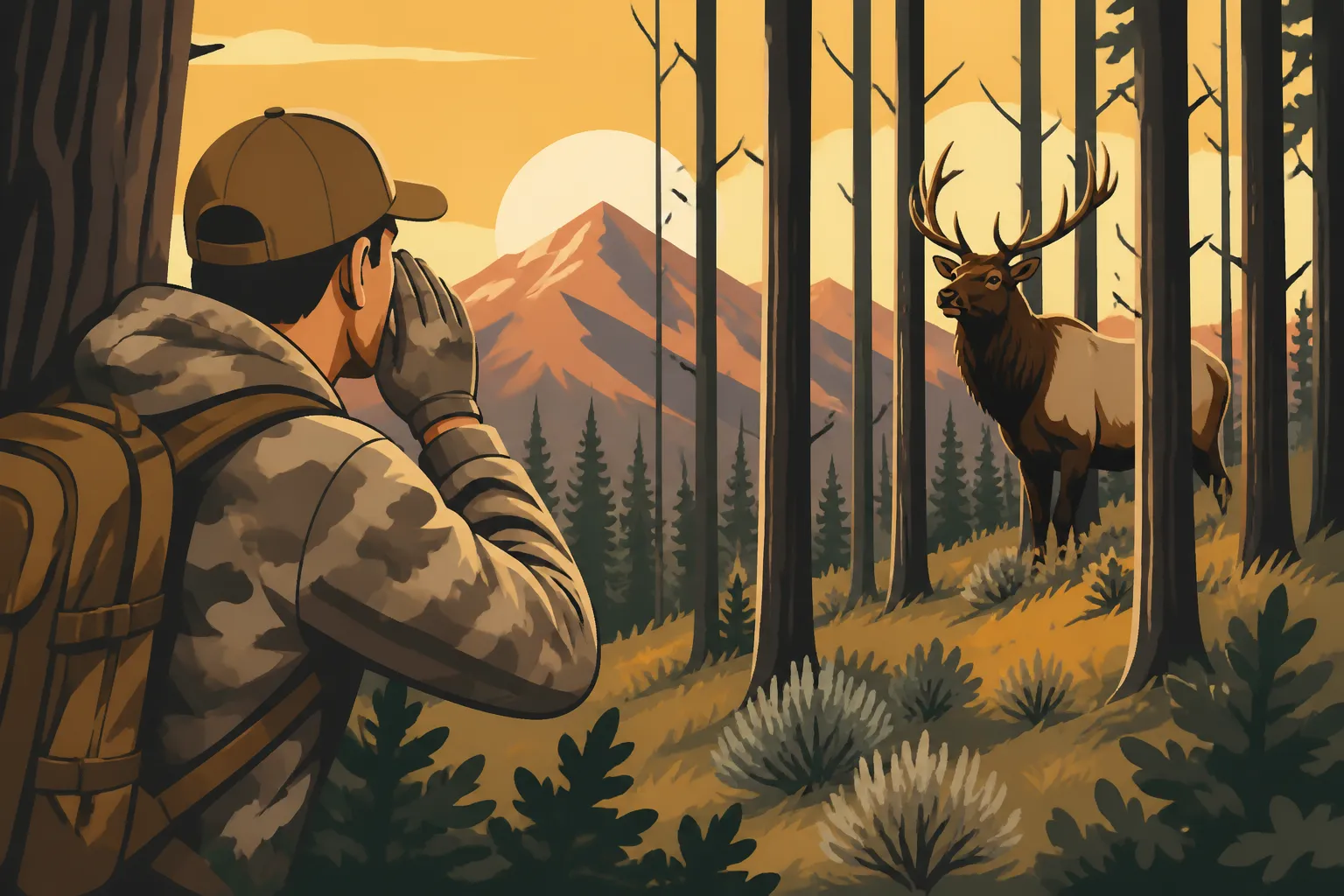
There's nothing quite as deflating as being deep in Nevada's elk country, hearing nothing but the wind, especially when you know there are bulls around. When those big, timber-dwelling elk refuse to roar back with a classic bugle, it can feel like you're hunting ghosts. But don't despair – learning to effectively cow call in thin timber is a game-changer, transforming frustrating silences into thrilling close encounters. This guide will walk you through the nuances of using cow calls to lure tight-lipped bulls out of their hidden sanctuaries.
The Unique Challenges of Thin Timber Elk Hunting
Hunting elk in Nevada's thin timber presents a completely different set of problems than chasing them across vast, open sagebrush flats. It's a world of limited visibility, quick reactions, and intimate encounters, where patience and precision trump long-range glassing.
Why Thin Timber Differs from Open Country
When you're out in the wide-open spaces of Nevada's high desert, you might spot an elk herd a mile away, giving you ample time to plan a complex stalk. But in thin timber, those long sightlines vanish. The trees, even if sparse, break up your view and create pockets of shade and cover where elk can disappear in a blink. This means your hunting strategy needs a radical shift. Instead of spotting and stalking from afar, you're often working through terrain that forces close quarters. You're relying more on sound, smell, and subtle signs than visual confirmation. The element of surprise is fleeting; an elk might be 50 yards away and you still can't see it until it moves. This also puts an enormous emphasis on scent control and quiet movement, as elk in timber often feel safer and are less tolerant of perceived threats. It's a game of inches, where every step and every gust of wind matters.
When Bulls Go Quiet: Post-Bugle and Mid-Day Lulls
Every elk hunter dreams of that heart-pounding bugle duel during the peak of the rut. But what happens when the screaming stops? Or when you're hunting outside that narrow window, perhaps in a late rifle season, when bugles are few and far between? This is where many hunters get frustrated. They expect the woods to be alive with calls, but instead, they're met with silence. Bulls, especially after the most intense phase of the rut, or simply during mid-day lulls, often become much more cautious. They might be bedded down, conserving energy, or just not feeling vocal. This is precisely when a well-executed cow call can shine. A lonesome cow sound is often much less threatening than a challenging bull bugle, and it can appeal to a bull's innate desire to gather cows or simply investigate a potential mate. Understanding Bugle Timing in Nevada's Elk Country is key to knowing when to shift from aggressive bugling to subtle cow talk.
The Importance of Close-Range Strategy
In thin timber, success hinges on your ability to operate effectively at close range. Forget the long-range shooting sticks for a moment; here, it's about drawing an animal within bow range, or at least within a short, precise rifle shot. This requires impeccable woodsmanship. You need to be acutely aware of your surroundings, constantly checking wind direction, identifying potential shooting lanes, and knowing your escape routes. Your approach needs to be incredibly slow and deliberate, mimicking the natural movement of animals. Foot placement is critical to avoid snapping twigs, and your clothing should be quiet and brush-resistant. It’s also important to consider your setup before you call. Think about where a bull might approach from, and position yourself to have the advantage. This might mean hunkering down behind a fallen log, or using the trunk of a large pine to break up your silhouette. Every little detail contributes to whether that bull commits to your call or hangs up just out of sight.
Mastering the Art of the Cow Call
Cow calling isn't just about making a sound; it's about conveying emotion, realism, and a story that an elk bull will believe and want to investigate.
Different Cow Sounds and Their Meanings
Elk vocalizations are incredibly complex, and mastering cow calls means understanding the nuances of each sound.
- The Mews: This is your bread and butter. Soft, pleading, and usually short, a mew sounds like "mm-moo." It signifies contentment or a cow looking for other members of the herd. This is often the safest and most versatile call to start with.
- Chirps: Shorter, sharper versions of mews, often used by calves or cows communicating over short distances. They can also indicate curiosity or slight unease.
- Estrus Buzz/Whine: This is the hot ticket during the rut. A longer, more drawn-out mew that sounds like "mmmmm-OOOOOWWW," it's meant to simulate a cow in heat, ready to breed. This call can be incredibly effective at drawing in an interested bull, but use it sparingly and with conviction, as it’s a high-stakes play.
- Lost/Distress Calls: Louder, more urgent mews, often repeated. This signifies a cow separated from the herd and can sometimes provoke an investigation from a protective bull.
Each call tells a different story, and knowing when to use each one, and with what intensity, is crucial. Your goal is to paint a picture with sound that convinces a bull to come closer.
Developing Your Calling Sequence
You wouldn't walk into a bar and scream for attention; you'd likely start with a friendly greeting. Elk calling is similar. Start soft. A single, pleading mew or a few quiet chirps is often enough to gauge interest without alarming any nearby animals. Listen intently. If you get no response after a few minutes, you might try a slightly louder sequence or a different call, perhaps an estrus whine if the timing feels right.
The key is variation and realism. Don't just blast out repetitive calls. Think about a real cow elk. She's not a broken record. She might call a few times, then fall silent for a bit, then move and call again. Mimic this natural behavior. A simple sequence could be: a series of soft mews, followed by a minute or two of silence, then perhaps a slightly louder mew or chirp. If you're working with a partner, considering Two-Hunter Calling Setups That Actually Work can be highly effective, as one person calls while the other acts as the shooter, adding another layer of realism and tactical advantage.
Realistic Tones: Making Your Call Believable
No matter how good your sequence, if your calls sound fake, a bull will likely ignore them or, worse, bolt. Realistic tone comes down to practice, pitch, and volume control.
- Practice: The more you practice, the more natural your calls will sound. Listen to real elk vocalizations online or on DVDs. Try to emulate them perfectly.
- Pitch: Young cows or calves often have higher-pitched mews, while older cows have deeper, more resonant calls. Varying your pitch can make it sound like there's more than one animal.
- Volume Control: This is paramount in thin timber. A booming call in close quarters is unnatural and startling. Start quietly, almost whisper-soft. If no response, gradually increase volume, but rarely go full blast unless you're trying to locate a distant bull or mimic a truly desperate cow.
A good way to improve realism is to incorporate movement. If you're using an external reed call, cup your hand over the end and vary the opening to create a more realistic, throaty sound. Move your head slightly as you call to project the sound in different directions, making it seem like a moving animal. Tools like GoHunt can help you scout historical harvest data and understand unit-specific elk behavior, allowing you to tailor your calling approach to the specific herd's tendencies.
Selecting the Right Cow Call for Nevada Terrain
Choosing the right tool for the job is always important, and cow calls are no exception. The type of call you select can greatly impact your ability to produce realistic sounds and react quickly in the field.
Types of Cow Calls: Diaphragm, Bugle Tube, and External Reed
Each type of cow call has its advantages and disadvantages, especially when you're navigating the varied terrain of Nevada's thin timber.
-
Diaphragm Calls (Mouth Reeds): These calls are hands-free, which is a huge benefit when you need to hold your rifle or bow ready. They fit inside your mouth and allow you to produce a wide range of realistic elk sounds, from soft mews to sharp chirps and even estrus whines. The learning curve can be steep, requiring practice to control the reed with your tongue and breath. However, once mastered, they offer incredible versatility and the ability to seamlessly transition between calls without any hand movement, which is critical when a bull might be moments away. Brands like Phelps Game Calls or Primos offer excellent diaphragm options.
-
Bugle Tube with a Diaphragm: While primarily used for bugling, a bugle tube can amplify diaphragm cow calls, projecting them further. This might be useful if you're trying to reach a bull a bit further out in a more open patch of timber, or to give your calls more resonance. The downside is that you need a free hand to hold the tube, which can be cumbersome in close-quarters timber. Some hunters combine a diaphragm for cow sounds with a grunt tube attachment to add a bull growl, if they want to try a more aggressive approach.
-
External Reed Calls (Push-Button or Bite & Blow): These are generally the easiest calls to learn and produce consistent sounds. Push-button calls, like those from Primos or Rocky Mountain Elk Foundation, simply require you to press a button and blow to create a mew. Bite-and-blow calls involve biting down on a reed and blowing. They are excellent for beginners and can produce very authentic sounds. However, they are not hands-free, which means you have to put down your weapon or gear to use them, potentially missing a shot opportunity if an elk comes in fast. Their simplicity makes them reliable, but the hands-on aspect can be a drawback in high-pressure situations.
Here's a quick comparison to help you decide:
| Call Type | Ease of Use | Hands-Free | Sound Range (Cow Calls) | Best Use Case | Considerations |
|---|---|---|---|---|---|
| Diaphragm Call | Moderate/Difficult | Yes | Wide | Versatile, stealthy, responsive, close encounters. | Requires practice, can cause gag reflex initially. |
| Bugle Tube | Easy (with diaphragm) | No | Amplified | Projecting calls further, deeper resonance. | Not ideal for subtle, close-range work, cumbersome. |
| External Reed | Easy | No | Good | Beginner-friendly, consistent sound, reliable. | Requires hand use, slower reaction time. |
Choosing a Call for Versatility and Authenticity
When you're hunting in diverse Nevada terrain, where thin timber pockets might border more open areas, versatility is key. You want a call that can produce soft, subtle mews for close encounters, but also perhaps project a little further if needed. Authenticity, of course, is paramount. Many seasoned elk hunters swear by diaphragm calls for their ability to produce the most natural and varied sounds. They allow for subtle inflection and the realism that often convinces a wary bull.
Brands like Phelps Game Calls, especially their "Mew Maker" or "Amp Frame" diaphragms, are highly regarded for their authentic cow sounds. GoHunt users often discuss their preferred calls in forums, providing valuable real-world feedback on what works in different conditions. For external reed calls, Primos "Hoochie Mama" or "Hardwood Grunter" offer easy-to-use options that produce very believable mews. Ultimately, the best call is the one you practice with most and feel most confident in. Try a few different types, practice at home, and choose the one that allows you to sound most like a real cow elk.
Strategic Setup and Calling Tactics in Thin Timber
Once you have your calls ready, knowing how to position yourself and execute your calling strategy in the timber is what separates success from silence.
Positioning for Success: Wind, Cover, and Escape Routes
In thin timber, your setup is everything. A bull can pinpoint your location surprisingly well, and if anything feels off, he's gone.
- Wind: This is your absolute number one priority. Elk have an incredible sense of smell. Always, always, always approach and set up with the wind in your favor, blowing from the elk's suspected location towards you. If the wind is swirling or unpredictable, it might be better to hold off or reposition. There's nothing worse than having a bull approach, only to catch your scent and vanish. Understanding Reading Wind on a Long Sage Stalk offers principles that apply equally to timber.
- Cover: Use the natural terrain to your advantage. A thick stand of pines, a large rock outcrop, a downed tree – these aren't just for concealment, but also to break up your silhouette. Position yourself so you have a clear line of sight and shooting lanes in the direction you expect the bull to come from, but still have enough cover to hide your presence. Remember, the elk will be looking for a cow, so blend in.
- Escape Routes: Always know where you can move silently if the situation changes. If the bull comes in from an unexpected direction, or if the wind shifts, having a pre-planned route to adjust your position without spooking him is crucial. This is particularly important if you're hunting with a partner and planning a Two-Hunter Calling Setups That Actually Work, where the caller might be slightly behind the shooter, needing an exit strategy.
The Silent Approach: Moving Like a Ghost
You could have the best calling sequence in the world, but if you sound like a herd of buffalo crashing through the woods, it's all for naught. Elk in thin timber are constantly alert.
- Slow Down: Seriously, slow down. Your movement should be excruciatingly slow and deliberate. Take one step, pause, listen, scan. Repeat.
- Watch Your Foot Placement: Look for soft ground, pine needles, or moss to step on. Avoid snapping twigs or scraping rocks. Wear quiet clothing and boots that don't crunch excessively.
- Use Natural Sounds as Cover: A gust of wind, a distant raven call, or even falling leaves can provide brief moments of auditory cover to move.
- Stay in the Shadows: Utilize the dappled light of the timber to your advantage, moving from shadow to shadow to avoid standing out. This meticulous attention to movement is what allows you to get close enough for your calls to be effective. Think of how stealthy you need to be when you're trying to hide your approach in open country, and apply those same principles, even if the terrain is a bit more forgiving for concealment.
Calling Sequences for Drawing Bulls Closer
Once you're set up, it's time to put those calls to work. The goal is to make the bull believe there's a real cow just out of sight.
- Start Soft and Pleading: Begin with a few soft mews. These are non-threatening and simply suggest a cow is nearby. Wait several minutes. If no response, repeat.
- Increase Intensity Gradually (if needed): If the bull is hanging up or not responding, you might try a slightly louder mew, or an estrus whine. This adds urgency and can pique a bull's interest, especially if he thinks a rival might be moving in.
- Patience is a Virtue: Elk don't always come charging in. They might circle downwind, or stop and listen for a long time. Give them time to commit. Ten to fifteen minutes of silence between calling sequences is not uncommon.
- Simulate Movement: If you're calling from one spot for too long, it can sound static. If possible, move a few yards to the left or right between sequences, or use your hand to project the sound in slightly different directions. This makes it sound like a cow is moving through the timber. Sometimes, a few soft mews followed by silence, then a few more mews from a slightly different spot, can be incredibly effective. Reading Fresh Elk Sign in Thin Timber can also give you clues about how elk are moving through a particular area, helping you anticipate their approach.
Deciphering Elk Responses and Adapting Your Strategy
The moment an elk responds to your call is exhilarating, but it's just the beginning. The real challenge is understanding what that response means and how to react to it.
Listening for Subtle Clues: Whines, Grunts, and Movement
Not every bull will scream back with a full-throated bugle, especially in thin timber. Often, their responses are much more subtle, requiring keen listening skills.
- Faint Whines or Grunts: Listen for a soft, throaty "urp" or a low whine. These are often signs of an interested bull trying to locate the source of the cow call without giving away his exact position. These close-range vocalizations are often heard before a full bugle.
- Cracking Branches and Footfalls: In timber, sound travels. Listen for the snap of a twig, the rustle of leaves, or the soft thud of hooves. Even if you can't see the animal, these sounds confirm his movement and direction.
- Visual Movement: Keep your eyes peeled for any flicker of movement – a flicking ear, the sway of antlers through brush, or a patch of hide. Elk are masters of camouflage, and often the first thing you see will be a small, isolated part of the animal. This is especially true in thin cover, where they might only reveal themselves momentarily.
- The "Silent" Approach: Sometimes the biggest clue is an absence of sound where there should be some. If you've been calling and suddenly everything goes dead quiet, it might mean an elk is very close and has gone into stealth mode, trying to slip in undetected.
When to Be Aggressive, When to Be Quiet
Understanding a bull's mood is crucial. Aggressive calling can sometimes work, but often, it's a gamble.
- Aggressive Calling (Estrus Whines, Bugles): If you've identified a bull that sounds hot, perhaps he's been bugling weakly in response or exhibiting a lot of grunting, you might try an estrus whine or a challenging bugle yourself. This can sometimes seal the deal, convincing him he needs to hurry over. However, this carries risk; a wary bull might interpret it as too much pressure and shut down. Use these calls during the peak of the rut, When the Elk Rut Peaks in Nevada and bulls are most competitive.
- Quiet and Subtle Calling (Mews, Chirps): Most often, especially in thin timber and outside the peak rut, sticking to soft, pleading mews and chirps is the safer bet. These calls are less threatening and more likely to draw a curious or lonesome bull closer. They appeal to his instinct to find a cow without challenging his dominance. If a bull is coming in, often the best thing you can do is go completely silent, letting his curiosity and desire drive him the rest of the way.
Playing the Wind and Terrain During the Encounter
As an elk bull starts to close the distance, your situational awareness needs to be at its peak.
- Constant Wind Check: The moment you hear movement, quickly confirm the wind direction. Elk will almost always try to circle downwind to scent-check the source of the call. If your wind is blowing towards their likely approach, you need to be ready for them to circle widely. If the wind shifts, be prepared to adjust your position immediately, even if it means moving slowly and quietly a few yards.
- Using Terrain to Your Advantage: As a bull moves in, use any available terrain features to your benefit. A small rise, a thick cluster of trees, or a depression can hide your final movements, allowing you to reposition for a better shot or to avoid being seen. If a bull hangs up, consider how the terrain might be influencing his behavior. Is there a thick patch of brush he feels safe behind? Or a small ridge preventing him from seeing the "cow"? Sometimes, a slight shift in your position, or even a soft call from a new spot, can be enough to draw him the last few yards. Many of these principles of using terrain to mask your presence are similar to those used when trying to pick Terrain That Hides an Approach in Open Country.
Avoiding Common Cow Calling Pitfalls
Even experienced hunters can fall prey to common mistakes when cow calling in thin timber. Being aware of these traps can significantly increase your success rate.
Overcalling and Under-calling
Finding the right balance in your calling frequency is a delicate art.
- Overcalling: This is perhaps the most common mistake. Continuously blasting out calls sounds unnatural and can make a bull suspicious. It signals to him that the "cow" is either very desperate, very lost, or perhaps something isn't quite right. Elk are smart; they live and die by their instincts. If your calling is too frequent, too loud, or too aggressive, they often hang up just out of sight, or simply melt away. You want to pique their interest, not overwhelm it.
- Under-calling: On the flip side, being too timid with your calls can also be a problem. If you only call once every half hour, a bull might lose interest or simply move on, never locating you. You need to call just enough to keep his attention and guide him in. This is where active listening comes in; let the elk's response (or lack thereof) dictate your next move. If he's moving towards you, less is more. If he's not responding, a different call or slightly increased volume might be needed.
Ignoring the Wind and Scent Control
We’ve talked about it before, but it bears repeating: wind and scent control are absolutely non-negotiable, especially in the close quarters of thin timber. This is the single biggest reason why most elk encounters end in frustration.
- Wind Swirls: In mountainous, timbered terrain, wind can be incredibly unpredictable. Even if your initial setup has favorable wind, it can shift without warning, creating unpredictable swirls that carry your scent to an approaching animal. Use a wind checker constantly – every few minutes – to confirm the direction. If it's swirling badly, you might need to reconsider your location or wait for a more stable wind pattern.
- Meticulous Scent Control: Beyond just playing the wind, you need to minimize your scent profile. Wear clean hunting clothes, use scent-eliminating sprays, and avoid strong-smelling foods or hygiene products before and during your hunt. Consider storing your hunting clothes in a scent-proof bag. Remember, a bull will almost always try to get downwind of a call to confirm its authenticity. If he smells human, the game is over.
Impatience and Moving Too Soon
Elk are wild animals, and they operate on their own timeline, not yours. Impatience is a hunter's worst enemy.
- The Wait: When you make a call, resist the urge to immediately call again or move. Give the bull ample time to respond, process the sound, and make his move. He might be bedded down, or simply taking his sweet time. Five to ten minutes of silence after a call is not uncommon before you hear a response or see movement.
- The Hang-Up: Bulls, especially mature ones, are incredibly wary. They often "hang up" just out of sight, waiting for the "cow" to reveal herself. If you move too soon, thinking he's not coming, you risk bumping him. If you suspect a bull is close but just out of sight, sometimes the best tactic is to stay completely silent and let him make the next move, or make one very soft, pleading mew to entice him that final distance.
Scouting Smart: Combining Calls with E-Scouting
Modern tools can vastly improve your chances, even with traditional calling methods.
- Utilizing Digital Mapping: Before you even step foot in the woods, use platforms like GoHunt to e-scout your unit. Look for areas of thin timber, saddles, benches, and watering holes that would funnel elk. Identifying these high-percentage areas beforehand allows you to plan your approach and calling setups strategically. Look for historical movement patterns or areas known for holding elk, especially during seasons like Nevada Elk Rifle Hunts Stretch From October Into December, when elk might be in different types of cover.
- Pinpointing Elk Habitats: GoHunt's detailed maps and unit data can help you identify specific timbered pockets that might serve as bedding areas or travel corridors. You can mark potential calling locations and anticipate likely approach routes for bulls. This pre-hunt scouting, combined with knowledge of E-Scouting a Nevada Unit Before the Season, empowers you to make informed decisions once you're on the ground, placing you in the best position to use your cow calls effectively. Remember, smart scouting often means less guesswork and more productive hunting time.
Disclaimer
The information provided in this guide is for general informational purposes only and does not constitute legal advice. Hunting regulations and laws are subject to change. Always consult the most current Nevada Department of Wildlife (NDOW) regulations and local ordinances before engaging in any hunting activities. It is your responsibility to ensure you are in compliance with all applicable laws and regulations.