How Outfitters Handle a Wounded Animal
Every hunter knows the feeling: that split second after the shot rings out, when the animal doesn't simply drop, and your stomach lurches with a mixture of hope and dread. It’s a moment of immense responsibility, and when you're hunting in Nevada's vast and often unforgiving landscape with an outfitter, understanding how they approach the tracking and recovery of a wounded animal is absolutely critical. This guide will walk you through the protocols and ethics that professional Nevada outfitters follow to ensure every possible effort is made to recover your game.
The Immediate Aftermath: What Happens Right After the Shot?
That moment when a shot goes awry or doesn't deliver an immediate knockdown can be chaotic and heart-wrenching. A professional outfitter understands this instinctively and has a precise, calm protocol for addressing it, prioritizing the animal's recovery above all else. They know that the first few minutes are absolutely crucial.
Reading the Shot and Initial Reactions
As a client, you might be overwhelmed by the adrenaline, but your guide is already a step ahead, meticulously observing. They're looking for subtle cues that tell a story. Did the animal flinch hard? Did it kick out its hind legs, indicating a solid hit, or simply run off as if unbothered? They’re watching the tail for a specific flick or tuck, which can signal different hit zones. More importantly, they’re intensely focused on the animal's direction of travel. Did it bolt uphill, crash into a thicket, or angle down into a canyon? Every detail matters.
For example, if you're hunting mule deer in the steep, rocky terrain of eastern Nevada, a guide might note a buck hunching up and slowly moving downhill into a ravine. This could suggest a gut shot, meaning a long wait might be necessary. Conversely, a deer that bolts with its tail tucked, running hard for a short distance before disappearing, could indicate a solid lung hit, and the animal might be down quickly. The guide will be instructing you to stay quiet, remain in position, and visually mark the last spot you saw the animal. Rushing in immediately is often the worst thing a hunter can do, as it can push a wounded animal further and make recovery exponentially more difficult.
Marking the Spot and Gathering Information
Once the animal is out of sight, the guide's next critical step is to methodically approach the shooting location and the animal's last known position. This isn't a haphazard search; it's a careful, grid-like sweep. The guide will first go to where you were standing and establish a landmark pointing directly to where the animal was when you shot. Then, they'll move to where the animal stood, carefully looking for any sign.
They're not just looking for blood, though that's certainly important. They're searching for hair, bone fragments, disturbed ground, or even broken twigs from its departure. The color and texture of hair can tell them about the hit location – dark, short hair from a paunch hit, longer, coarser hair from a leg or brisket. Bright red, frothy blood suggests a lung hit, while dark, thick blood might indicate a liver shot. Bone fragments clearly point to a major bone strike. This initial forensic examination is vital. Your guide will often use flags, small pieces of toilet paper, or even a GPS waypoint to mark these initial signs, creating a breadcrumb trail for future reference. This careful, unhurried assessment forms the foundation of a successful recovery effort, giving them a much better chance of finding the animal even in challenging terrain.
The Tracking Effort: Relentless Pursuit of a Wounded Animal
Once the immediate area has been assessed, the real work of tracking begins. This often becomes a testament to patience, skill, and sheer determination. Nevada's diverse landscapes, from wide-open sagebrush flats to rugged mountain timber, present unique challenges that experienced outfitters are well-equipped to handle.
The Art and Science of Trailing
Tracking a wounded animal is often described as an art, blending keen observation with an understanding of animal behavior. On open sagebrush flats, your guide will be looking for overturned rocks, displaced dust, or broken sage twigs, not just blood. In dense cedar or aspen thickets common in some of Nevada's northern ranges, they might be searching for scuff marks, disturbed moss, or even a faint scent. If you’re hunting in a particularly dry unit, like some of the central Nevada ranges where water sources are critical, they might anticipate the animal heading towards the nearest spring or seep. Hunting Water in Nevada's Driest Country often guides these predictions.
Blood trailing is a science in itself. The guide will analyze the consistency, quantity, and pattern of blood to determine the severity and location of the wound. A consistent, strong blood trail is obviously a good sign, but often, especially with an animal hit high in the leg or shoulder, the blood can be sparse. In these cases, your guide relies on subtle indicators – a bent blade of grass, a displaced pebble, a faint track in a patch of soft dirt. They'll also be listening intently, especially in quieter moments, for any sound that might indicate the animal has bedded down or expired. They'll be considering the Terrain That Hides an Approach in Open Country as they move, thinking like the animal, trying to anticipate where it might seek cover or safety.
Utilizing Technology and Experience
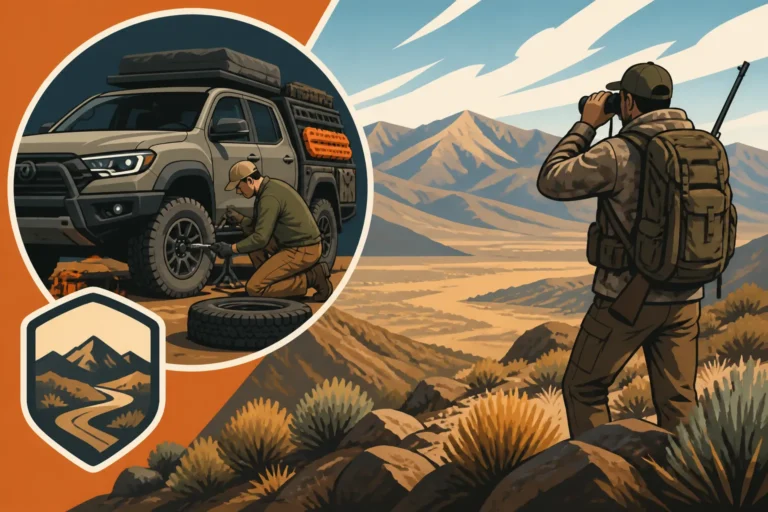
While tracking might sound like a skill from a bygone era, modern technology plays a significant role for today's outfitters. Many experienced guides utilize advanced mapping tools, much like you might use GoHunt for pre-season scouting. They'll drop GPS pins on every piece of sign, creating a digital breadcrumb trail that helps them maintain direction and revisit points if they lose the track. High-quality binoculars and spotting scopes are indispensable for scanning ahead, especially in open country, to spot a bedded animal before it can be pushed further.
But technology is merely a tool; it's the guide's wealth of experience that truly makes the difference. Years spent hunting and tracking in Nevada give them an intuitive understanding of how animals react when wounded. They know the escape routes, the likely bedding areas, and the typical behaviors for deer, elk, or antelope in that specific terrain. This wisdom, combined with a tireless work ethic, is invaluable. They'll often involve you in the process, pointing out signs and explaining their thought process, which can be an incredible learning experience.
The Role of Dogs Where Legal and Applicable
It's important to understand that the use of tracking dogs for big game is highly regulated and not universally legal for all big game species or in all scenarios across the country. In Nevada, specifically, using a dog to track a wounded big game animal falls under specific regulations and often requires a permit or specific handler certification.
When legal and available, a trained tracking dog can be an incredible asset, especially for a cold trail or in dense cover where human eyes might miss crucial signs. These dogs are specifically trained to follow scent, often able to pick up faint traces of blood or the animal's unique scent long after a human has given up. If your outfitter works with a licensed tracking dog handler, they might employ this resource as a last resort to avoid losing an animal. However, this is usually an additional step and not always the first line of defense, given the logistical hurdles and regulatory framework. It speaks to the commitment of a truly ethical outfitter that they would explore every legal avenue for recovery.
Ethical Considerations and Hunter Responsibility
The commitment to recover a wounded animal goes beyond mere regulatory compliance; it's a fundamental ethical obligation that underpins responsible hunting. A reputable Nevada outfitter will instill this principle in every aspect of their operation.
The Non-Negotiable Commitment to Recovery
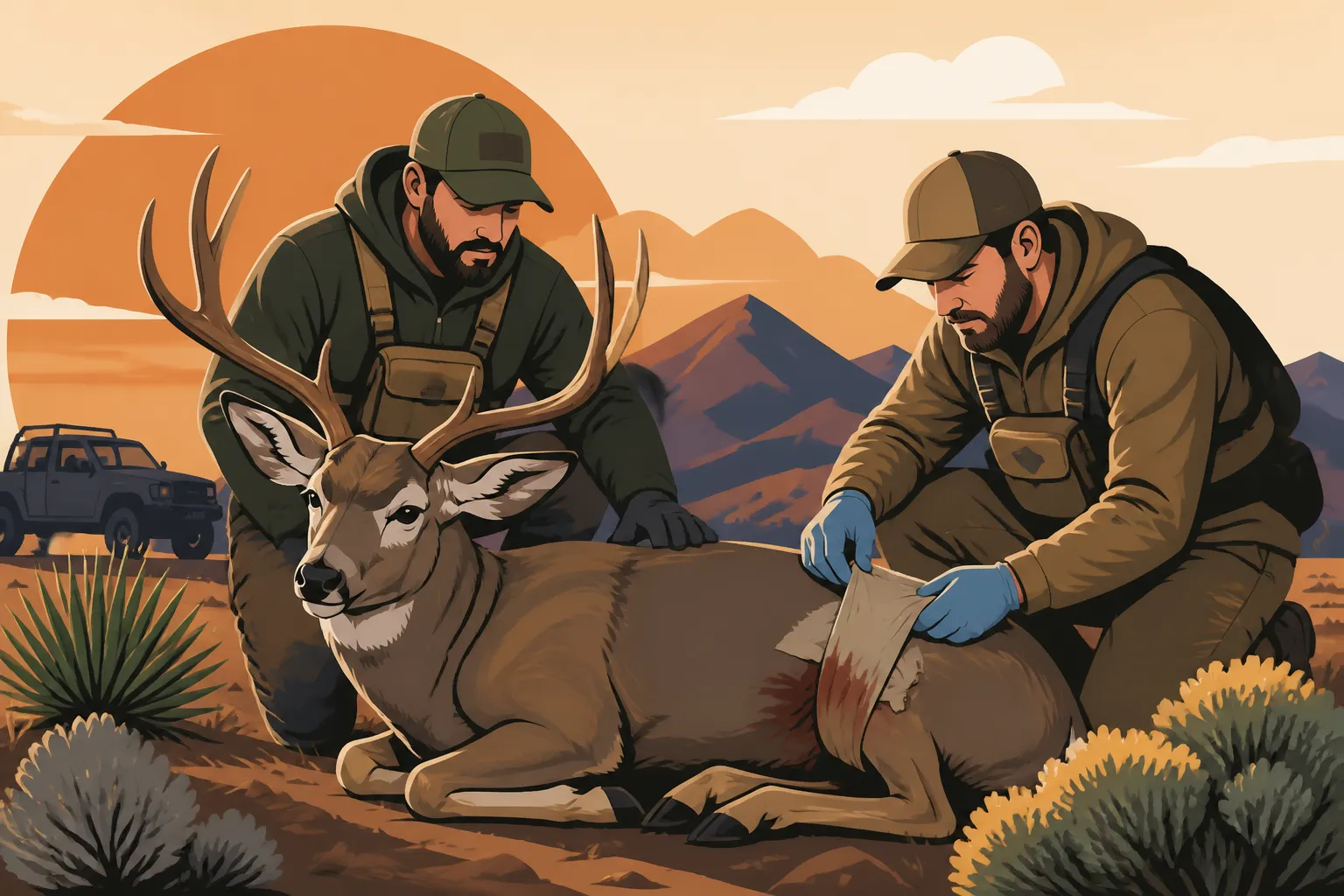
For any ethical hunter or outfitter, the recovery of a wounded animal is non-negotiable. It's not just about getting the trophy; it's about respecting the animal and ensuring a humane outcome. This means a guide will dedicate significant time, effort, and resources to the task, even if it means sacrificing other hunting opportunities or extending the trip. They understand that a wounded animal can suffer, and their primary goal shifts from hunting to recovery.
This commitment is part of what defines a truly professional outfitter. When you're researching potential guides, perhaps through resources like BookYourHunt or by asking Questions to Ask a Nevada Outfitter, it's crucial to inquire about their policy and track record for recovering wounded game. A strong answer will emphasize persistence, dedication, and a "never give up until all hope is truly exhausted" mentality. They'll explain that losing an animal is a failure they work tirelessly to prevent, often staying on a trail for hours or even days if necessary, looping back, re-checking, and expanding their search grids.
Hunter's Role and Mental Fortitude
As the client, your role during a tracking effort is vital. First and foremost, you need to follow your guide's instructions precisely. This means staying quiet, moving slowly, and keeping your eyes peeled for any sign your guide might miss. It also means maintaining mental fortitude. Tracking can be physically and emotionally draining, especially in challenging environments like Nevada's expansive basins or steep mountains. There will be moments of frustration, fatigue, and doubt.
Your guide will expect you to remain positive and persistent. If they ask you to sit tight for an hour while they scout ahead, you do it. If they need you to glass a distant ridge while they follow a faint blood trail, you focus intently. It's a team effort, and your willingness to contribute, even when tired, can make a significant difference. Discussing these scenarios with your outfitter beforehand can help you prepare mentally for what might be one of the most demanding aspects of your hunt.
Communication and Difficult Decisions
Even with the most dedicated efforts, sometimes a trail goes cold. The blood stops, the tracks disappear on rocky ground, or night falls. In these incredibly tough situations, open and honest communication between you and your guide is paramount. A professional outfitter will explain the situation clearly, detailing every step they've taken and why they believe further effort might be futile, or what the plan is for resuming the search the next morning.
These are not easy conversations. No one wants to abandon a wounded animal. Your guide will present the facts, discuss the options (e.g., waiting until morning, expanding the search area), and make a joint decision based on ethics, experience, and the practicalities of the situation. This transparent approach, even in failure, distinguishes a true professional. They understand the emotional toll on the hunter and handle these conversations with empathy and integrity, ensuring you understand that every reasonable effort was made.
Logistics and Practicalities on a Nevada Hunt
Recovering a wounded animal in Nevada involves more than just tracking skills; it requires significant logistical planning, resource allocation, and an understanding of the state's unique environment. Outfitters have a deep grasp of these practicalities.
Time and Resources Dedicated to Recovery
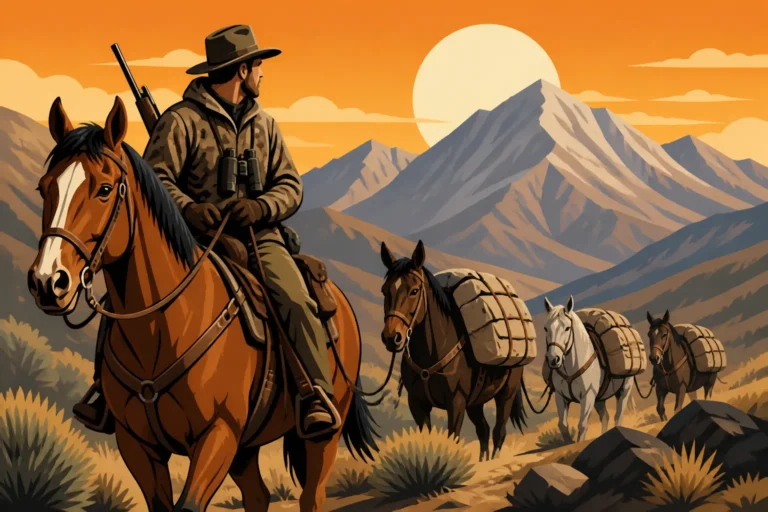
When an animal is wounded, the entire hunt schedule often shifts. Outfitters might dedicate an entire day, or even multiple days, solely to the recovery effort. This means other hunters might have their plans adjusted, or subsequent days of hunting might be forfeited. The outfitter re-allocates personnel, vehicles, and even horses if a pack string is needed for deeper access. Packing an Animal Out of Roadless Country is a significant consideration, especially if a recovery takes them far from established roads.
This dedication to recovery highlights the true cost and value of a guided hunt. You're not just paying for the guide's time; you're investing in their commitment and resources to ensure an ethical outcome. They'll have extra water, first-aid supplies, and communication devices like satellite messengers ready, knowing that a tracking effort can quickly turn into an extended backcountry excursion. Water You Must Carry on a Desert Day Hunt is always a concern, especially on longer searches.
Weather and Terrain Challenges
Nevada's environment itself presents formidable obstacles to tracking. An August archery hunt might involve extreme heat, making blood trails dry quickly and meat preservation a challenge. Heat Management on an August Archery Hunt becomes a primary concern once an animal is recovered. Later in the season, unexpected snow or freezing rain can obscure tracks and make footing treacherous. The state's notorious sharp volcanic rock can cut up boots and make tracking incredibly difficult, as blood doesn't pool easily and prints are hard to distinguish. Choosing Boots for Sharp Volcanic Rock isn't just about comfort, it's about effective movement during tracking.
Outfitters are experienced in adapting to these conditions. They might track earlier in the morning when the ground is cooler and scent holds better, or wait for clearer light. They carry specialized gear for different terrains, understanding that a recovery effort might involve scrambling up steep slopes or traversing dense, thorny brush. Their knowledge of Layering for Basin and Range Temperature Swings is also crucial, as temperatures can swing wildly from morning to afternoon during an extended tracking session.
Regulatory Compliance and Tagging
Once an animal is recovered, even days later, the outfitter ensures all regulatory requirements are met. This includes immediately tagging the animal, even if it's found far from the original shot location. They'll know the specific rules about the Legal Shooting Hours and Blaze Orange in Nevada, though blaze orange isn't typically required during an archery-only tracking effort, it's about being seen and safe if other hunters are around.
If the recovery takes the animal into an adjacent unit, the outfitter will know the regulations regarding cross-unit recovery. They'll advise on mandatory reporting requirements after a Nevada harvest and ensure evidence of sex is maintained on the carcass as required by law. Should the unfortunate happen, and an animal is lost or only partially recovered, they will also understand the process for notifying authorities, if required, and how that impacts your tag for the remainder of the season.
Here's a quick overview of key steps an outfitter takes when tracking a wounded animal:
| Phase | Outfitter Actions | Hunter's Role | Key Considerations |
|---|---|---|---|
| Immediate Aftermath | Observe shot, animal's reaction, direction of travel. | Stay quiet, mark last known location. | Don't rush in; patience is key. |
| Initial Assessment | Go to shot site, look for blood, hair, bone. | Point out any initial signs you saw. | Analyze blood, hair type for hit location. |
| Tracking Effort | Follow faint signs, use optics, GPS, knowledge of terrain. | Assist by looking for signs, follow guide's lead. | Persistence, understanding animal behavior. |
| Ethical Commitment | Relentless pursuit, dedication of time/resources. | Maintain mental fortitude, trust the guide. | Recovery is non-negotiable, respect for the animal. |
| Logistics & Recovery | Adjust hunt schedule, manage team, plan extraction. | Follow instructions, assist with packing. | Weather, terrain, regulations, meat preservation. |
| Communication | Keep hunter informed, discuss difficult decisions. | Be honest about observations, understand reasoning. | Transparency, empathy, joint decision-making. |
Ultimately, the commitment of a Nevada outfitter to recover a wounded animal is a cornerstone of ethical hunting. It’s a physically and mentally demanding process that tests patience, skill, and integrity. Knowing that your guide has a robust plan and the unwavering dedication to see it through provides a level of comfort and confidence that is invaluable in the field.
Disclaimer
This article is for general informational purposes only and does not constitute professional advice. Laws, prices and regulations vary by location and change over time. Consult a qualified professional for guidance on your specific situation.