What a Two-on-One Guided Hunt Means
For many of us who dream of hunting Nevada's vast sagebrush basins or rugged mountain ranges, the idea of a guided hunt sounds incredible. But then you start looking into it, and you see terms like "one-on-one" or "two-on-one," and it can feel a little confusing, especially if you're new to the world of outfitter services. This guide is here to demystify what a two-on-one guided hunt truly means, helping you understand if this setup is the right fit for your next big game adventure in the Silver State.
Understanding the Two-on-One Dynamic
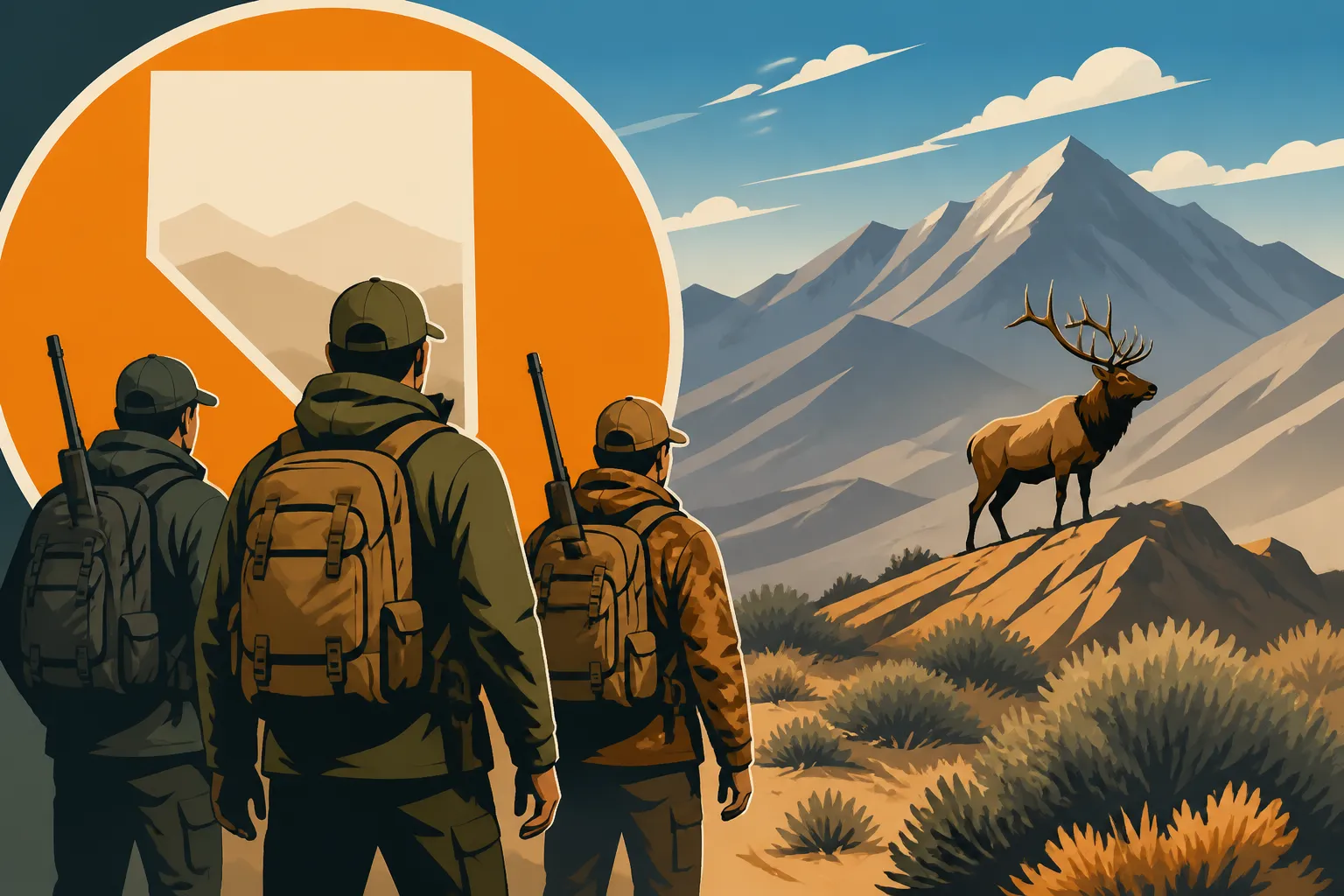
When an outfitter talks about a "two-on-one" hunt, they're describing the hunter-to-guide ratio. Simply put, it means one professional guide will be responsible for two clients during the hunt. This is a very common arrangement, particularly in states like Nevada where vast public lands and physically demanding terrain often make guiding a solo endeavor for one person more efficient for multiple clients. It's a balance between personalized attention and shared experience, and it has some distinct implications for how your hunt will unfold.
The Hunter-to-Guide Ratio Explained
A two-on-one hunt isn't just about the number of people; it's about the entire dynamic of the hunting party. Unlike a one-on-one scenario where the guide's sole focus is on your individual needs, preferences, and physical abilities, a two-on-one setup requires the guide to manage two distinct personalities, skill levels, and expectations. This can mean adjusting tactics on the fly, balancing stalk opportunities, and ensuring both hunters feel engaged and supported throughout the expedition. It's a team effort, not just between the guide and two hunters, but also between the two hunters themselves.
Consider a scenario where you and another hunter are glassing a distant ridge in the early morning light, searching for a mule deer buck. Your guide spots a promising animal a mile away. In a one-on-one, the guide would immediately strategize the stalk with you. In a two-on-one, the guide needs to involve both of you in the decision-making process, ensuring both understand the plan and are physically capable of executing it. This shared decision-making is a core part of the two-on-one experience. It’s a different pace, often a slightly more collaborative one, than a solo guided trip.
How It Differs from Other Ratios
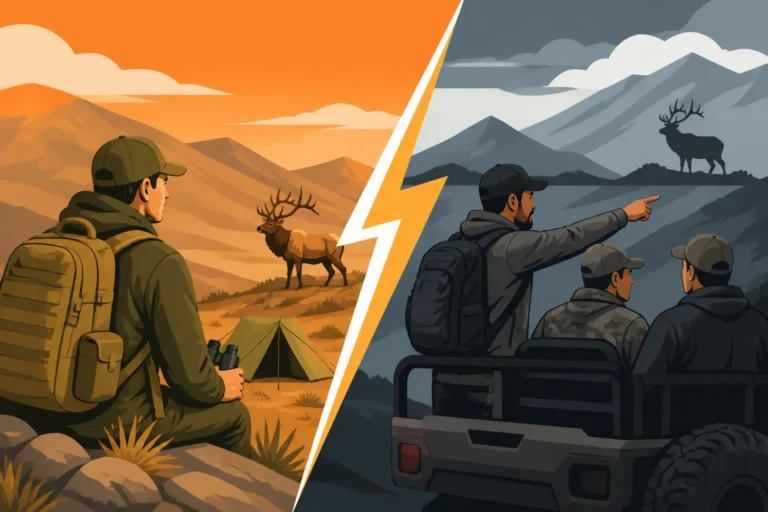
To truly grasp the two-on-one, it helps to compare it to other common outfitter ratios. The most frequent comparison is, of course, the one-on-one hunt, where it's just you and your guide. This is often seen as the premium experience, offering maximum flexibility and direct attention. Your guide can cater entirely to your pace, your preferred hunting methods, and can pivot quickly based on your input or the animal's behavior. If you're physically struggling or have a very specific trophy goal, a one-on-one hunt can be ideal.
On the other end of the spectrum, you might encounter three-on-one or even four-on-one hunts, especially for species that might be hunted from a single vehicle or involve less intensive stalking, like some bird hunts or bear over bait (though baiting is not allowed for big game in Nevada). These larger groups mean even less individualized attention per hunter, and the experience becomes more communal. The guide's role shifts more towards managing the group as a whole. A two-on-one strikes a middle ground, offering a more affordable option than a one-on-one, while still providing a relatively focused experience compared to larger groups. It's generally considered the sweet spot for many hunters looking for a guided experience without the top-tier price tag of a completely exclusive arrangement.
| Hunt Ratio | Guide Focus | Pace of Hunt | Stalk Opportunities | Cost (Relative) | Ideal For |
|---|---|---|---|---|---|
| 1:1 | Exclusive | Hunter's pace | Maximized for one | Higher | Specific goals, physical limits, maximum flexibility |
| 2:1 | Shared | Balanced | Shared, often one at a time | Moderate | Friends/family, budget-conscious, collaborative experience |
| 3:1+ | Group | Group's pace | Limited/Group choice | Lower | Less intense hunts, communal experience |
Pros and Cons for Hunters
Deciding on a two-on-one hunt means weighing a few key factors. It's not inherently better or worse than a one-on-one, just different, and what works for one hunter might not work for another. Understanding these pros and cons will help you manage your expectations and ensure you pick the right adventure.
The Benefits of a Shared Experience
One of the biggest advantages of a two-on-one hunt is often the cost. Outfitters typically charge less per person for a two-on-one compared to a one-on-one, making a guided hunt more accessible for many. This can be a huge factor, especially for species like elk or bighorn sheep in Nevada, where tag fees and guide services can quickly add up. You're essentially splitting the guide's daily rate, which can make a dream hunt more attainable.
Beyond the financial aspect, there's a unique camaraderie that often develops on a two-on-one hunt. You're sharing the triumphs and challenges with another hunter, which can forge strong bonds and create lasting memories. Imagine glassing a massive Nevada basin with your guide and a hunting partner. You're all working together, bouncing ideas off each other, and when a big buck is finally spotted, the excitement is shared among three people. This shared journey can significantly enhance the overall experience. Many hunters book two-on-one hunts with a friend or family member specifically for this reason – it's an adventure you experience together.
You might also find that having another set of eyes and ears in the field, even another hunter's, can be beneficial. Two hunters and a guide can cover more ground with their optics, identify more game, and sometimes even spot each other in tricky terrain or during a stalk. Plus, if one hunter fills their tag early, they can often still participate in scouting or assisting the other hunter, deepening the experience for everyone involved. How Outfitters Scout Before Your Arrival often leverages multiple spotters, and a second hunter essentially helps in that role.
Potential Challenges and Considerations
While the shared experience can be wonderful, it also comes with potential challenges. The most common concern for hunters is the reduction in individualized attention. Your guide's focus is split, and this can impact things like the pace of the hunt, how quickly decisions are made, and the sheer number of opportunities that might be presented to you directly. If you have specific physical limitations or need extra time on a stalk, this split attention might mean less immediate accommodation.
Another significant consideration is the potential for conflicting preferences or abilities between the two hunters. What if one hunter is incredibly fit and wants to push hard, while the other prefers a slower pace? What if both hunters have strict trophy expectations for a particular species, like a big bull elk, and a situation arises where only one can realistically take the shot? The guide will do their best to manage these situations, but it requires flexibility and good communication from both clients. It’s vital to discuss expectations with your hunting partner (if you're booking with one) and with the outfitter beforehand. Questions to Ask a Nevada Outfitter should definitely include how they manage shared opportunities and client expectations.
There's also the element of shared opportunities. In a two-on-one hunt, if an animal presents a single shot opportunity that can only be taken by one person, the guide will have to decide who gets that chance. This is usually based on factors like shooting ability, prior opportunities, or who has been "up" for the shot. While professional guides are adept at handling these situations fairly, it can still lead to disappointment for the hunter who doesn't get the shot. Being prepared for this possibility is key to enjoying a two-on-one hunt.
What to Expect from Your Guide
Your guide on a two-on-one hunt will have a unique role, balancing the needs of two clients while still effectively pursuing game. Their expertise in Reading a Nevada Hunt Unit Before You Apply and navigating the terrain will be crucial, but their people skills will be just as important.
Managing Two Hunters in the Field
A skilled guide on a two-on-one hunt acts as both a hunting expert and a diplomatic mediator. They are constantly assessing the situation: the terrain, the wind, the animal's behavior, and critically, the capabilities and emotional states of both hunters. If you're on a spot and stalk for mule deer in Nevada's open country, the guide might split the hunters, with one taking the primary shooting position while the other provides additional spotting or watches for other animals. Or, they might approach together, with a pre-arranged plan for who takes the shot if an opportunity arises.
The guide will make strategic decisions to try and provide equitable opportunities. This might mean dedicating a morning to trying to get one hunter an opportunity, and the afternoon to the other, or alternating who gets "first dibs" on a stalk. They are the ones who know How Far to Stalk a Bedded Mule Deer and will call the shots on the approach. It's a challenging role that requires constant communication and adaptation. Don't be surprised if your guide regularly checks in with both you and your partner to ensure everyone is on the same page and feeling good about the plan.
Guide's Responsibilities and Limitations
On a two-on-one hunt, your guide is still responsible for all the core elements of a guided trip: locating game, planning stalks, ensuring safety, and assisting with field dressing and packing out animals. They'll bring their knowledge of the area, the animal's habits, and their experience with Hunting Water in Nevada's Driest Country or reading fresh sign. However, the limitation comes in the bandwidth of their individual attention. They cannot physically be in two places at once, nor can they hold two separate, simultaneous conversations with two individuals who might have different ideas about the current strategy.
For example, if two legal bucks are spotted simultaneously but are moving in different directions, the guide typically has to make a quick decision on which animal to pursue, often involving input from the hunters about their preference or the viability of each stalk. This is where pre-hunt conversations with your outfitter become critical. You and your hunting partner should clarify your individual goals and any potential scenarios with the outfitter, and the outfitter should, in turn, explain how their guides handle these situations on a two-on-one. Companies like BookYourHunt often provide detailed outfitter profiles that can give you insight into their guide-to-hunter ratios and philosophies.
Making the Most of Your Shared Hunt
To truly enjoy a two-on-one guided hunt in Nevada, preparation and a positive attitude are key. It's about more than just showing up; it's about being an active, engaged, and cooperative member of the hunting party.
Communication Is Key
The number one rule for a successful two-on-one hunt is open and honest communication. This starts long before the hunt begins. If you're booking with a friend or family member, discuss your expectations with each other. What are your trophy goals? What are your physical capabilities? Are you both comfortable with one person potentially getting an opportunity before the other? Having these conversations upfront will prevent misunderstandings in the field.
Once the hunt begins, maintain clear communication with both your guide and your hunting partner. If you're feeling tired, speak up. If you have a question about a stalk, ask it. If you have a preference about an opportunity, articulate it respectfully. Your guide is there to facilitate the best possible experience for both of you, but they aren't mind readers. Good guides, as those often listed on platforms like GoHunt, emphasize communication as a cornerstone of their service. A silent hunter creates uncertainty. A verbal hunter creates clarity.
Group Dynamics and Expectations
Going into a two-on-one hunt, it's helpful to adopt a mindset of teamwork and collaboration. You're not just hunting for yourself; you're part of a small unit. Celebrate your partner's successes, offer encouragement during tough moments, and be prepared to assist where you can, whether it's helping glass or carrying extra gear. Remember, you're both there for a shared experience in the Nevada wilderness.
Being realistic about expectations is also crucial. While your guide will work tirelessly to get both hunters an opportunity, there are no guarantees in hunting. Weather, animal behavior, and sheer luck all play a role. Embrace the process, the incredible landscapes, and the chance to learn from your guide and hunting partner. If you've booked with a family member or close friend, the experience of Packing an Animal Out of Roadless Country together, sharing the physical effort and the sense of accomplishment, can be incredibly rewarding. It's not just about the kill; it's about the entire journey.
Who Should Consider This Hunt Type
A two-on-one guided hunt is an excellent option for several types of hunters:
- Friends or Family Members: If you want to share a hunting adventure with a close companion, this is often the perfect choice. You get to experience the entire trip side-by-side.
- Budget-Conscious Hunters: For those looking to experience a high-quality guided hunt without the premium price of a one-on-one, the two-on-one offers a fantastic value proposition.
- Hunters Seeking Camaraderie: If you enjoy the social aspect of hunting and appreciate sharing the experience with others, you'll thrive in this dynamic.
- Flexible Hunters: Those who understand the nature of hunting, the unpredictability of wildlife, and are willing to be flexible with opportunities will have a great time.
Ultimately, a two-on-one guided hunt in Nevada offers a fantastic opportunity to explore incredible landscapes and pursue big game with expert assistance. With the right preparation, communication, and a positive attitude, it can be an incredibly rewarding and memorable adventure.
Disclaimer
This article is for general informational purposes only and does not constitute professional advice. Laws, prices and regulations vary by location and change over time. Consult a qualified professional for guidance on your specific situation.