Reading Water Sources Before an August Hunt
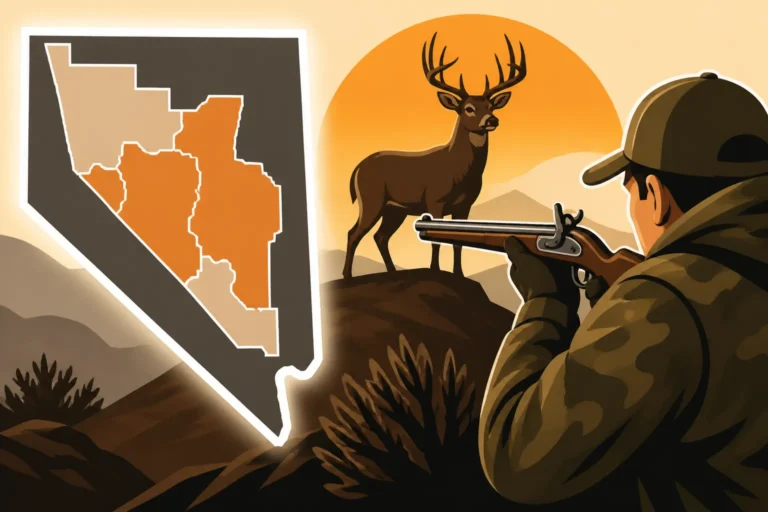
Heading into August in Nevada, you’re not just battling the heat; you’re facing a landscape where water is the ultimate currency for wildlife. It's a huge frustration for many hunters, especially those new to the Great Basin, to spend days glassing only to realize the animals they’re looking for are tied to a water source they never even considered. This guide is all about giving you the edge, helping you thoroughly understand and locate these vital water sources before you ever set foot in your hunt unit, drastically improving your August hunting strategy.
The Unyielding Thirst: Why Water Defines August Hunting in Nevada
August in Nevada isn't just warm; it's often scorching, bone-dry, and relentlessly arid. The seemingly endless sagebrush seas and rocky, volcanic ranges might look devoid of life, but beneath the surface, every living creature is acutely aware of where their next drink will come from. For hunters, this translates into a powerful, almost undeniable truth: finding water is often the key to finding game.
The Impact of Extreme Aridity on Wildlife Movement
Imagine walking for miles under a blazing sun, the air so dry it parches your throat almost instantly. This is the daily reality for Nevada's mule deer, elk, and especially pronghorn during the dog days of August. Unlike species in more verdant regions that might rely on lush forage for hydration, desert game animals absolutely must drink standing water regularly. This isn't just about survival; it's about comfort and energy conservation. Animals that are properly hydrated are healthier, more active, and less stressed, making them more predictable in their movements. They will adjust their daily routines, often feeding closer to water, bedding in areas that allow for quick access, or shifting activity patterns to dawn and dusk when temperatures are slightly cooler, but still requiring a drink. Ignoring this fundamental need is like trying to find fish in a desert—it simply won't work.
Predicting Game Patterns Around Water
Once you understand that water is paramount, you can start to predict where animals will be and, more importantly, when. In a landscape where water sources can be miles apart, these locations become critical focal points, natural magnets for wildlife. Bucks, bulls, and does will visit these spots, often on a fairly consistent schedule, especially during the early morning or late evening hours. A mature mule deer buck, for instance, might stage several hundred yards from a spring, waiting for darkness to descend before making his way in, then retreating to a secluded bed as dawn approaches. Understanding this pattern allows you to strategically place yourself, whether you're planning on sitting water on a Nevada August hunt or simply using water sources as a starting point for your glassing efforts. Observing these patterns requires patience and a good understanding of animal behavior, but the payoff can be immense.
Understanding the Different Types of Water Sources
Not all water sources are created equal, especially in the vast and varied terrain of Nevada. What you might consider a "watering hole" in a more humid climate might be a mirage in the desert. Knowing the distinct characteristics of each type of water source—and how they fluctuate with the seasons and human activity—is critical for successful e-scouting and on-the-ground hunting.
Natural Springs and Seeps
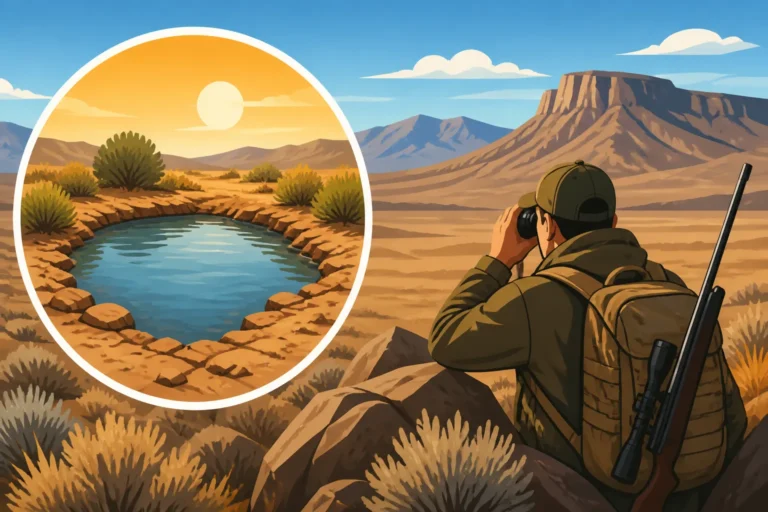
Natural springs are gold in the arid West. These are places where groundwater naturally surfaces, often sustaining a small pocket of green vegetation, even in the driest years. Springs can range from a tiny trickle creating a damp spot on a hillside (a "seep") to a flowing stream feeding a small pool or a series of puddles. They are vital because they are typically consistent, flowing year-round regardless of recent rainfall, making them incredibly reliable for wildlife. The challenge, however, is that some springs are well-known and can attract human activity, while others are hidden gems that require keen eyes and careful map reading to locate. A spring often leaves subtle clues: greener vegetation lines in canyons, distinct game trails converging on a specific point, or even the sound of running water in an otherwise silent landscape. When you’re trying to find water sources that concentrate Nevada game, a reliable spring is always at the top of the list.
Man-Made Guzzlers and Stock Tanks
Nevada's wildlife biologists and conservation groups have put in immense effort to create and maintain man-made water sources, commonly known as guzzlers. These are essentially rainwater collection systems, often consisting of a large apron that funnels precipitation into an underground storage tank, from which animals can drink via a small drinker box. Guzzlers are absolute lifelines in many desert units, specifically designed to increase water availability for various species, including bighorn sheep, deer, and upland birds. Learning how to locate a guzzler from home is an essential skill for any serious Nevada hunter.
In addition to guzzlers, you'll also encounter stock tanks. These are often large metal or concrete troughs fed by wells or pipelines, designed primarily for cattle but readily used by wildlife. While highly reliable, stock tanks can also mean the presence of livestock, which might impact game behavior and access. Both guzzlers and stock tanks are usually well-marked on detailed maps or satellite imagery, making them easier to identify during your pre-season scouting. Understanding how guzzlers concentrate desert game is key to hunting these areas effectively.
Ephemeral Puddles and Riparian Zones
Ephemeral water sources are those that appear temporarily after rainfall and then quickly dry up. These could be puddles in rocky depressions, temporary flows in dry washes, or water collected in old tires or other debris. While less reliable than springs or guzzlers, they can draw animals during and immediately after a rain event, offering a temporary reprieve from traveling to established water. Hunting around these requires knowing local weather patterns and being opportunistic.
Riparian zones, though rare in much of Nevada, are ribbons of green vegetation along permanent streams or rivers. While true rivers are scarce, some units have small perennial creeks, especially in the higher elevations of the national forests. These areas provide not only water but also lush forage, shade, and cover, making them extremely attractive to game. Deer and elk might live within these zones, rarely needing to venture far for water. However, these areas can also attract more hunting pressure due to their obvious appeal.
Mastering the Art of Locating Water Sources
Modern technology has revolutionized how we scout for water, allowing us to pinpoint potential sources from the comfort of our homes. Combining this with traditional map-reading skills and on-the-ground verification is the recipe for success.
E-Scouting with Topographic and Satellite Maps
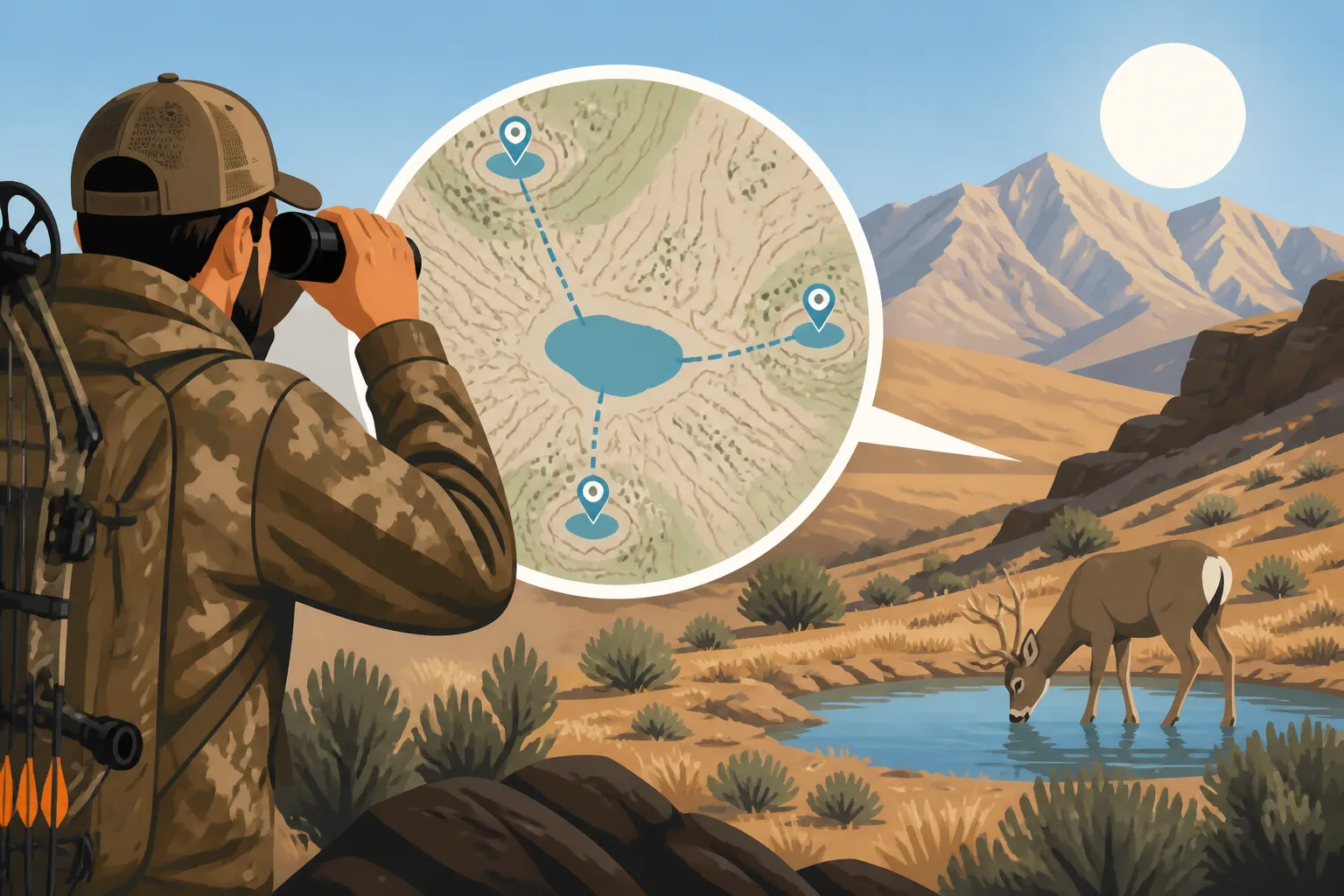
Before you even load up your truck, you should be deep into your e-scouting. Start with a good topographic map. Look for contour lines that indicate drainages, canyons, and depressions where water might collect or flow. Springs are often marked, sometimes subtly, with a small blue dot or a specific symbol. Pay attention to changes in elevation where groundwater might be forced to the surface. Next, layer in high-resolution satellite imagery. This is where you can confirm what the topo map suggests. Look for patches of greener vegetation, especially in arid areas – these are often indicators of a seep or spring. Follow drainages to identify potential potholes that might hold water. Roads and trails converging on a specific spot could also indicate a water source that's known to locals or livestock.
For a deeper dive, consider using advanced mapping platforms like GoHunt. This tool offers detailed map layers that can include known guzzler locations, historical water data, and even public land boundaries, which is crucial for ethical hunting. These resources allow you to virtually explore your unit, marking dozens of potential water sources and creating a robust list of spots to check when you're finally in the field. This preliminary work is invaluable and will save you countless hours of unproductive walking. You can essentially build a comprehensive map of all available water well before the season starts, allowing you to prioritize areas and plan your hunts more effectively.
Utilizing Online Resources and Historical Data
Beyond general mapping platforms, specific online resources can provide even more granular detail on Nevada's water sources. The Nevada Department of Wildlife (NDOW) often publishes maps or databases of guzzler locations, particularly for bighorn sheep units. Additionally, land management agencies like the Bureau of Land Management (BLM) and the Forest Service might have maps or data layers showing designated water developments or known springs in their jurisdictions. Forums and online hunting communities can also be a goldmine, with experienced hunters often sharing insights (though always verify information yourself!).
Historical drought data and rainfall patterns are also critical. A spring marked on a map might only be a trickle in a severe drought year, or it might dry up completely. Understanding recent precipitation levels in your chosen unit can help you prioritize which water sources are more likely to be active. For instance, a unit that received above-average winter snowpack and spring rains will likely have more ephemeral water and stronger flows from permanent springs compared to a unit that experienced prolonged drought. This helps you manage expectations and adjust your scouting strategy accordingly. Remember, mapping water before an August hunt is not just about finding dots on a map, but understanding their reliability.
Deciphering the Story Around Water Sources
Once you've located potential water sources on a map, the real detective work begins in the field. Animals leave a clear narrative around their watering holes, and learning to read these signs is paramount to understanding their behavior and timing.
Identifying Game Trails and Tracks
The most obvious signs of animal activity around water are game trails. These are well-worn paths leading to and from the water source, often looking like miniature highways through the sagebrush. Look for trails that converge from different directions, indicating multiple animals are using the spot. The freshness of the tracks on these trails is a critical indicator. Crisp, well-defined tracks, especially those with clear hoof prints in soft dirt or mud, signal very recent activity. Faded, dust-covered, or rain-splashed tracks suggest older use.
Pay attention to the size and type of tracks. Are they mule deer, elk, or pronghorn? Are there signs of large bucks or bulls? A keen eye can distinguish between a mature buck's broad hoof print and a doe's narrower one. Also, look for signs of multiple animals moving together, such as tracks from does and fawns. This intelligence helps you understand not just that animals are watering there, but who is watering there and how recently.
Fresh Sign: Scat, Rubs, and Browsing
Beyond tracks, animals leave other clues that paint a more complete picture of their activity. Fresh scat (droppings) is a strong indicator of recent presence. The color, consistency, and moisture content of scat can tell you if an animal was there hours ago or days ago. For instance, moist, dark deer pellets are much more promising than dried-out, bleached ones.
Look for rubs on small trees or shrubs, especially around the perimeter of the water source or on game trails leading to it. While rubs are more common during the rut, early-season rubs can sometimes indicate a buck checking his territory. Browsing marks on vegetation, particularly on palatable plants near the water, also signal feeding activity. Freshly broken branches or nipped leaves indicate recent foraging. Combining these signs—fresh tracks, scat, and browsing—gives you a much clearer understanding of not just if animals are using the water, but how regularly and how recently. This data is invaluable for planning your ambush or determining if a water source is worth sitting for a period.
Ethical Considerations and Regulations Around Water
Hunting around water in an arid environment comes with great responsibility. It's not just about what's legal, but also what's ethical, especially when water is so scarce and vital to wildlife survival. Respecting regulations and the land is paramount.
Understanding Legal Distance and Access
Nevada has specific regulations regarding hunting around water sources. While there are no statewide "no hunting within X yards of water" rules like some other states, you must always be aware of private land boundaries. Many reliable water sources, particularly stock tanks or developed springs, are located on private ranch land or within grazing allotments. You absolutely need to know retrieving game from private land in Nevada rules and secure permission before entering private property, even if you are just approaching a water source that straddles a public/private line. Ignoring these boundaries can lead to trespassing charges and gives all hunters a bad name.
Additionally, some water developments are specifically designed for sensitive species and may have restricted access or hunting prohibitions. Always consult the current NDOW regulations for your specific hunt unit, as rules can change. Access roads leading to water sources might also be on private property, requiring permission for vehicular access. Always know your precise location and the land ownership status using reliable mapping tools.
Minimizing Your Impact and Respecting Wildlife
When you’re hunting around water, your presence can have a significant impact on wildlife. The goal is to be as low-impact as possible. This means approaching quietly, leaving no trace, and minimizing disturbance. If you plan to sit a waterhole, choose your setup carefully to avoid contaminating the water with scent or leaving behind trash. Remove all your gear, including flagging tape or any natural blinds you might have constructed, when you leave.
Remember that these water sources are critical to the survival of all wildlife, not just the animal you're hunting. Avoid actions that could stress or deter animals from using a vital water source. For instance, if you observe a large group of animals approaching, consider waiting for them to drink and leave before moving in, rather than pushing them away. It's about respecting the animals and the fragile ecosystem they depend on.
August-Specific Challenges and Strategies for Water Hunts
August in Nevada is a beautiful but brutal time to hunt. The intense heat combined with the relentless sun presents unique challenges, especially when your strategy revolves around water.
Heat Management and Hydration for Hunters
The number one challenge for hunters in August is the heat. Temperatures often soar into the triple digits, and direct sun exposure can quickly lead to dehydration and heat exhaustion. This isn't just uncomfortable; it's dangerous. When planning to hunt around water, whether still hunting nearby or sitting water in Nevada's dry units, you must prioritize your own hydration. Carry significantly more water than you think you’ll need – a minimum of a gallon per person per day is a good starting point, but more is often necessary. Consider bringing electrolyte supplements to replenish salts lost through sweat.
Dress in light-colored, breathable clothing, and wear a wide-brimmed hat to protect yourself from the sun. Plan your hunts around the coolest parts of the day: dawn and dusk. Midday is often best spent in camp, hydrating, resting, and escaping the sun. Understanding heat management on an August archery hunt is not optional; it’s a matter of safety and effectiveness. This also means being mindful of game retrieval. If you shoot an animal in August, you need a plan to field dress and cool the meat quickly to prevent spoilage.
Navigating Predation and Other Wildlife Around Water
Water sources don't just attract deer and elk; they attract everything else, including predators. Coyotes, bobcats, and even mountain lions are drawn to water for the same reasons as herbivores, and they’ll also be looking for an easy meal among the concentrated prey animals. This means you need to be extra vigilant when approaching water sources, especially in low light.
Additionally, August in Nevada is prime time for rattlesnakes. They often seek shade and water, making them common around springs, guzzlers, and shady creek beds. Always watch where you step, where you put your hands, and use trekking poles to probe ahead in thick brush. Learning snake awareness on an August archery hunt can literally save your hunt, or your life. The presence of predators can also affect game behavior, making animals more wary around water. They might approach more cautiously or only under the cover of darkness, requiring even greater patience and stealth from the hunter.
| Water Source Type | Reliability (August) | Common Location | Game Concentration | Hunter Impact |
|---|---|---|---|---|
| Natural Spring | High (usually year-round) | Canyons, hillsides, green pockets | Very High | Moderate to High |
| Man-made Guzzler | High (if maintained) | Desert flats, remote ranges | Very High | Moderate |
| Stock Tank | High (if fed by well/pipeline) | Valleys, ranch land | High (also livestock) | High (access issues) |
| Ephemeral Puddle | Low (rain dependent) | Washes, rocky depressions | Variable (post-rain) | Low |
| Riparian Zone | High (perennial flow) | Rare, along major drainages | High | Moderate to High |
Preparing for Your August Water Hunt
Effective preparation for an August water hunt goes beyond just locating the water. It involves a holistic approach to scouting, gear, and physical conditioning, ensuring you're ready for anything the Nevada desert throws at you.
Pre-Season Scouting and Gear Considerations
Your e-scouting should be thorough, utilizing tools like GoHunt or other mapping apps to mark every potential water source. But e-scouting is only half the battle. If possible, a physical scouting trip to verify water sources, check trail cameras (if legal and permitted), and observe actual game patterns is invaluable. Confirm that springs are still flowing and guzzlers have water. This on-the-ground verification can expose dry holes or areas with unexpected human activity that satellite imagery won't show.
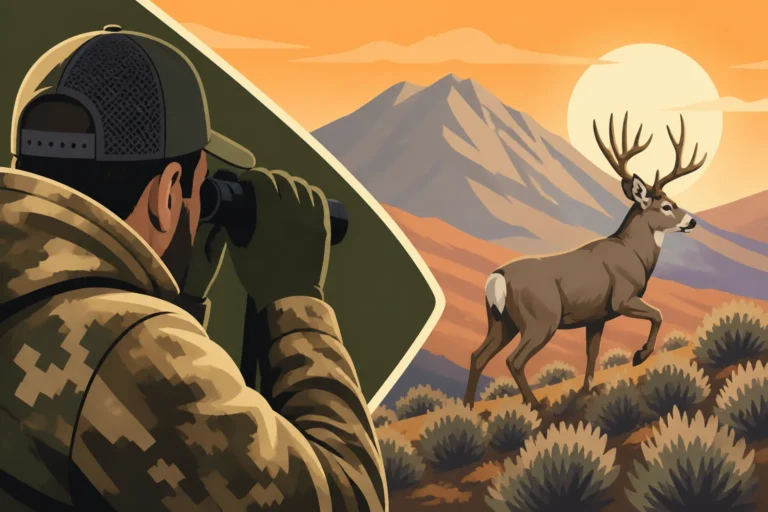
For gear, think lightweight, breathable, and highly durable. Good quality optics are non-negotiable for why Nevada deer hunting is a glassing game, allowing you to scan distant hillsides for movement towards water without having to walk miles. A reliable GPS device or a robust phone app with downloaded maps is crucial, as cell service is often non-existent in remote units. Always carry a first-aid kit, extra water filtration, and emergency communication devices like a satellite messenger. Your vehicle also needs to be in top shape, as remote Nevada roads can be brutal. Ensure you have good tires, a full-size spare, and plenty of fuel capacity.
Physical Conditioning and Mental Toughness
Hunting Nevada in August is a physical and mental grind. The long hours of glassing, the intense heat, and the sheer vastness of the landscape will test your limits. Physical conditioning is not just about being able to walk miles; it's about being able to perform under stress in extreme temperatures. Focus on endurance, hydration, and heat acclimation in the weeks leading up to your hunt. Being physically fit will allow you to cover more ground, recover faster, and maintain focus when fatigue sets in.
Mentally, you need to be prepared for dry holes, missed opportunities, and the ever-present challenges of the desert. The rewards of an August water hunt are often hard-earned, requiring patience, persistence, and the ability to adapt. Trust your scouting, stay positive, and remember that every outing, successful or not, builds experience and a deeper understanding of this incredible, challenging landscape. The satisfaction of connecting with an animal that is so intrinsically tied to a specific water source in the vastness of the Great Basin is truly one of the most rewarding hunting experiences out there.
Disclaimer
Please note: Hunting regulations and conditions can change. Always consult the latest Nevada Department of Wildlife (NDOW) regulations and local land management agency rules before planning any hunt. This guide is for informational purposes only and does not substitute for official regulations or professional guidance.