Legal Shooting Hours and Blaze Orange in Nevada
It's incredibly frustrating trying to keep all the hunting regulations straight, especially when it comes to the nitty-gritty details like legal shooting hours and when you absolutely must wear blaze orange in Nevada. The rules can feel like they shift with the desert winds, leaving you second-guessing yourself when you're out in the field. This guide aims to demystify these critical aspects of Nevada hunting, providing you with a clear, in-depth understanding of what's required to hunt legally and safely.
Understanding Nevada's Legal Shooting Hours
One of the most fundamental rules in big game hunting, no matter where you are, revolves around legal shooting hours. In Nevada, this isn't just a suggestion; it's a strict mandate designed to promote fair chase, aid in positive target identification, and ensure hunter safety. Getting this wrong can lead to serious legal repercussions, not to mention a blot on your hunting ethics.
Defining Legal Shooting Hours: Sunrise and Sunset Precision
Nevada's legal shooting hours for big game are consistently defined as "one-half hour before sunrise to one-half hour after sunset." Now, this isn't about when you personally see the first sliver of sun or its last glow disappearing over a mountain range. This refers to the official, astronomical sunrise and sunset times, which are precisely calculated for specific locations. You can't just eyeball it and hope for the best.
These official times are typically published by government agencies like NOAA or found in reputable almanacs. Many modern hunting apps, including those offered by platforms like GoHunt, integrate this data, using your GPS location to give you accurate, hyper-local sunrise and sunset times. This precision is absolutely crucial in Nevada, where a sunrise in the far eastern reaches of the state could be significantly different from one observed in the western part near Reno or down south near Las Vegas. Always double-check the exact times for your specific hunt unit to avoid any ambiguity. Relying on general city times for a remote unit miles away could easily put you on the wrong side of the law.
Practical Application Across Various Seasons
While the "thirty minutes before sunrise to thirty minutes after sunset" rule generally remains constant, its practical application means your actual start and end times in the field will change dramatically throughout the hunting year. An August archery deer hunt, for instance, will have very different legal shooting windows than a late November rifle elk hunt. As the seasons progress from the long days of summer into the shorter, colder days of late fall and early winter, those precious minutes of legal light shrink considerably.
For most big game species – whether you're chasing mule deer, elk, pronghorn, or bighorn sheep – this consistent rule applies across the board. The challenge lies in adapting your hunt strategy to these fluctuating windows. Early morning and late evening often present the best opportunities to encounter animals, as they are most active during these cooler, lower-light periods. This is where quality optics become invaluable, allowing you to clearly identify animals and their surroundings as the light fades or slowly emerges. You need to be ready to make a clean, ethical shot within that precise legal window. Understanding Legal Shooting Hours for Big Game is foundational for any hunt plan. Keep in mind that Do Shooting Hours Shift Through the Season? is a constant, dynamic aspect you'll need to monitor.
Why Adhering to Shooting Hours is Crucial
Adhering strictly to legal shooting hours isn't just about following the rules; it's deeply rooted in safety, ethics, and conservation. The primary reason for these regulations is safety. Low-light conditions significantly increase the risk of misidentification, making it harder to distinguish between legal game, non-target animals, or even other hunters. A clear, well-lit shot is a safe shot. Taking a chance in fading light jeopardizes everyone's well-being.
From an ethical standpoint, hunting within legal hours upholds the principle of fair chase. It ensures that hunters aren't gaining an unfair advantage by shooting animals when their visibility is severely compromised. It reflects respect for the animal and the hunting tradition itself. Beyond these crucial considerations, there are legal consequences for violating shooting hours. Nevada Department of Wildlife (NDOW) game wardens are diligent, and being caught shooting outside of legal hours can result in hefty fines, confiscation of equipment, and even the suspension or revocation of your hunting privileges. It's simply not worth the risk.
Navigating Blaze Orange Requirements for Nevada Hunts
Blaze orange, often called hunter orange, is a beacon of safety in the field. Its use is a straightforward yet critical regulation designed to prevent hunting accidents by making hunters highly visible to one another. While it seems simple, there are specific nuances to when and how much blaze orange is required in Nevada.
Mandatory Requirements During Rifle Seasons
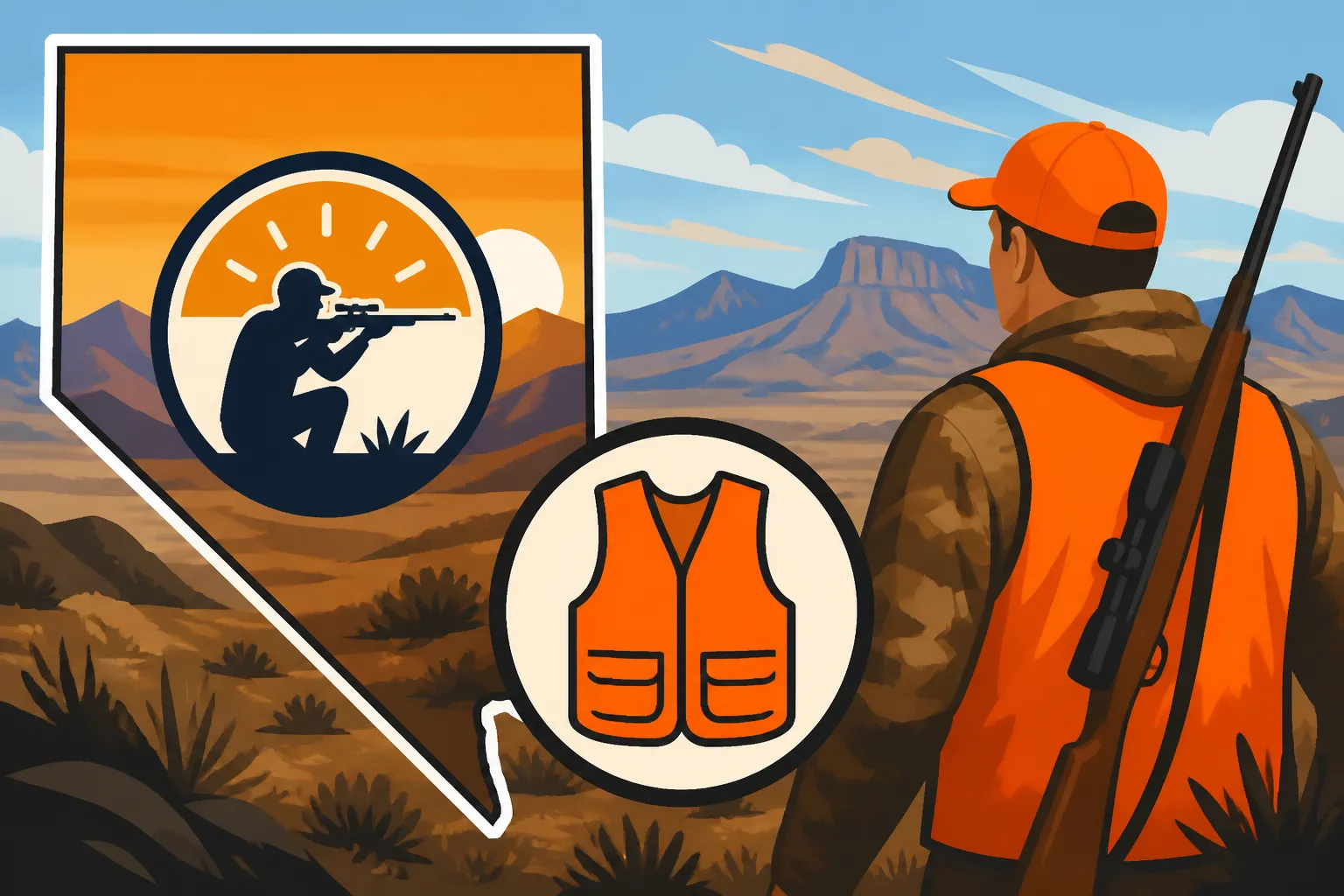
For any general rifle season in Nevada, the requirements for blaze orange are clear and non-negotiable. Every hunter, and indeed every person accompanying a hunter in the field, must wear at least 400 square inches of fluorescent hunter orange material visible from all directions. This isn't just about the person holding the rifle; it's about everyone in the party. This typically means a blaze orange vest or jacket, combined with a blaze orange hat, is your standard setup.
The intent behind this rule is simple: maximum visibility in areas where high-powered rifles are in use. Rifle seasons often see more hunters in the field, and the sheer power and range of modern rifles necessitate every possible precaution to prevent accidents. Imagine you're stalking a Mule Deer Are the Reason Most Hunters Apply in Nevada across open sagebrush, or perhaps pursuing Nevada Elk Rifle Hunts Stretch From October Into December through thin timber. Even in wide-open country, terrain features can obscure hunters, and that bright flash of orange is often the only thing preventing a tragic error. For detailed information on specific requirements, always consult Blaze Orange Requirements Through the Season.
Exemptions for Archery and Muzzleloader Hunters
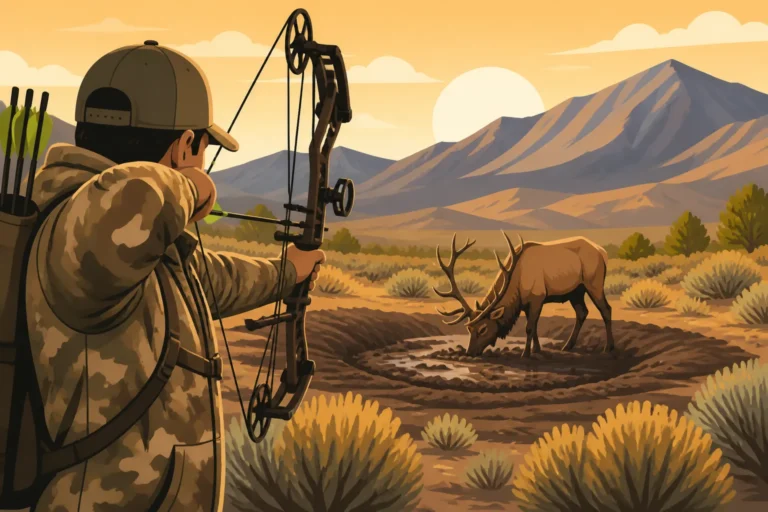
Here's where things get a bit more nuanced and where many hunters get confused. Generally speaking, during archery-only and muzzleloader-only seasons in Nevada, blaze orange is not required. The rationale often cited is that these hunting methods typically involve much shorter ranges and different stalking or ambush techniques, reducing the risk of accidental shootings between hunters. An archer needs to get much closer to their target, often relying on camouflage for concealment, and a muzzleloader hunter's effective range is also more limited than a modern rifle.
However, this exemption comes with a crucial caveat: if an archery or muzzleloader hunt overlaps with a general rifle season in the same unit, then blaze orange is required for all hunters. This is a critical safety measure. So, if you're out during When Nevada Archery Deer Season Opens for an early archery tag, you might not need blaze orange. But if your archery hunt extends into a period where a general rifle season has also opened in your unit, you'll need that orange vest. The same goes for muzzleloader hunters. While a Muzzleloader Deer Tactics in a One-Week Window might not initially require it, always check for any concurrent rifle seasons. This overlap is a common area for accidental non-compliance, so paying close attention to the specific hunt dates and weapon types permitted in your unit is paramount. A quick check on the GoHunt app or the NDOW regulations can clarify these overlaps. For those specifically asking, Is Blaze Orange Required for Archery Hunting? usually delves into these details.
Material and Visibility Standards
When it comes to the material and visibility of your blaze orange, the law is fairly specific. It needs to be "fluorescent hunter orange," meaning that bright, vibrant shade that stands out against natural backgrounds. While some gear might be labeled "hunter orange," ensure it's truly the vivid, almost glowing kind. Common items include vests, jackets, hats, and even gaiters or backpack covers. The key is that the 400 square inches must be visible from all directions. This implies covering your torso and head, not just a small patch on your back.
Avoid camouflage patterns that incorporate orange, as these often do not meet the legal requirement for solid, visible coverage. The purpose of blaze orange is to break up your human outline and make you immediately recognizable as a person, not a target. Faded or tattered orange gear might not provide adequate visibility, so inspect your equipment annually. Make sure your vest isn't obscured by your backpack or your hat by a hood. Maximizing your visibility is always the safest bet, even if you technically meet the minimum.
Specific Scenarios and Exceptions for Shooting Hours
While the general rule for shooting hours is clear, the vastness of Nevada and the complexity of hunting regulations sometimes introduce specific scenarios and exceptions that hunters need to be aware of. Misinterpreting these can still lead to violations.
Adjustments for Daylight Saving Time and Time Zones
Nevada primarily operates within the Pacific Time Zone, but its sheer size means that solar events like sunrise and sunset can vary significantly from east to west. Furthermore, the annual shift for Daylight Saving Time adds another layer of confusion. When Daylight Saving Time ends, the clocks "fall back" an hour. While this changes the clock time of sunrise and sunset, it doesn't change the actual solar event. So, a sunrise that was at 7:00 AM before the change might now be at 6:00 AM on the clock, meaning your legal shooting window opens an hour earlier by the clock. It's vital to remember that the rule is tied to the sun's position, not the number on your watch.
For example, if you're hunting in a unit in eastern Nevada, say near the Utah border, the actual sunrise might occur much earlier than the official sunrise time listed for Las Vegas or Reno on a generic weather app. You absolutely must rely on localized data. Thankfully, many hunting apps, including those you might access through your GoHunt subscription, are excellent at providing this precise, GPS-driven information. Always confirm the local sunrise and sunset times for your exact hunting location and account for any Daylight Saving Time shifts to avoid an inadvertent early or late shot.
Rules for Predator and Varmint Hunting
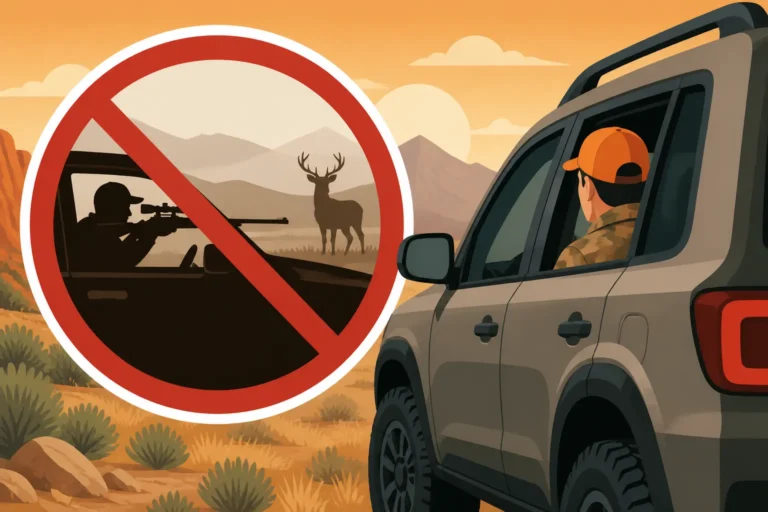
It's important to distinguish between big game regulations and those governing predator and varmint hunting. While big game hunting almost universally adheres to the "half-hour before sunrise to half-hour after sunset" rule, many predator and varmint species (like coyotes, foxes, or badgers) can be hunted at night, or have extended shooting hours. This is a significant exception that often causes confusion.
However, these extended hours do not apply to big game. You cannot hunt a mule deer or an elk at night, even if you are also hunting coyotes in the same area. NDOW is very clear on this. Always consult the specific regulations for the species you are pursuing. For big game, the rules are rigid. If you're planning a mixed bag hunt, ensure you understand which rules apply to which species at any given time to avoid legal trouble.
Considering Youth Hunts and Supervised Hunting
Nevada has specific provisions for youth hunting, encouraging the next generation to get into the field. However, these youth hunters, and their supervisors, are still subject to the same legal shooting hours. Youth Hunting Requirements in Nevada dictate not only supervision ratios but also adherence to all general hunting laws.
The supervising adult carries a significant responsibility to ensure the young hunter understands and follows these rules. This means having reliable time-keeping tools and resisting the urge to push the envelope, even if a trophy animal appears just outside legal light. Teaching responsible hunting practices from a young age includes emphasizing ethical shot placement and strict adherence to regulations like shooting hours. No animal is worth compromising safety or breaking the law, especially when teaching valuable lessons to new hunters.
Navigating Blaze Orange Nuances in Archery and Muzzleloader Seasons
The rules for blaze orange are generally simpler during rifle season, but archery and muzzleloader seasons introduce specific circumstances that every hunter needs to understand. These nuances are often overlooked, leading to potential safety hazards or legal issues.
When Archery Hunters Can Skip Blaze Orange (And When They Can't)
As mentioned earlier, during a dedicated, archery-only season where no other weapon types are permitted, blaze orange is generally not required for archery hunters. This allows bowhunters to utilize camouflage effectively, which is often crucial for closing the distance required for an ethical bow shot. When you're trying to get How Close a Bowhunter Needs to Get on Mule Deer, every bit of concealment helps.
However, this is where the critical distinction lies: if you are archery hunting during any period or in any unit that is also open to general rifle hunting, you must wear blaze orange, regardless of the weapon you are personally carrying. This is a paramount safety rule. For example, if your archery tag allows you to hunt into a later season that coincides with When Nevada Rifle Deer Seasons Fall, you'll need to don that orange vest. This scenario is incredibly common, and NDOW prioritizes the safety of all hunters. Even if you're purely bowhunting, if there's a chance a rifle hunter could be in the same area, you need to be visible.
Muzzleloader Season Specifics Regarding Orange
Muzzleloader seasons in Nevada follow a similar pattern to archery seasons regarding blaze orange. If it's a stand-alone muzzleloader season, exclusively for muzzleloaders, then wearing blaze orange is typically not a requirement. Hunters using these traditional firearms often employ tactics that benefit from camouflage, and their limited range reduces the risk profile compared to modern rifles. Which Nevada Units Run a Muzzleloader Deer Hunt often specify these dedicated periods.
Yet, just like with archery, if the muzzleloader season overlaps with a general rifle season in the same unit, all hunters, including those with muzzleloaders, are required to wear the specified amount of blaze orange. This overlap can be tricky to discern, especially with split seasons or staggered opening dates across different weapon types. Always carefully review the current year's NDOW regulations and your specific tag's hunt code to understand any potential overlaps. Assuming you're exempt based purely on your weapon choice without verifying concurrent seasons is a mistake you don't want to make.
Ethical Considerations Beyond the Law
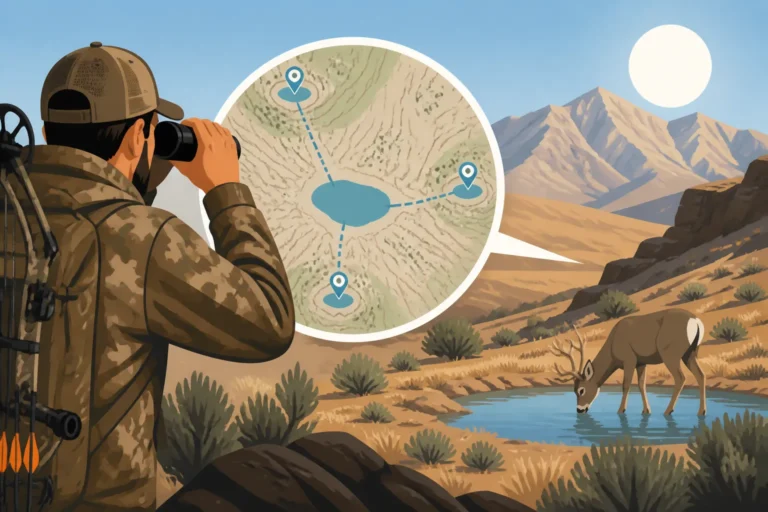
Even in situations where blaze orange is not legally mandated, there's a strong ethical argument to consider wearing it anyway. Nevada's public lands are vast, but they can also be popular, especially during prime hunting seasons. You might be Hunting Water in Nevada's Driest Country near a remote guzzler, thinking you're alone, only to have another hunter or recreationalist stumble into your area.
Wearing blaze orange, even when legally optional, demonstrates a heightened commitment to safety for yourself and everyone else recreating on public lands. It's a visible sign of respect and responsibility. While camouflage is vital for many hunting methods, there are often ways to incorporate minimal blaze orange, such as a small hat, especially when moving between stands or during periods of reduced activity. The goal is to maximize your visibility to other humans while minimizing your visibility to game when actively hunting. It's a balance, but safety should always be the priority, showing a strong sense of hunting ethics.
Ensuring Compliance and Enhancing Safety in the Field
Being a responsible hunter means more than just knowing the rules; it means proactively ensuring compliance and prioritizing safety in every aspect of your hunt. In Nevada's challenging and often remote terrain, these practices are not just good ideas, they're essential.
Utilizing Reliable Time-Keeping Tools and Resources
When it comes to legal shooting hours, precision is everything. Relying on a wristwatch that's not synchronized or a smartphone that loses signal can put you in a precarious position. Invest in reliable time-keeping tools and always cross-reference them. A dedicated GPS device, which often includes sunrise/sunset data, can be invaluable in the backcountry where cell service is spotty at best. Many modern hunting apps, like those provided by GoHunt, utilize your phone's GPS to give you real-time, localized sunrise and sunset times, accounting for your precise location and any Daylight Saving adjustments.
It’s also a good practice to print out the official sunrise/sunset table for your specific hunt unit and dates and keep it in your pack. This provides a hard copy reference should your electronics fail or lose power. Double-checking your times against multiple sources before heading out each day will give you confidence and prevent any accidental violations. There's no excuse for guessing when it comes to legal shooting hours.
Annual Regulation Review and Staying Updated
Hunting regulations are not static; they can and do change annually. NDOW works to adapt seasons and rules based on herd health, population dynamics, and public input. Assuming that last year's rules are identical to this year's is a recipe for trouble. Every year, before you even consider applying for tags or planning your hunt, you absolutely must consult the latest Nevada Department of Wildlife Big Game Regulations. These are usually released in the late spring, well before the application deadlines.
Beyond the general regulations, pay close attention to any unit-specific rules or exceptions. Some units might have unique blaze orange requirements, different shooting hour interpretations, or special conditions. Platforms like GoHunt provide excellent, up-to-date resources and breakdowns of these regulations, often making it easier to digest the information than sifting through dense legal text. Taking the time to thoroughly review Reading a Nevada Hunt Unit Before You Apply is critical to understanding the specific parameters of your chosen area. Ignorance of the law is never an acceptable defense.
Prioritizing Safety Beyond Legal Minimums
While legal requirements for shooting hours and blaze orange provide a baseline for safety, truly responsible hunters always strive to operate beyond the minimums. Wearing more than 400 square inches of blaze orange, for example, is never a bad idea, especially in areas with dense cover or high hunter traffic. Consider your specific hunting environment: open sage flats might offer better visibility than pockets of juniper and mahogany. The goal is to be seen.
Beyond visibility, never compromise on positive target identification. Even within legal shooting hours, if the light is marginal, or an animal is obscured, refrain from taking the shot. Your ability to clearly identify your target, ensure a clean background, and confirm it's a legal animal is paramount. This extends to overall hunt preparedness, including ensuring you're Preparing Physically for Long Glassing Days and carrying essential safety gear. Legal compliance is a foundation, but true hunting safety is built on good judgment, ethical decision-making, and a continuous commitment to responsible practices in the field.
| Hunt Type/Season | Shooting Hours Rule | Blaze Orange Required? | Notes |
|---|---|---|---|
| General Rifle | 30 min before SR to 30 min after SS | Yes (400 sq. inches) | Applies to all individuals in the hunting party. |
| Archery-Only | 30 min before SR to 30 min after SS | No | Unless a general rifle season overlaps in the same unit/dates. |
| Muzzleloader-Only | 30 min before SR to 30 min after SS | No | Unless a general rifle season overlaps in the same unit/dates. |
| Archery during Rifle Season | 30 min before SR to 30 min after SS | Yes (400 sq. inches) | Even if you are bowhunting, if rifles are allowed, wear orange. |
| Predator/Varmint | Varies by species/method | Generally No (check specific regs) | May have extended or night hours; does not apply to big game. |
| Small Game | 30 min before SR to 30 min after SS | No (check specific regs) | General rule for most small game; always confirm species-specific. |
Disclaimer
The information provided in this guide is for informational purposes only and is not a substitute for the official Nevada Department of Wildlife (NDOW) hunting regulations. Hunters are responsible for consulting the current year's official NDOW regulations and any specific unit or species regulations before participating in any hunting activity. Regulations can change, and it is the hunter's sole responsibility to remain compliant with all applicable laws.