Water Development and Hunting Ethics
Navigating Nevada's vast, arid landscapes for big game can be incredibly challenging, and finding water—for both you and the animals—often feels like uncovering hidden treasure. The ethical implications and rules surrounding water sources, especially the man-made ones, can be confusing and lead to a lot of frustration for hunters simply trying to do right. This guide will walk you through the nuances of water development, the ethical debates surrounding hunting near these vital resources, and how to ensure your hunt remains both legal and respectful of wildlife.
The Critical Role of Water in Nevada's Arid Landscape
Anyone who has spent time chasing deer or elk across Nevada's sagebrush basins and rocky ranges knows that water is life out here. It's not just a convenience; it's the absolute linchpin of survival for all wildlife, and by extension, a critical factor for hunters. Understanding where water exists, how it's managed, and its impact on animal behavior is fundamental to successful and ethical hunting in the Silver State.
Natural Water Sources and Their Scarcity
Nevada is, for the most part, a desert. This isn't breaking news, but the reality of natural water sources really hits home when you're 20 miles from the nearest paved road, scanning an endless expanse of dry country. We're talking about intermittent springs, a handful of creeks and rivers fed by mountain snowmelt, and the occasional ephemeral puddle left after a rare rainstorm. These natural sources are often few and far between, tucked away in canyons or at the base of mountains, making them incredibly valuable. Animals will travel significant distances to reach them, especially during the hotter months. If you're serious about Hunting Water in Nevada's Driest Country, knowing how to identify and interpret these natural water features on a map, or even better, in person, can be a game-changer. It's often where the biggest concentrations of wildlife can be found, even if only for a brief drink before they melt back into the landscape.
The Lifeline that Guzzlers Provide
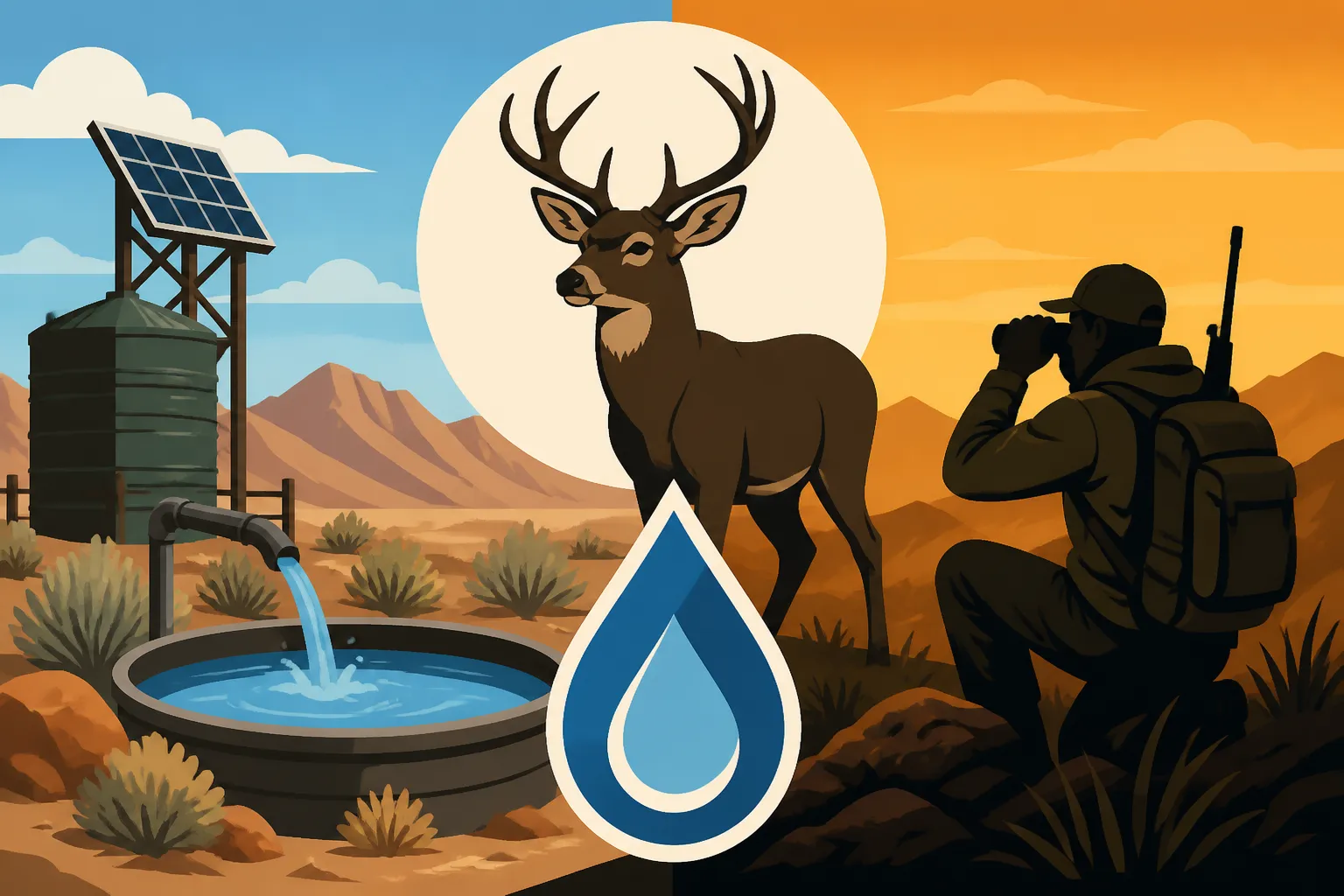
Given the scarcity of natural water, human intervention has played a crucial role in supporting wildlife populations. This is where guzzlers come into play. A guzzler is essentially a self-filling water catchments system designed to provide a reliable water source in areas where natural water is either nonexistent or highly unreliable. They typically consist of a rain-collecting apron (often made of corrugated metal or plastic sheeting), a storage tank, and a small drinker where animals can access the water. These aren't just for big game; chukar, quail, and countless other species rely on them. They are literally lifelines, especially in units where summer temperatures can regularly push past 100 degrees Fahrenheit, and precipitation is minimal. Without these installations, many areas would simply be unable to support healthy populations of deer, elk, and bighorn sheep. The commitment to these Water Development Projects Built for Wildlife demonstrates a long-standing dedication to conservation in the state.
How Guzzlers Concentrate Desert Game
It's no secret that water is a magnet for wildlife in arid environments. Guzzlers, by design, create focal points for animals. Deer, elk, antelope, and bighorn sheep will often establish travel routes that incorporate these man-made watering holes, particularly during dry spells or in the heat of an August archery season. While they won't necessarily live right at the guzzler, they'll visit regularly, especially during low-light hours. This predictable behavior is precisely why these sites become points of interest for hunters. Understanding How Guzzlers Concentrate Desert Game is crucial for both scouting and ethical decision-making. It's not about an easy shot; it's about understanding animal movement patterns around a vital resource, which allows for more efficient scouting and the potential to set up a fair chase stalk on animals moving to or from the water.
Understanding Water Development Projects in Nevada
Water development in Nevada isn't a new concept; it's a critical component of wildlife management that has evolved over decades. These projects are strategically placed and rigorously maintained to maximize their benefit to wildlife, often in areas that would otherwise be devoid of consistent water. Hunters, as conservationists, should appreciate the immense effort and resources that go into these vital infrastructure projects.
The History and Purpose of Guzzler Construction
The idea of supplemental water for wildlife in Nevada took root decades ago, primarily driven by a desire to expand and sustain game populations in regions traditionally limited by water availability. Organizations like the Nevada Department of Wildlife (NDOW), along with various conservation groups such as the Fraternity of the Desert Bighorn and the Wild Sheep Foundation, have been instrumental in the planning, funding, and construction of these guzzlers. The primary purpose is simple: to provide a consistent, reliable water source to help wildlife survive droughts, expand their range, and ultimately increase herd health and numbers. It's a testament to proactive wildlife management, where instead of simply managing harvest, agencies actively work to enhance habitat. These efforts ensure that even in the most remote corners, animals have a chance to thrive.
How Guzzlers Are Maintained
Building a guzzler is one thing; keeping it operational year after year in harsh desert conditions is another challenge entirely. These systems require regular maintenance to ensure they're functioning correctly and providing clean water. Volunteers, often including hunters, play a massive role in this. Think about it: clearing debris from collection aprons, repairing leaks in tanks or drinker boxes, checking float valves, and even hauling in water during extreme droughts. This isn't a one-and-done project. It's an ongoing commitment to conservation, and it often involves significant physical labor in remote, rugged terrain. Hunters often use tools like GoHunt to scout and then also to find volunteer workdays, giving back to the resources they cherish. Knowing the dedication that goes into these projects can foster a deeper respect for the resource itself.
NDOW's Role in Water Development
The Nevada Department of Wildlife (NDOW) is at the forefront of identifying needs, planning new guzzler locations, and coordinating maintenance efforts. They work closely with federal land agencies like the Bureau of Land Management (BLM) and the U.S. Forest Service, as well as private landowners, to ensure that these developments are placed where they will have the most impact and are legally permissible. NDOW biologists often use data from game counts, telemetry studies, and historical drought patterns to prioritize areas for new installations or upgrades. They are also responsible for monitoring the usage of these guzzlers by various species, ensuring that the conservation dollars and volunteer hours are truly making a difference. Their work forms the backbone of sustained wildlife populations across the state, making your hunt possible.
The Ethical Dilemma: Hunting Over Water Developments
Here's where things can get a little murky and where the lines between legal and ethical can sometimes feel blurred for hunters. The discussion around hunting over water sources, especially man-made guzzlers, is often passionate and varied. It's a debate that touches on the core principles of fair chase and our responsibility as stewards of the land.
What Constitutes "Baiting" vs. Natural Attraction
One of the most common questions that comes up with guzzlers is whether hunting near them constitutes "baiting." In Nevada, baiting is generally defined as placing or distributing feed or other attractants to lure game animals for the purpose of hunting. Think corn piles or mineral blocks. However, established guzzlers are not considered bait. They are permanent wildlife habitat improvements, providing a natural and necessary resource in an otherwise dry environment. Animals are drawn to them out of an innate need for survival, not because of an artificial food source. This distinction is critical. If you were to add anything to a guzzler, like salt or supplemental feed, that would unequivocally cross into illegal baiting. The simple presence of water in an arid environment, even if provided by a man-made structure, is seen as a natural attraction. Understanding the specifics of Baiting Rules That Apply in Nevada is essential to stay on the right side of the law and ethics.
Legal vs. Ethical Considerations
Legally, hunting over an established guzzler or natural water source is generally permissible in Nevada, provided you adhere to all other regulations, such as shooting hours, trespass laws, and weapon restrictions. However, "legal" doesn't always equal "ethical" in the eyes of every hunter. Some argue that sitting on a water source, especially a guzzler, removes a significant element of fair chase by making animals too predictable. They feel it lessens the challenge and the effort required for a successful hunt. Others argue that it's simply smart hunting in an arid environment, no different than hunting a food source or a natural travel corridor, and that the animal still has every opportunity to detect the hunter and escape.
This difference in perspective often boils down to personal hunting philosophy. For many, the effort involved in locating a water source, scouting animal patterns around it, and executing a challenging stalk to get within range still upholds the spirit of fair chase. The animals are still wild, still wary, and still have the advantage of their senses and the vast landscape. The ethical debate isn't about whether animals need the water, but about how hunters utilize that natural draw.
Perspectives from the Hunting Community
The hunting community in Nevada, and indeed across the West, holds diverse views on hunting over water. Many long-time residents and guides view it as a completely acceptable and often necessary tactic in a desert environment. They'll tell you that finding and sitting water is part of the tradition, and requires patience and keen observation, much like Why Nevada Deer Hunting Is a Glassing Game in other contexts. They understand that on a hot August day, the animals will come to water, and being there at the right time is just good hunting.
Conversely, some newer hunters or those from regions with abundant water might see it differently, associating it too closely with "shooting fish in a barrel." This is where open dialogue and education become crucial. Explaining the harsh realities of Nevada's environment, the tremendous effort involved in water development, and the inherent wildness of the animals can help bridge these gaps. Ultimately, respecting individual ethical boundaries while adhering to legal guidelines is key.
Best Practices for Ethical Hunting Around Water
When you decide to hunt an area with water sources, whether natural or man-made, approaching it with a strong ethical compass and a commitment to fair chase is paramount. Your actions reflect on the entire hunting community, so it's vital to maintain high standards.
Fair Chase Principles and Water Developments
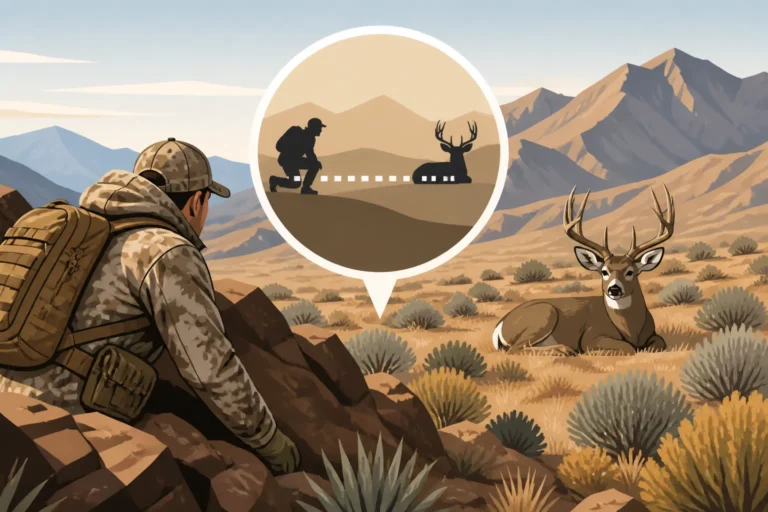
The core of fair chase hunting revolves around giving the animal a reasonable chance to escape. When hunting near water, this means more than just being legal. It means ensuring that your setup doesn't completely negate the animal's natural defenses. For example, ambushing an animal at a small, enclosed water hole with no escape routes might be legal, but it could be seen as unethical by many. Instead, consider areas where animals might be moving towards or away from water, offering more open terrain and opportunities for a challenging stalk. Setting up a long way from the actual water source, using the landscape to your advantage, and letting the animals come and go naturally, allows for a more traditional hunting scenario. Your goal should be to engage in a hunt where your skill as a hunter, not just the animal's need for water, leads to success.
Minimizing Impact and Pressure
Hunting near water sources, especially guzzlers, comes with a responsibility to minimize your impact on both the site itself and the wildlife that depends on it. This means being mindful of your presence. Avoid leaving trash, disturbing the water source, or damaging any part of the guzzler structure. Remember, these are vital installations. Furthermore, be conscious of the pressure you exert. If you sit a guzzler for multiple days in a row, or if multiple hunters are constantly present, you can inadvertently condition animals to avoid that water source during daylight hours, pushing them onto other, potentially more distant, water, or even out of the unit altogether. Consider rotating areas, giving the water sources a break, and always being stealthy to reduce your footprint. For archers, especially during early season, managing the heat and your physical exertion to stay quiet and avoid spooking animals becomes even more critical for Heat Management on an August Archery Hunt.
Responsible Scouting and Planning
Responsible hunting around water begins long before you ever step foot in the field with a weapon. It starts with thorough scouting, both remotely and in person. Tools like GoHunt can be invaluable here. You can use their mapping features to E-Scouting a Nevada Unit Before the Season, identifying potential water sources, terrain features, and animal movement corridors. Cross-reference satellite imagery with NDOW data to understand game populations.
Once you're in the field, don't just sit on the water from day one. Spend time observing. What time are animals coming in? What routes do they take? Where are they bedding before or after a drink? This observation phase is crucial for an ethical hunt. It allows you to understand the natural patterns without immediately creating pressure. Remember, it's about interpreting the landscape and the animals' behavior, not just passively waiting. GoHunt also offers community forums and resources that can help you understand general patterns in specific units, giving you a head start on responsible planning.
| Ethical Considerations Around Water Sources | Legal | Ethical (Generally Accepted) | Questionable Ethics |
|---|---|---|---|
| Hunting over a natural spring | Yes | Yes | |
| Hunting over an established NDOW guzzler | Yes | Yes (with fair chase) | |
| Adding attractants to a guzzler (e.g., salt) | No | No | Always |
| Sitting directly on a small, enclosed waterhole | Yes | Sometimes, depending on setup and escape routes | Ambushing without fair chase |
| Setting up a reasonable distance from water on a travel route | Yes | Yes | |
| Setting up a ground blind at a guzzler | Yes | Yes (if removed after hunt) | |
| Repeatedly pressuring a single water source | Yes | No |
Navigating Regulations and Technology
The legal framework for hunting near water sources is fairly clear in Nevada, but like anything with hunting regulations, there are always nuances. Modern technology, while incredibly helpful, also introduces new considerations that hunters need to be aware of.
Legalities of Hunting Near Water Sources
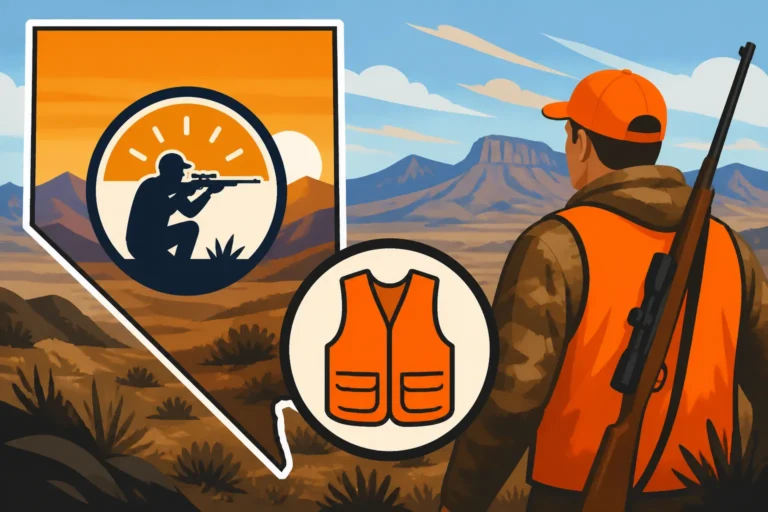
As discussed, hunting over water, including guzzlers, is generally legal in Nevada. However, there are some important considerations. Always check the current Nevada Hunting Regulations handbook for specific rules, as they can change annually. For instance, while sitting a water hole is fine, there might be regulations regarding how close you can be to a developed recreation site, or specific land closures that happen to contain a guzzler. Public land regulations, especially on BLM or Forest Service ground, typically allow general access, but private land boundaries always need to be respected. Make sure you've confirmed your spot is on accessible public land using tools like GoHunt's property line overlays. Furthermore, understanding Legal Shooting Hours and Blaze Orange in Nevada are non-negotiable, and they apply just as much when you're near water as they do anywhere else in your unit.
Trail Camera Rules Near Guzzlers
Trail cameras have become an indispensable scouting tool for many hunters. They allow us to gather valuable intelligence on animal movements, patterns, and even specific animals without constant human presence. When it comes to guzzlers, trail cameras can provide incredible insight into when and how often animals are visiting. However, Nevada has specific Trail Camera Rules on Nevada Public Land that all hunters must adhere to. Generally, trail cameras are legal for scouting on public land, but they must be clearly marked with your name and contact information. There are also rules about how long a camera can be left out. Always double-check the latest regulations to ensure your trail camera use is compliant. Misusing trail cameras, or placing them illegally, reflects poorly on all hunters and can lead to fines or confiscation.
Using E-Scouting Tools Like GoHunt
E-scouting has revolutionized how hunters prepare for a hunt. Websites and apps like GoHunt offer incredible resources for identifying potential water sources, even allowing you to map out routes and identify key terrain features. With a little effort, you can be Locating a Guzzler From Home before you ever drive a mile. You can layer public land ownership, wilderness boundaries, and even historical burn scars to get a comprehensive understanding of a unit. This is especially helpful in Nevada's vast, roadless country, where physical scouting can be time-consuming and challenging. While E-scouting can’t replace boots on the ground, it significantly streamlines the process, helping you focus your efforts. GoHunt's detailed maps and unit data allow hunters to meticulously plan their approach, identifying natural funnels and approach routes that maximize stealth and minimize disturbance, aligning with fair chase principles.
Supporting Wildlife Through Water Conservation
As hunters, our commitment to wildlife extends beyond the act of hunting itself. We are, at our core, conservationists, and supporting the resources that sustain wildlife is a fundamental part of that identity. Water development projects are a prime example of where this commitment shines.
How Hunters Can Contribute to Water Development
Hunters have historically been, and continue to be, the primary funders of wildlife conservation in North America through license fees, excise taxes on gear (Pittman-Robertson Act), and direct donations to conservation organizations. Beyond financial contributions, active participation in water development and maintenance projects is a powerful way to give back. Volunteer work parties organized by NDOW and various conservation groups regularly tackle tasks like guzzler repair, fence building around springs to protect them from livestock, and even hauling water to struggling animals during severe droughts. These are opportunities for hands-on conservation that directly benefit the game animals we pursue. Getting involved helps maintain these vital systems and fosters a deep connection to the landscape and its wildlife. It's a tangible way to ensure that Water Development Projects Built for Wildlife continue to thrive.
The Broader Impact of Conservation Efforts
The efforts invested in water development in Nevada yield benefits far beyond just big game animals. These water sources become critical hubs for a vast array of desert wildlife, from small mammals and birds to reptiles and amphibians. Healthy water resources contribute to overall ecosystem health and resilience, especially in the face of climate change and increasing drought severity. By supporting these projects, hunters are not just ensuring future hunting opportunities; they are actively contributing to the biodiversity and ecological integrity of Nevada's unique desert environments. It’s a holistic approach to conservation that recognizes the interconnectedness of all living things and the environment they depend on.
Disclaimer
The information provided in this guide is for general informational purposes only and does not constitute legal advice. Hunting regulations in Nevada can change frequently. Always consult the most current Nevada Department of Wildlife (NDOW) regulations handbook and local land management agency rules before engaging in any hunting activities.