Muzzleloader Deer Tactics in a One-Week Window
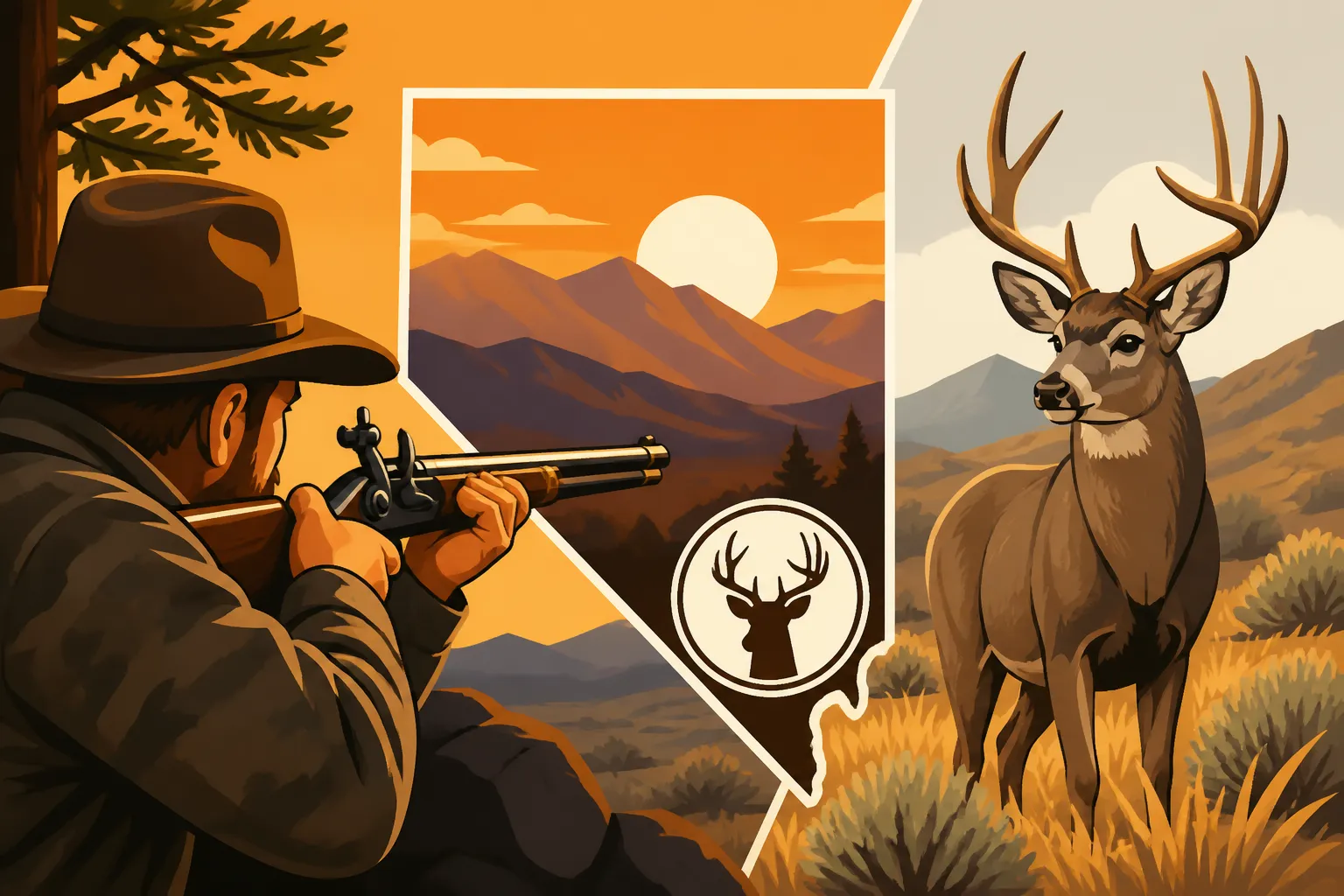
When you finally draw that coveted Nevada muzzleloader deer tag, the excitement is real, but so is the pressure of a short, often intense, one-week season. It's a frustrating reality that many hunters face: you've put in years of bonus points, poured over maps, and now you have just seven days to locate a buck in vast, open country, all while using a single-shot weapon. This guide is here to walk you through focused strategies and critical considerations to make the most of that limited window, turning potential frustration into a successful harvest.
Mastering Pre-Season Intelligence for Your One-Week Hunt
The truth is, a one-week muzzleloader deer season in Nevada is largely won or lost long before you ever set foot in the unit. The sheer scale of Nevada’s public lands, combined with the often sparse deer populations, means that every minute you save on the ground by knowing your unit cold is a massive advantage.
Deep Dive into E-Scouting and Map Resources
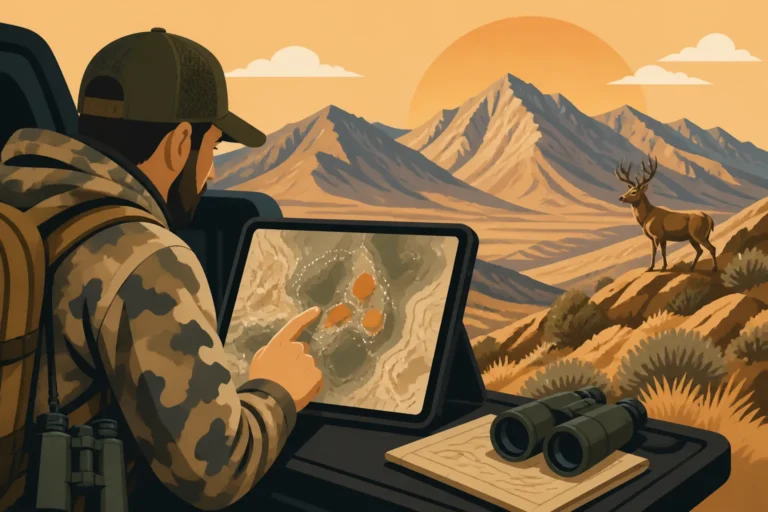
This is where your virtual "boots on the ground" time becomes your secret weapon. Forget just glancing at a paper map; we're talking about an immersive digital reconnaissance mission. Platforms like GoHunt become indispensable here. You'll spend hours analyzing terrain, studying public/private land boundaries (always check for those small, critical in-holdings or access points), and scrutinizing historical harvest data. Your goal is to identify potential bedding areas on north-facing slopes, prime feeding zones in draws or subtle benches, and, most importantly, critical water sources like springs or guzzlers, especially if your hunt falls during a drier period.
Pinpoint every potential access road, even the faint two-tracks that might lead to a remote glassing knob. You're trying to eliminate as much guesswork as humanly possible before you even leave home. This includes understanding the unit's topography – is it rolling sagebrush, steep juniper breaks, or timbered peaks? What are the elevation changes? What vegetation types dominate? A strong foundation in Reading a Nevada Hunt Unit Before You Apply is step one, but e-scouting takes it to an entirely different level, allowing you to mark waypoints for glassing points, potential stalks, and even emergency exits.
Physical and Equipment Readiness
A one-week season is absolutely no time for gear failure or lagging fitness. Nevada hunting is physically demanding, even for muzzleloader seasons that might not be as high-country intensive as some rifle hunts. You need to train for long days of glassing, often covering miles with your eyes, and then be ready for a potentially difficult, strenuous stalk over uneven ground. Start a consistent exercise routine well in advance, focusing on endurance and leg strength.
Critically, your muzzleloader setup must be absolutely dialed in. Ensure consistent accuracy out to your maximum ethical range, which for most muzzleloaders in Nevada's open country might be anywhere from 100 to 200 yards, depending on your confidence and the specific setup. Practice reloading quickly and smoothly under pressure – not just from a bench, but from kneeling, prone, and awkward field positions. Have a reliable scope (if legal for your hunt, which Nevada generally allows for muzzleloaders) and plenty of powder and projectiles. Your day pack needs to be efficiently loaded with essentials, from optics to first-aid, ensuring everything is within easy reach. Don't underestimate the mental and physical toll, and make sure you're well-prepared for Preparing Physically for Long Glassing Days.
Understanding Draw Odds and Unit Selection
While this guide focuses on tactics after you've successfully drawn your tag, it's worth noting that a truly savvy muzzleloader deer strategy begins years in advance with meticulous application planning. The bonus point system in Nevada means that patience and consistent application pay off. When considering which units to apply for, research historical draw odds and success rates specifically for muzzleloader hunts.
Tools like GoHunt's Insider service can provide invaluable data here, giving you insights into not just draw odds, but also public land percentages, success rates by weapon type, and even harvest trends for specific units. This helps you make informed decisions year after year, building points in units that offer a realistic chance at drawing a quality tag, and eventually, having that one-week muzzleloader opportunity. It's all part of the long game that culminates in those precious seven days.
Executing Effective On-The-Ground Tactics
With your pre-season work done and your gear ready, those seven days will fly by. Your on-the-ground tactics need to be sharp, efficient, and adaptable to Nevada's often unforgiving environment.
Strategic Glassing for Early Season Success
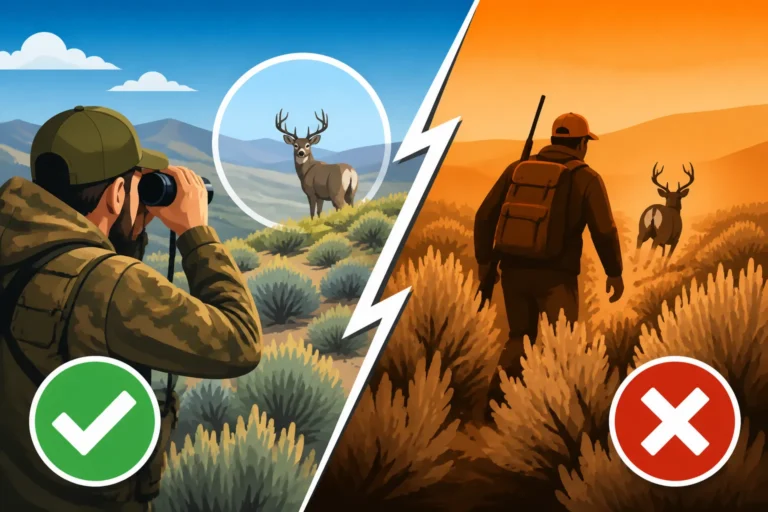
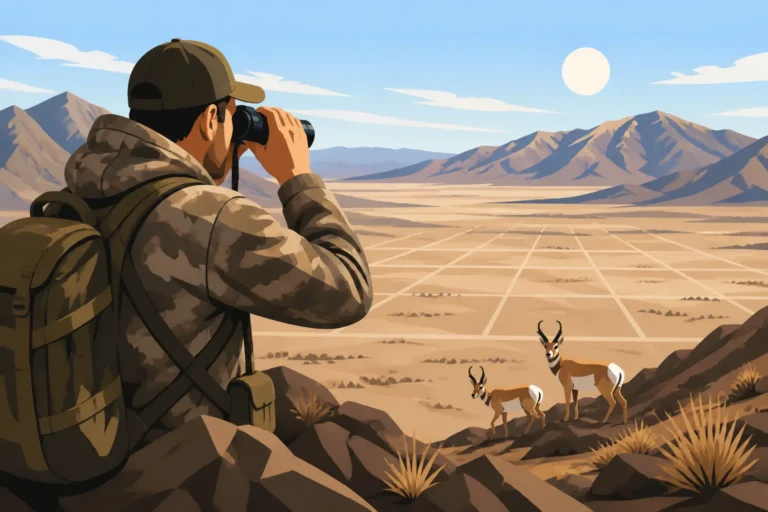
Let's be unequivocally clear: Nevada is a glassing state. Period. Especially with a short, one-week season, you do not have the luxury of walking around hoping to jump a buck. You must commit to getting to high ground before first light and dedicating long, painstaking hours behind your binoculars and spotting scope. Your eyes are your most powerful tool in this landscape.
Focus your glassing efforts on transition areas—the subtle benches where deer might stage, the juniper breaks between feeding and bedding, and the drainages that offer escape cover. Look for anything that breaks up the natural patterns of the sagebrush and rock: a horizontal line, a twitching ear, the glint of an antler. Patience is paramount. You might spend an entire morning picking apart a single hillside, but that's often how deer are found in this vast country. Why Nevada Deer Hunting Is a Glassing Game cannot be overstated. Get comfortable, stay warm (or cool), and keep those optics to your face, especially during Best Time of Day to Glass a Basin.
Closing the Distance with Muzzleloader Precision
Once you've spotted a buck, particularly a mature one, the real challenge begins. Your muzzleloader typically means shorter effective ranges than a modern centerfire rifle, often requiring you to close significantly more distance. This demands a near-flawless stalk.
Before you move, analyze the terrain meticulously. Identify every dip, ridge, and clump of sage that can offer cover. Pay close attention to wind direction and thermals, which can shift dramatically in the mountains as the day warms or cools. Plan your route to stay out of sight and downwind. Take your time – sometimes an hour or more – to get into a confident, stable shooting position. Don't rush. A long, patient crawl or circuitous route that puts you within your ethical range is far better than a hasty approach that spooks the animal. Mastering How Far to Stalk a Bedded Mule Deer becomes an art form with a muzzleloader in hand.
Exploiting Key Timeframes and Deer Behavior
During your one-week window, understanding and exploiting deer behavior during different times of day is crucial. Early mornings and late evenings are prime times for deer movement. This is when they are often traveling between bedding and feeding areas, offering the best opportunities to catch them out in the open, or at least in more visible positions. Be in your glassing spot well before first light and stay until after dark.
Pay particularly close attention to water sources, especially in drier units or during warmer periods of the season. Deer will often frequent them at dawn, dusk, or even during the mid-day heat. The middle of the day might find deer bedded down in thick cover or on shaded slopes, offering potential opportunities for careful stalks if you're able to pinpoint their exact location. Watch for subtle changes in their patterns throughout the week; hunting pressure, weather, or even moon phase can influence their daily routines. Don't be afraid to adjust your schedule to match what the deer are doing.
Muzzleloader-Specific Considerations for Nevada Deer
Your choice of weapon dictates a unique set of tactics and preparation. A muzzleloader, while offering a rewarding challenge, comes with distinct limitations that must be respected for success and ethical hunting.
Caliber, Projectile, and Ethical Range
While there isn't a specific, high-caliber minimum for deer that's as stringent as, say, Muzzleloader Caliber Minimums for Elk, selecting an adequate caliber and a heavy, reliable projectile is paramount. Most experienced Nevada muzzleloader hunters opt for a .50 caliber or larger, paired with a well-constructed sabot bullet or a heavy conical bullet. The key is consistent energy transfer and penetration.
Critically, you must know your effective range with your specific load and your specific rifle. Don't assume. Practice shooting from various field positions, not just a clean bench. Understand how bullet drop and wind drift affect your shot at different distances. Nevada's open country means longer shots are common, so push your practice to the maximum ethical range you've determined, ensuring you can consistently hit a vital zone. This knowledge will guide your stalking decisions and prevent unethical shots. When selecting your projectiles, be sure to consider Sabot Bullets in a Muzzleloader as they often offer improved ballistic performance.
One-Shot Accuracy and Follow-Up Strategy
With a muzzleloader, you get one shot. That's it. This makes perfect shot placement not just important, but absolutely critical. Every single shot must be taken with the utmost confidence, aiming for the vitals to ensure a quick, ethical harvest. This reinforces the need for extensive practice and understanding your rifle's capabilities.
Should you wound an animal, your follow-up strategy is drastically different from a modern rifle hunt. There's no quick second shot. Instead, it involves meticulous tracking, often a long wait to allow the animal to expire or stiffen, and then a dedicated pursuit. This highlights the importance of patient, ethical hunting. While rare, it's not a bad idea to carry components for a quick reload in your pack, but the reality is that reloading under pressure after a missed shot, or especially a wounded animal, is challenging and time-consuming. Focus on making that first shot count.
Legality of Optics and Accessories
Nevada's regulations generally allow for scopes on muzzleloaders during deer season, which can be a significant advantage in open country. A good quality scope can greatly extend your effective range by allowing for more precise aim, especially at longer distances or in low light conditions. Before your hunt, always double-check the current Nevada Department of Wildlife (NDOW) regulations to confirm what is and isn't allowed for muzzleloader hunting, as rules can occasionally change.
Understanding Can You Use a Scope on a Muzzleloader is vital for optimizing your setup. While some traditionalists prefer open sights for the added challenge and historical accuracy, for a one-week season in Nevada's vast, often challenging terrain, a scope can significantly increase your odds of making an ethical shot within your window. Make sure your scope is securely mounted and holds zero reliably.
Adapting Your Strategy Throughout the Week
A one-week season isn't static; conditions change, deer move, and your initial plans might need adjustment. Being flexible and observant is key to success.
Reading Weather Patterns and Deer Response
Early season muzzleloader hunts in Nevada can experience a wide range of temperatures, from scorching hot days to sudden cold snaps. Hot, dry conditions often push deer to seek out thicker cover during the day and concentrate them around vital water sources. In these conditions, focusing your glassing efforts around those water sources and shaded north-facing slopes becomes even more critical. Your plan for Hunting Water in Nevada's Driest Country can make or break your hunt.
Conversely, cooler weather, especially after a cold front or a rain shower, can encourage more daytime deer movement. Keep a close eye on the forecast and be prepared to adjust your hunting pressure and areas accordingly. If you have multiple potential areas scouted out (thanks to your GoHunt intel!), choose the one that aligns best with the current weather.
Adjusting Based on Deer Activity and Pressure
If you spend a couple of days in your primary glassing spots and aren't seeing the deer activity you expected, or if you encounter unexpected hunting pressure from other camps, be willing to move. Nevada units are immense, and deer can and will relocate due to hunting pressure or changes in feed availability. Don't stubbornly stick to a "honey hole" that isn't producing.
This is where your extensive e-scouting pays off. Don't be afraid to pull up stakes, pack your camp, and move to a new drainage, a different mountain range, or an entirely new sector of your unit. Sometimes, the most frustrating part of a short season is knowing the deer are there but not knowing where exactly. Use your mapping services to quickly identify secondary and tertiary spots you had marked during your pre-season work, and then execute that move with confidence. A fresh perspective in a new area can often be the catalyst for success. Understanding factors like Why Fawn Ratios Predict Next Season can even give you long-term insights into herd health and potential density in an area, aiding future unit choices.
Post-Harvest Logistics in Remote Areas
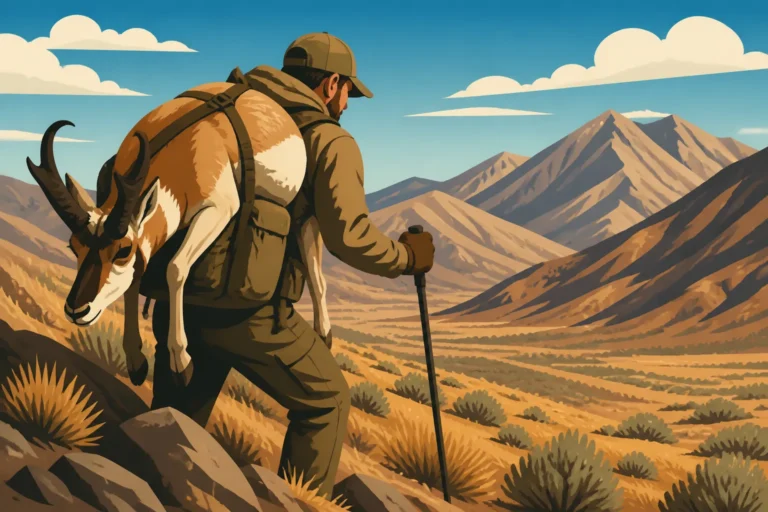
Congratulations, you've punched your tag! But in Nevada, the work isn't over when the animal hits the ground. With a muzzleloader, you're likely deep in remote country, often far from roads or amenities. You need a solid plan for field dressing and packing out your meat, especially if temperatures are still warm. Warm weather necessitates quick action to cool the meat down to prevent spoilage.
This is where your physical conditioning and having the right gear for Packing an Animal Out of Roadless Country really pays off. Have game bags, knives, a bone saw, and a pack frame specifically designed for heavy loads. Consider bringing a cooler with ice (or even dry ice) to camp for immediate meat storage. If you're solo, think about how you'll manage quartering and multiple trips if necessary. This isn't the kind of detail you want to figure out at 10 PM in the dark, miles from your vehicle. Plan it out thoroughly beforehand.
Here's a quick checklist to make sure you're ready:
| Item | Purpose | Notes |
|---|---|---|
| Muzzleloader & Ammo | Ethical harvest tool | Sighted in, practiced, reliable load |
| Optics (Binos, Spotter) | Locating deer in vast country | High quality, tripod for stability |
| Rangefinder | Confirming ethical shot distance | Essential for muzzleloader limitations |
| Wind Checker | Identifying wind direction for stalks | Simple powder bottle or puff bottle |
| Pack (Day & Hauling) | Carrying essentials & packing out meat | Comfortable, robust, capacity for meat |
| Navigation (GPS, Maps) | Staying oriented & finding marked spots | OnX Hunt or GoHunt app, paper maps as backup |
| Water & Filtration | Staying hydrated in dry conditions | Minimum 1 gallon per day, filter or purification tabs |
| First-Aid Kit | Emergency medical needs | Comprehensive, know how to use |
| Game Bags & Knives | Field dressing & meat protection | Multiple bags, sharp knives, sharpener |
| Headlamp | Early mornings & late evenings | Red light option for stealth, spare batteries |
| Communication Device | Satellite messenger for emergencies | Cell service is often non-existent in Nevada |
| Clothing Layers | Adapting to temperature swings | Breathable base, insulating mid, waterproof outer |
| Quality Boots | Covering rough terrain | Broken in, good ankle support, durable |
| Shooting Sticks/Bipod | Stable shooting platform | Critical for accurate long-range muzzleloader shots |
Disclaimer
Hunting is an inherently dangerous activity. This guide provides general information and recommendations for hunting in Nevada. It is critical for all hunters to thoroughly understand and comply with all current Nevada Department of Wildlife (NDOW) regulations, local laws, and ethical hunting practices. Conditions in the field can change rapidly, and hunters are responsible for their own safety and decisions. Always prioritize safety, respect wildlife, and leave no trace.