Late Archery Deer Hunts in Nevada
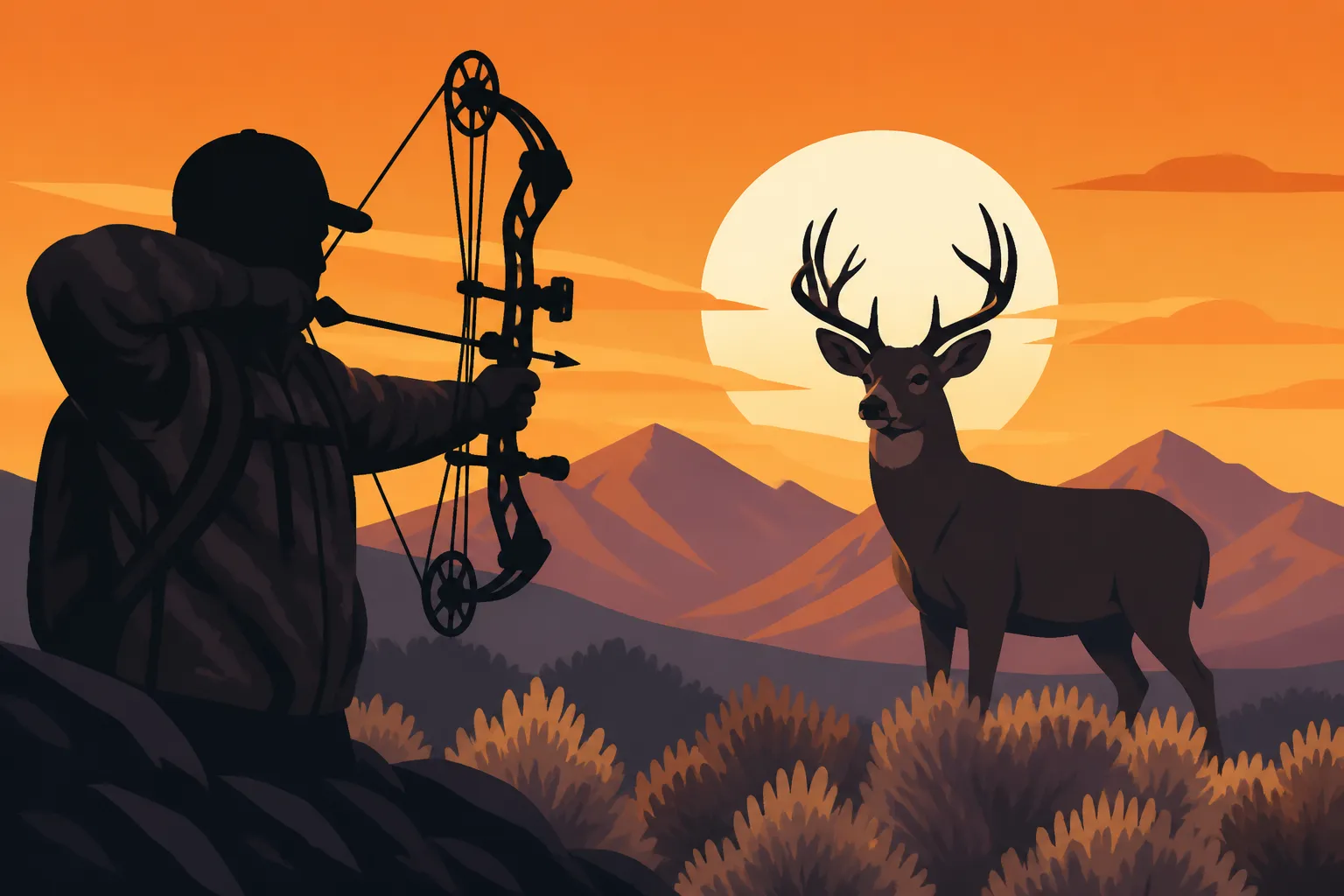
There's a special kind of dedication that comes with chasing deer in Nevada's late archery seasons. While the early August hunts bring brutal heat and often spread-out animals, the late seasons present a whole new set of challenges: bitter cold, unpredictable snow, and deer that are much more wise to hunter pressure. This guide will delve deep into what you can expect and how to maximize your chances during these tough, but potentially rewarding, late archery deer opportunities.
Understanding Nevada's Late Archery Deer Season Windows
The term "late archery" in Nevada typically refers to hunts that occur after the general early August window, often extending into September or even October in specific units. These seasons are a completely different ballgame, offering unique opportunities but demanding different strategies than their sweltering summer counterparts. It’s not just about cooler weather; it’s about a profound shift in deer behavior, habitat use, and the landscape itself. For hunters who have experienced the sweat and dust of August hunts, these later seasons can feel like a breath of fresh, crisp air, despite the added cold. However, don't mistake the lack of intense heat for an easy hunt; these conditions bring their own set of trials.
Some units in Nevada might offer a late archery season as a standalone opportunity, sometimes designed to spread out hunting pressure or target specific deer populations when they might be more concentrated on transitional ranges. It's crucial to dive into the specific regulations for the year you're applying, as these dates can shift slightly, and not every unit will have a "late" archery option. Always check the Nevada Department of Wildlife (NDOW) regulations handbook or use comprehensive tools like GoHunt to confirm exact dates and unit specifics before you even think about putting in for a tag. These are often limited-entry tags, meaning your draw odds will dictate whether you even get a chance at these unique hunts, making research all the more critical. You'll want to understand exactly When Nevada Archery Deer Season Runs and When Nevada Archery Deer Season Closes for your desired units.
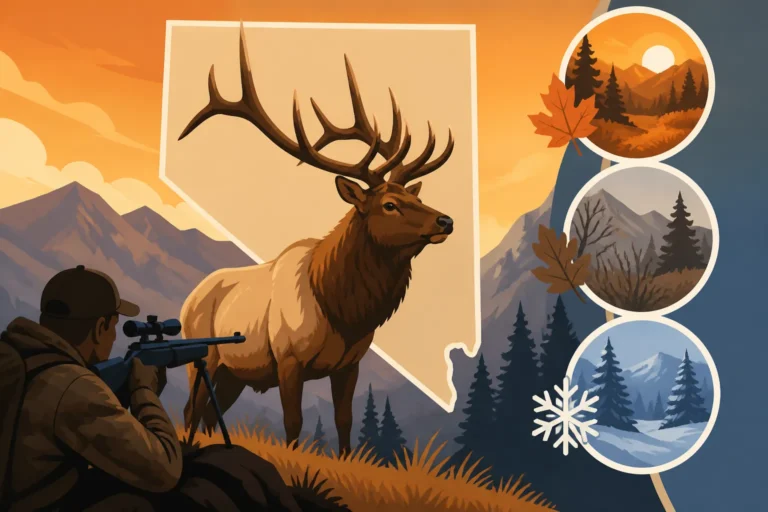
These later archery opportunities often coincide with the pre-rut or early rut phases for mule deer, especially if they stretch into late September or early October. This can be a double-edged sword: bucks might be more active and less nocturnal as they begin to cruise for does, making them both more visible and sometimes incredibly unpredictable. The weather also starts to turn dramatically. You might begin a hunt with mild autumn days and end it slogging through several inches of unexpected snow, transforming the terrain and requiring a complete mental and gear shift. Understanding the specific timing of these hunts, and what that timing means for deer activity, is your first critical step toward success in these challenging but exciting seasons.
Strategies for Locating and Pursuing Deer in Late Archery Seasons
Hunting late-season deer with a bow requires a tactical shift from early-season methods. The deer have been pressured, the foliage has changed, and their focus often shifts from summer feeding patterns to rut-related activities or preparing for winter. This means your approach to finding and stalking them must adapt significantly to these new environmental cues. Forget the high-country basins where they spent their summer; now, they might be moving to different elevation bands or staging areas.
Adapting to Shifting Deer Behavior and Habitat
As the season progresses and temperatures drop, mule deer will begin to descend from their highest summer ranges, moving towards lower, more sheltered wintering grounds. This migration isn't always a dramatic, one-time event; it can be a gradual movement, often dictated by the first significant snowfalls or plummeting temperatures. Bucks, especially mature ones, will also start to become more rut-focused. This means they'll be spending less time strictly feeding and more time searching for does, sometimes pushing them out of their bedding areas and making them visible during daylight hours. Your scouting from summer might be irrelevant now, so it’s essential to be prepared to E-Scouting a Nevada Unit Before the Season to identify potential transition zones, south-facing slopes that shed snow faster, and areas with good thermal cover.
One effective strategy is to concentrate your efforts on north-facing slopes and draws that offer shade and bedding cover during the early parts of these late seasons, especially if there's still some lingering warmth. However, as conditions cool, deer will often favor south-facing slopes, which catch more sunlight and melt snow quicker, providing easier access to forage. Look for pockets of bitterbrush, sage, and other browse species that remain accessible. In these periods, glassing becomes your absolute best friend. Setting up on a high vantage point before first light and meticulously Glassing Grids Across a Nevada Basin can reveal deer moving from bedding to feeding areas, or bucks cruising for does. Remember, late season bucks can often be found bedded in unexpected spots, soaking up the sun's warmth, so leave no patch of cover unexamined through your optics.
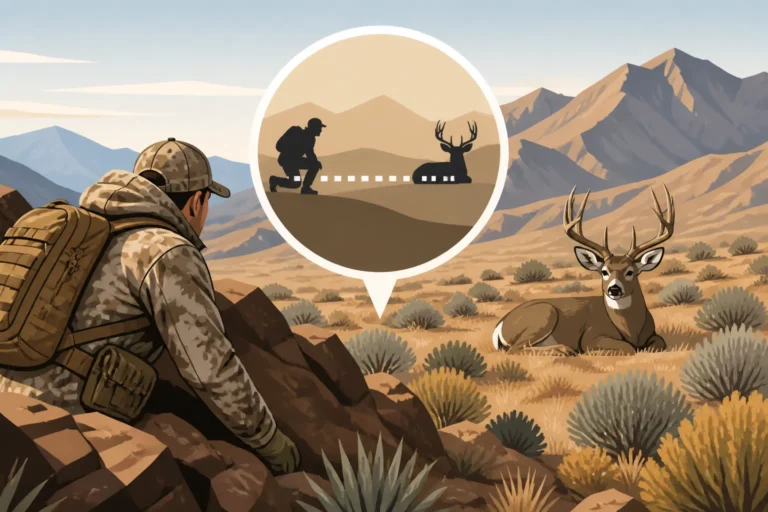
When you do spot deer, particularly a buck you want to pursue, the stalk itself will be different. The dry, crunchy conditions of late fall and early winter mean every step must be measured. Snow can muffle sound, but it also creates a stark, high-contrast landscape where your silhouette is easily spotted. You'll need to be even more diligent about using terrain features, draws, and drainages to conceal your approach and break up your outline. Getting How Close a Bowhunter Needs to Get on Mule Deer for a shot is always challenging, but in these conditions, it demands extreme patience and often a willingness to wait for the animal to move into a more favorable position, rather than forcing a risky approach.
Utilizing the Pre-Rut and Early Rut Activity
The major advantage of a late archery deer hunt, particularly if it overlaps with late September into early October, is the potential to catch the early stages of the mule deer rut. This period, often called the pre-rut, sees bucks becoming much more active, ranging farther and more frequently in search of receptive does. They're still wary, but their natural instinct to breed can sometimes override their extreme caution, making them a bit more predictable in their movements.
During this time, focusing on areas where does congregate can be highly effective. These might be specific feeding areas, water sources, or sheltered pockets within larger sagebrush flats. Bucks will often be found shadowing these doe groups, circling the edges, or challenging other bucks. If you can locate a handful of does, there’s a good chance a buck, or several, won't be far behind. Again, this is where patient glassing pays off. Watch how doe groups behave; if they suddenly become agitated or nervous, there might be a buck pushing them or a rival buck in the vicinity.
The challenge, however, is that while bucks are more active, they are also constantly on the move, covering significant ground. This means stationary ambush points might be less effective unless you're specifically targeting a travel corridor between known doe bedding and feeding areas. Spot and stalk remains the most viable tactic for archery hunters in Nevada's expansive terrain. Be prepared for long days of glassing, identifying a buck, then executing a lengthy stalk that might cover a mile or more. The crisp, cool air can also carry sound farther, so wind direction and thermal currents become even more critical factors to constantly monitor and exploit during your approach.
Essential Gear and Preparation for Cold Weather Archery
Late archery hunts demand a robust gear list and meticulous physical preparation that goes beyond what you might pack for an August hunt. The conditions can be unforgiving, swinging from mild autumn days to full-blown winter storms within hours. Being underprepared for the cold, wind, and potential snow can not only ruin your hunt but also put your safety at risk.
Layering for Extreme Temperature Swings
Nevada's high desert and mountain ranges are notorious for dramatic temperature swings, especially in the fall. You might start your day hiking in near-freezing temperatures, only to be shedding layers by midday as the sun beats down, then bundling back up as evening approaches. The key to staying comfortable and safe is effective layering. Start with a good moisture-wicking base layer against your skin to manage sweat, as becoming wet from perspiration can lead to hypothermia in cold conditions. A mid-layer, like a fleece or puffy synthetic jacket, provides insulation.
Your outer layer should be a durable, windproof, and waterproof shell. This is critical for protecting you from sudden rain, snow, or biting winds that can cut right through less substantial clothing. Don't forget your extremities: a warm hat, insulated gloves (with thin liners for dexterity when shooting your bow), and insulated, waterproof boots are non-negotiable. Carry an extra puffy jacket in your pack for extended glassing sessions or when the temperature unexpectedly drops. Remember, staying warm isn't just about comfort; it's about maintaining focus and fine motor skills for that critical shot. Investing in quality gear from brands known for performance in varied conditions can make all the difference when Layering for Basin and Range Temperature Swings.
Bow Tuning and Broadhead Considerations
The cold weather can affect your archery equipment, and it's essential to account for this. Your bowstring might react differently, and cold hands can impact your grip and release. It’s wise to practice shooting in colder temperatures with gloves on, mimicking your actual hunting setup. Pay attention to how your arrows fly; small changes in string material stiffness due to cold can alter point of impact. Chronograph your arrows in cold weather if possible, as changes in temperature can sometimes slightly affect arrow speed.
When it comes to broadheads, ensure they are razor-sharp and sighted in perfectly with your field points. For mule deer, a strong, fixed-blade broadhead is often a reliable choice, providing excellent penetration on tough animals, especially if you encounter a thicker hide or bone. While expandable broadheads are legal in Nevada, always ensure they deploy reliably and maintain their cutting diameter in all conditions. Check Broadhead Requirements for Bowhunting to ensure compliance with all state regulations. Regardless of your choice, practice extensively with your hunting broadheads before the season to confirm accuracy and confidence. A quick, ethical kill is always the goal, and proper broadhead selection and tuning are paramount to achieving that in challenging conditions.
Overcoming Unique Challenges of Late Archery Hunts
Late archery deer hunting in Nevada is inherently demanding. Beyond the cold and altered deer behavior, there are other significant obstacles you'll likely face, from unpredictable weather to the logistical headaches of packing out a heavy animal in rugged terrain. Acknowledging and preparing for these challenges beforehand will significantly increase your chances of success and safety.
Dealing with Unpredictable Weather and Terrain
Nevada's fall weather can be a fickle beast. One day it's sunny and cool, the next you're post-holing through unexpected snow or battling relentless winds that seem to come from every direction. Snowfall, even light dustings, can dramatically change the landscape, making navigation tricky, especially if you're not intimately familiar with your unit. Roads that were easily passable can become treacherous or completely impassable, leaving you stranded if you're not prepared with recovery gear for your vehicle. Always check the forecast religiously, but understand that mountain weather can change on a dime, so pack for the worst-case scenario.
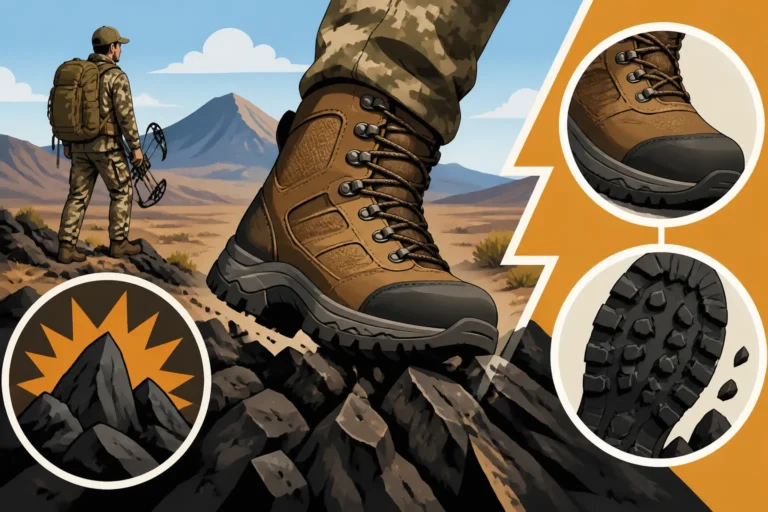
The terrain itself remains a challenge. Nevada is vast, steep, and often covered in unforgiving volcanic rock or loose scree. Snow can conceal loose rocks, making footing precarious. Consider appropriate footwear, like durable boots designed for traction on varied surfaces, providing ankle support, and offering ample insulation. Physical conditioning is paramount for these hunts; you'll be covering miles over rough terrain, often at higher elevations, with the added burden of heavy clothing and gear. Don't underestimate the need for solid Physical Conditioning for Long Glassing Days and for potential pack-outs.
| Feature | Early Archery (August) | Late Archery (Sept/Oct) |
|---|---|---|
| Temperature | Hot (80s-100s°F) | Cool to Cold (20s-60s°F) |
| Deer Behavior | Spread out, water-focused, nocturnal | Concentrated, pre-rut/rut, more visible |
| Vegetation | Green, full foliage | Drying, changing color, some snow |
| Terrain | Dry, dusty, rocky | Can be muddy, snowy, icy, rocky |
| Challenges | Heat exhaustion, rattlesnakes, dry conditions | Hypothermia, snow, wind, impassable roads |
| Gear Focus | Hydration, lightweight, sun protection | Layers, insulation, waterproof, navigation |
Logistics of a Successful Late-Season Hunt
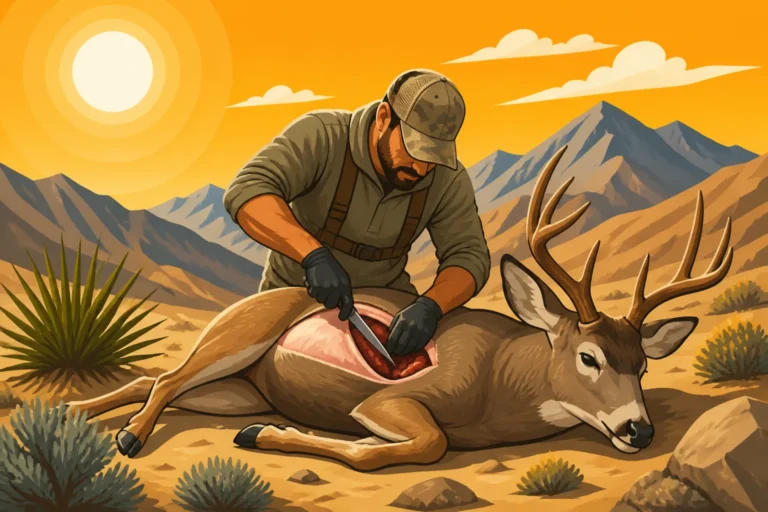
Even after you've successfully arrowed a deer in the late season, the work isn't over—it's just beginning. A downed animal in colder temperatures requires prompt field dressing and attention to detail, but you're less likely to deal with the extreme heat challenges of an August hunt that can spoil meat quickly. However, colder weather doesn't mean you can slack on meat care. You still need to gut, skin, and quarter the animal efficiently to get the meat cooled as quickly as possible. The heavy carcass will feel even heavier when you're Packing an Animal Out of Roadless Country over snow-covered, steep terrain.
Beyond meat care, consider your vehicle and camp setup. Winterizing your camp or having reliable heating for tents or trailers becomes crucial. Ensure your vehicle is serviced and equipped for cold weather, including chains, a shovel, extra fuel, and emergency supplies. Communication devices, like a satellite messenger, are vital in remote Nevada units where cell service is non-existent. Planning for every contingency, from a flat tire on a remote road to an unexpected overnight bivy if a stalk runs late, is part of the game. Utilizing resources from NDOW and hunting apps like GoHunt can help you assess road conditions and access points more accurately before you head out, and a good topographical map will be your best friend.
Disclaimer
The information provided in this guide is for general informational purposes only and does not constitute legal advice. Hunting regulations in Nevada are subject to change. Always consult the most current Nevada Department of Wildlife (NDOW) regulations and laws before planning any hunting activity. It is the hunter's responsibility to know and abide by all applicable federal, state, and local hunting laws and regulations.